



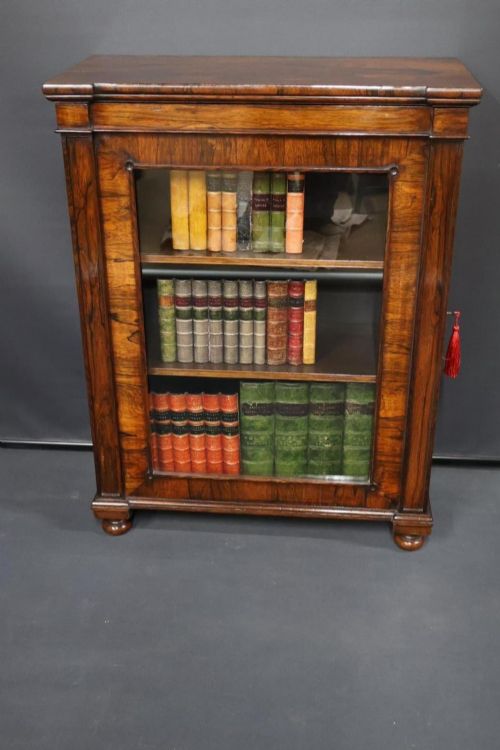

Rosewood Glazed Bookcase
A rosewood glazed bookcase brings rich grain and glass-fronted display together, offering a refined way to house a library while protecting fine bindings.
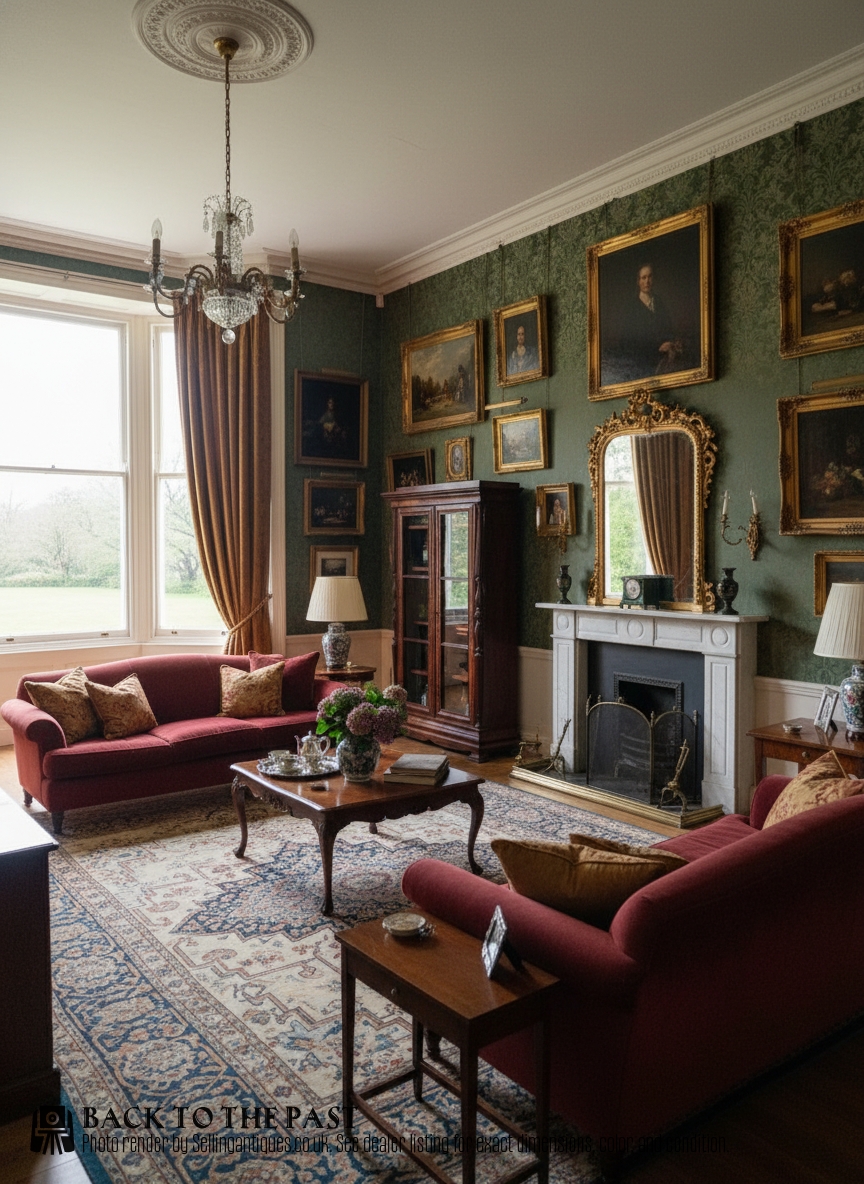
Rosewood Glazed Bookcase
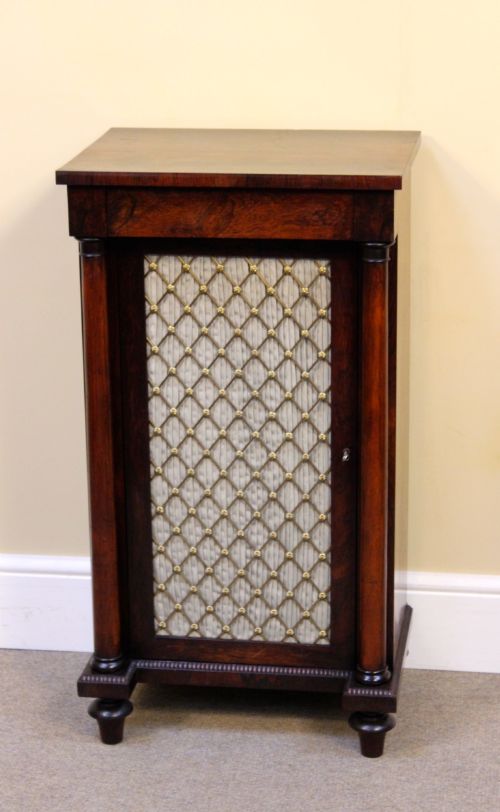
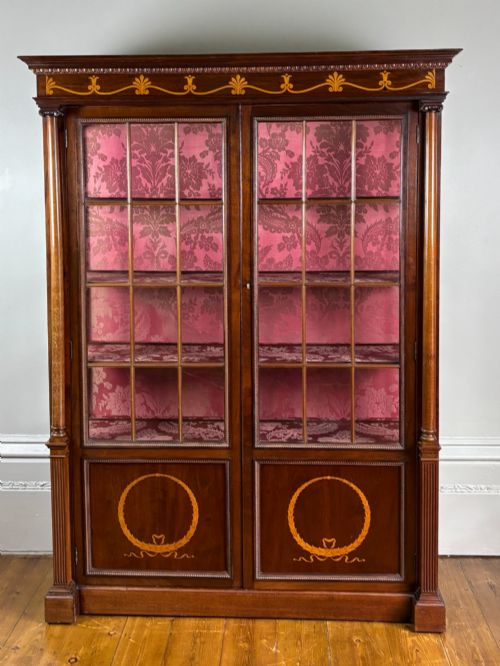
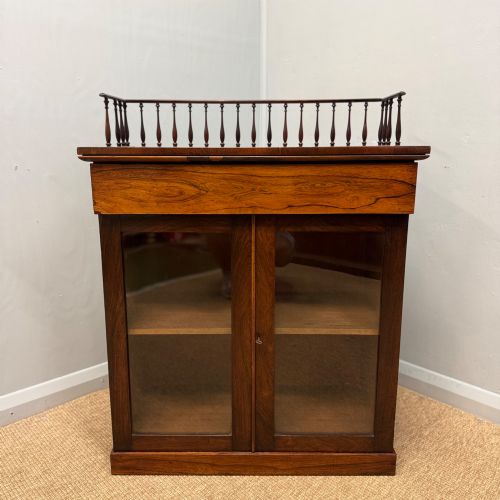
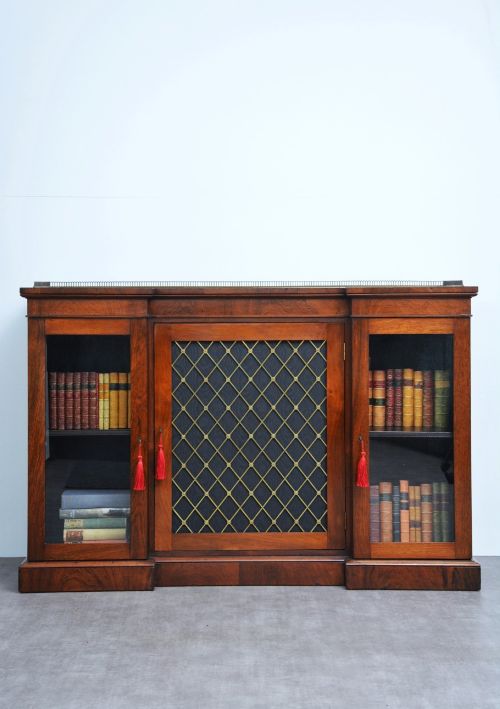
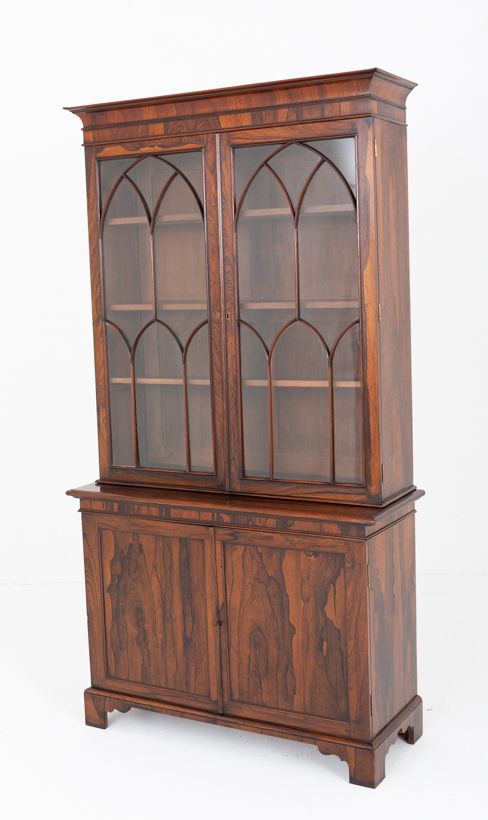
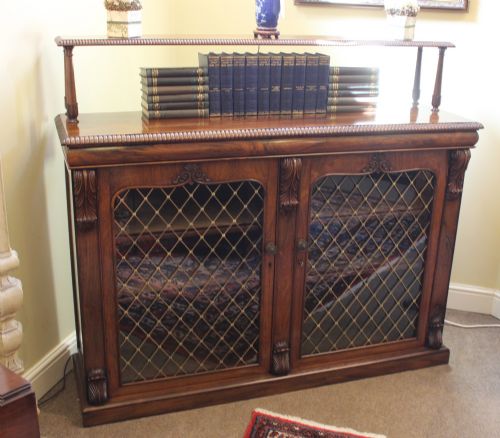
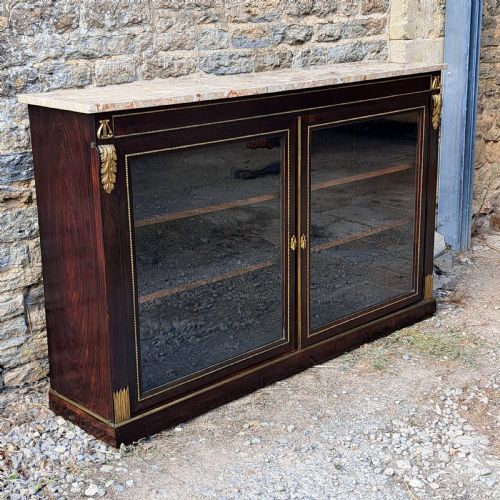
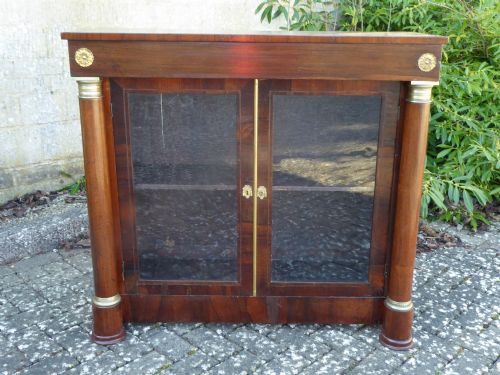
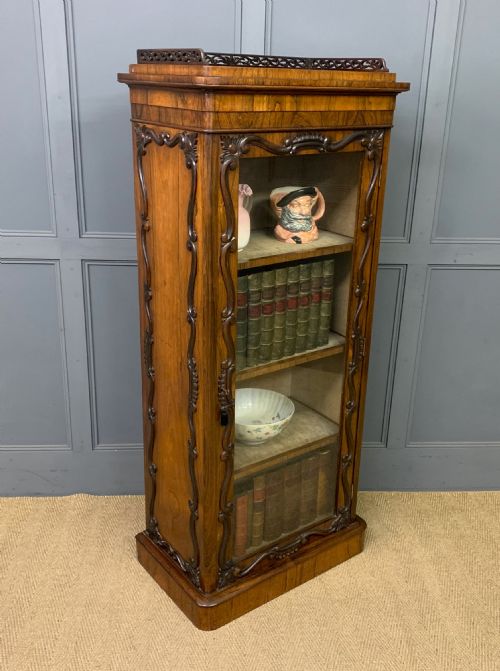
A rosewood glazed bookcase is a refined piece of furniture designed for displaying and housing books behind glass doors. These cabinets appear across the nineteenth century, moving from the architectural forms of the Regency period through to later Victorian and Edwardian iterations.
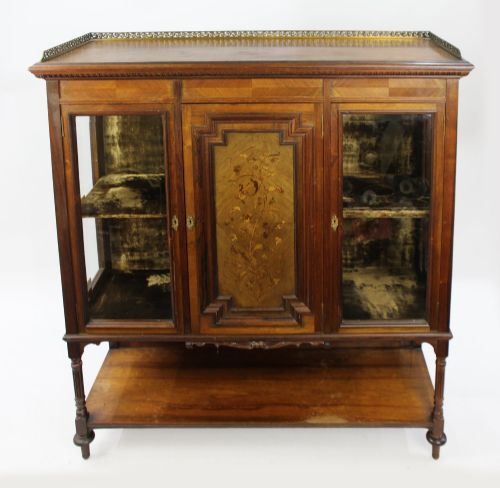
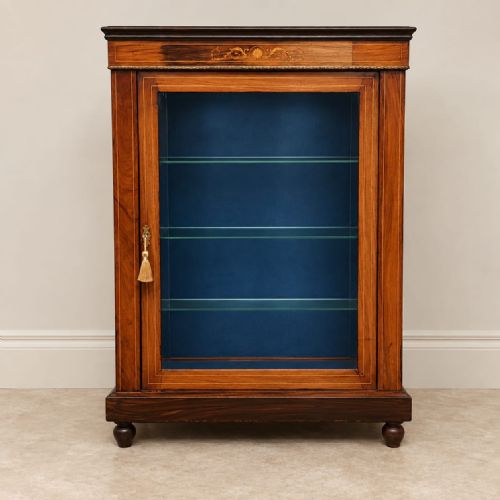
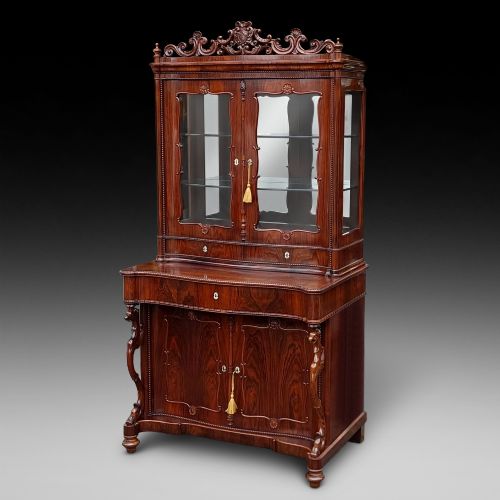
The pieces on this page span several distinct manifestations, from compact pier cabinets and dwarf bookcases to large breakfront examples and side cabinets with glazed upper sections. Makers utilised rich timber and glass panels to create items intended for the formal reception rooms of grand houses.
Origins range from English workshops working in the Regency and Victorian styles to continental pieces including Biedermeier and French chateau designs, alongside occasional Anglo-Indian and Chinese carved hardwood examples.
How they were made
Makers constructed these cabinets using dense tropical timbers, applying finely figured rosewood veneers over secondary woods to showcase dramatic grain patterns. Brass inlay, gilt-metal mounts, and delicate stringing in satinwood or mahogany often highlight the structural lines of the cabinet.
Glazing techniques involved holding glass panes within slender wooden framework, sometimes framed by brass or ormolu mounts. Interior fittings frequently incorporated adjustable wooden shelving, fabric linings, or mirror backs to enhance the display of books and objects.
Rosewood Glazed Bookcase Retail Price Guide 2026
Typical asking prices for rosewood glazed bookcase among the pieces listed under this phrase on Sellingantiques today, from the lower quarter to the upper quarter. They describe what is for sale here now, not the wider market.
Listings feature pieces spanning the Georgian, Regency, William IV, Victorian, and Edwardian periods, constructed in rosewood, mahogany, and satinwood.
What varies in quality
The distinction between ordinary and exceptional pieces lies in the selection of the rosewood veneer and the precision of the cabinetmaker's joinery. Superior examples display mirrored grain symmetry across the doors and drawers, demonstrating deliberate planning by the maker.
Refinement in secondary details such as finely chased brass mounts, original glass panes, and intricate marquetry or inlay separates standard production from pieces commissioned for high-status interiors.
Collinson & Lock·James Winter·Edwards & Roberts
The Rosewood Glazed Bookcase Glossary
- Pier cabinet
- A low cabinet designed specifically to fit the wall space between windows. These pieces often feature glazed doors and decorative inlay.
- Breakfront
- A cabinet design where the central section projects forward from the flanking wings. This configuration creates architectural depth.
- Biedermeier
- A Central European style dating from the nineteenth century prioritising clean lines and polished wood surfaces over ornate carving.
- Chiffonier
- A low sideboard or cabinet, frequently equipped with enclosed shelving or glazed doors below. It emerged as a versatile form for nineteenth-century interiors.
- Ormolu
- Gilded bronze used for decorative mounts and decorative trim on fine furniture. It adds metallic contrast to dark rosewood surfaces.
Rosewood Glazed Bookcase: Frequently Asked Questions
How do I date a rosewood glazed bookcase?
Dating relies on observing structural characteristics, joinery methods, and stylistic cues present in the piece. Regency examples often display classical brass inlay, while later Victorian versions incorporate heavier mouldings or revival ornamentation.
Material choices also guide attribution, as early nineteenth-century pieces frequently use solid or heavily veneered dark rosewood before shifting towards lighter inlay combinations and varied secondary woods in the later Victorian decades.
Where should I place a rosewood cabinet?
These cabinets suit reception rooms, studies, or libraries where their glass fronts can protect books and decorative objects from dust. Placing them away from direct sunlight preserves the deep colour of the rosewood veneer.
Due to the dense nature of the timber and the presence of glass, pairing them with adequate ambient lighting helps reveal the natural figuring and brass or marquetry details.
What is the difference between a pier cabinet and a bookcase?
A pier cabinet is typically lower and was originally proportioned to sit against the wall space between windows. Bookcases are generally taller structures designed explicitly to hold larger collections of volumes across multiple shelves.
Both forms frequently share glazed doors and rosewood construction, but their scale and original intended placement within a nineteenth-century room differ distinctly.
How should I clean rosewood furniture?
Maintaining rosewood requires gentle dusting with a soft, dry cloth to prevent particulate accumulation on the polished surfaces. Avoid using silicone-based polishes or harsh chemical sprays which can degrade the historic finish over time.
Conditioning the wood occasionally with appropriate paste wax helps nourish the timber and maintains the subtle lustre characteristic of nineteenth-century cabinet work.