

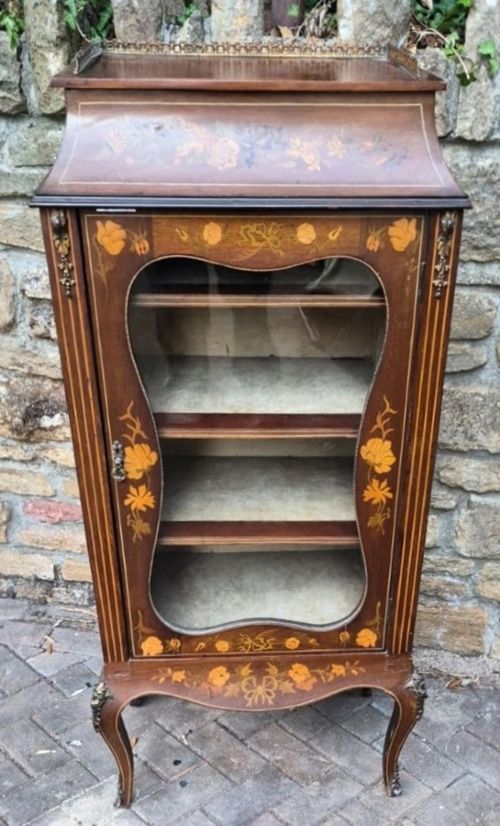


Antique Rosewood Vitrine
An antique rosewood vitrine brings a rich timber warmth and glass-fronted elegance to the display of cherished objects.
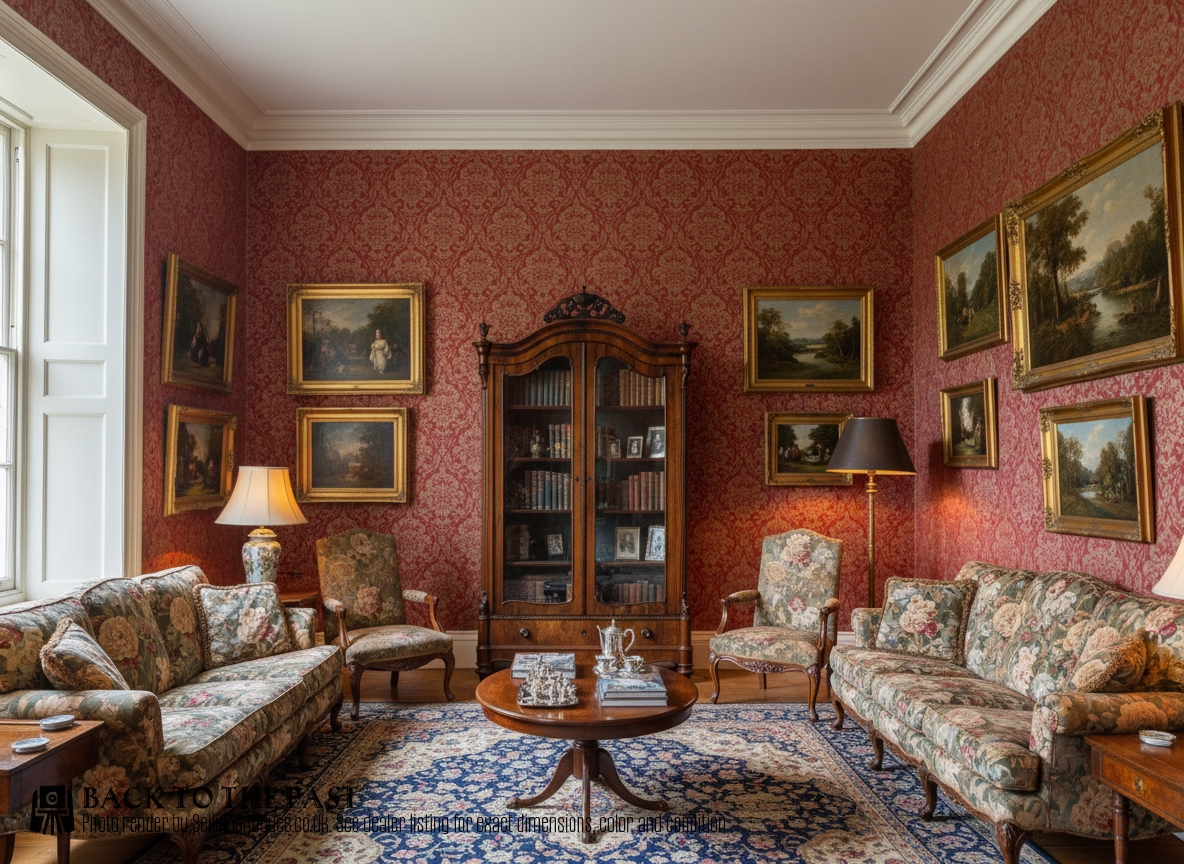
Antique Rosewood Vitrine
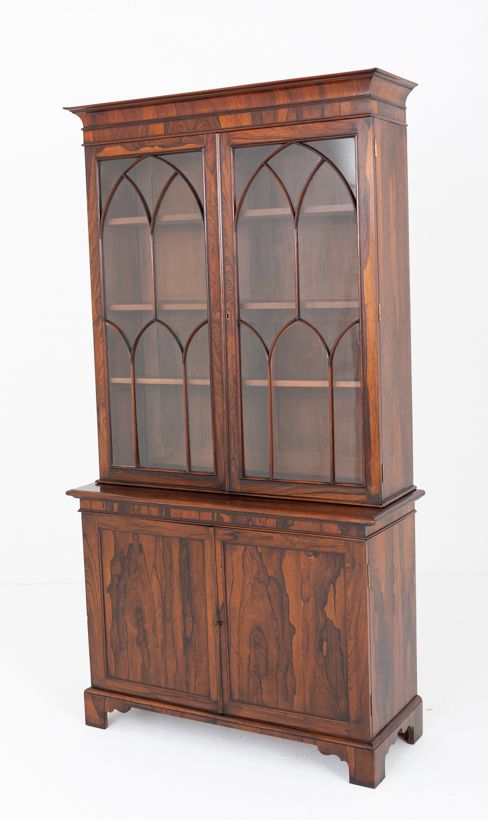
An antique rosewood vitrine is primarily a display cabinet designed to showcase fine objects, ranging from tabletop bijouterie tables to large floor-standing bookcases and corner cabinets. The items collected here span the nineteenth and early twentieth centuries, encompassing Victorian, Edwardian, and Continental periods.
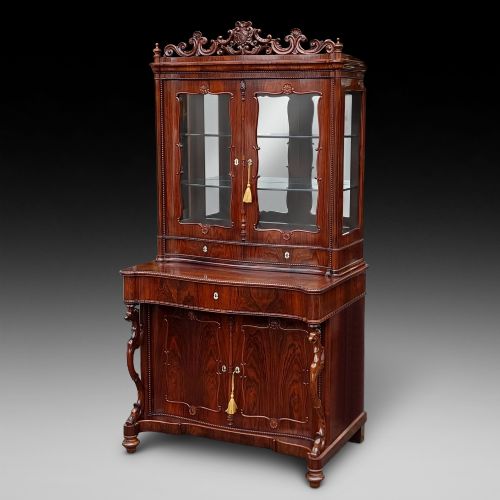
Buyers will most frequently encounter nineteenth-century French and English variants on this page, often styled after Louis XV or French Rococo revivals. Forms include glazed bookcases with vitrine tops, serpentine-fronted display cabinets, and slender pier cabinets built to fit specific domestic spaces.
How they were made
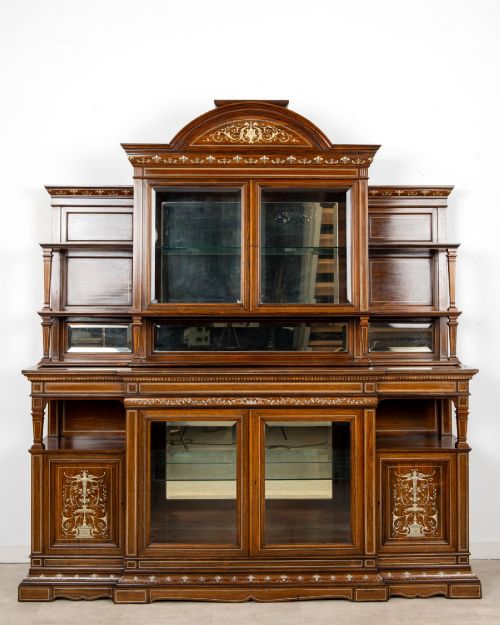
The primary construction relies upon dense, figured rosewood timber, frequently paired with contrasting satinwood or kingwood for intricate marquetry inlay. Cabinet makers utilised these rich woods to create smooth surfaces capable of taking a high polish.
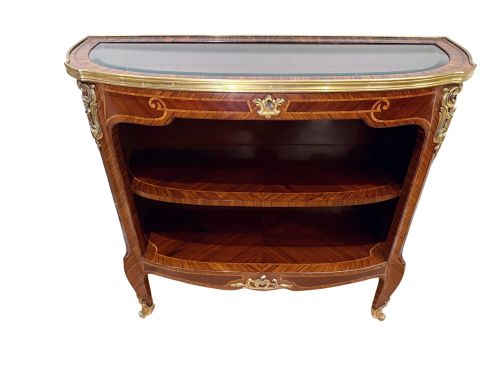
Metal mounts in ormolu, gilt bronze, and brass provide structural accents and decorative framing around glass panels and door borders. Fabric linings inside bijouterie tables and display cabinets often complement the exterior timber work.
Listings feature nineteenth-century and Edwardian pieces, incorporating materials such as rosewood, glass, ormolu, gilt bronze, and fabric.
What varies in quality
Quality rests significantly on the ambition of the design and the crispness of the cabinet work, from simple glazed bookcases to elaborate ormolu-mounted vitrines attributed to notable makers. The integration of hand-carved details, marquetry precision, and heavy gilded bronze mounts distinguishes standard production pieces from workshop masterpieces.
The choice and figuring of the rosewood veneer dictate visual impact, with deeply grained timbers commanding attention. Superior joinery ensures that heavy glass doors and serpentine fronts maintain structural integrity over generations.
Collinson & Lock·François Linke·Edwards & Roberts·Thomas Justice & Sons
The Antique Rosewood Vitrine Glossary
- Vitrine
- A glass-fronted display cabinet designed for the protection and viewing of porcelain, miniatures, and curiosities. These pieces often feature glazed sides to maximise light exposure.
- Bijouterie table
- A low display table with a glazed top and often a fabric-lined interior, created specifically for laying out small precious items and jewellery.
- Ormolu
- Gilded brass or bronze applied as decorative mounts, feet, and keyhole escutcheons on nineteenth-century furniture. The technique adds metallic brilliance against dark rosewood.
- Marquetry
- Inlaid patterns of contrasting wood veneers, such as satinwood and kingwood, assembled to form decorative motifs across cabinet doors and tabletops.
- Pier cabinet
- A narrow cabinet built to stand against the wall space between windows, frequently utilised in Victorian interiors to save floor space while offering display shelving.
Antique Rosewood Vitrine: Frequently Asked Questions
What is the difference between a vitrine and a bookcase?
A bookcase is primarily structured for the storage and organisation of books on open or solid-door shelving. A vitrine incorporates extensive glass panelling to showcase decorative objects, porcelain, and artefacts.
Many nineteenth-century examples combine both functions by providing a glazed vitrine top section above lower enclosed cupboards or bookshelf bases.
How were bijouterie tables used in period homes?
Bijouterie tables served as drawing-room display pieces where hosts could exhibit small valuables, medals, and fine ornaments. Guests gathered around these tables to inspect the contents laid out beneath the glass top.
The interior bed of the table was commonly lined with velvet or silk to cushion delicate items.
Where should I place a rosewood vitrine?
These cabinets suit reception rooms, drawing rooms, or hallways where natural light can pass through the glass panels to illuminate the contents. Corner cabinets work effectively to utilise unused angles in smaller spaces.
Positioning them away from direct sunlight protects both the rosewood timber finish and any fabric linings inside.
How do I identify French revival styles?
French revival pieces often display characteristic serpentine fronts, cabriole legs, and elaborate ormolu mounts inspired by Louis XV aesthetics. Makers drew heavily upon eighteenth-century motifs to create ornate display furniture for nineteenth-century interiors.
Detailed marquetry and asymmetrical scrollwork further signal these Continental design influences.