
Nineteenth Century Display Cabinet
A nineteenth century display cabinet turns ordinary rooms into private galleries, holding treasures behind glass panels.
Nineteenth Century Display Cabinet
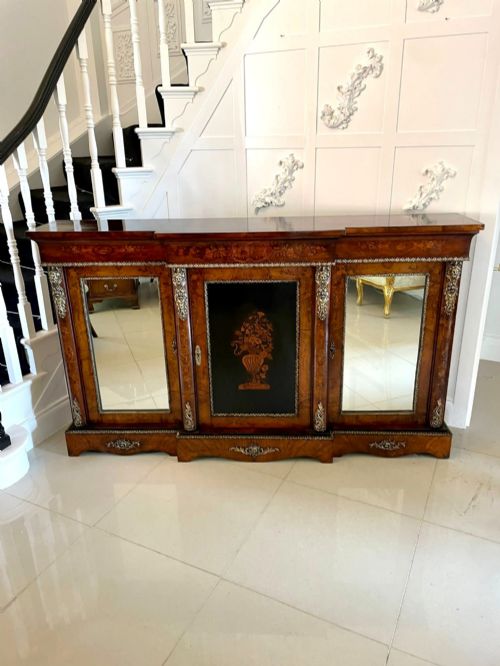
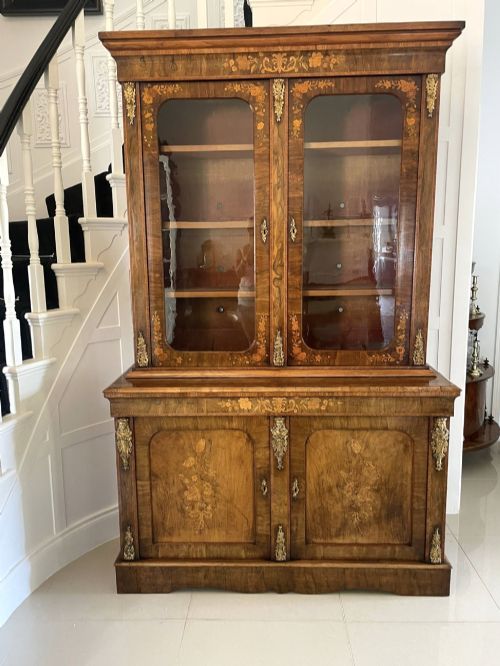
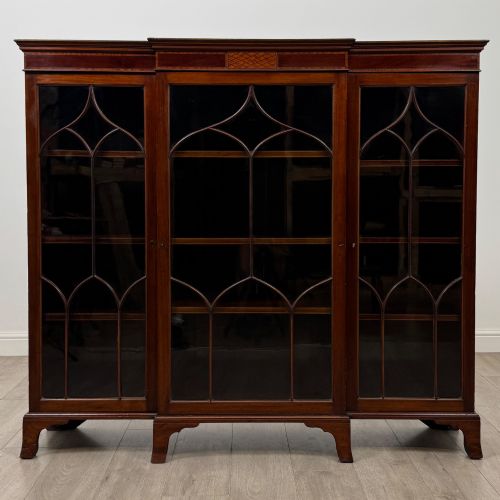
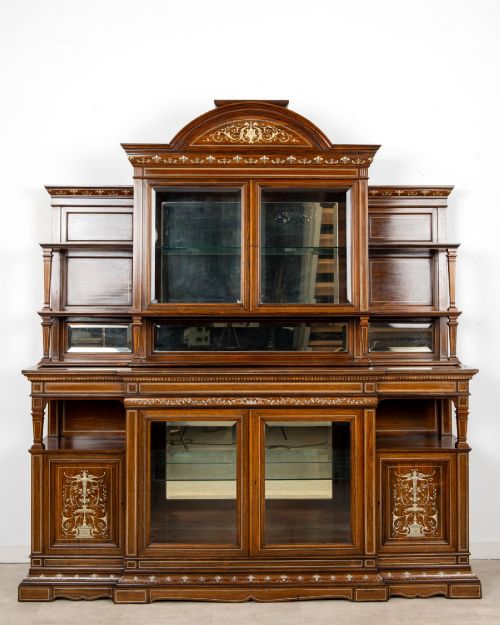
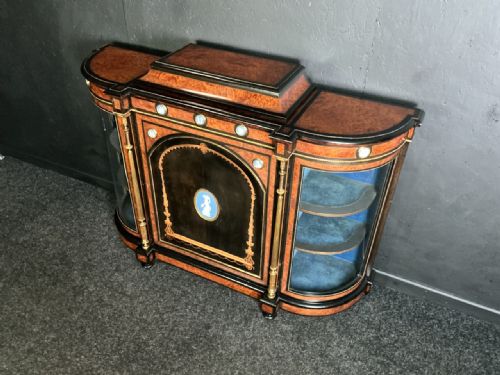
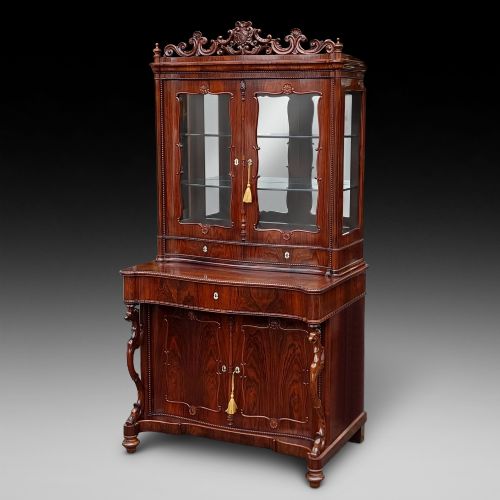
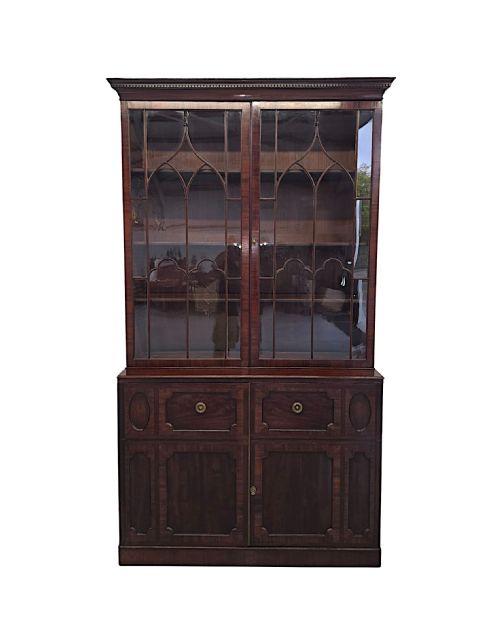
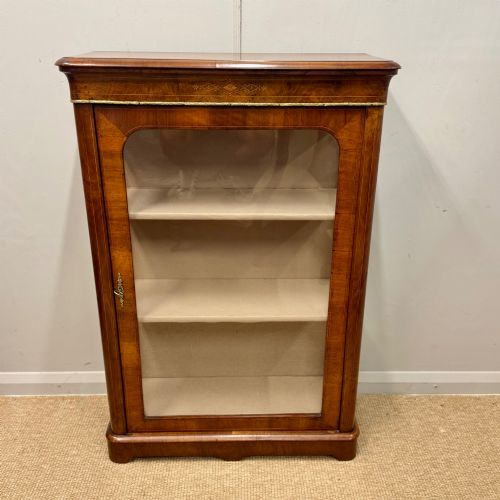
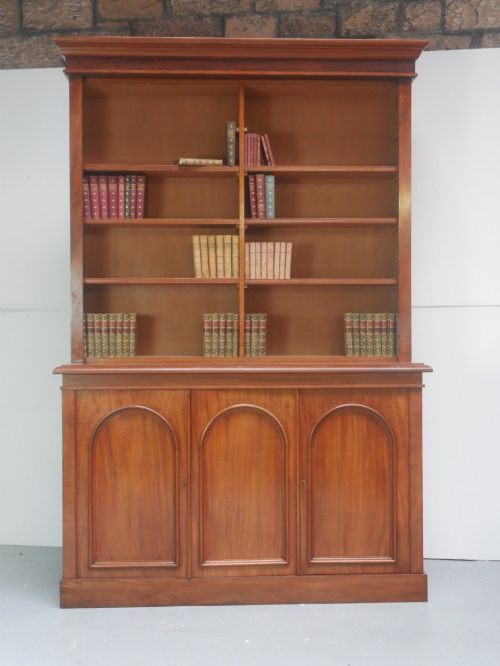
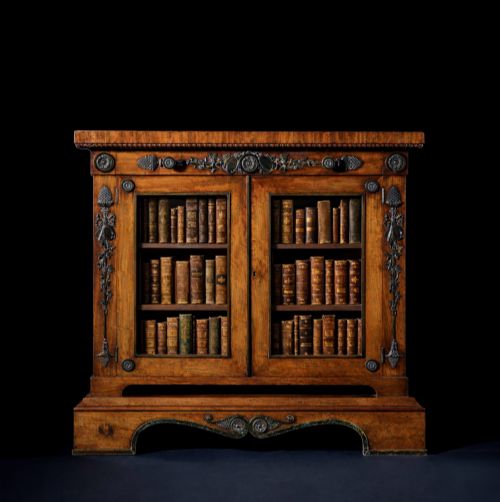
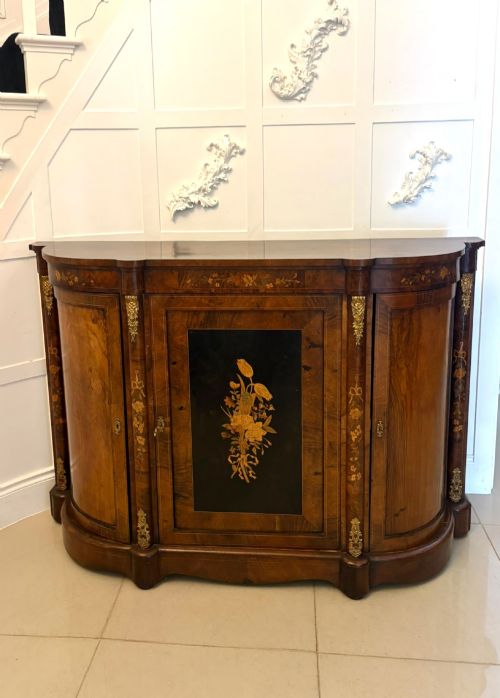
A nineteenth century display cabinet serves to showcase treasured objects while keeping them safe from dust and daily wear. These pieces take various forms, appearing as standalone display cabinets, combined bookcases, or side cabinets.
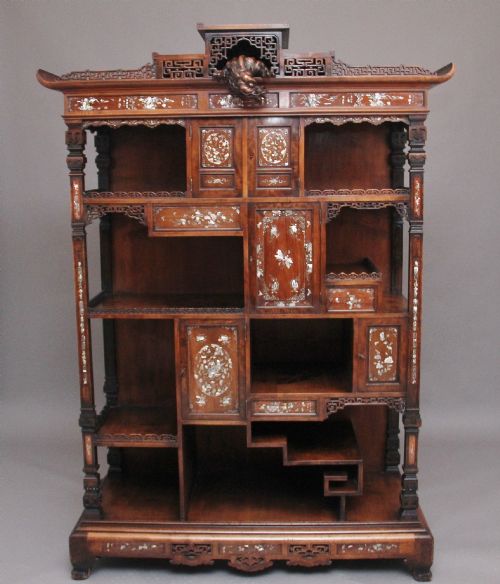
The Victorian period dominates the available selections alongside specific regional expressions. Pieces emerge from distinct movements including Biedermeier, Gothic Revival, and Japonisme.
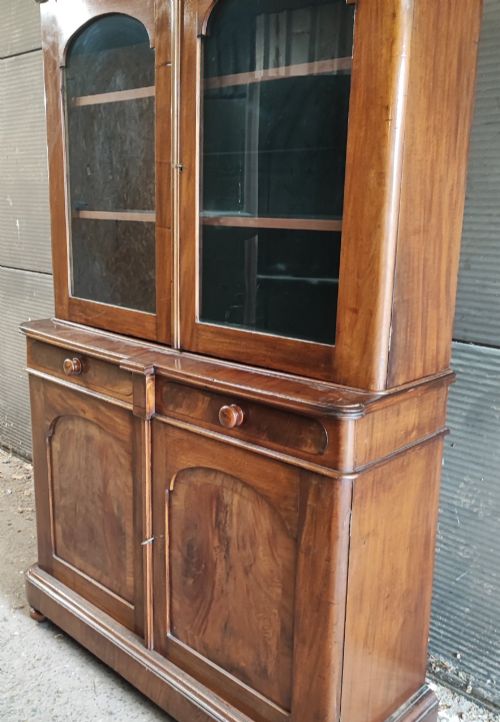
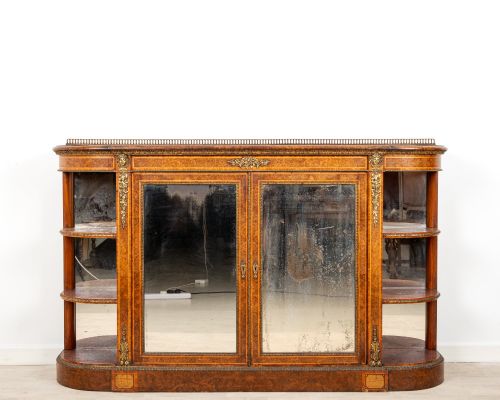
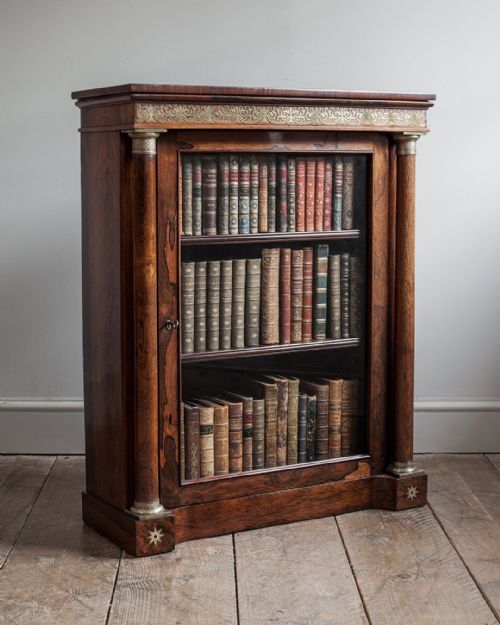
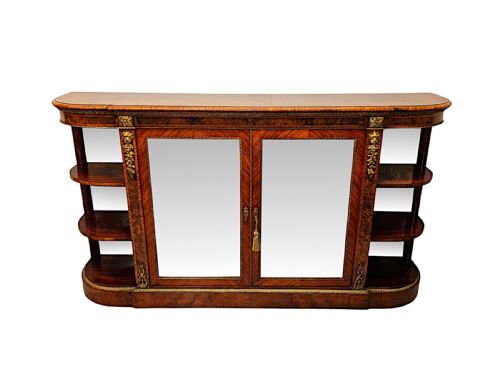
Makers utilised timber structures fitted with glass doors, open shelving, and occasionally mirrored backs. Some examples rest upon cupboard bases while others stand tall as bookcase combinations.
How They Were Made
Cabinet makers selected dense timbers such as rosewood, mahogany, padouk, and oak as the structural foundation. Skilled joiners constructed carcasses and fitted doors with glass panels to permit clear viewing of the interior.
Surface decoration involved intricate brass inlays, marquetry panels, and carved details. Workshops applied finishes that highlighted the natural grain of the wood, sometimes incorporating painted elements or bone accents.
Retail Price Guide 2026
Typical UK retail prices for nineteenth century display cabinet, calculated from the Sellingantiques database of over a million retail prices indexed since 2003. This retail price guide relies exclusively on Sellingantiques data; no external sources or auction records are used, so the figures do not describe the wider market.
Cabinets occasionally feature hidden compartments designed to guard secret journals from curious guests.
What Varies in Quality
Quality rests upon the selection of timber and the precision of the joinery. Superior examples display carefully chosen wood grains and complex decorative techniques like marquetry or brass inlay.
Attribution to notable makers elevates a piece, distinguishing standard workshop production from high-end cabinet making. The sophistication of stylistic details, from Gothic Revival motifs to Japonisme influences, dictates the overall refinement of the cabinet.
Collinson and Lock·Gabriel-Frederic Viardot·Gillows
The Nineteenth Century Display Cabinet Glossary
- Biedermeier
- A Central European style prioritising clean lines and domestic comfort over heavy ornamentation. This aesthetic appears in mid-nineteenth century furniture.
- Marquetry
- The art of applying small pieces of veneer to a structure to form decorative patterns. Craftsmen utilised various wood types to create pictorial scenes or geometric designs.
- Padouk
- A heavy tropical hardwood valued for its rich colour and durability. Cabinet makers utilised this timber in late nineteenth century pieces influenced by Japanese design.
- Rosewood
- A dense, dark timber featuring distinct grain patterns. This material found frequent use in high-status Victorian display cabinets.
- Secretaire
- A cabinet incorporating a writing drawer with a drop-down front. These hybrid forms combined desk space with display capabilities.
Frequently Asked Questions
What is a nineteenth century display cabinet?
A nineteenth century display cabinet is a piece of furniture designed with glass panels to exhibit precious items while protecting them.
These pieces reflect the shifting design movements of the Victorian era, ranging from simple rosewood constructions to elaborate Japonisme cabinets.
How were display cabinets used?
These cabinets functioned as domestic exhibition spaces for porcelain, curiosities, and valued books.
Owners placed them in reception rooms to signal cultural refinement and to safeguard delicate possessions.
How do I live with one?
Position the cabinet away from direct sunlight to protect fragile timber finishes and interior contents.
Ensure the floor is level so the doors swing evenly and close securely against the frame.
How do I tell styles apart?
Examine the decorative motifs and timber choices to identify the design influence. Gothic Revival pieces display pointed arches and heavy carving, while Japonisme cabinets feature exotic woods and asymmetrical details.
Biedermeier furniture relies on restrained geometric forms, whereas Victorian designs often incorporate rich rosewood and brass highlights.