

Oriental Style Cabinet
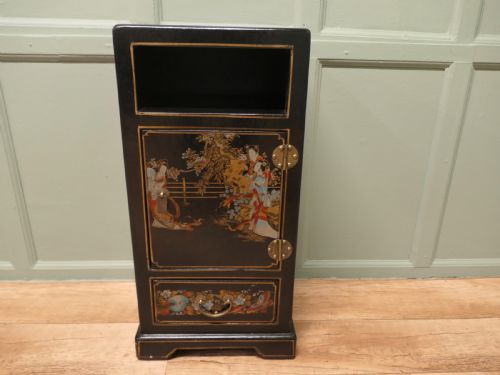
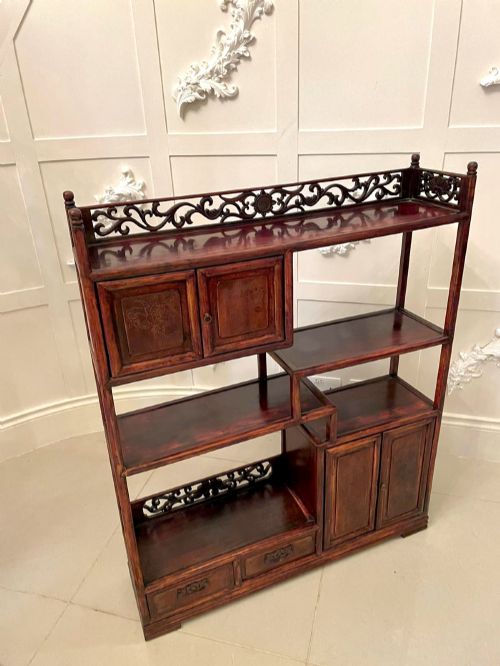
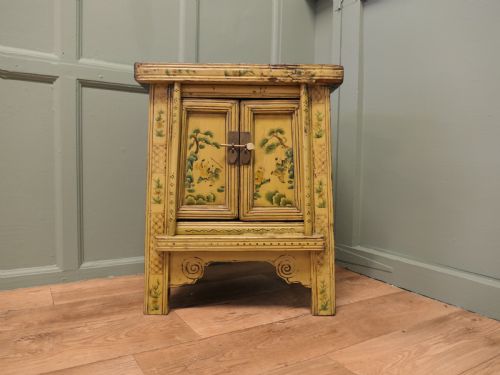
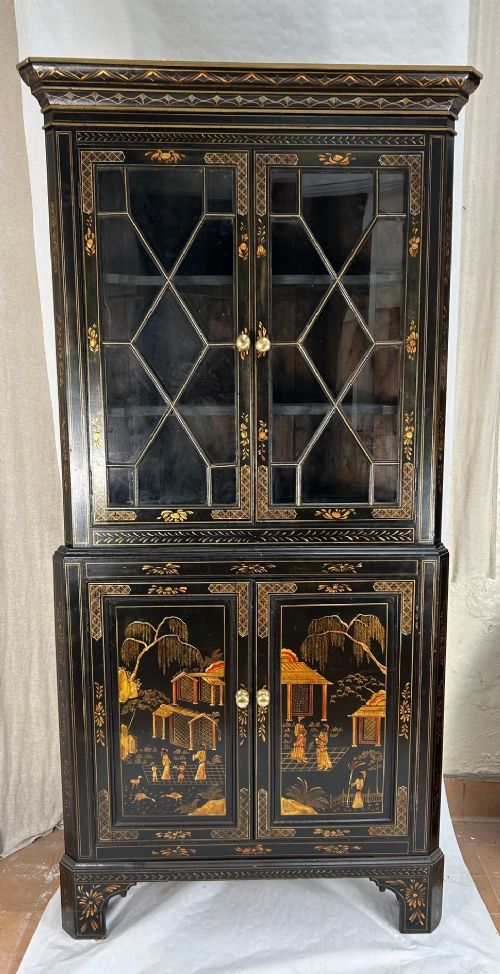
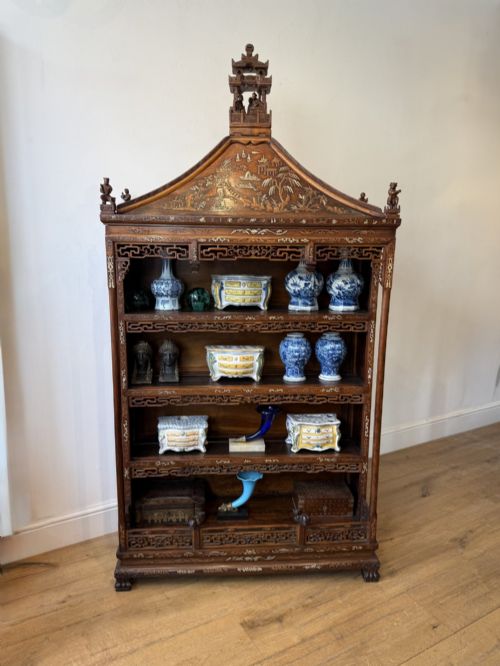
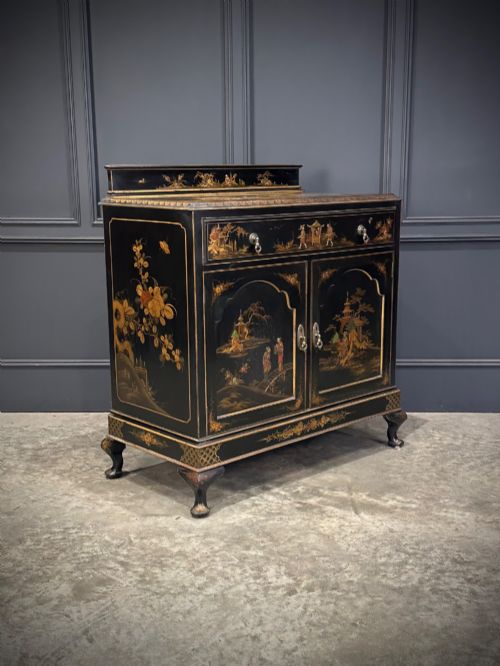
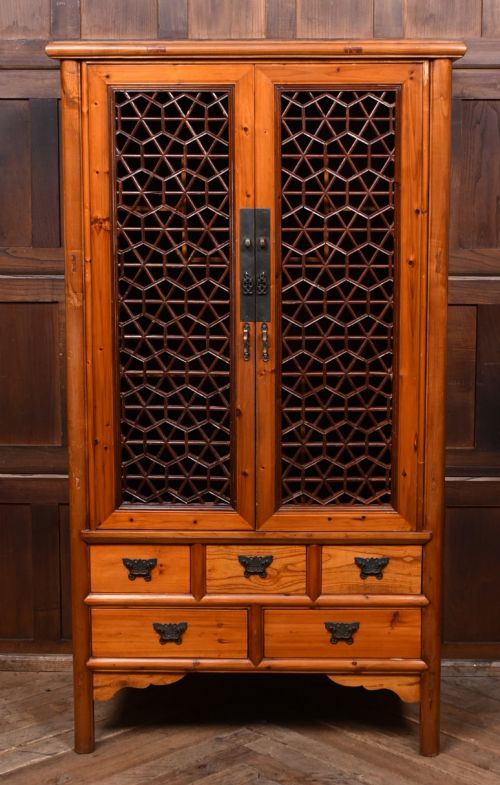
These oriental style cabinet examples bring decorative lacquer, exotic hardwoods and hand-painted motifs into rooms that need a strong focal point.
Oriental Style Cabinet
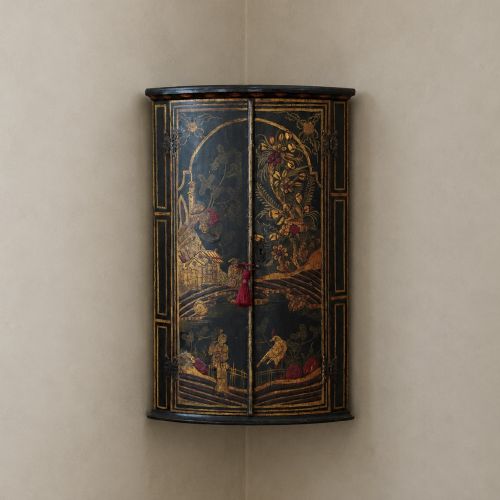
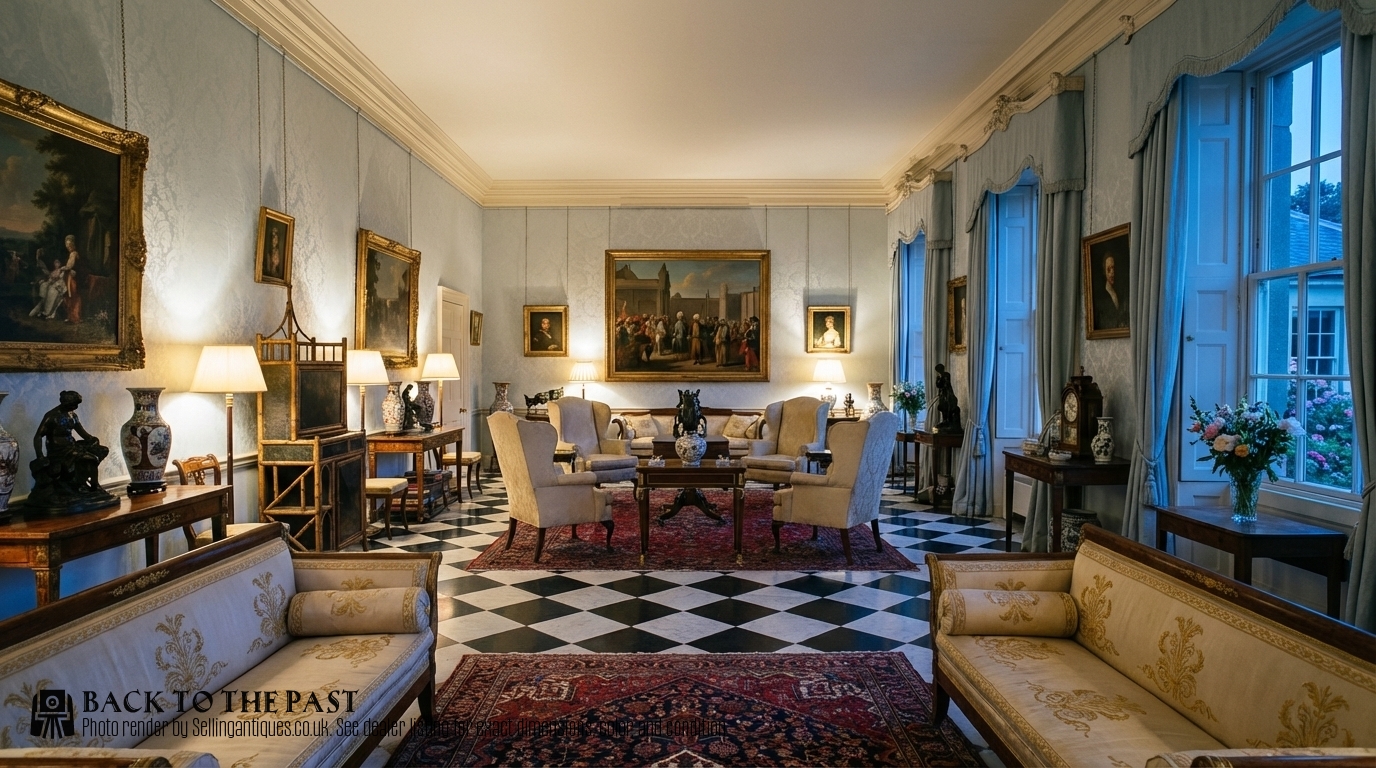
When you search for an oriental style cabinet, you encounter a varied selection of storage furniture drawing upon Asian design traditions. The pieces span several centuries, with particular concentration in the nineteenth and early twentieth centuries, encompassing Edwardian interpretations and earlier Georgian pieces.
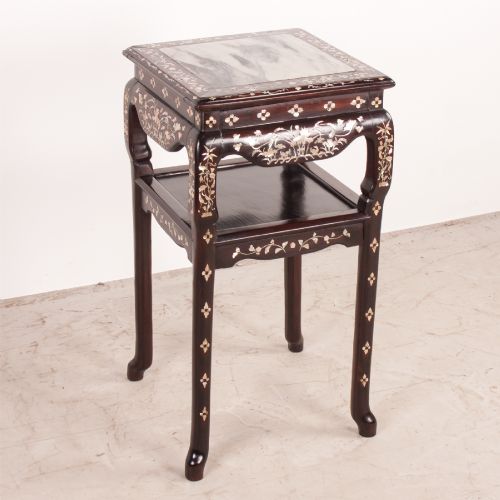
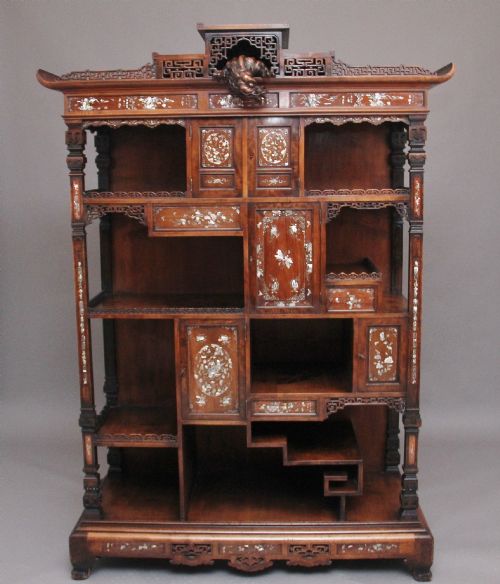
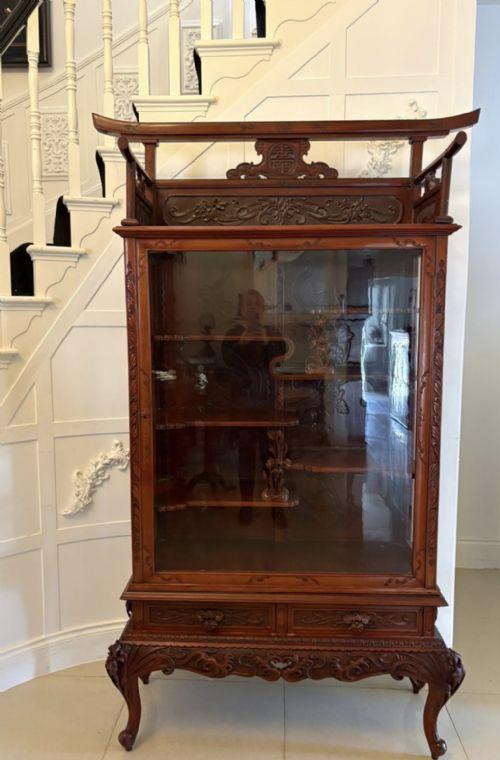
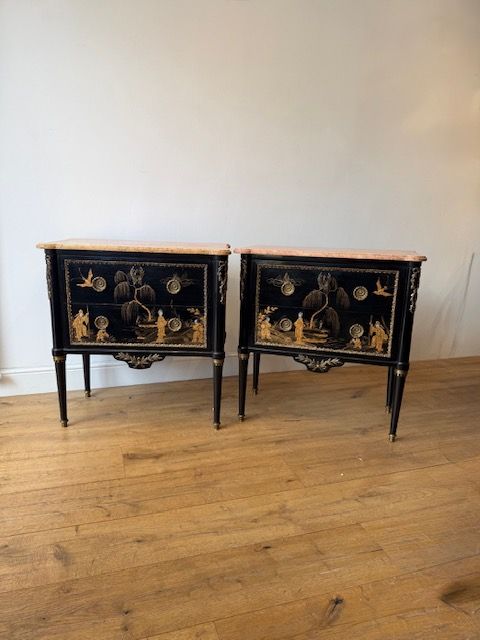
The assortment on this page includes corner cupboards, display cabinets, side cabinets and compact table cabinets. Makers and workshops from both European and Asian origins adapted traditional forms such as the shodona and marriage chest for Western interiors.
Materials and construction
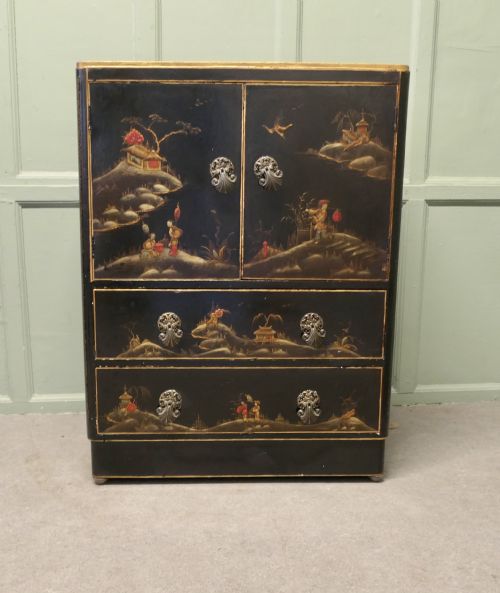
Makers utilised dense timbers such as hardwood, elm and bamboo as foundations for their work. These structural materials were frequently enhanced with intricate surface treatments including multi-layered lacquer, japanning, and hand-applied gold leaf.
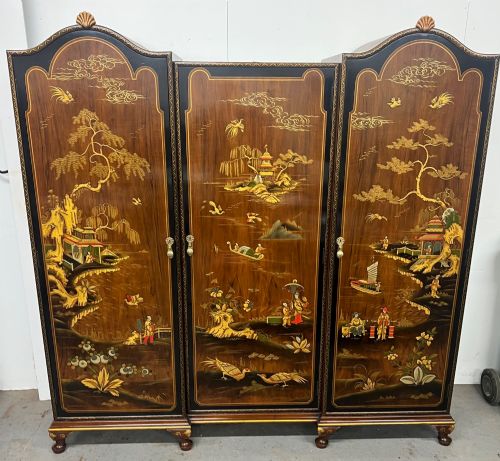
Decoration relied heavily on specialist detailing such as mother of pearl inlay, brass hardware and painted figural or avian scenes. Surfaces were polished or lacquered to achieve deep, reflective finishes that withstood domestic use.
Oriental Style Cabinet Retail Price Guide 2026
Typical asking prices for oriental style cabinet among the pieces listed under this phrase on Sellingantiques today, from the lower quarter to the upper quarter. They describe what is for sale here now, not the wider market.
The furniture styles span Chinoiserie, Japonisme, Aesthetic Movement and Qing design traditions across multiple centuries.
Judging the execution
Quality rests upon the depth of the finish and the precision of the decorative elements. Superior pieces display layered lacquer work with crisp detail, whereas simpler examples rely on basic painted motifs over flat surfaces.
The integration of decorative inlays and the stability of the underlying timber structure differentiate standard domestic furniture from finer workshop output. Original hardware and undisturbed surface patination elevate the standing of a piece.
Gabriel Viardot·Maples and Co
The Oriental Style Cabinet Glossary
- Chinoiserie
- European decorative style reflecting Chinese artistic influences, popular in furniture and interior design. It often employs painted lacquer scenes of figures, pavilions and landscapes.
- Japonisme
- Late nineteenth-century European interest in Japanese art and aesthetics. This movement shaped the design of exotic display furniture and decorative objects.
- Japanning
- European imitation of East Asian lacquerwork using heat-dried varnishes. The technique produced glossy black or coloured grounds decorated with raised metallic motifs.
- Shodona
- Japanese style of display cabinet featuring asymmetrical shelving and sliding doors. These pieces were adapted by Western makers during the nineteenth century.
- Mother of pearl
- Iridescent inner layer of mollusc shells used for inlay work. Craftsmen cut thin sections to form floral or geometric patterns set into wood surfaces.
Oriental Style Cabinet: Frequently Asked Questions
Where should I place an oriental style cabinet?
These cabinets work effectively in living rooms, dining spaces or hallways where their decorative surfaces can be appreciated. Corner cupboards fit unused angles, while display cabinets suit spaces intended for porcelain or small objects.
Keep them away from direct sunlight and heat sources to protect delicate lacquer and veneer finishes from drying out over time.
How do I distinguish Chinoiserie from Japonisme?
Chinoiserie draws upon Chinese motifs, featuring symmetrical pavilions, figures in landscapes and rich lacquer colours like red and black. It spans a longer historical period from the eighteenth century onward.
Japonisme reflects nineteenth-century fascination with Japanese design, often incorporating asymmetrical arrangements, bamboo elements and natural subjects like birds and flora.
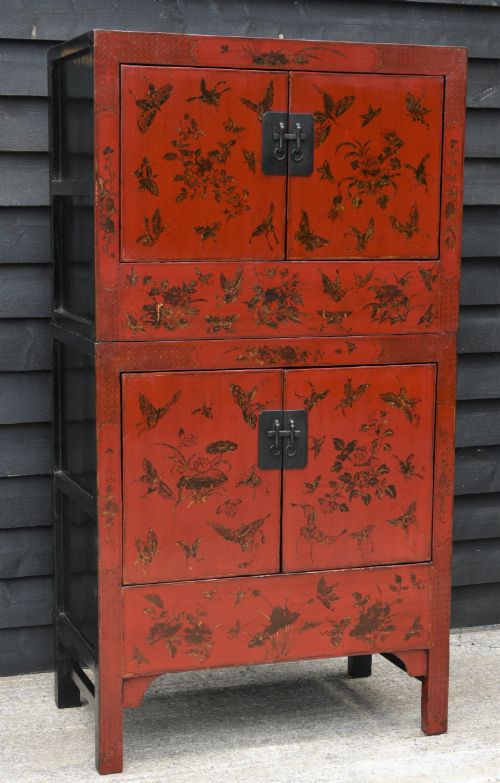
What is a marriage cabinet?
Marriage cabinets were traditional Chinese pieces given to newlyweds to store clothing and personal valuables. They often feature bold red lacquer and auspicious brass hardware.
Today these substantial cupboards serve as striking wardrobe storage or linen cupboards in modern bedrooms.
How do I care for lacquered furniture?
Dust surfaces regularly with a soft, dry cloth to prevent abrasive particles from scratching the glossy finish. Avoid using modern chemical polishes, as they can damage historic varnish.
Maintain a stable room humidity to prevent the underlying wood from expanding and causing the lacquer layers to crack.