


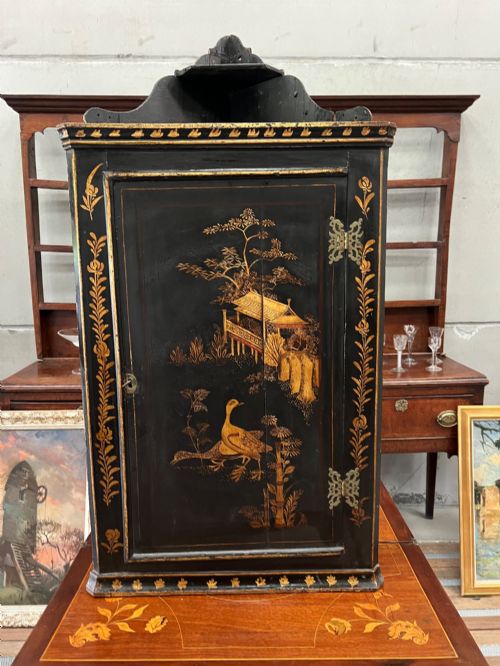
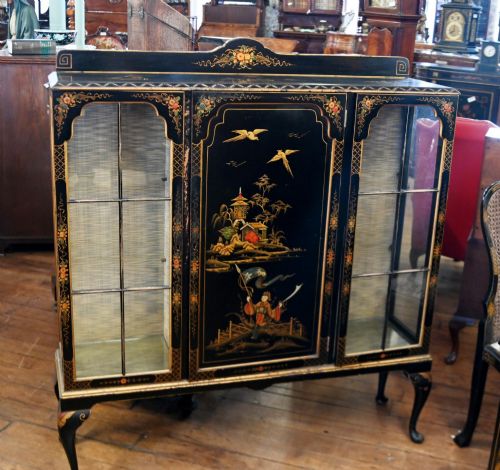
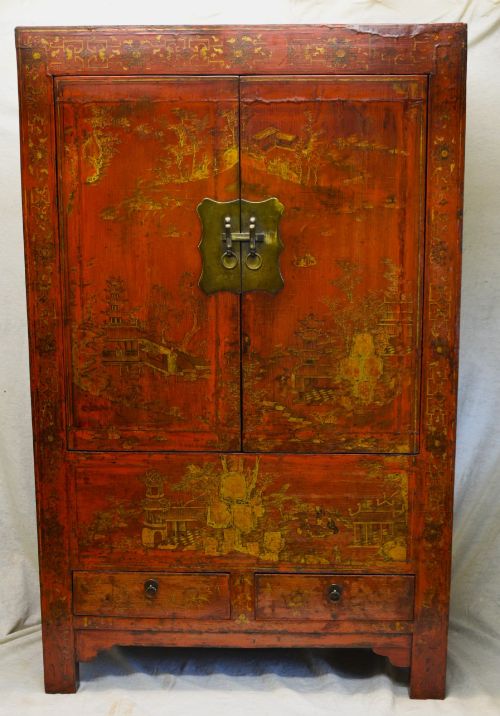
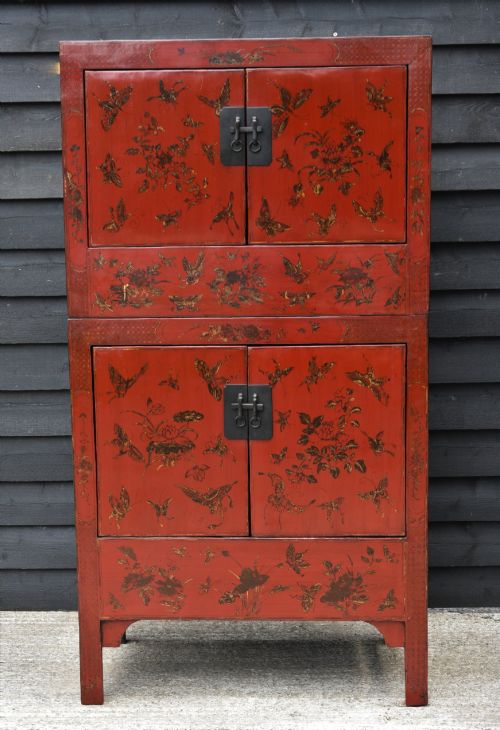
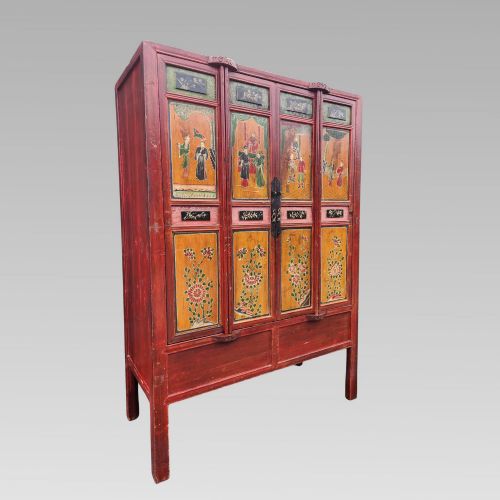
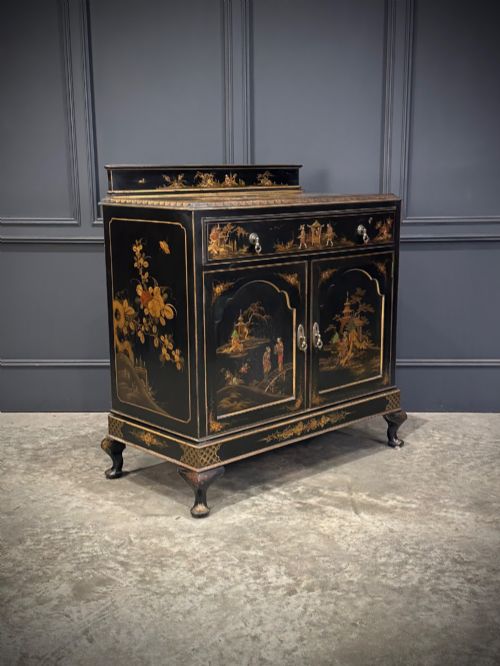

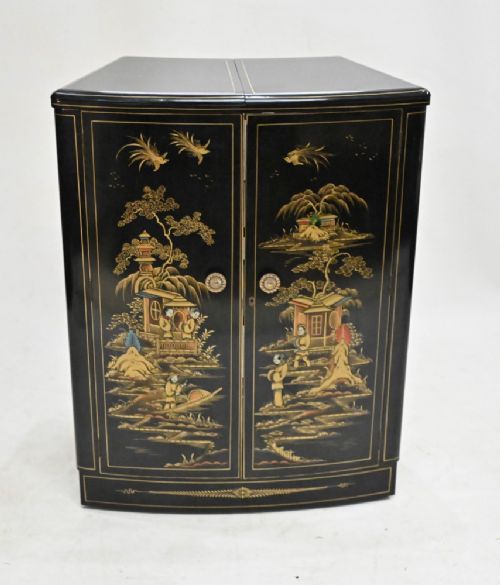


Hand Painted Lacquer Cabinet
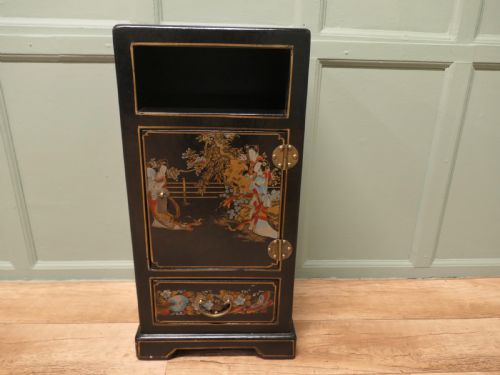
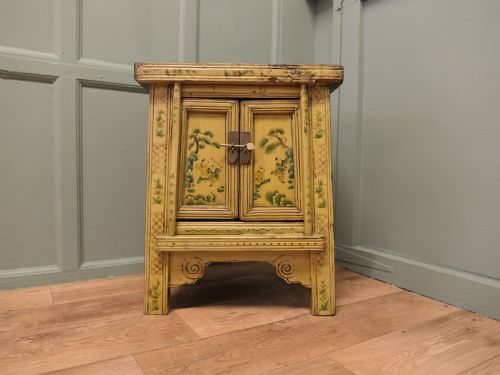
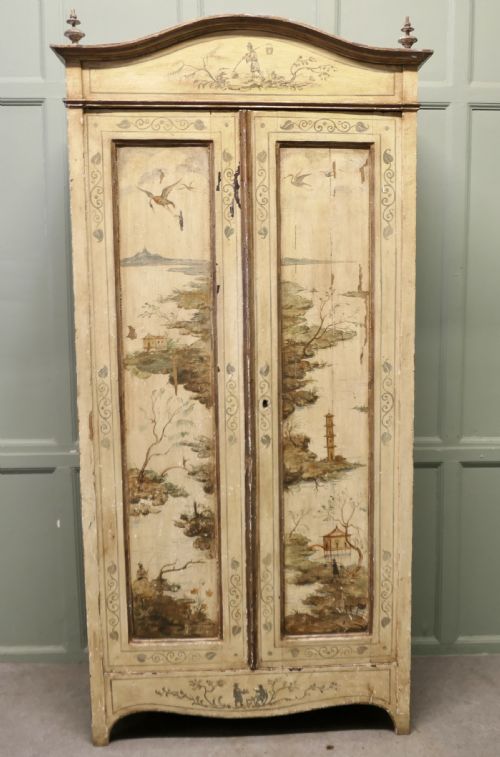
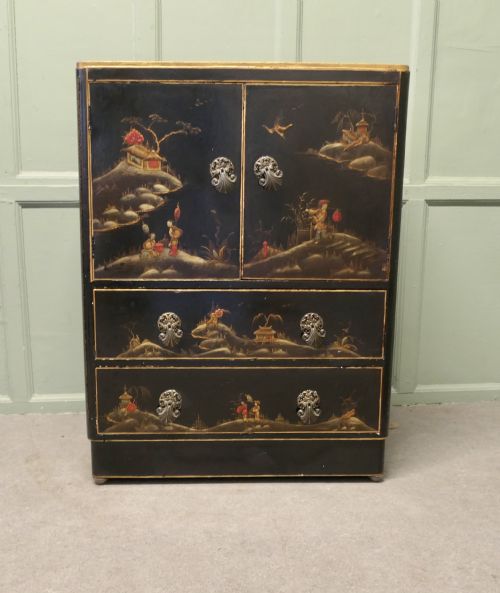
A hand painted lacquer cabinet brings narrative depth and rich colour to a room through traditional oriental and European Chinoiserie decoration.
Hand Painted Lacquer Cabinet
When you search for a hand painted lacquer cabinet, you encounter storage forms spanning the eighteenth century through to the Art Deco period. These pieces encompass wedding and marriage cabinets, drinks and cocktail cabinets, side cupboards, and corner units.
The most frequent examples on this page are Chinoiserie decorated cupboards and nineteenth century Chinese red or black lacquered storage cabinets. European interpretations include English Japanned chests, French Vernis Martin vitrines, and Italian cabinets.
Forms range from tall upright storage cupboards to low side cabinets, corner cupboards, and specialised cocktail cabinets on stands. Materials span lacquered wood, painted wood, brass, and gilt details.
How they were made
The fundamental construction relies on timber surfaces prepared for lacquer work, employing painted pigments and gilt to create detailed outdoor scenes and ornamental motifs. Brass hardware often provides functional hinges and locks.
Surfaces receive layers of lacquer in black, red, green, cream, or pale tones, upon which artisans apply hand painted pictorial details. European pieces utilise Japanning techniques to emulate Asian export lacquer.
Hand Painted Lacquer Cabinet Retail Price Guide 2026
Typical asking prices for hand painted lacquer cabinet among the pieces listed under this phrase on Sellingantiques today, from the lower quarter to the upper quarter. They describe what is for sale here now, not the wider market.
Listings span multiple centuries from the 18th Century through to Art Deco pieces from 1930, utilising lacquer, paint, gilt, brass, and wood.
What varies in quality
Quality rests in the crispness and complexity of the hand painted decoration, particularly the detail found within outdoor scenes and figurative Chinoiserie motifs. The depth of the lacquer surface and the integration of gilt work distinguish finer examples.
The integrity of the original surface finish relative to subsequent restoration dictates the standing of a piece. Substantial marriage and wedding cabinets demonstrate robust proportions and substantial timber construction.
Harrods
The Hand Painted Lacquer Cabinet Glossary
- Chinoiserie
- European decorative style reflecting Chinese artistic influences, popular in furniture decoration. This aesthetic dominates many of the painted lacquer cupboards and cabinets.
- Japanning
- European imitation of East Asian lacquer work developed during the seventeenth and eighteenth centuries. Artisans applied layers of varnish and paint to simulate oriental finishes.
- Lacquer
- Protective and decorative finish applied to wood surfaces derived from natural resin or specialised varnishes. It provides a smooth ground for painted and gilt ornamentation.
- Vitrine
- Glass fronted display cabinet designed for showing porcelain and decorative objects. Nineteenth century examples often incorporate painted or lacquered frames.
- Commode
- Low decorative chest of drawers or cabinet originating in France. Eighteenth century North European pieces appear alongside British and Asian forms.
Hand Painted Lacquer Cabinet: Frequently Asked Questions
What is a hand painted lacquer cabinet?
A hand painted lacquer cabinet is a storage piece finished with lacquer and decorated by hand with painted or gilt scenes. These items range from Chinese wedding cabinets to European Chinoiserie cupboards.
They serve as focal storage points in living spaces, hallways, and dining rooms, offering both shelving capacity and decorative presence.
How do I date a lacquer cabinet?
Dating relies on examining the construction methods, timber types, and stylistic indicators such as Art Deco lines or eighteenth century proportions. Chinoiserie motifs and Japanning techniques also reflect the period of manufacture.
Cabinet hardware, hinges, and the natural ageing of the lacquer surface provide further clues to chronological origin.
Where were these cabinets made?
Origin points span across Asia and Europe, including traditional Chinese workshops, Korean makers, and European centres producing Chinoiserie and Japanned furniture. Regional styles range from Qing Dynasty designs to Italian and English interpretations.
Export pieces made in Asia for Western markets combine local woodworking traditions with European form requirements.
How do I care for lacquer furniture?
Lacquer surfaces require protection from direct sunlight and extreme humidity fluctuations to prevent cracking or fading. Dusting should be performed gently with a soft, dry cloth.
Avoid chemical polishes and abrasive cleaners that can damage the delicate hand painted details and gilt highlights.