
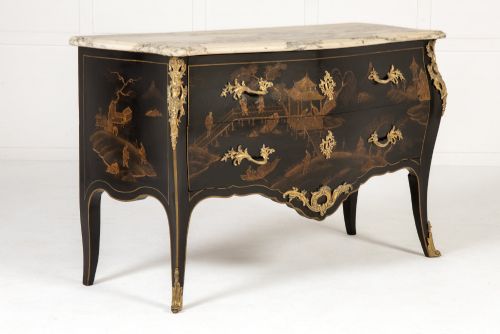


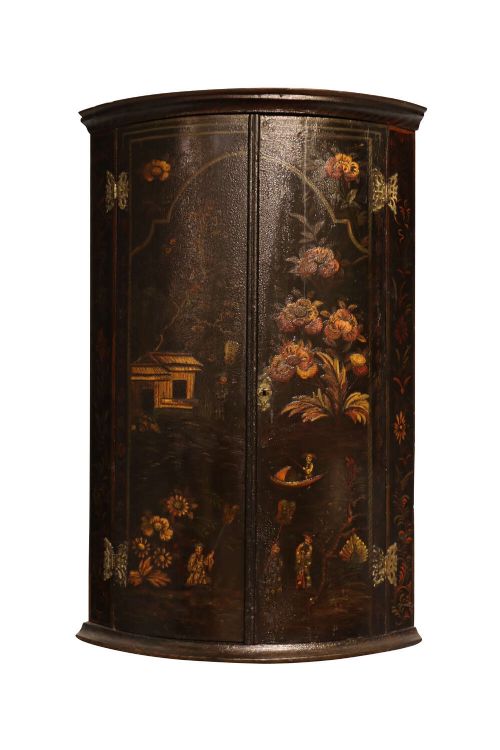
Antique Japanned Cabinet
An antique japanned cabinet brings bold lacquerwork and intricate Chinoiserie decoration into a room, offering both history and storage.
Antique Japanned Cabinet
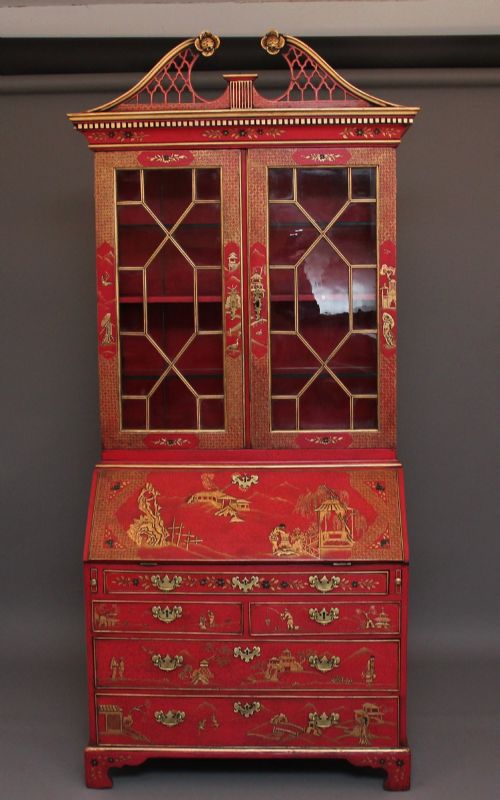
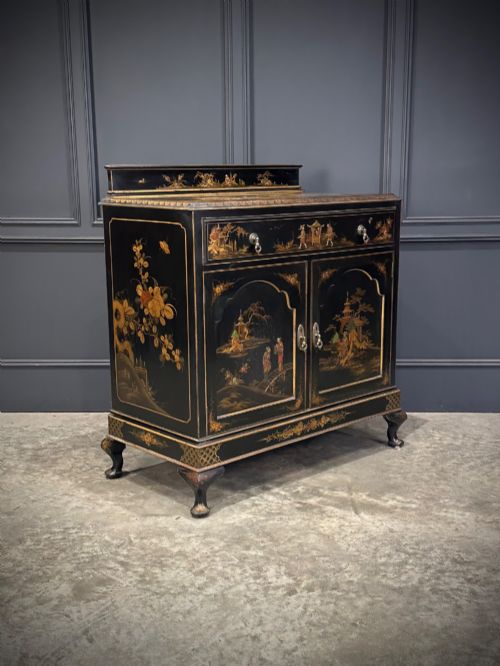
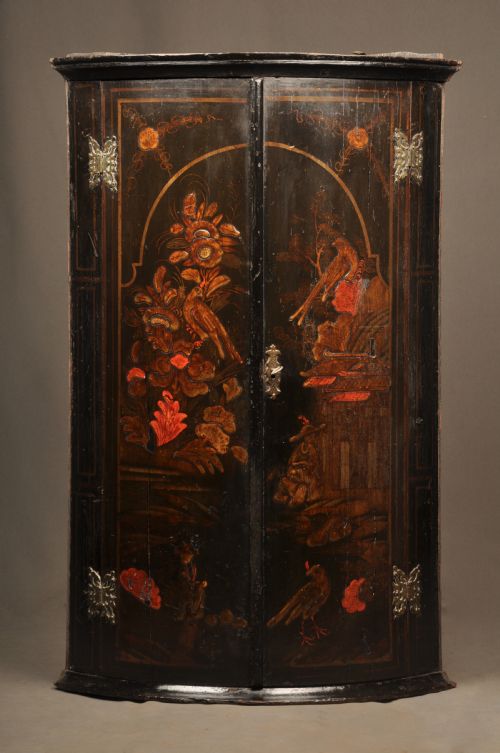
When searching for an antique japanned cabinet, buyers encounter a range of forms including corner cabinets, side cabinets, bureau bookcases, and cabinets on stands. These pieces span centuries from the 17th century through the Georgian and Victorian eras into the 1920s and 1930s Art Deco period.
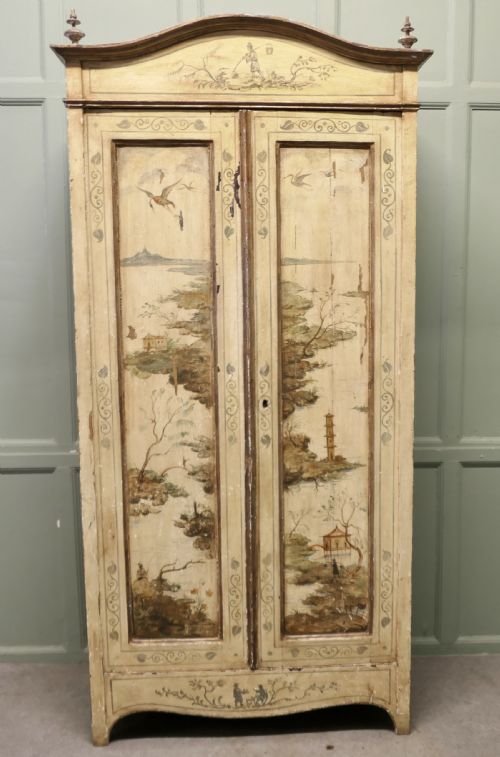
The most common examples on this page mix European cabinet-making forms with imitation Asian lacquer techniques. They appear in black, red, green, and pale cream ground colours, often decorated with outdoor scenes, birds, and flowers.
Originating in emulation of imported East Asian screens and panels, European craftsmen developed japanning to satisfy a strong demand for orientalised surfaces. These pieces function today as striking focal points in traditional and eclectic interiors alike.
How they were made
Construction relies on timber foundations such as pine or other woods, prepared to receive multiple layers of lacquer. Artisans built up relief decoration using gesso before applying metallic leaf and fine paintwork.
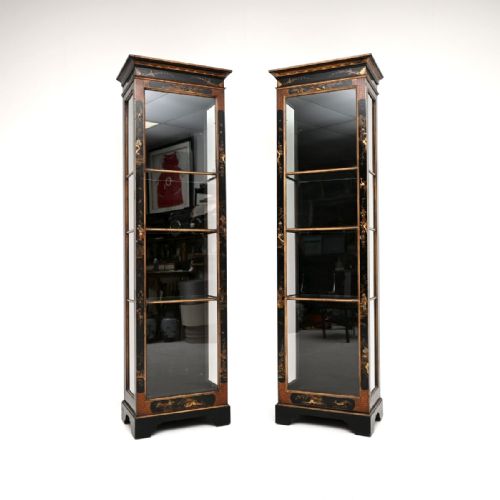
Hardware frequently includes brass escutcheons, hinges, and handles which contrast against the dark or brightly coloured japanned surfaces. Some pieces incorporate glass panels in doors or shelves to display contents.
Antique Japanned Cabinet Retail Price Guide 2026
Typical asking prices for japanned cabinet among the pieces listed under this phrase on Sellingantiques today, from the lower quarter to the upper quarter. They describe what is for sale here now, not the wider market.
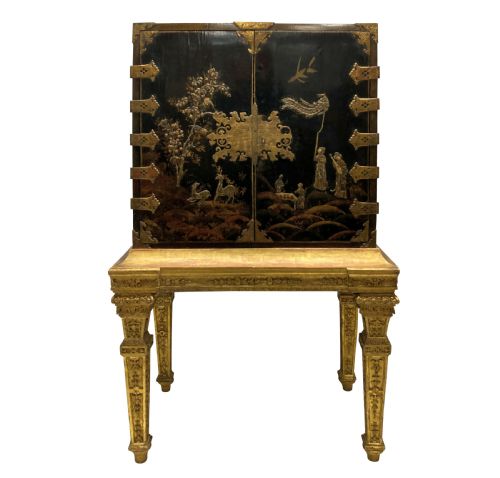
A travelling bureau on a table from the early 18th century proves that past owners insisted on writing letters in proper style whilst on the move.
What varies in quality
Quality rests heavily on the depth and finesse of the japanning and the intricacy of the painted or raised Chinoiserie details. Earlier examples from the 17th and 18th centuries often display more meticulous hand-drawn motifs compared to later revivals.
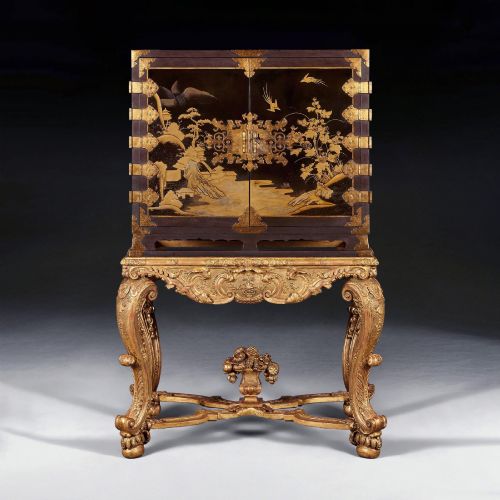
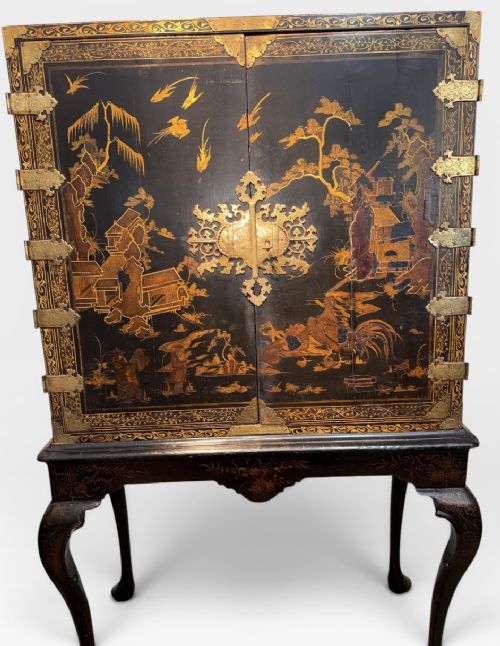
The underlying cabinet-making integrity also defines the piece, from the proportion of a bureau bookcase to the stability of a cabinet on a stand. Original stands, whether French giltwood or matching japanned frames, elevate the stature of the work.
Maison Krieger
The Antique Japanned Cabinet Glossary
- Japanning
- European imitation of East Asian lacquerwork, created by applying layers of varnish and hardening them to form a durable glossy surface. It is characteristic of decorative furniture from the 17th century onwards.
- Chinoiserie
- European artistic style reflecting Chinese and East Asian motifs, prevalent in furniture decoration and painting. This style heavily influences the scenes of figures, landscapes, and flora found on japanned surfaces.
- Bureau bookcase
- A writing desk with a sloping flap, combined with a bookcase or display cabinet section above. These dual-purpose items offer concealed storage alongside upper shelving.
- Cabinet on stand
- A cabinet designed to sit upon a separate supporting table frame or stand with legs. This form raises the main storage compartment to eye level.
- Gesso
- A plaster-like mixture applied to wood surfaces as a base for paint and gilding. Artisans use it to build up raised low-relief details before applying gold leaf or lacquer.
Antique Japanned Cabinet: Frequently Asked Questions
What is an antique japanned cabinet?
An antique japanned cabinet is a storage piece finished with European lacquerwork that imitates Asian export wares. They typically feature raised motifs and painted scenes in the Chinoiserie style.
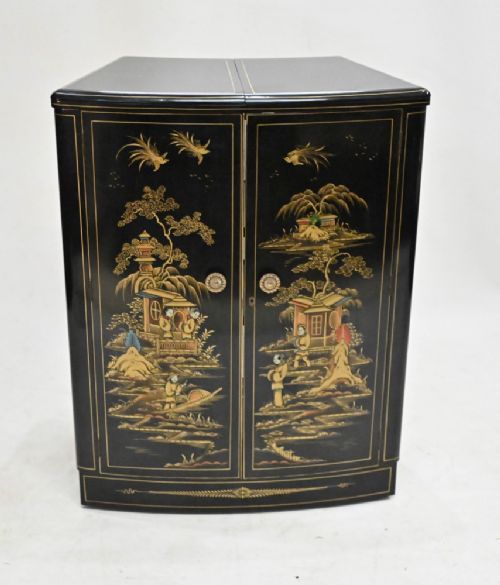
These pieces range from tall bureau bookcases and corner cupboards to small table cabinets and cocktail cabinets from the Art Deco era.
How do I date an antique japanned cabinet?
Dating relies on examining the construction methods of the underlying wood, the style of the hardware, and the characteristics of the lacquerwork. 17th and 18th-century pieces often feature distinct hand-carved stands and specific cabinet proportions.
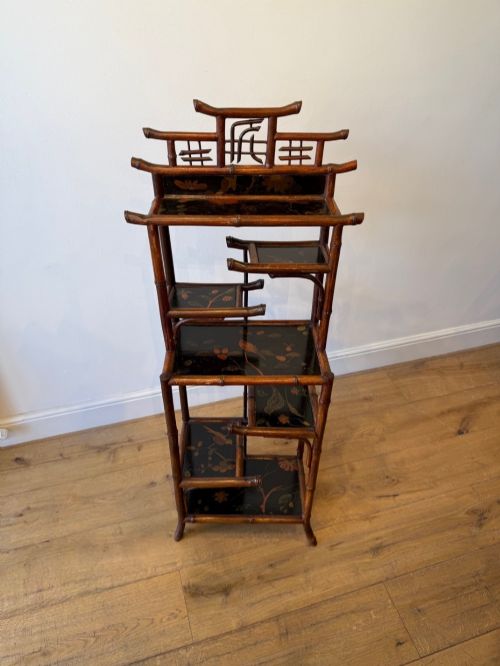
Later Victorian, Edwardian, and 1920s examples show stylistic shifts, including lighter bamboo structures, pale cream colourways, or modernist cocktail cabinet layouts.
Where should I place a japanned cabinet at home?
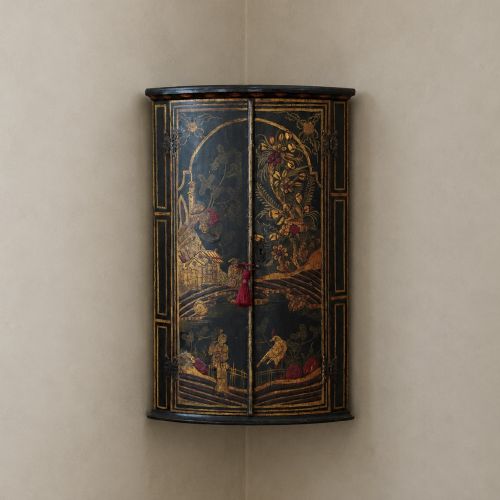
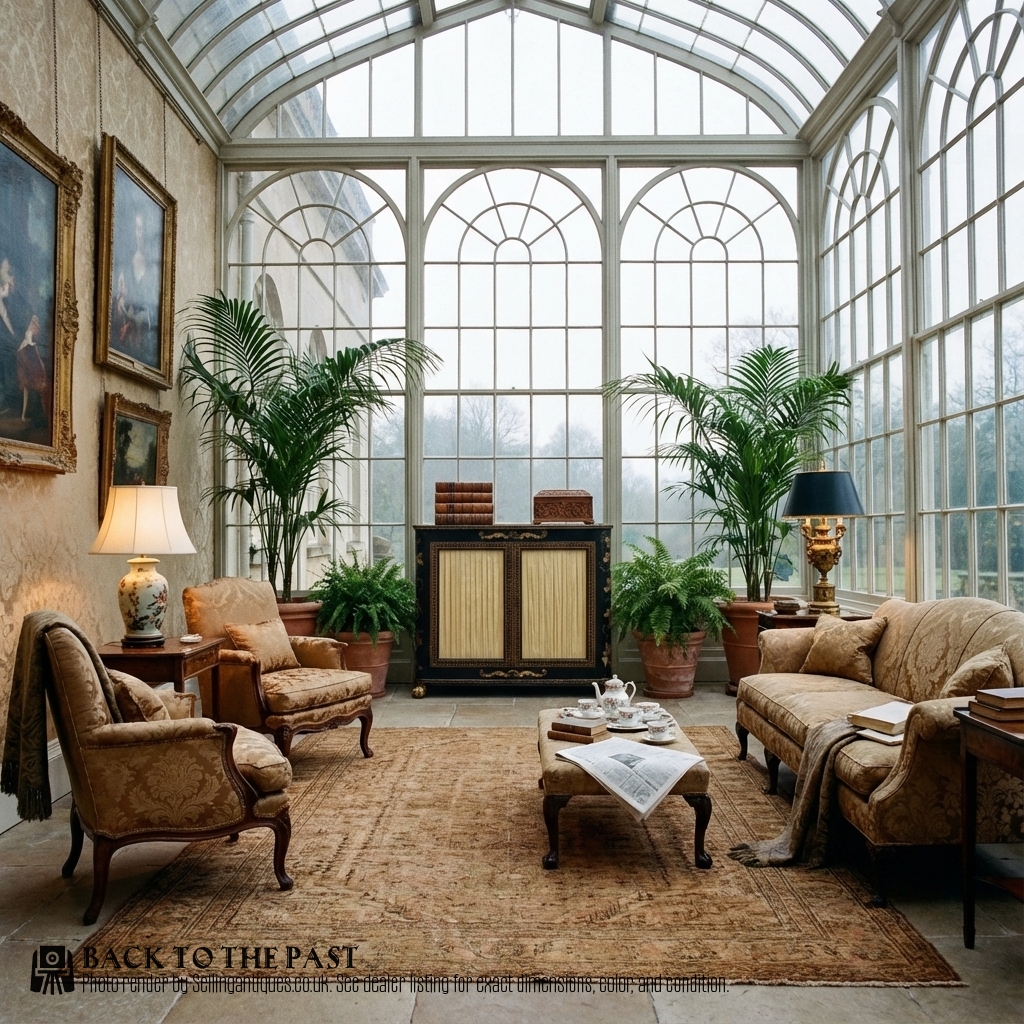
Because of their decorative surfaces and pictorial scenes, these cabinets suit placement as standalone focal points in reception rooms, halls, or dining spaces. Corner cupboards make efficient use of unutilised wall junctions.
Smaller items like table cabinets or hanging key cupboards sit well on sideboards, desks, or mounted securely to walls.
How do I care for japanned furniture?
Care involves keeping the piece away from direct sunlight and maintaining stable indoor humidity to protect the wooden substrate and lacquer layers. Gentle dusting with a soft, dry cloth prevents the accumulation of dirt on the delicate painted surfaces.
Avoid using harsh chemical polishes or water, which can damage the aged varnish and delicate metallic leaf details.