
Antique Regency Cabinet
When you search for an antique regency cabinet, you encounter refined timber storage furniture designed for formal sitting rooms and libraries.
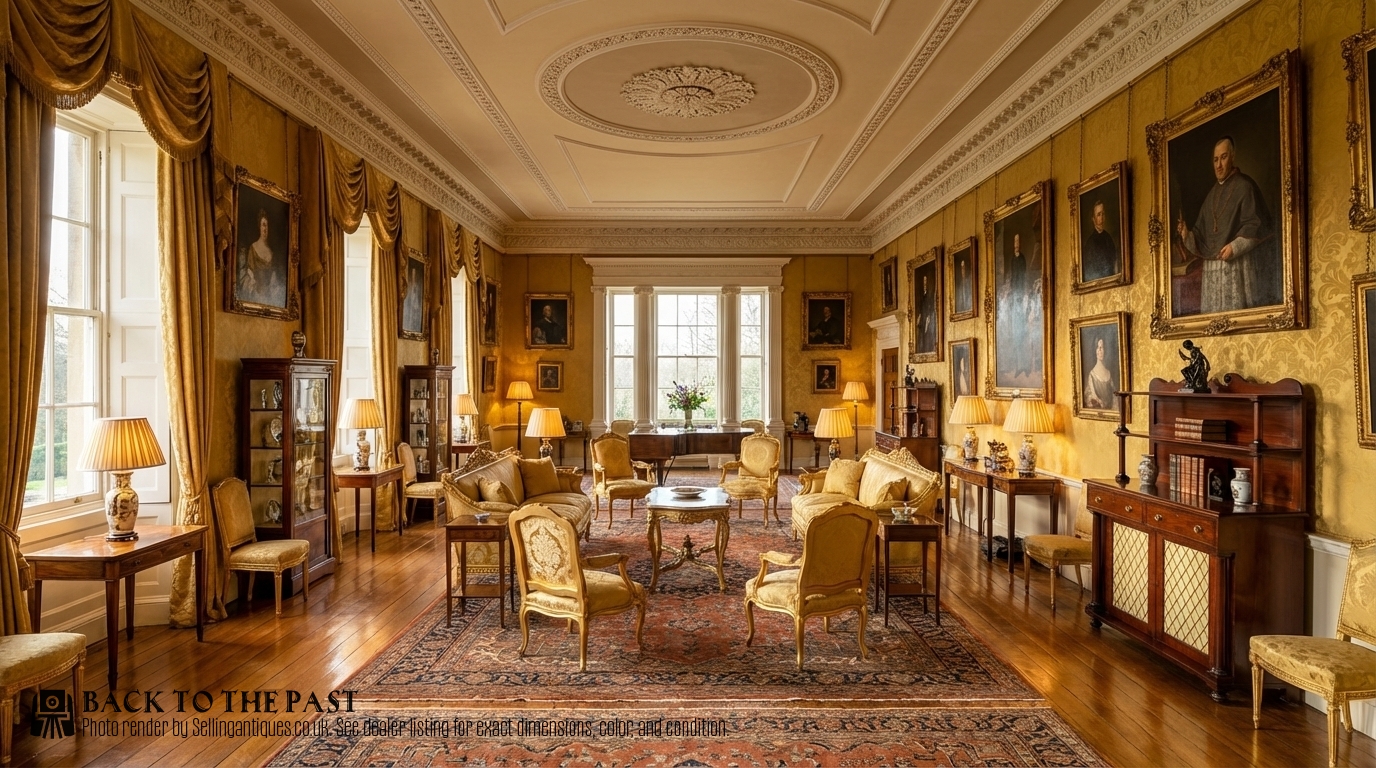
Antique Regency Cabinet
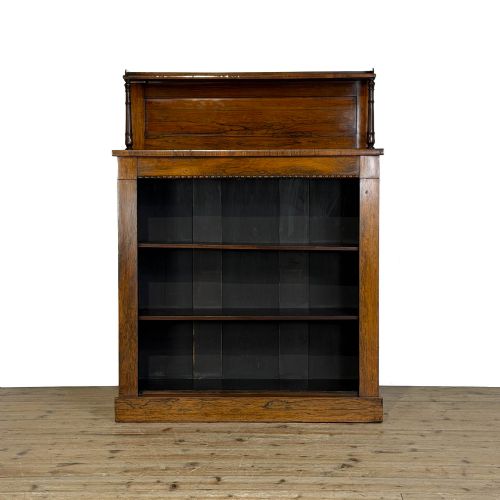
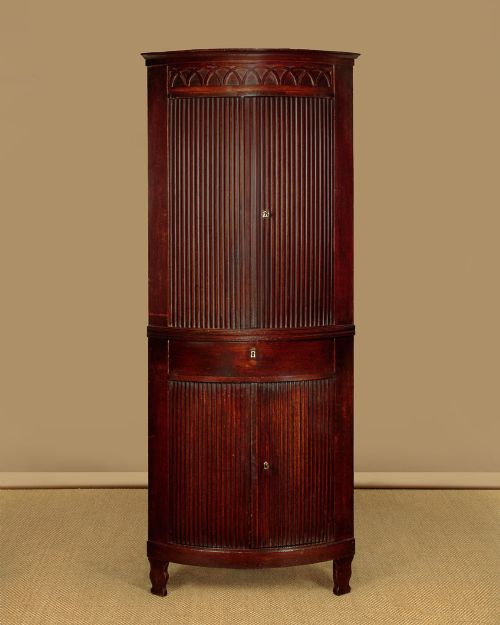
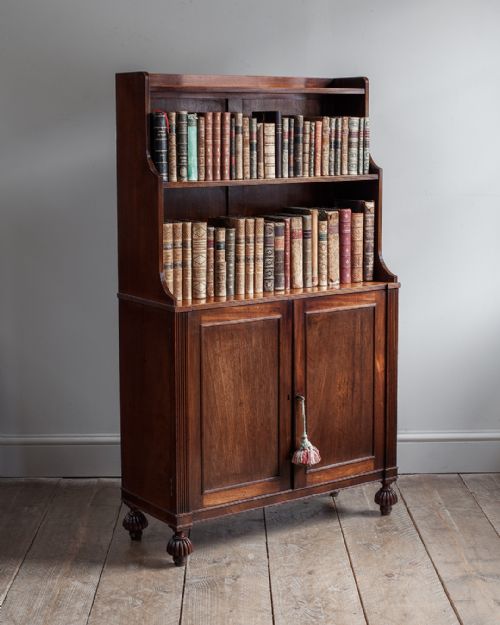
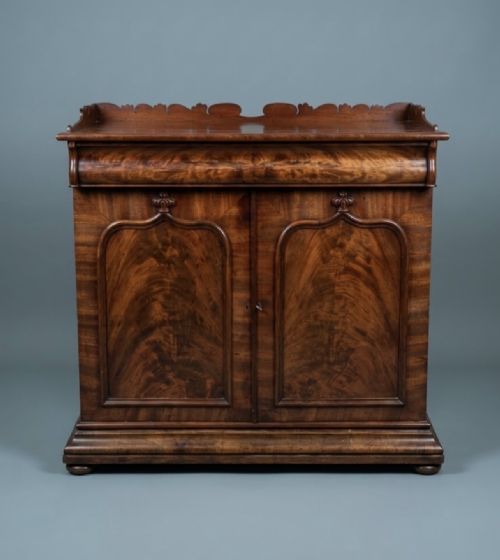
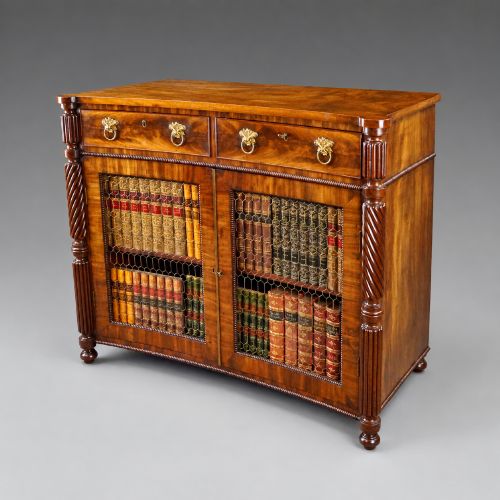
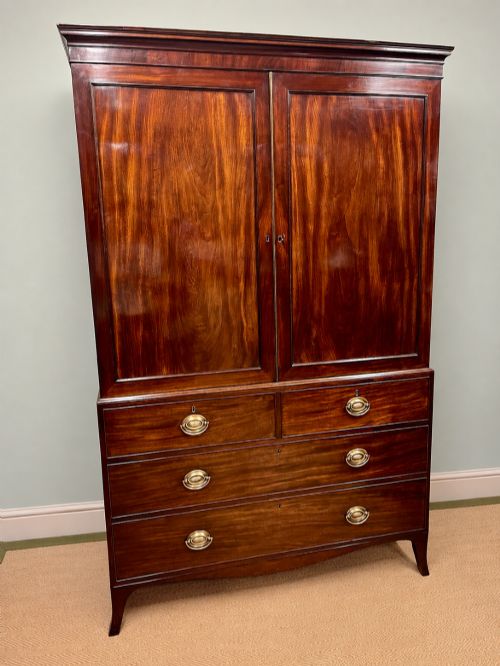
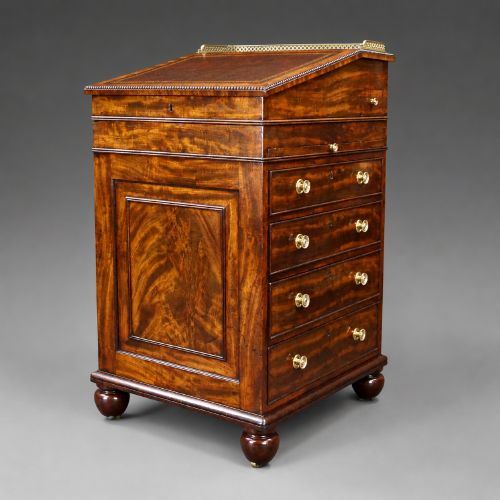
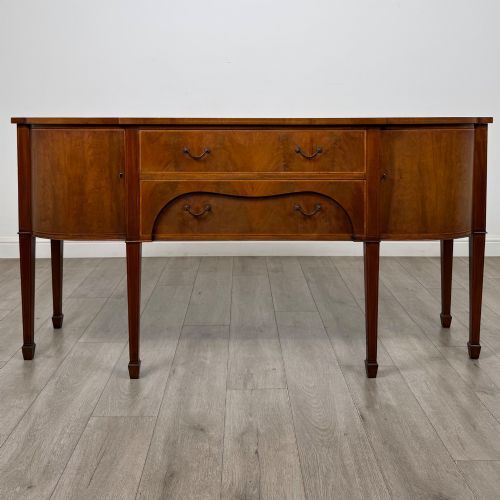
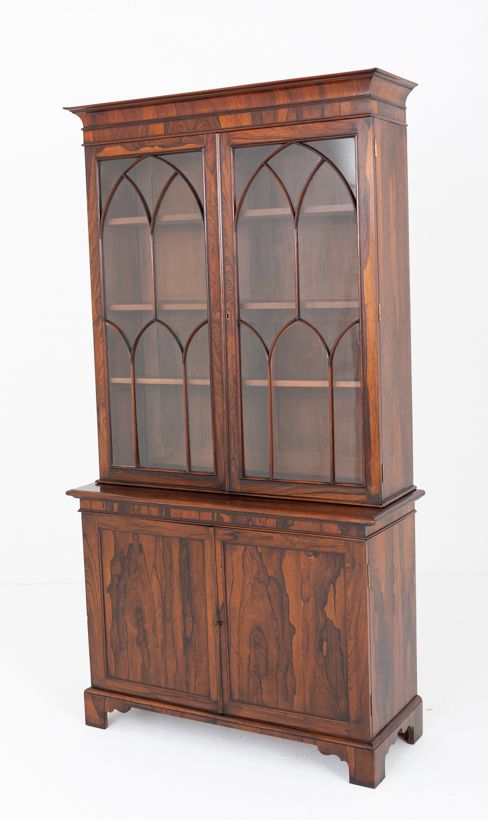
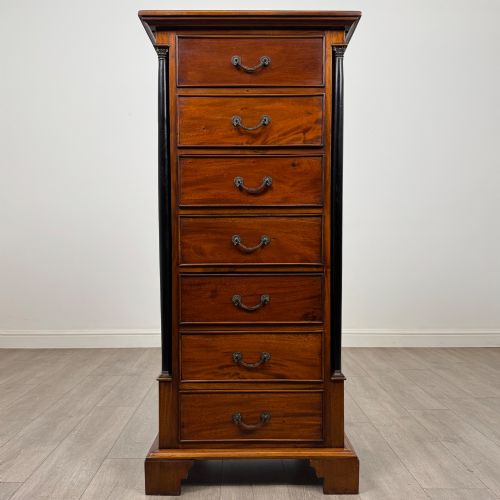
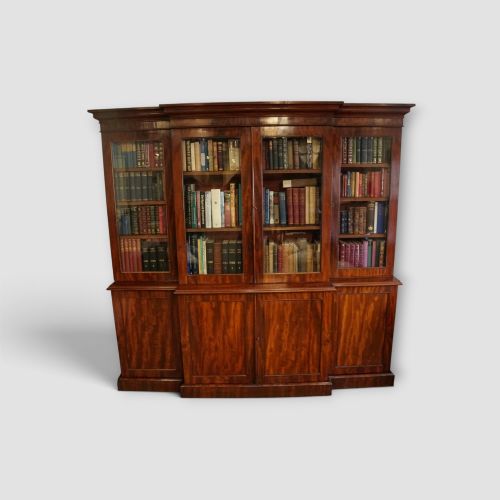
The antique regency cabinet search phrase encompasses a diverse group of storage furniture originating primarily from the nineteenth century, alongside later revivals. Buyers encounter side cabinets, chiffoniers, bookcases, and secretaire variants designed to store books, china, and linens.
The dominant material on this page is mahogany, often figured with flame patterns, accompanied by rosewood, pollard oak, and walnut. Forms range from compact bedside units and table-top display cases to large breakfront libraries and corner cupboards.
Pieces frequently display stylistic overlaps with William IV and Georgian eras, alongside specific Regency and Scottish Regency traits. Makers such as Gillows and Lambs of Manchester appear in the records alongside unsigned workshop output.
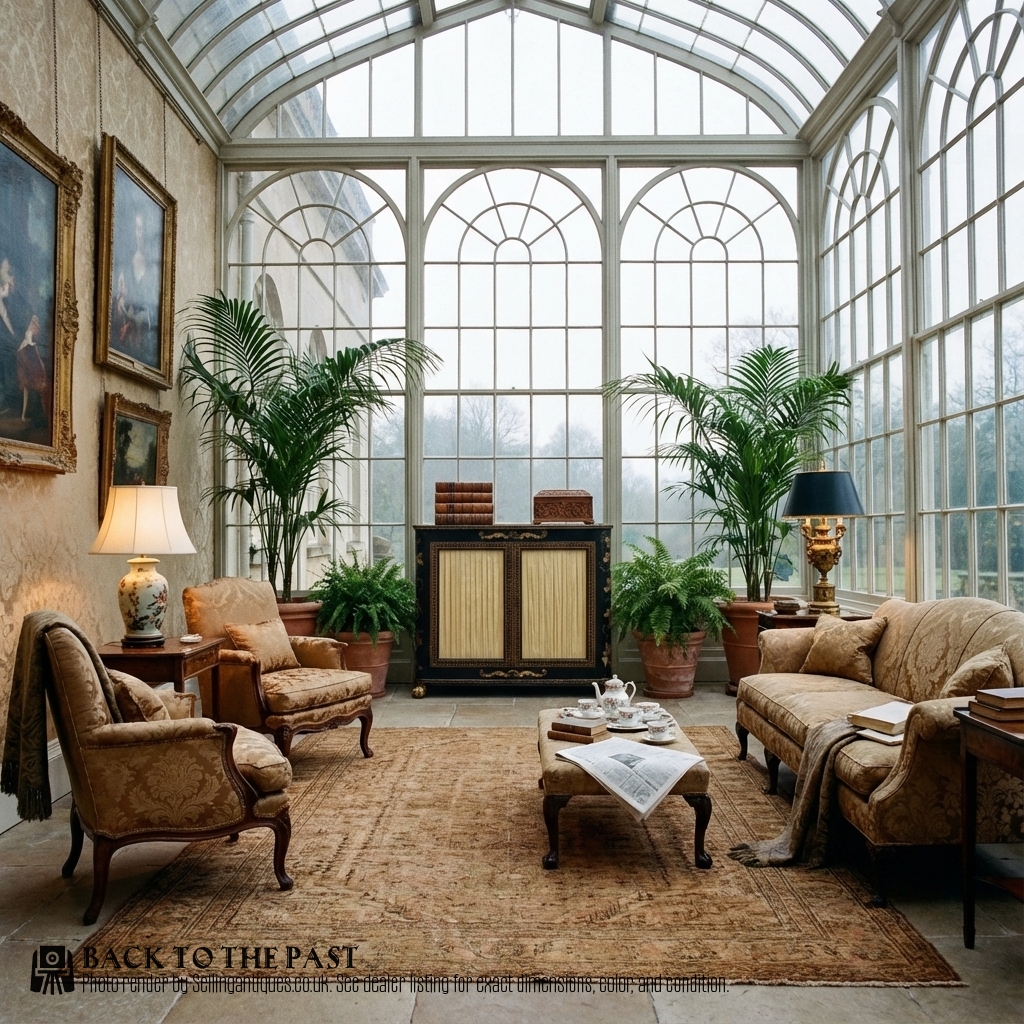
How they were made
Cabinet makers utilised dense native and imported timbers, selecting figured mahogany and rosewood veneers to cover primary carcases. Flame mahogany and pollard oak grain patterns received careful book-matching across drawer fronts and doors.
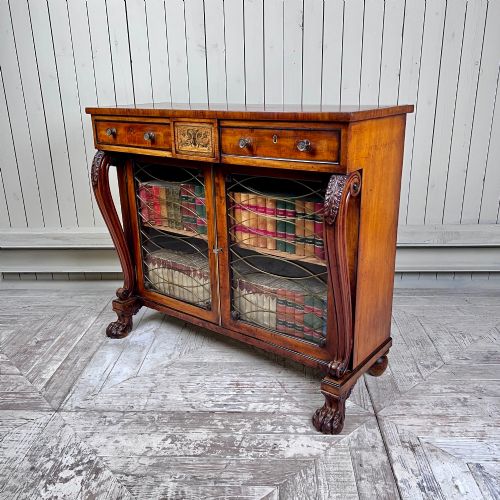
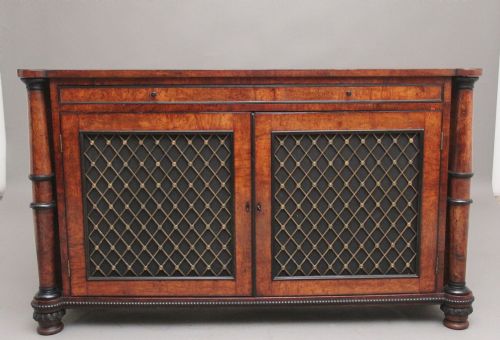
Inlay work incorporated contrasting woods such as ebony, boxwood, and satinwood alongside cast brass mounts and fine grille work for glazed doors. Surface finishes relied on hand-applied polish that brought out the natural depth and colour of the timber.
Antique Regency Cabinet Retail Price Guide 2026
Typical asking prices for regency cabinet among the pieces listed under this phrase on Sellingantiques today, from the lower quarter to the upper quarter. They describe what is for sale here now, not the wider market.
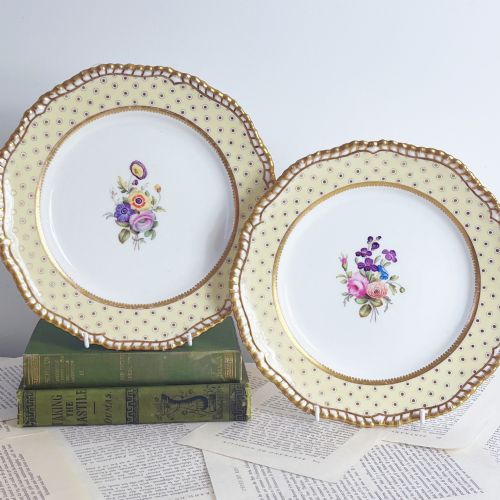
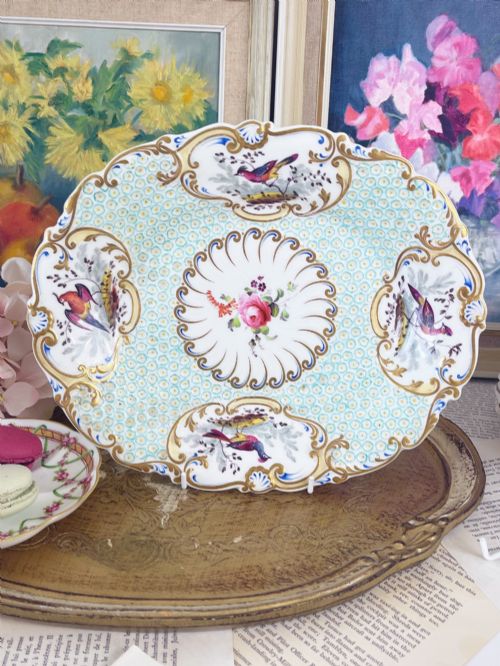
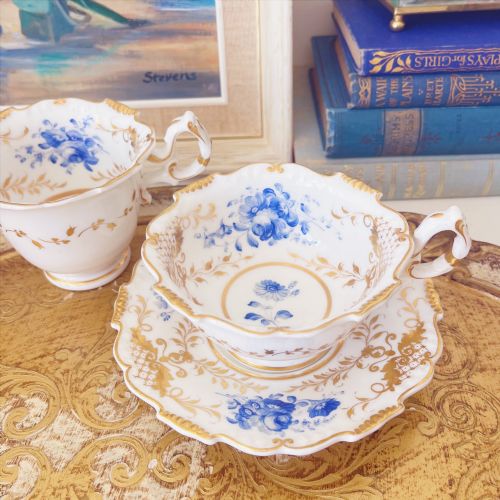
Listings feature eighteenth and nineteenth-century periods, alongside twentieth-century revivals, utilising mahogany, rosewood, brass, and porcelain.
What varies in quality
Quality depends heavily on the selection of timber veneers and the precision of the underlying joinery. Superior examples exhibit continuous grain patterns across multiple drawers and doors, indicating careful timber preparation.
Hardware and secondary decorative elements reveal distinctions between workshop tiers. Finely cast brass inlays, robust lion paw feet, and well-executed interior fittings separate high-end commissions from standard commercial output.
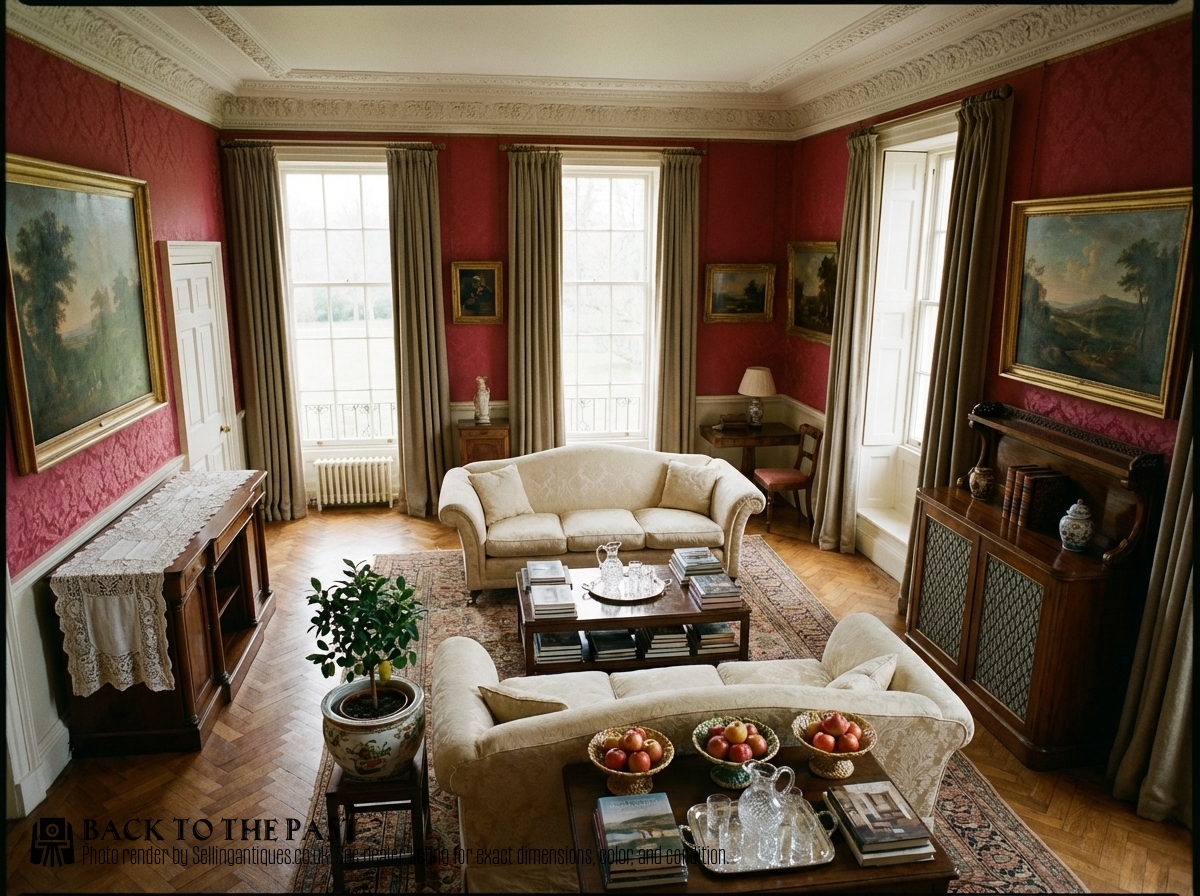
Gillows·H & R Daniel·Lambs of Manchester·Wedgwood
The Antique Regency Cabinet Glossary
- Chiffonier
- A low cabinet featuring a two-door cupboard base, often surmounted by a shelf or small superstructure supported on pillars. These pieces emerged as popular drawing-room furniture during the early nineteenth century.
- Secretaire
- A cabinet or bookcase incorporating a pull-down writing drawer fitted with small drawers and pigeonholes. This hybrid form combined a library desk with concealed document storage.
- Astragal glazed
- A method of dividing glass door panels into smaller panes using narrow moulded wooden bars. These delicate frameworks define formal display furniture of the period.
- Flame mahogany
- A veneer figure resembling flickering flames, harvested from the fork of the mahogany tree where branches join the trunk. Cabinet makers reserved this highly decorative timber for prominent drawer fronts and door panels.
Antique Regency Cabinet: Frequently Asked Questions
How were antique regency cabinets used?
These pieces served practical storage functions in formal rooms, holding books, porcelain tea services, and household linens. Many incorporated specialised writing compartments or display shelves for valued collections.
Over time, their roles shifted as domestic interiors changed, turning working furniture into decorative display items for living spaces and studies.
How do you date an antique cabinet?
Dating relies on observing timber choices, construction techniques, hardware, and stylistic details recorded across the piece. Characteristics such as brass inlay, astragal glazing bars, and specific foot designs align with the early nineteenth century.
Comparing secondary woods and internal drawer construction helps distinguish original Regency period manufacture from later Victorian revivals.
Where should you place a cabinet in your home?
These cabinets suit drawing rooms, studies, and dining spaces where their timber surfaces and glass-fronted displays can be appreciated. Placing them away from direct heat sources protects delicate wood veneers and polish.
Freestanding bookcases and side units provide functional storage while anchoring the proportions of a traditional interior.