



Gillows of Lancaster
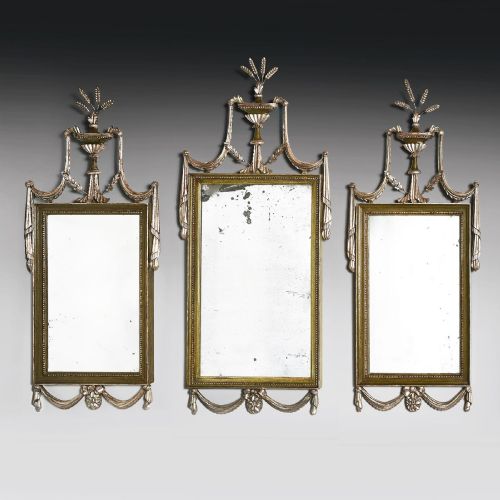
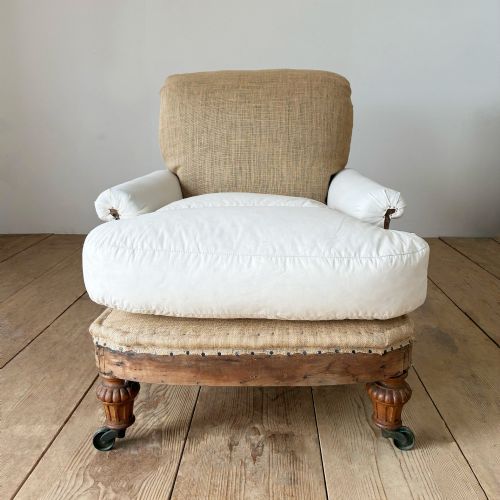
Gillows of Lancaster pieces are refined English cabinet-making works crafted from choice timbers, valued for disciplined construction and enduring utility.
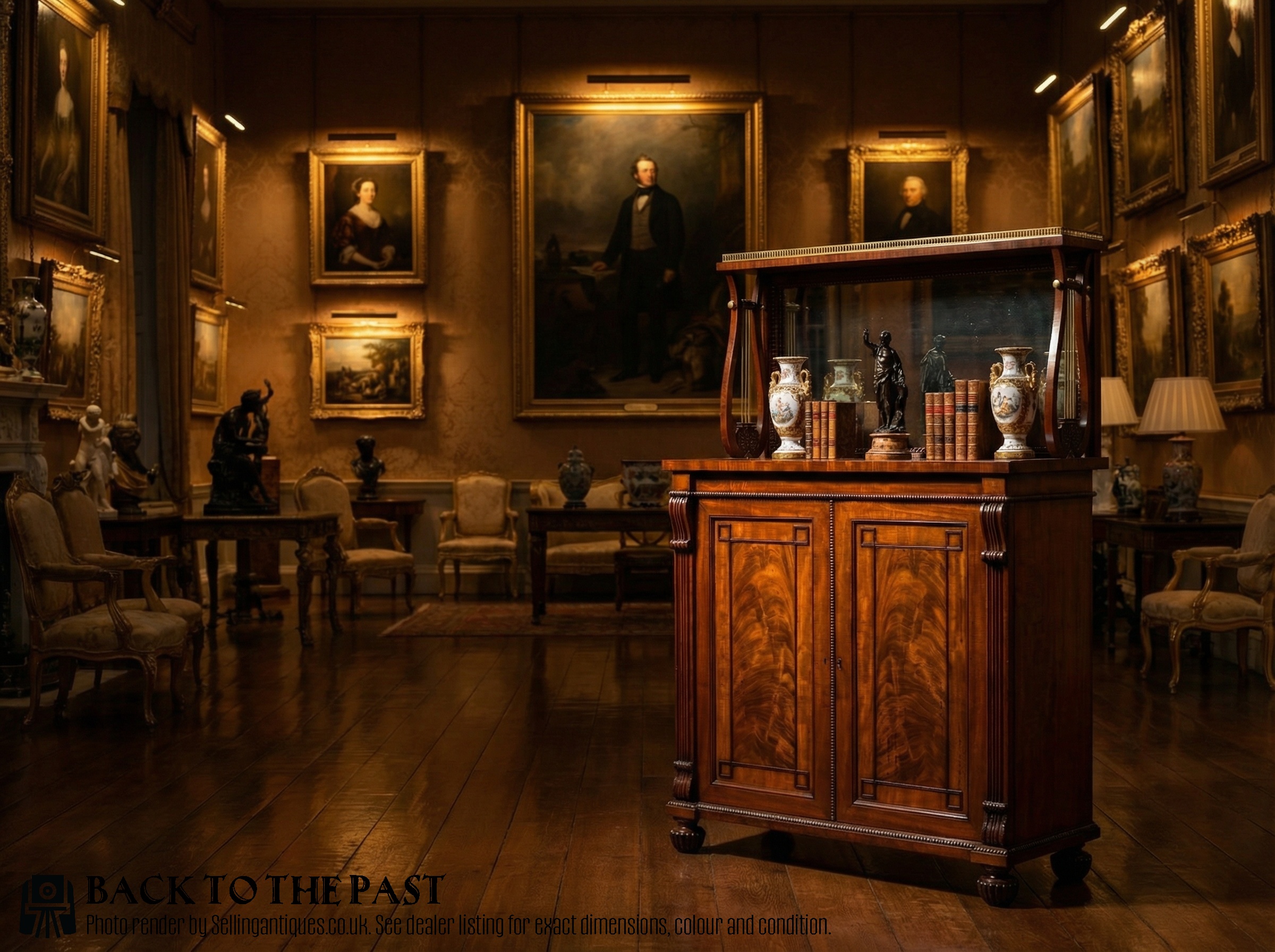
Gillows of Lancaster
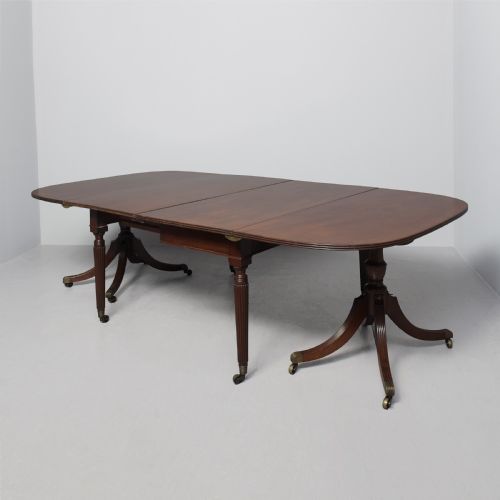
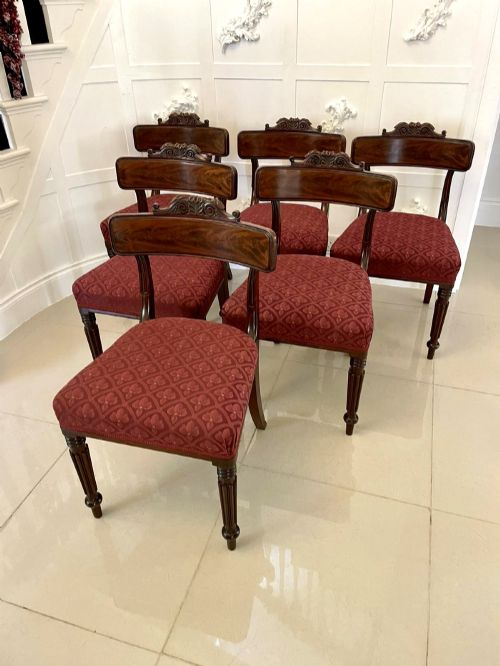
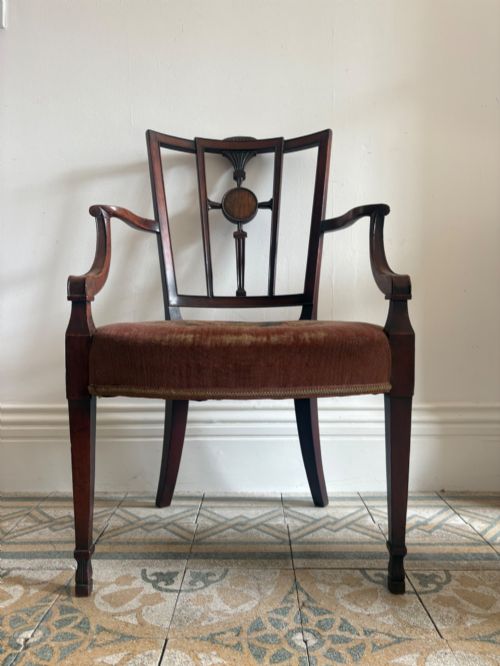
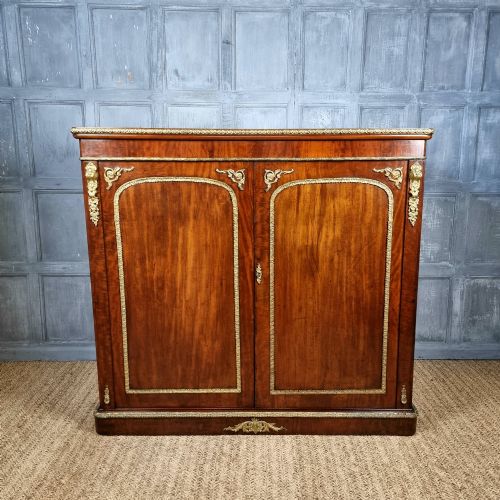
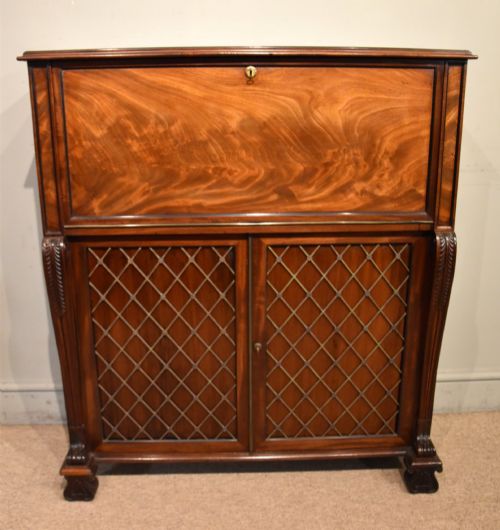
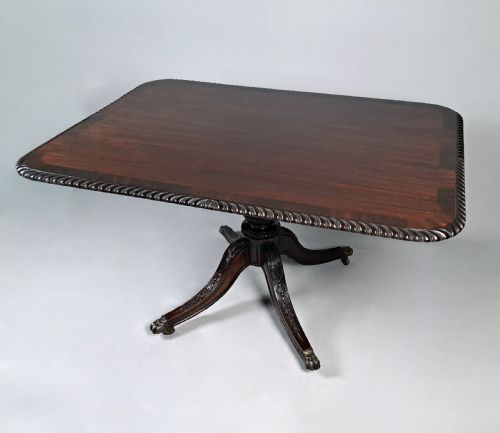
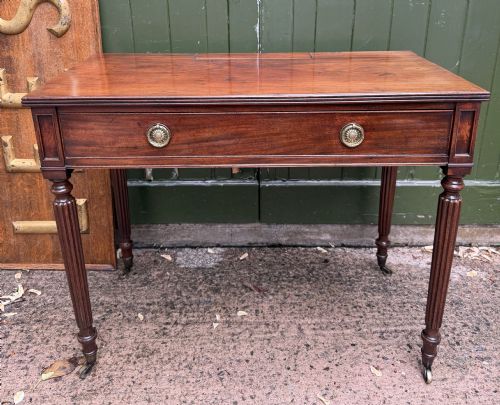
When you search for gillows of lancaster, you encounter furniture spanning from the Georgian and Regency eras through the Victorian period and into the late nineteenth century. These pieces encompass large dining tables, linen presses, and side cabinets, alongside smaller writing desks, hall chairs, and occasional tables.
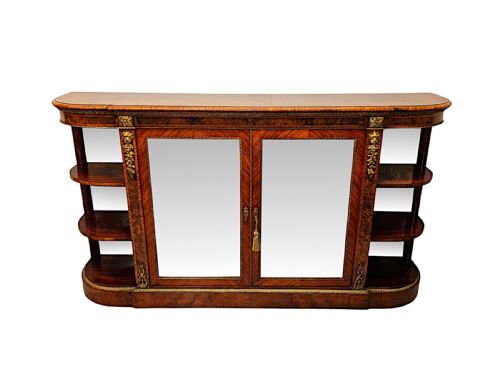
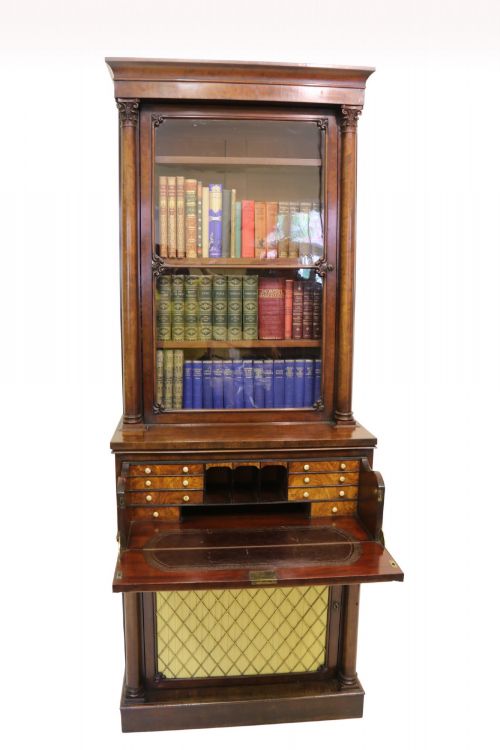
The selections available here range from formal Regency mahogany consoles and dining suites to late Victorian burr walnut desks, bookcases, and credenzas. Pieces appear in both primary woods and rich veneers, reflecting the diverse domestic output of the firm across multiple generations.
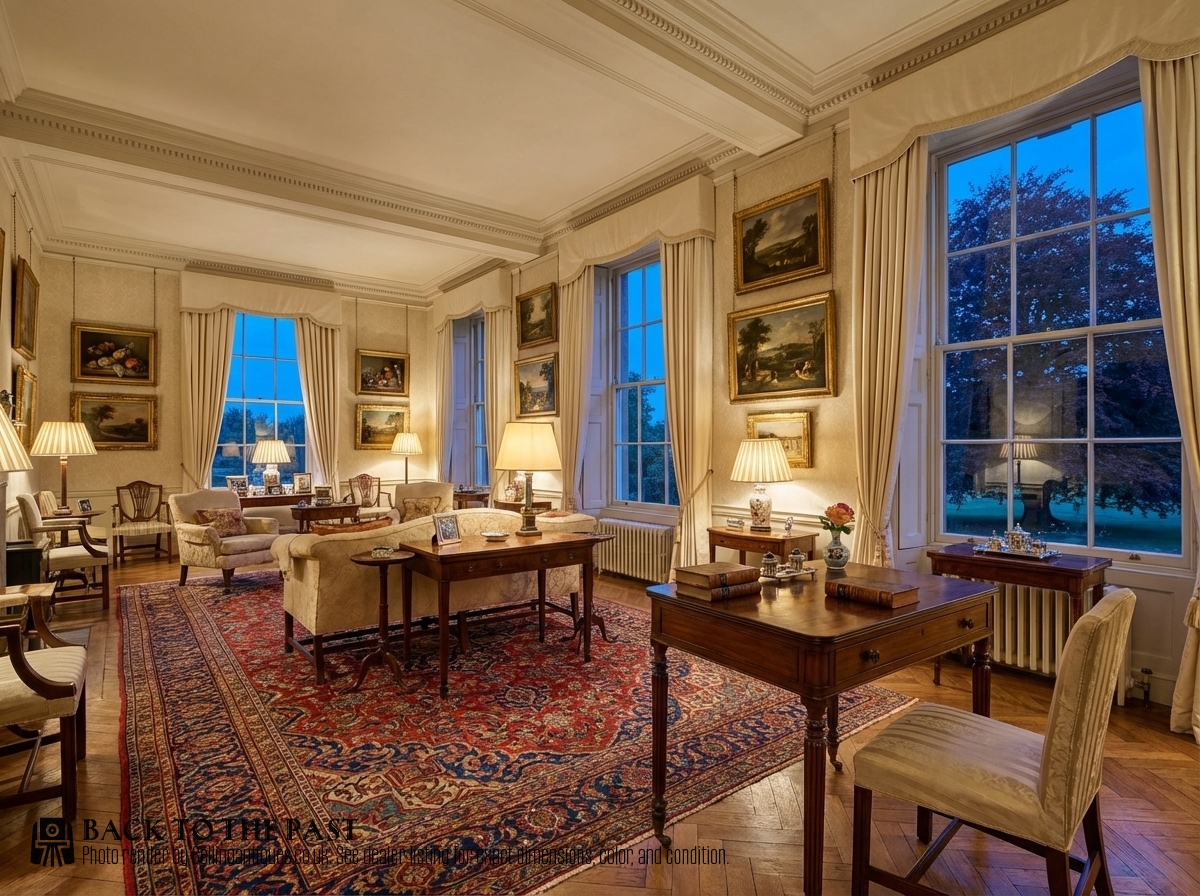
Materials and Construction
The pieces rely heavily on dense hardwoods, notably mahogany, oak, and walnut, frequently enhanced by burr walnut veneers, marquetry inlay, or satinbirch accents. Secondary elements integrate brass hardware, leather writing surfaces, and glass panels.
Joinery methods demonstrate precise framing, stable drawer construction, and robust turning for legs and pillars. Timber selection prioritises well-figured grains, particularly on prominent surfaces such as fold-over tabletops and credenza doors.
Retail Price Guide 2026
Typical UK retail prices for gillows of lancaster, calculated from the Sellingantiques database of over a million retail prices indexed since 2003. This retail price guide relies exclusively on Sellingantiques data; no external sources or auction records are used, so the figures do not describe the wider market.
Even a bidet earned the Lancaster treatment during the Regency period.
The Spectrum of Quality
Quality rests upon the selection of timber figures and the restraint of applied ornament. Superior examples balance architectural proportion with crisp carving or careful marquetry, avoiding excessive embellishment.
The refinement of internal mechanics, such as smooth dining table extension mechanisms, well-fitted linen press trays, and original brasses, separates standard utilitarian commissions from high-status furniture.
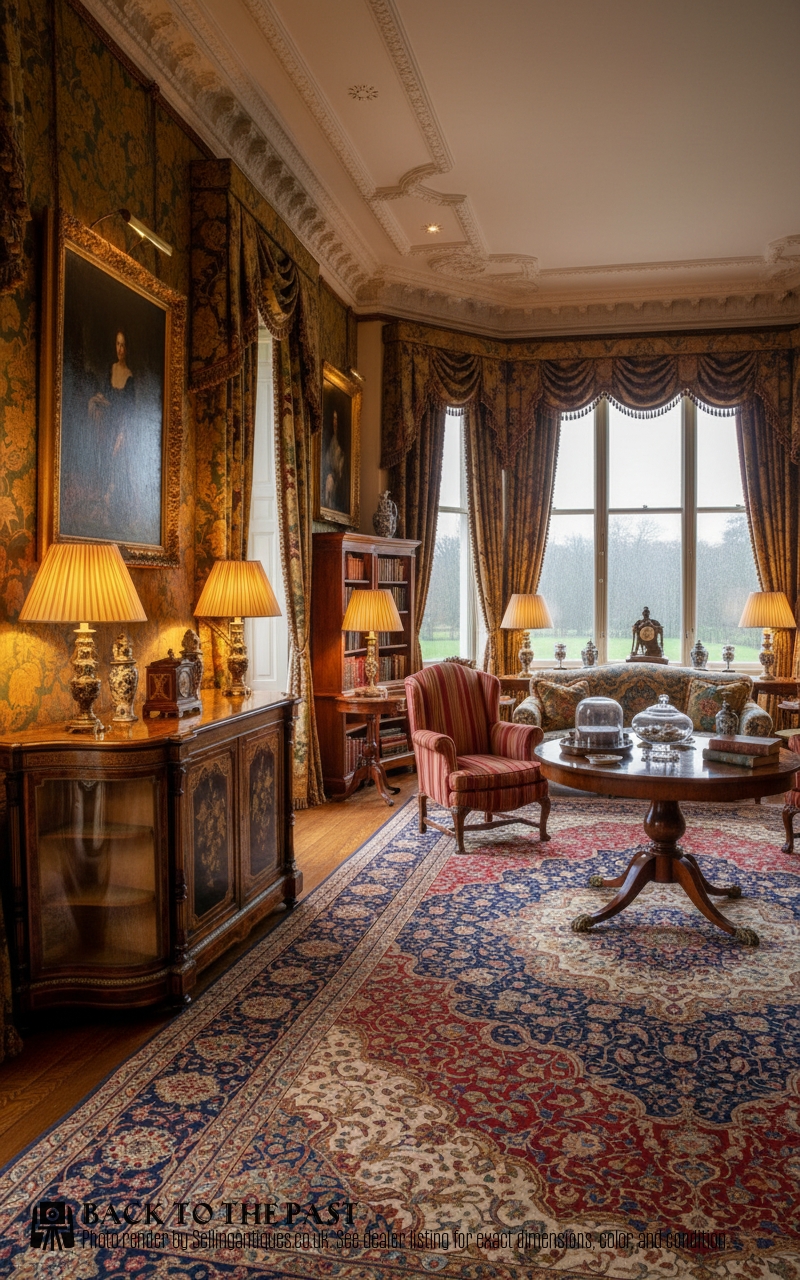
Gillows of Lancaster·Waring and Gillows of Lancaster
The Gillows of Lancaster Glossary
- Regency
- A stylistic period spanning the early nineteenth century defined by neoclassical restraint, clean lines, and classical architectural motifs. It draws inspiration from ancient Greek and Roman design.
- Marquetry
- The art of applying decorative pieces of veneer to a structured surface to form intricate patterns or pictures. This technique showcases the natural colour variations of different woods.
- Credenza
- A low cabinet or sideboard, frequently featuring glass doors or marquetry panels, used for storage and display in dining rooms and drawing rooms. Victorian iterations often incorporate figured burr walnut.
- Davenport
- A compact writing desk featuring a sloping, leather-inset top above a pedestal of drawers. It gained popularity during the nineteenth century for domestic correspondence.
- Linen Press
- A tall wardrobe or cupboard containing sliding trays or shelves originally intended for storing textiles and linens. They often feature panelled doors and substantial mahogany or oak construction.
Frequently Asked Questions
How do I identify Gillows furniture?
Authentic pieces often feature stamped signatures, such as Gillows Lancaster, marked directly onto drawer edges or timber frames. Construction methods also provide strong indicators through precise joinery and high-grade native and exotic timbers.
Stylistic cues align with documented designs from their pattern books, showing functional elegance across dining tables, desks, and storage cabinets.
What periods do these pieces cover?
The inventory spans the George III and Regency eras through to the Victorian period and late nineteenth-century Victorian production. Each era introduces distinct proportions and wood choices, moving from early mahogany to later burr walnut and oak.
Understanding these chronological shifts helps date specific desks, tables, and cabinets accurately based on their structural characteristics.
Are these pieces suitable for daily use?
Solid hardwood construction and durable finishes mean these tables, desks, and chairs remain practical for everyday environments. Dining tables and writing desks adapt readily to contemporary living spaces.
Proper placement away from direct heat sources preserves the stability of the timber and the integrity of leather inserts or veneer surfaces.
How should I care for mahogany and walnut?
Routine maintenance involves gentle dusting with a soft, dry cloth to prevent particulate accumulation on polished surfaces. Avoid silicone-based polishes and excessive moisture to protect traditional wax finishes.
Maintaining stable indoor humidity levels prevents timber shrinkage and protects decorative marquetry inlay from separation.