



Regency Style Chiffonier
A regency style chiffonier is a low cabinet for the living room or dining room, prized for combining display shelves with concealed storage.

Regency Style Chiffonier
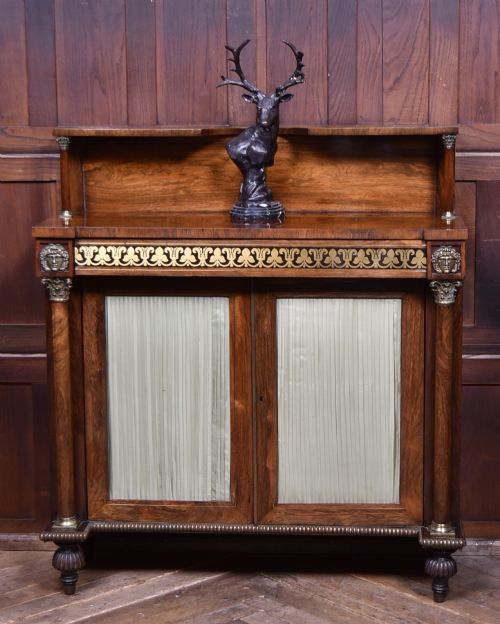
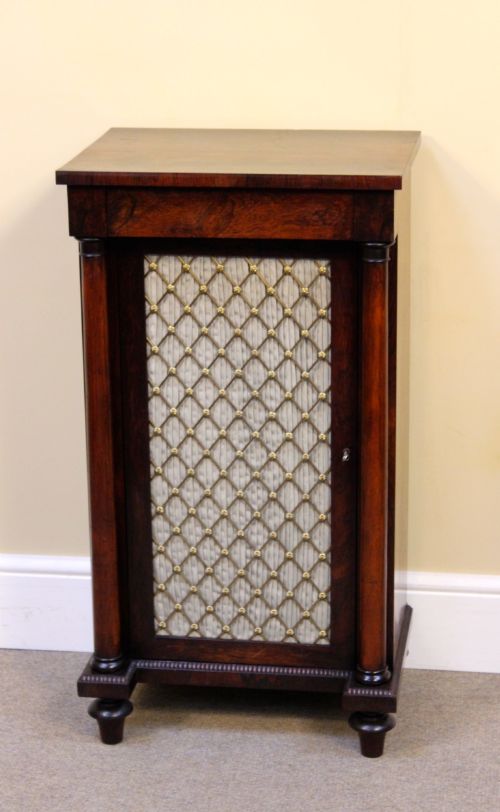
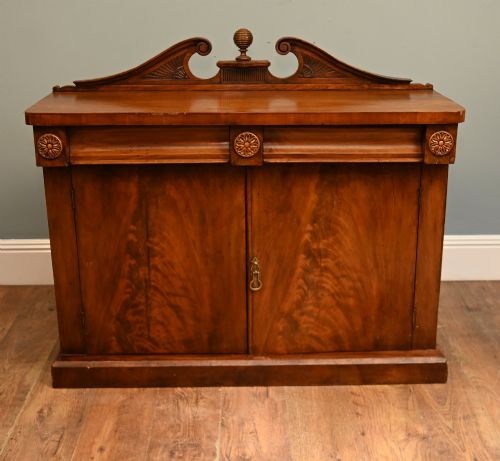
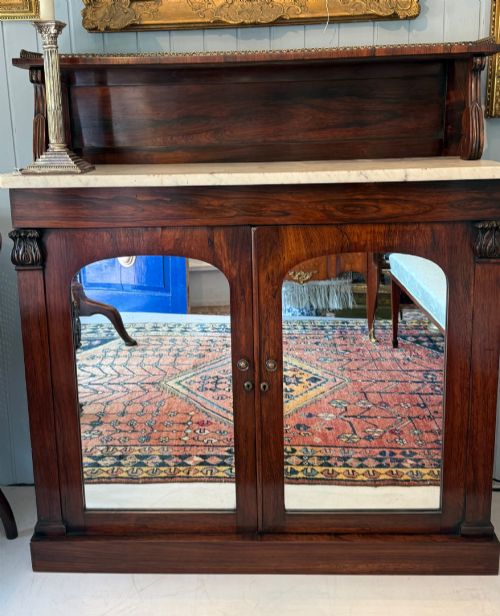
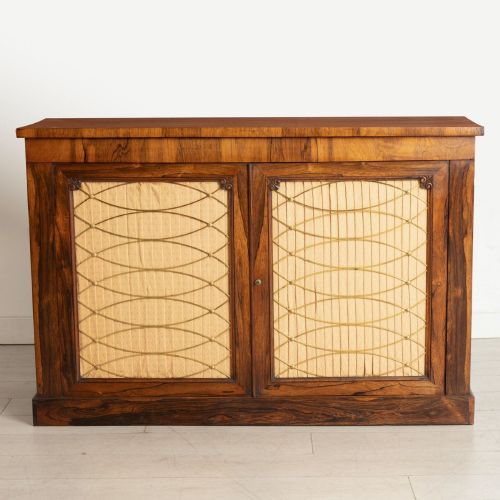
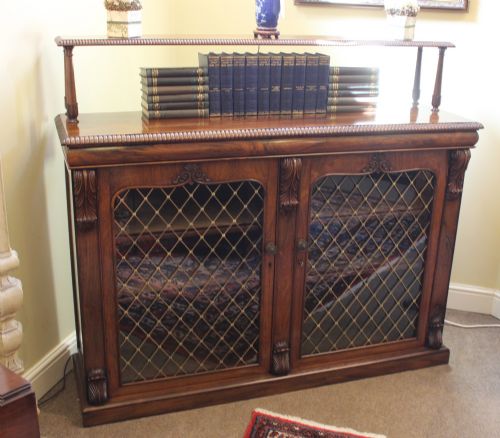
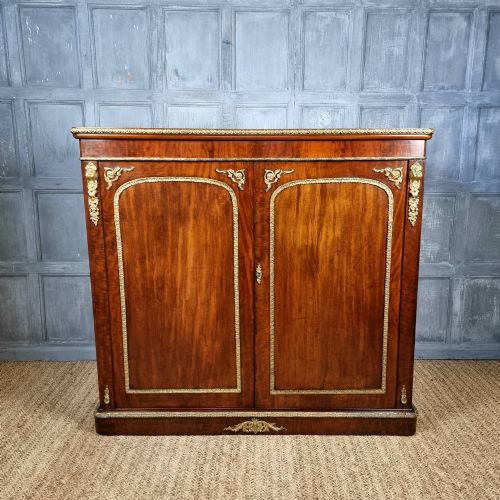
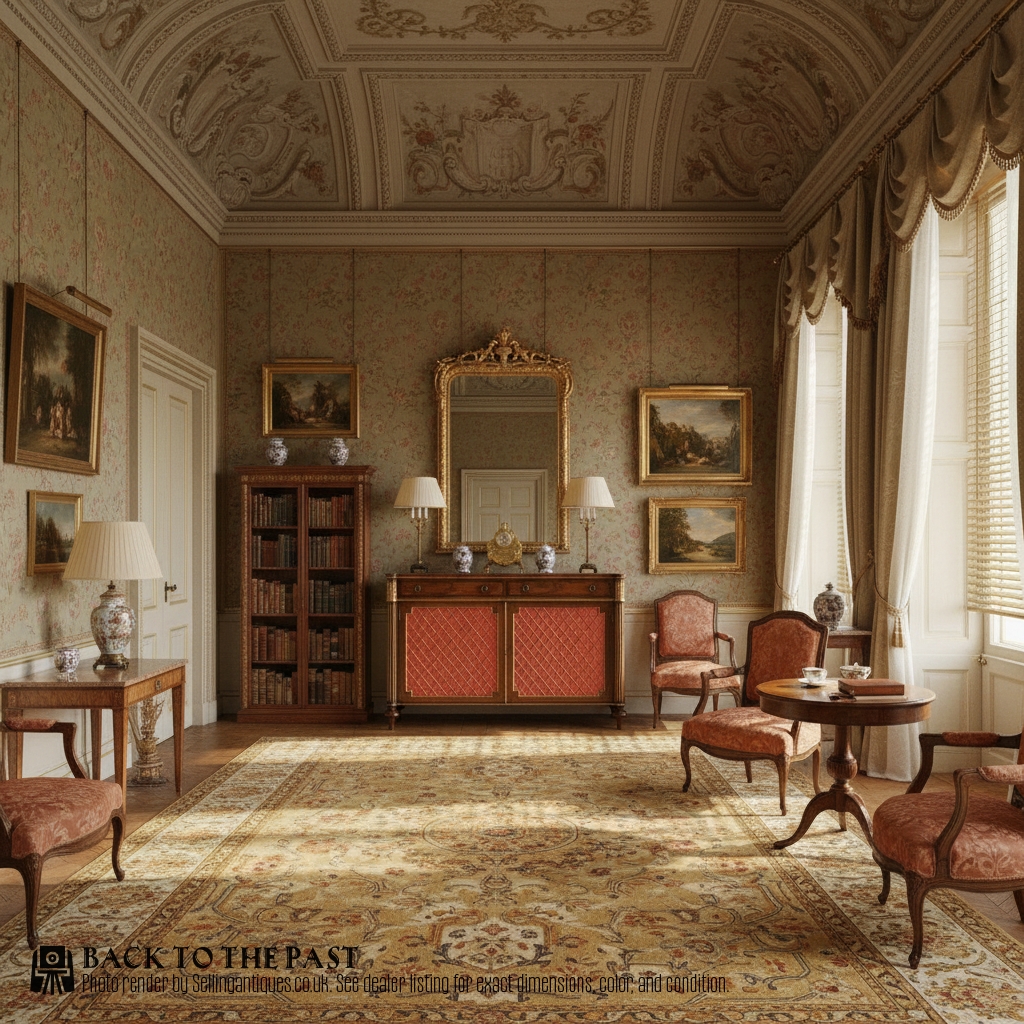
A regency style chiffonier is a low sideboard or cabinet designed for the principal rooms of a house, combining a functional surface with lower cupboards and sometimes upper shelves. The forms seen here include narrow cabinets, two-door side cabinets, and low sideboards with marble tops.
Most pieces date from the nineteenth century, including William IV and Victorian eras, alongside twentieth-century reproductions from nineteen-thirty and nineteen-ten that follow earlier patterns. These cabinets serve as practical serving pieces or display furniture.
Materials range from rich rosewood and mahogany to walnut, often accented with marble tops, brass grill fronts, or delicate inlay work. The proportions remain low and horizontal, making them adaptable to modern interiors while retaining traditional character.
How they were made
Cabinet makers utilised dense hardwoods such as mahogany, rosewood, and walnut for the primary structure and exterior surfaces. Timber selection focused on rich grain patterns, particularly in rosewood and mahogany.
Metal and stone components added functional and decorative weight, including heavy marble tops and fine brass grilles fitted into cabinet doors. Glass panels and fabric linings also appear in the construction of upper or lower compartments.
Regency Style Chiffonier Retail Price Guide 2026
Typical asking prices for regency style chiffonier among the pieces listed under this phrase on Sellingantiques today, from the lower quarter to the upper quarter. They describe what is for sale here now, not the wider market.
Listings feature nineteen-thirties interpretations alongside pieces from the nineteenth century, Victorian era, and William IV period.
What varies in quality
Quality rests in the selection of timbers, where highly figured rosewood or finely polished mahogany elevate a piece above standard utility furniture. The integration of solid marble tops and intricate brasswork indicates superior workshop production.
Construction detail distinguishes standard nineteenth-century examples from later or more basic interpretations. Refined proportions, such as narrow profiles or precise brass grillwork, set the better pieces apart.
William Trotter
The Regency Style Chiffonier Glossary
- Chiffonier
- A low cabinet featuring a combination of lower cupboards and sometimes a raised shelf back, originally designed for dining rooms. It evolved from sideboards to become a versatile piece for storing china or linen.
- Rosewood
- A dense, heavily figured tropical timber prized for its dark grain and reddish-brown colour. It frequently appears in nineteenth-century cabinets.
- William IV
- A stylistic period spanning the eighteen-thirties, characterised by robust classical proportions and heavy mahogany or rosewood construction. Pieces from this era often feature restrained architectural details.
- Marble top
- A solid stone slab fitted to the upper surface of a sideboard or cabinet, providing a durable and cool working surface. It adds considerable weight and formality to the piece.
Regency Style Chiffonier: Frequently Asked Questions
What is a chiffonier used for?
A chiffonier provides low surface space and enclosed storage, traditionally used in dining rooms for serving and storing silverware or linen.
Today, these cabinets function well in living spaces as media consoles or display surfaces for decorative objects and lamps.
How do I date a chiffonier?
Dating relies on identifying the primary timber, construction methods, and stylistic markers associated with periods like the nineteenth century, William IV, or Victorian eras.
Later twentieth-century reproductions often copy these earlier styles, distinguishable by timber finishing and interior construction details.
Are marble top chiffoniers original?
Many nineteenth-century chiffoniers and sideboards were manufactured with fitted marble slabs to provide a durable, heat-resistant surface for serving food and drinks.
These stone tops are typically heavy and integrated directly into the wooden frame of the cabinet.
Where should I place a chiffonier?
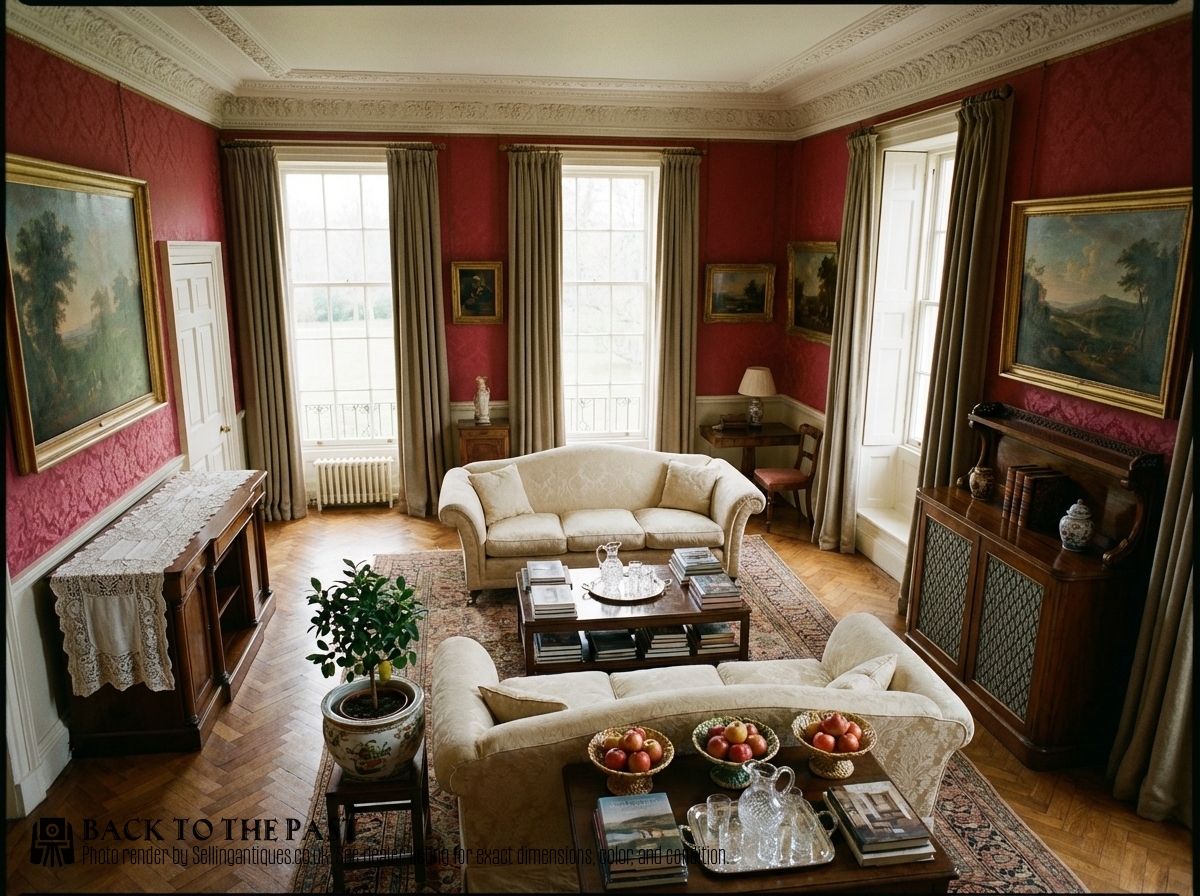
Because of their low profile and shallow depth, chiffoniers fit easily along dining room walls or in hallways without blocking walkways.
Their enclosed lower cupboards also make them useful in sitting rooms for storing books or household items out of sight.