

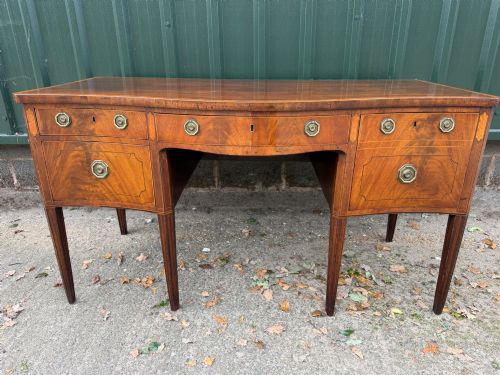
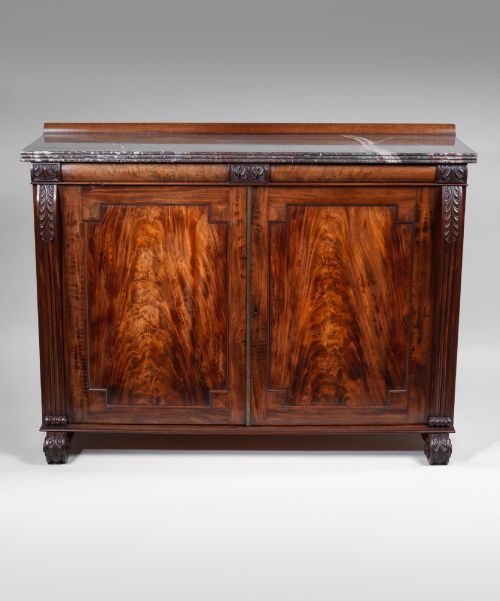
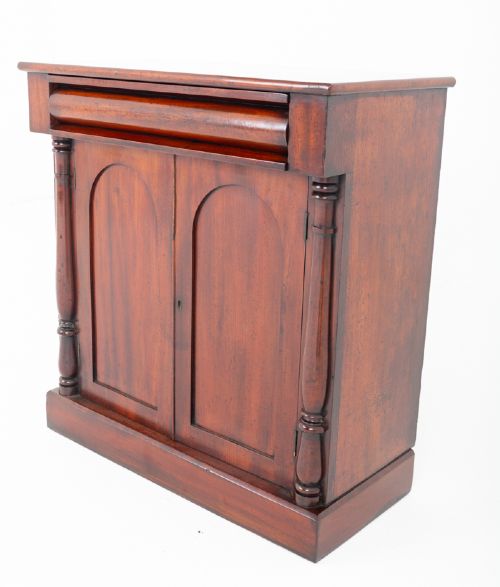
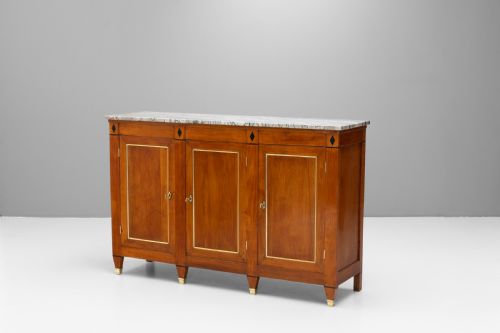
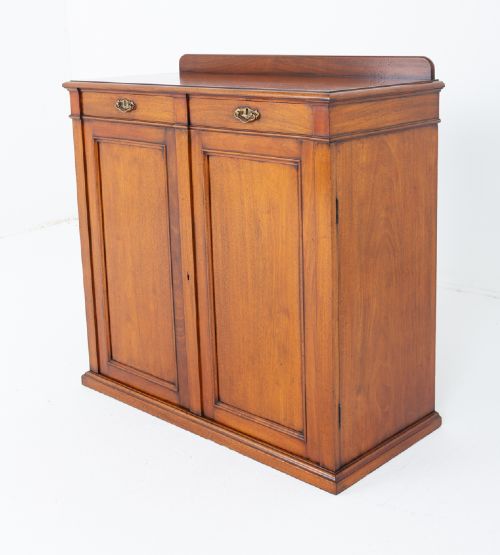
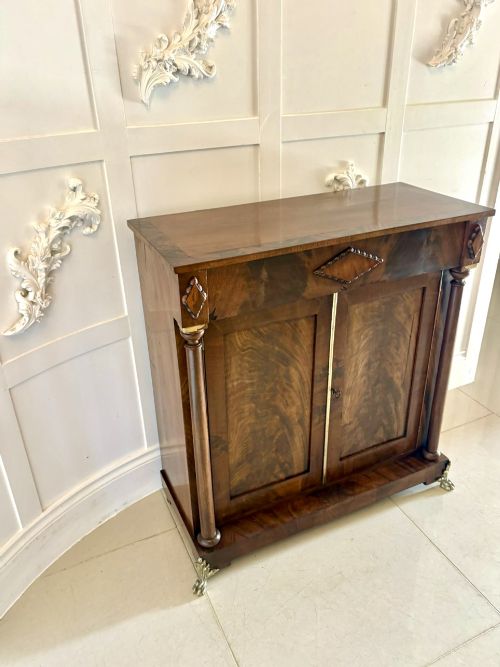
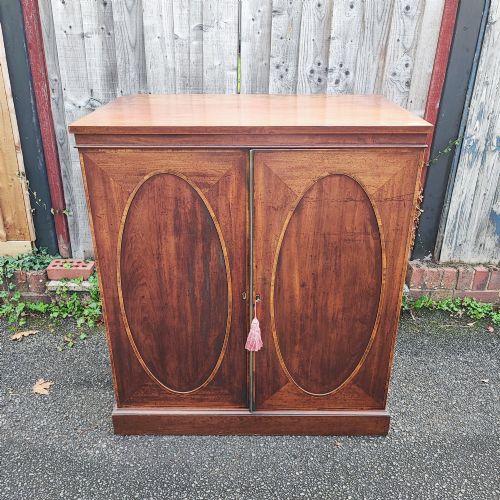
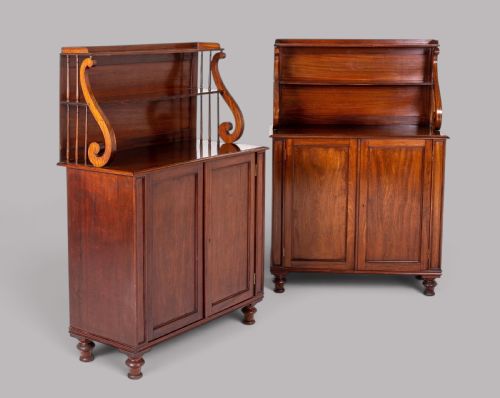
Brown Mahogany Credenza
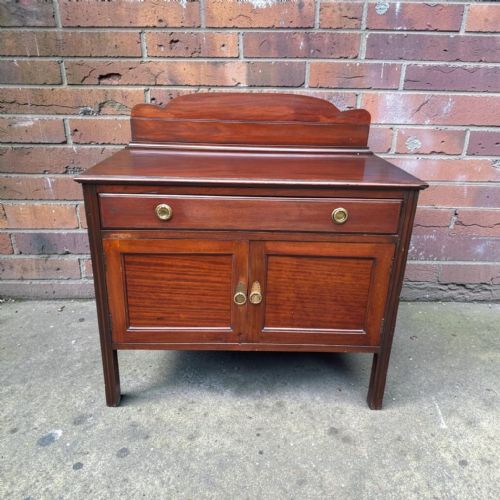
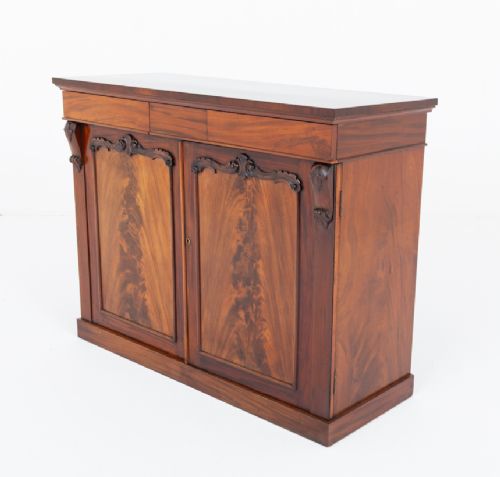
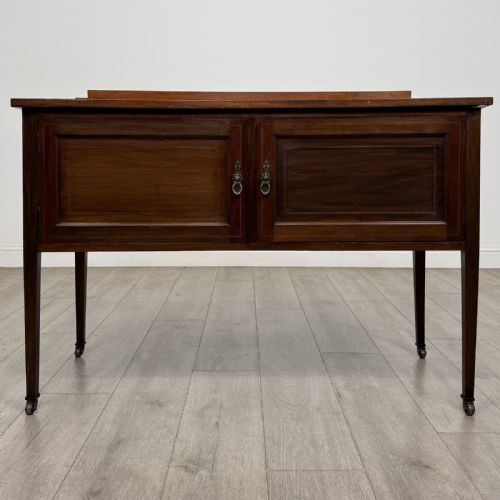
These brown mahogany credenza pieces are substantial storage forms selected for rich timber figures and formal presence in a room.
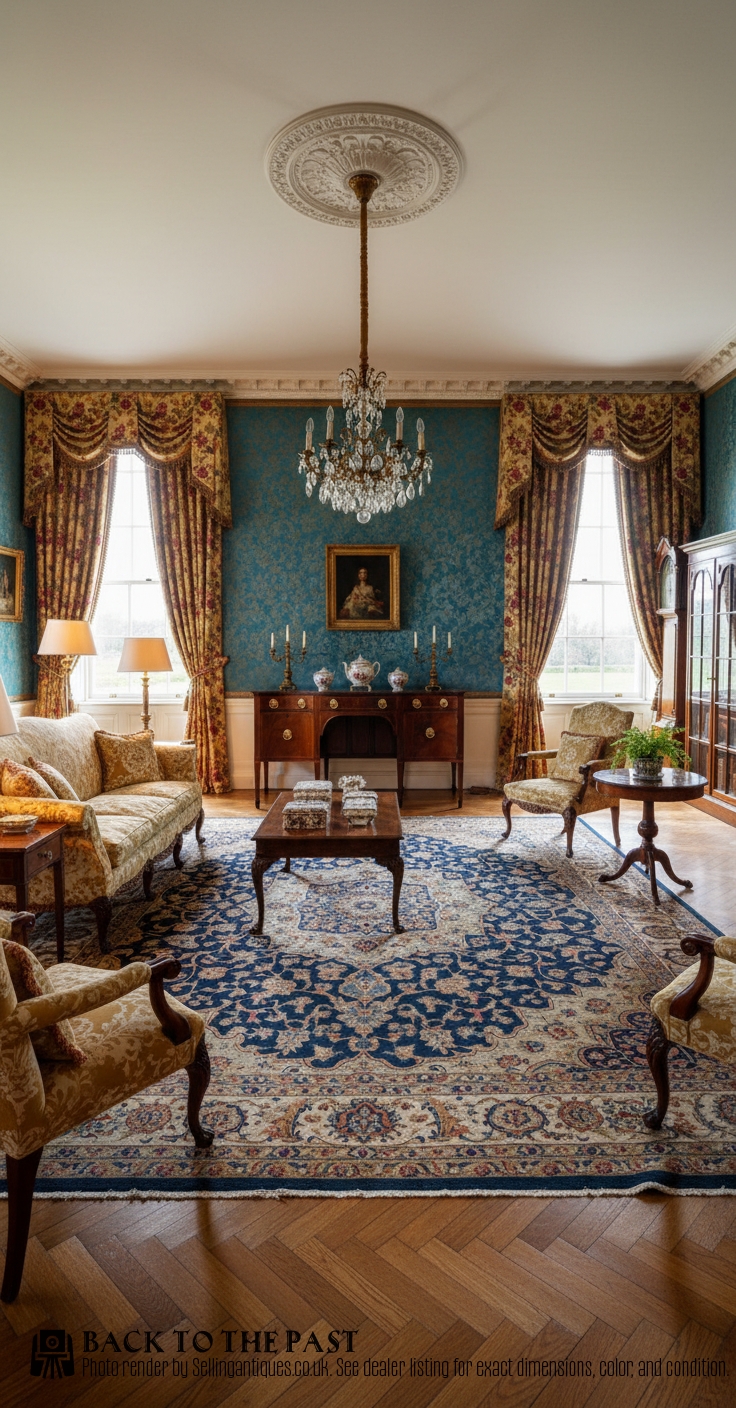
Brown Mahogany Credenza
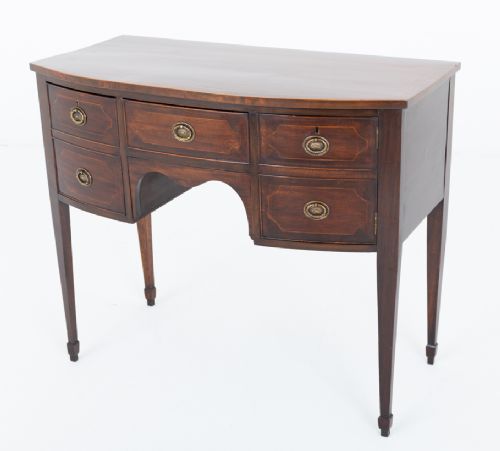
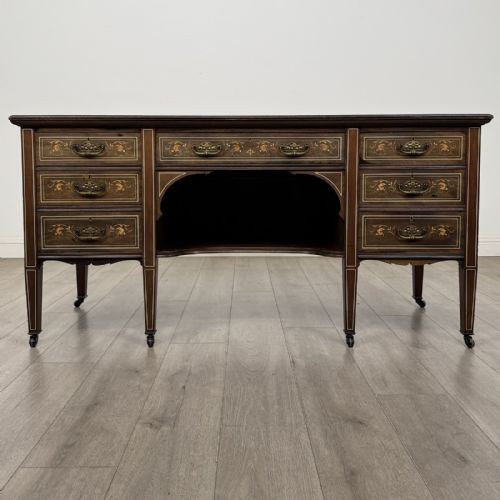
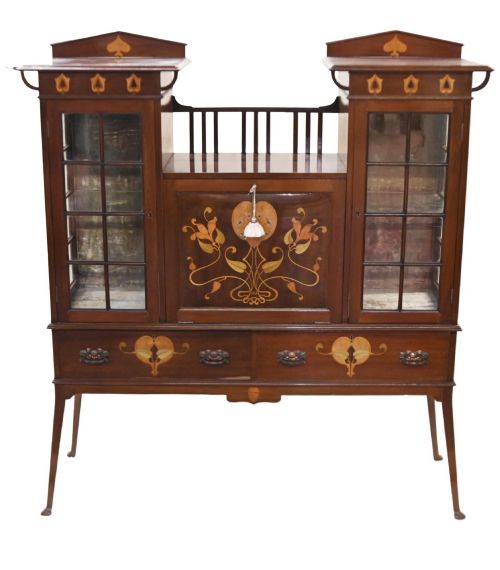
Buyers seeking a brown mahogany credenza typically encounter various forms of large storage furniture, including sideboards, side cabinets, and chiffoniers. These pieces originate from periods spanning the eighteenth, nineteenth, and early twentieth centuries, reflecting changing domestic requirements for dining and entertaining. Most examples provide enclosed cupboard space or drawers, occasionally combined with display areas or stage-backs.
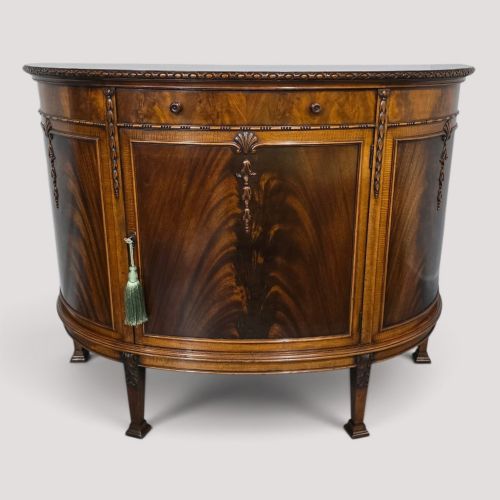
The selection ranges from disciplined George III and Regency designs to ornate Victorian and Edwardian interpretations. Common configurations include bow-fronted carcases, breakfront profiles, and demi-lune shapes designed to fit specific architectural settings. Common structural formats include pedestal sideboards, two-door cabinets, and multi-drawer servers.
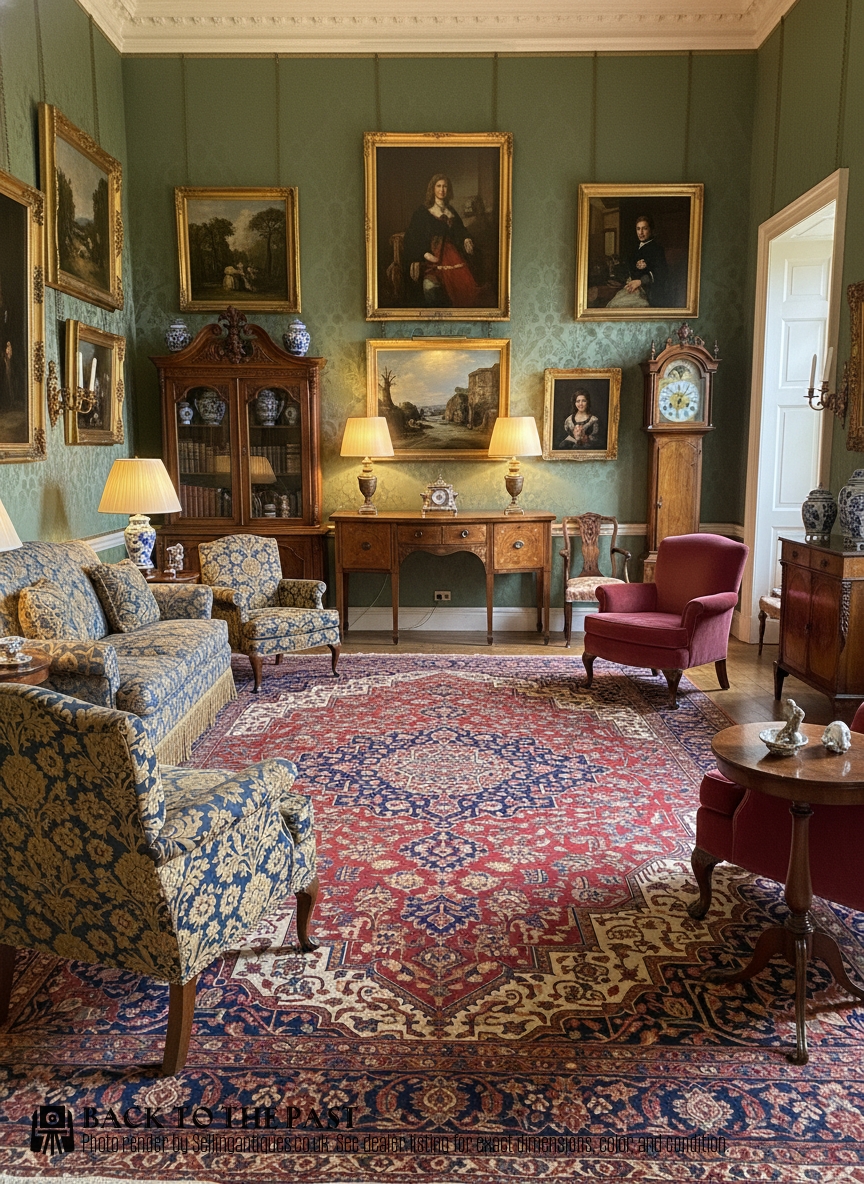
Materials and construction methods
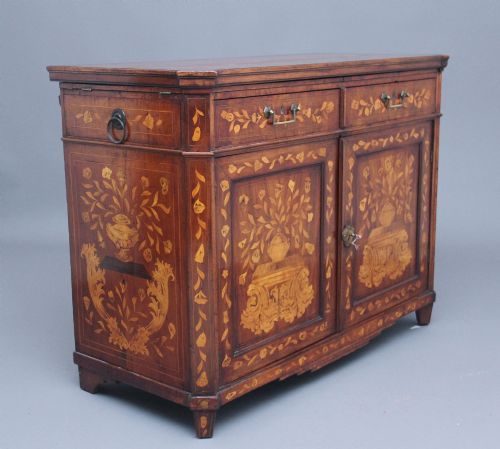
Makers utilised solid mahogany and applied flame mahogany veneer over secondary timbers to achieve deep, figured grain patterns on primary surfaces. Selected pieces incorporate contrasting timbers such as satinwood, boxwood, and purpleheart for inlay, marquetry, and crossbanding details.
Structural integrity relied on traditional joinery methods, supplemented in certain periods by brass mounts, gallery rails, and glazed doors. Secondary woods like oak frequently support internal framing, drawer linings, and structural backing.
Brown Mahogany Credenza Retail Price Guide 2026
Typical asking prices for brown mahogany credenza among the pieces listed under this phrase on Sellingantiques today, from the lower quarter to the upper quarter. They describe what is for sale here now, not the wider market.
Certain Victorian dressers include built-in dog kennels beneath the central drawers, providing an enclosed sleeping space for a favoured spaniel.
Distinctions in craftsmanship and design
Quality is determined by the selection of timber figures, where symmetrical flame mahogany and crisp inlay distinguish superior examples from plain construction. The precision of dovetail joints, the weight of brass hardware, and the balance of proportions dictate the overall grade of each cabinet.
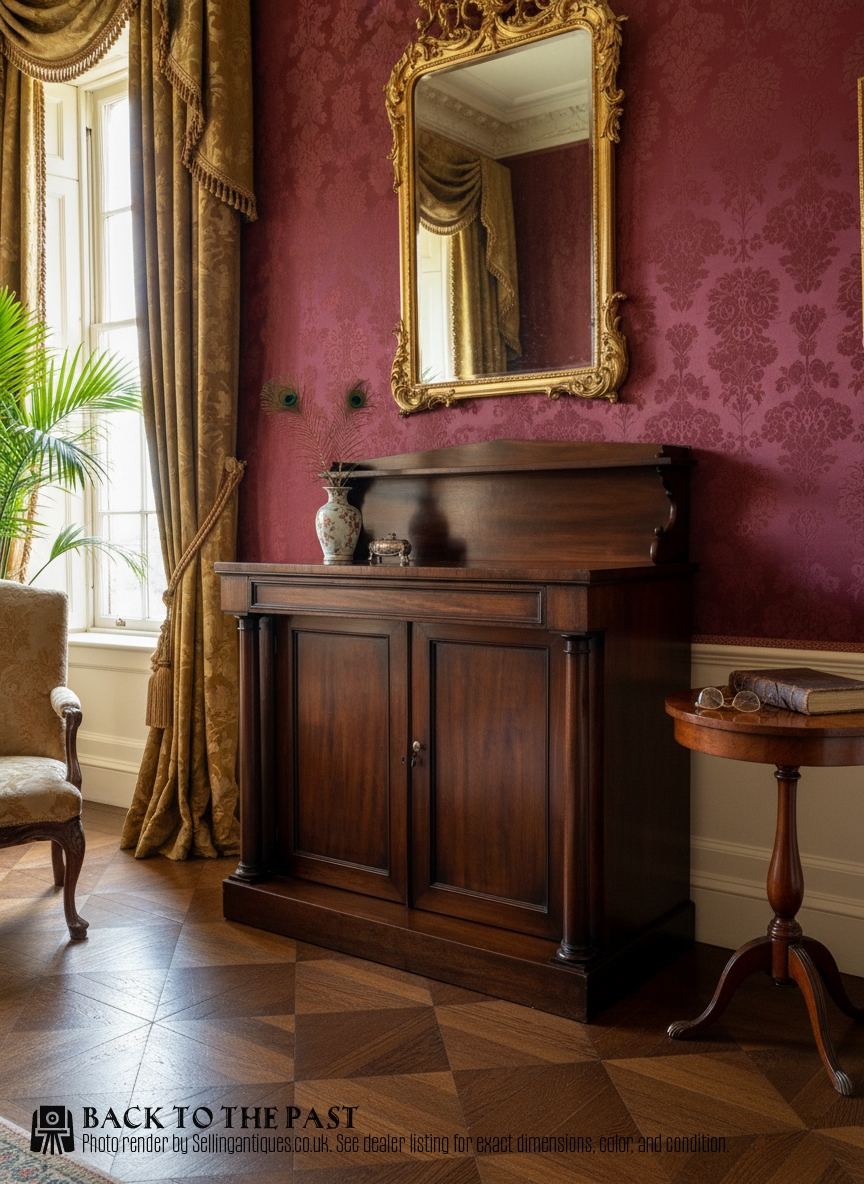
Hewetsons London·M D Miller And Sons
The Brown Mahogany Credenza Glossary
- Credenza
- A long, low cabinet used primarily for storage or serving. Originally an Italian term, it translates to brown mahogany forms adapted for British dining rooms.
- Figured mahogany
- Timber exhibiting distinctive grain patterns such as flame, fiddleback, or curl. It provides visual depth across the front panels of cabinets.
- Serpentine front
- A furniture profile curving outward in the centre and inward at the sides. This shape requires advanced woodworking skill to construct.
- Crossbanding
- A narrow strip of veneer laid around the border of a panel so the grain runs at right angles to the centre. It creates a decorative framing effect.
- Chiffonier
- A compact sideboard featuring a raised shelf or small cupboard on the top. These pieces gained popularity during the Regency and Victorian periods.
Brown Mahogany Credenza: Frequently Asked Questions
What distinguishes a sideboard from a credenza?
Sideboards traditionally function as dining room servers equipped with drawers and cupboards for flatware and linens. Credenzas typically present a lower, more enclosed profile with sliding or hinged doors.
Both forms utilise rich mahogany timbers, but sideboards often incorporate stage-backs or plate rails. Cabinet makers adapted these proportions to suit changing domestic storage needs across successive centuries.
How do I identify a Regency period piece?
Regency items exhibit classical architectural influences, frequently featuring bold mahogany grains, brass mounts, and restrained geometric lines. Cabinet makers during this era drew inspiration from ancient Greek and Roman designs.
Construction details often include heavy pedestal bases, brass gallery rails, and dark flame mahogany veneers. These characteristics differentiate Regency furniture from earlier Georgian or later Victorian styles.
Where were these cabinets used originally?
Dining rooms, formal halls, and drawing rooms served as the primary locations for these large storage pieces. Households utilised them to store porcelain, glassware, and silver near the dining table.
In modern interiors, buyers place them in living spaces as media consoles or hallway storage credenzas. Their deep timber tones integrate easily into contemporary rooms.
What is satinwood inlay?
Satinwood inlay involves setting pale, lustrous yellow wood into contrasting dark mahogany surfaces. Artisans cut delicate stringing or pictorial marquetry motifs to decorate drawer fronts and borders.
This technique brightens the dark brown appearance of standard mahogany. It appears frequently on Sheraton revival and Edwardian pieces.