




Traditional Mahogany Credenza
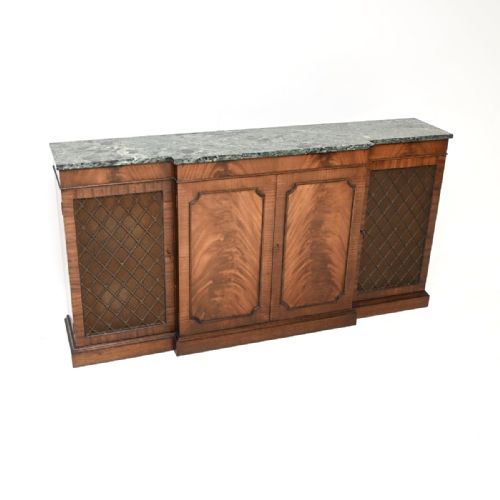
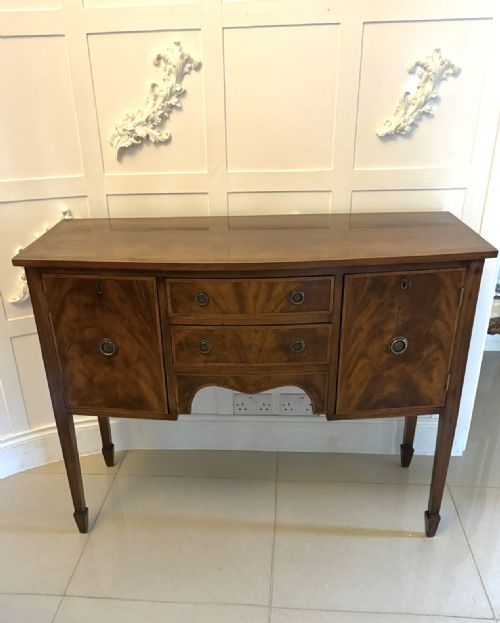
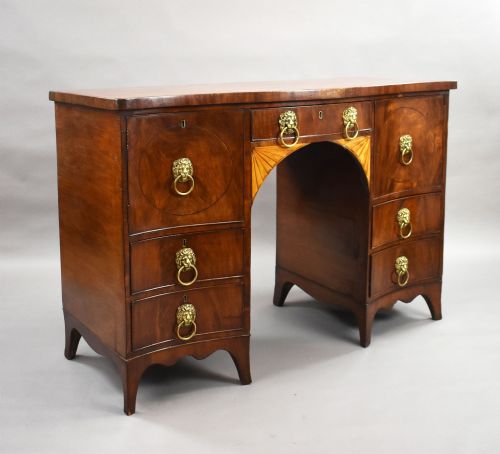
These traditional mahogany credenza pieces are substantial dining room furniture forms offering grand timber presence and ample storage.
Traditional Mahogany Credenza
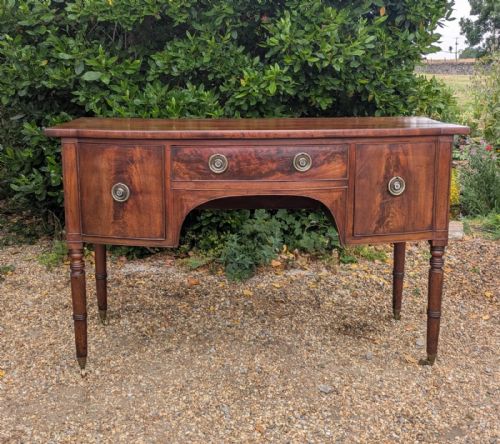
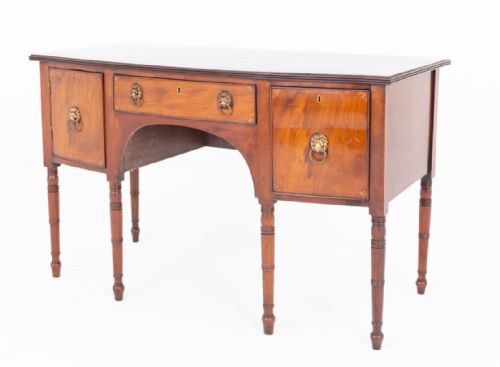
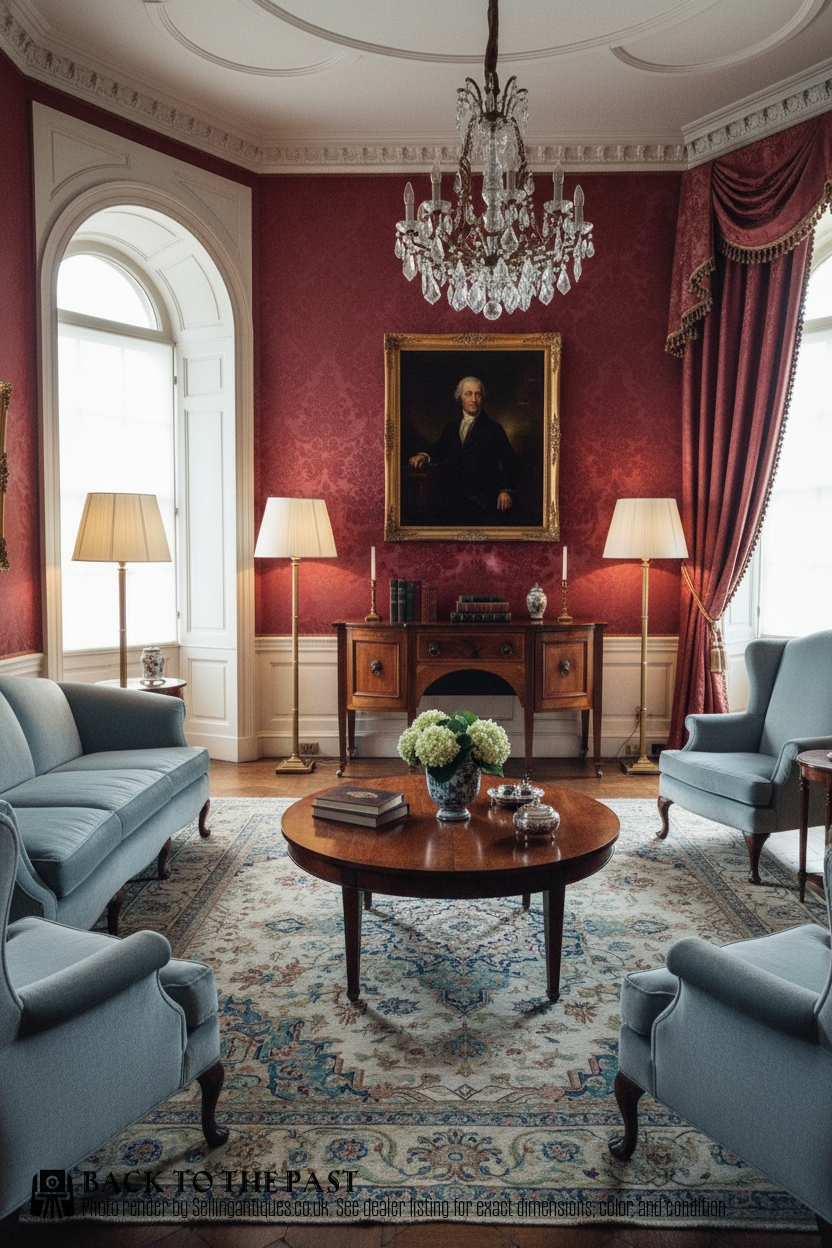
A traditional mahogany credenza encompasses substantial sideboards, chiffoniers, and buffets designed for dining room storage and display. When searching for a traditional mahogany credenza, buyers encounter nineteenth century and Victorian forms alongside Edwardian and revival pieces.
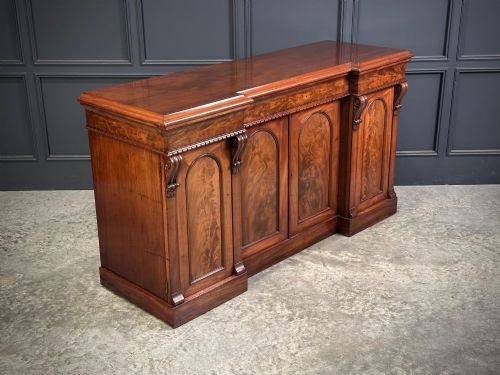
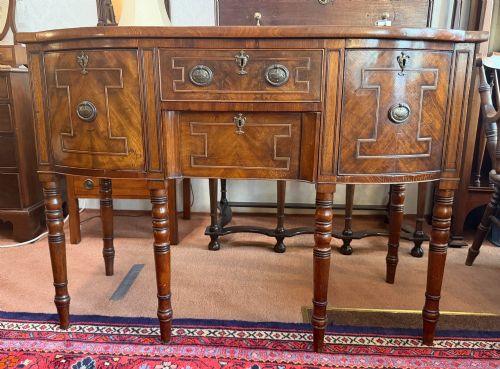
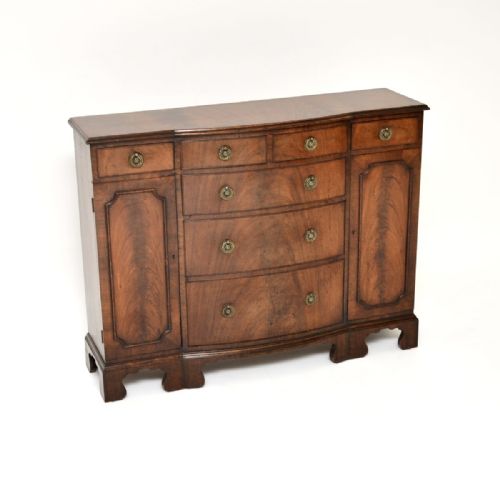
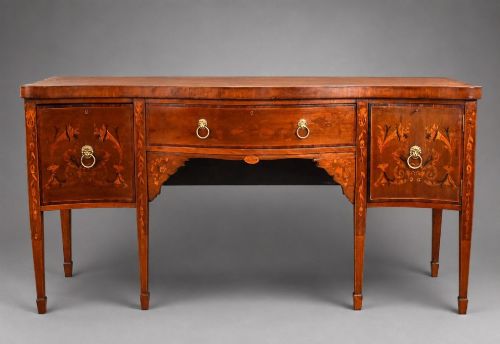
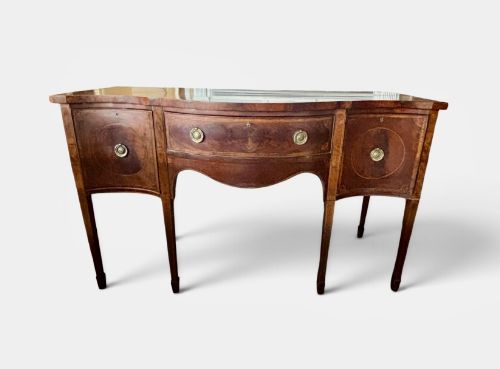
The selection here includes pedestal and breakfront sideboards featuring multiple doors and drawers alongside smaller chiffoniers. Pieces range from plain timber constructions to mirrorback and inlaid examples dating from eighteen hundred through the late nineteenth century.
How they were made
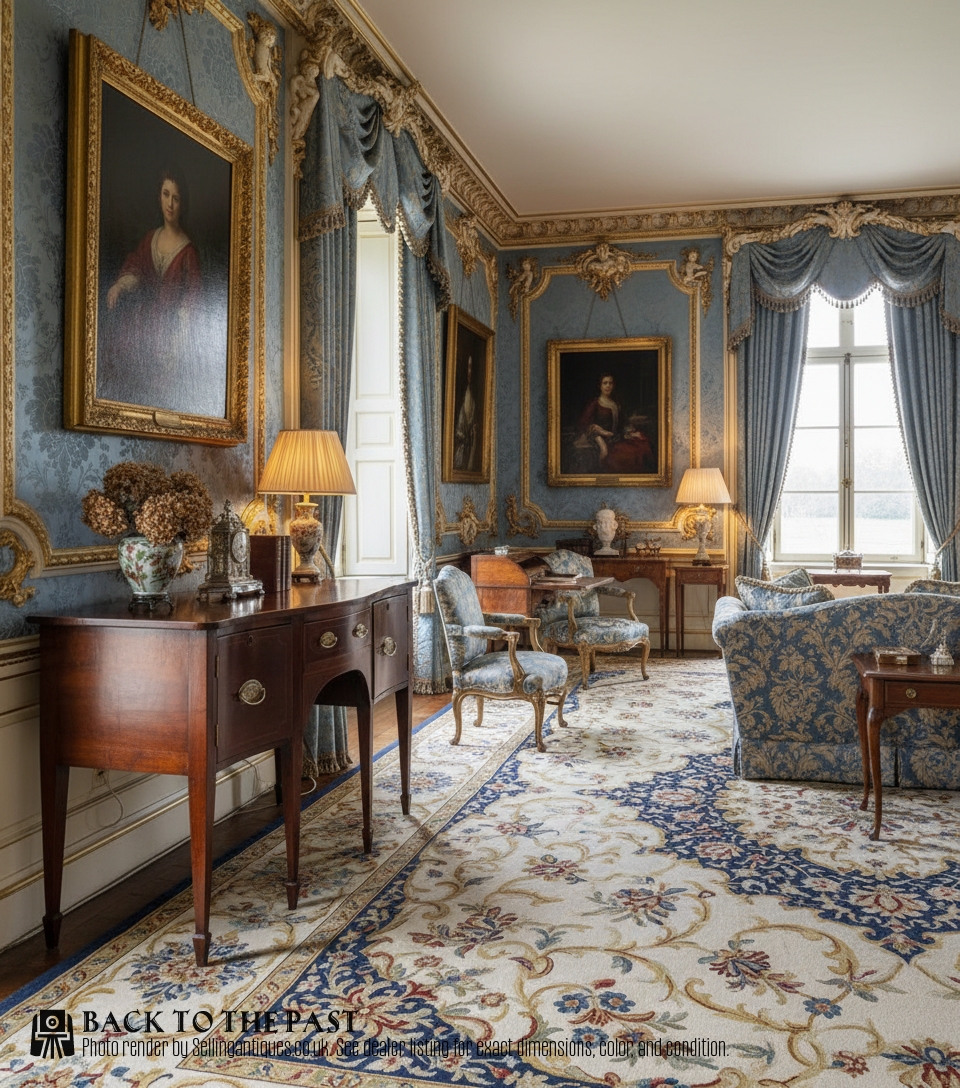
Cabinet makers utilised solid mahogany and applied mahogany veneers over secondary timbers to construct these case pieces. Flame mahogany provided striking figured grain patterns across large door panels and drawer fronts.
Details such as boxwood and satinwood stringing added linear contrast, while cast brass hardware provided functional pulls and key escutcheons. Glass panels appeared on upper doors or mirrorback frames on later Edwardian iterations.
Traditional Mahogany Credenza Retail Price Guide 2026
Typical asking prices for traditional mahogany credenza among the pieces listed under this phrase on Sellingantiques today, from the lower quarter to the upper quarter. They describe what is for sale here now, not the wider market.
Listings span the nineteenth century through the Edwardian era, featuring mahogany, flame mahogany, satinwood, and boxwood.
What varies in quality
Quality rests in the selection of timber veneers and the precision of the cabinet work. Matched flame mahogany grain across multiple doors indicates careful workshop planning by the maker.
Refined execution shows in tight joinery, substantial brass fittings, and crisp inlaid stringing details rather than painted surface decoration. The weight of the timber and the depth of the hand-finished polish separate standard production from superior examples.
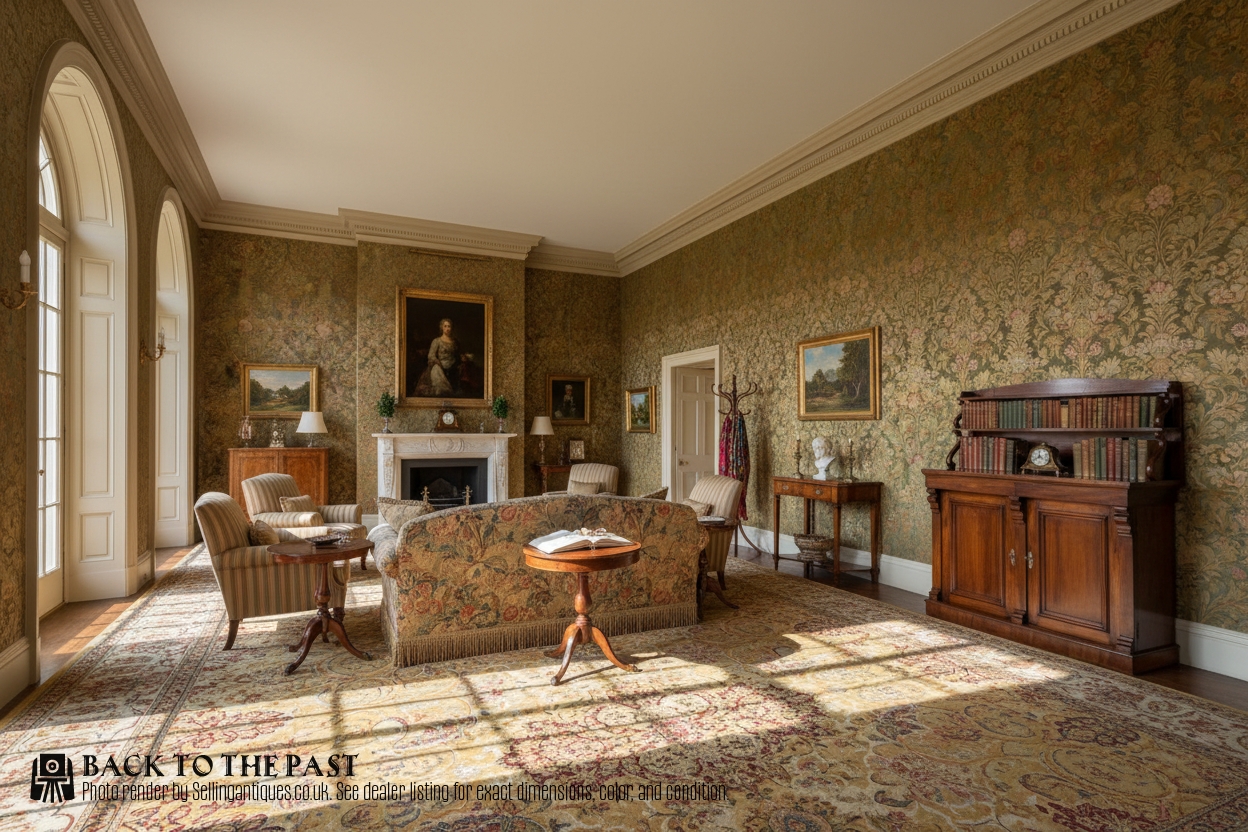
The Traditional Mahogany Credenza Glossary
- Flame mahogany
- A highly figured timber veneer showing distinctive flame-like patterns. This decorative grain is sliced from timber where branches join the main trunk.
- Breakfront
- A cabinet design where the central section projects forward from the flanking wings. This architectural arrangement creates depth and shadow across the piece.
- Chiffonier
- A compact sideboard featuring enclosed shelving below and often a raised shelf or mirror above. It served smaller nineteenth century dining and drawing rooms.
- Stringing
- Thin inlaid lines of contrasting light wood such as boxwood or satinwood used to edge panels and drawers. It highlights the geometric lines of the cabinet.
- Mirrorback
- A sideboard superstructure incorporating an integrated mirror plate supported by carved pillars or brackets. This feature reflects light and displays upper shelf items.
Traditional Mahogany Credenza: Frequently Asked Questions
What is a traditional mahogany credenza used for?
These pieces serve as dining room storage for china, linen, and glassware while offering a wide surface for serving food. The interior typically contains adjustable shelving or cellarette drawers.
Today they function equally well in large hallways or living spaces as media consoles and statement storage cabinets.
How do I date a mahogany sideboard?
Dating relies on architectural style, hardware, and timber treatment. Regency and Georgian revival pieces show classical symmetry and brass ring handles.
Victorian and Edwardian examples often feature heavier proportions, mirrorbacks, or delicate boxwood inlay work.
Is flame mahogany different from solid mahogany?
Flame mahogany refers to a thin decorative veneer applied over a stable secondary timber carcass. Solid mahogany uses the same dense tropical timber throughout the structural frame.
Veneering allowed cabinet makers to display dramatic grain figures across wide surfaces without warping.
How do I care for antique mahogany furniture?
Protect the polished surface by avoiding direct sunlight and placing felt under heavy decorative objects. Consistent indoor humidity prevents timber movement and veneer lifting.
Regular dusting with a dry soft cloth maintains the natural lustre of the wax or shellac finish.