

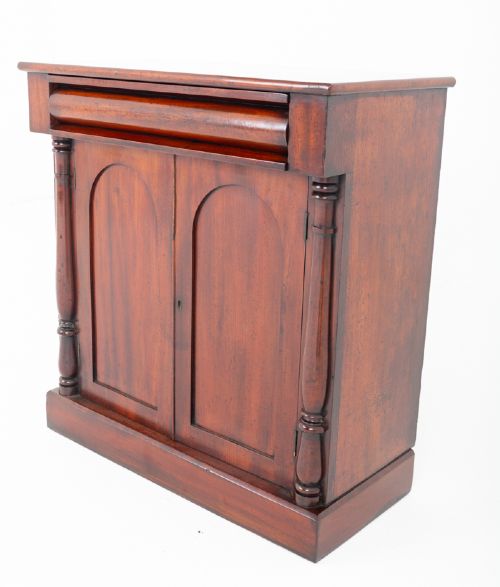
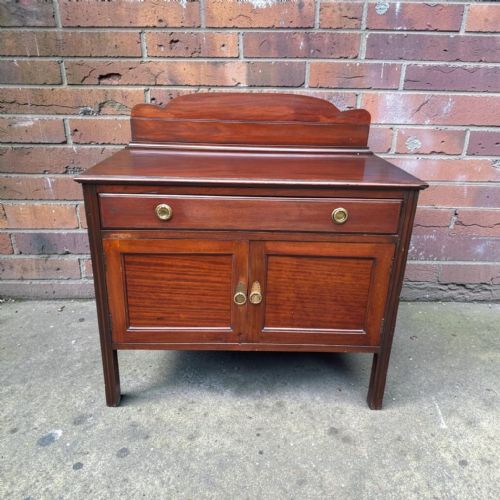
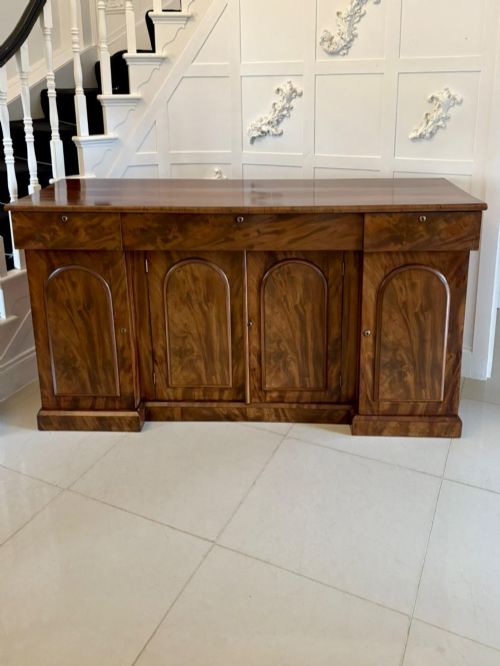
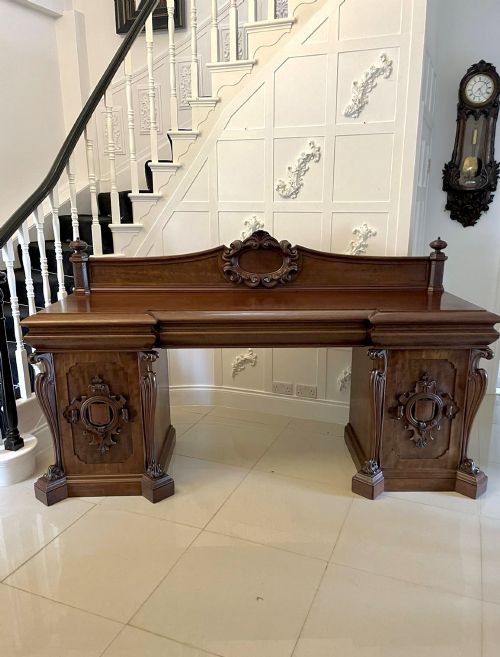
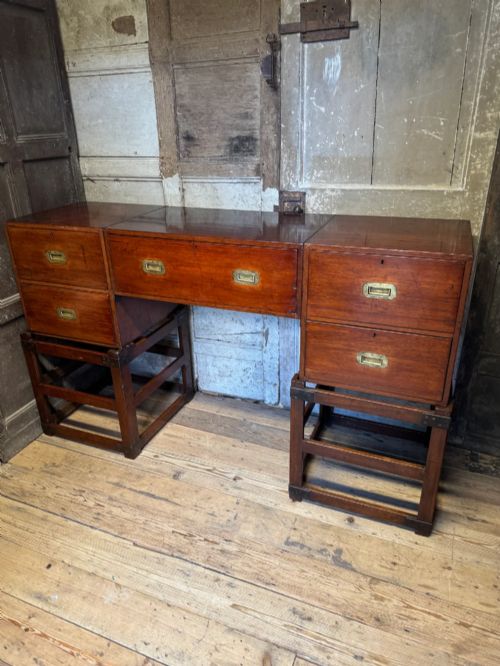
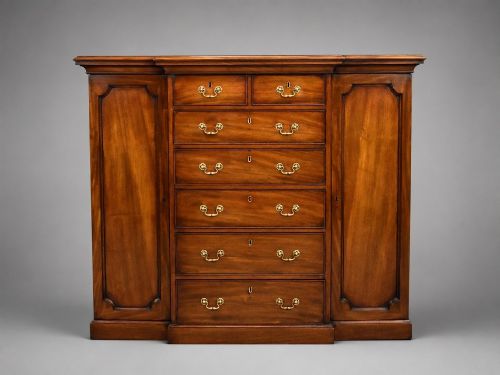
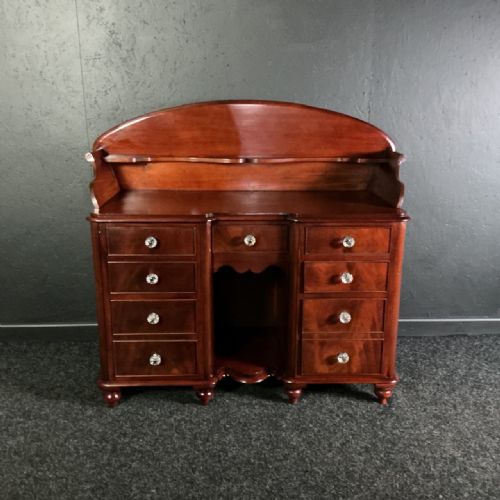

Victorian Pedestal Sideboard
A victorian pedestal sideboard commands a dining room with its substantial presence, offering a grand surface and deep cupboards for your silver and linen.
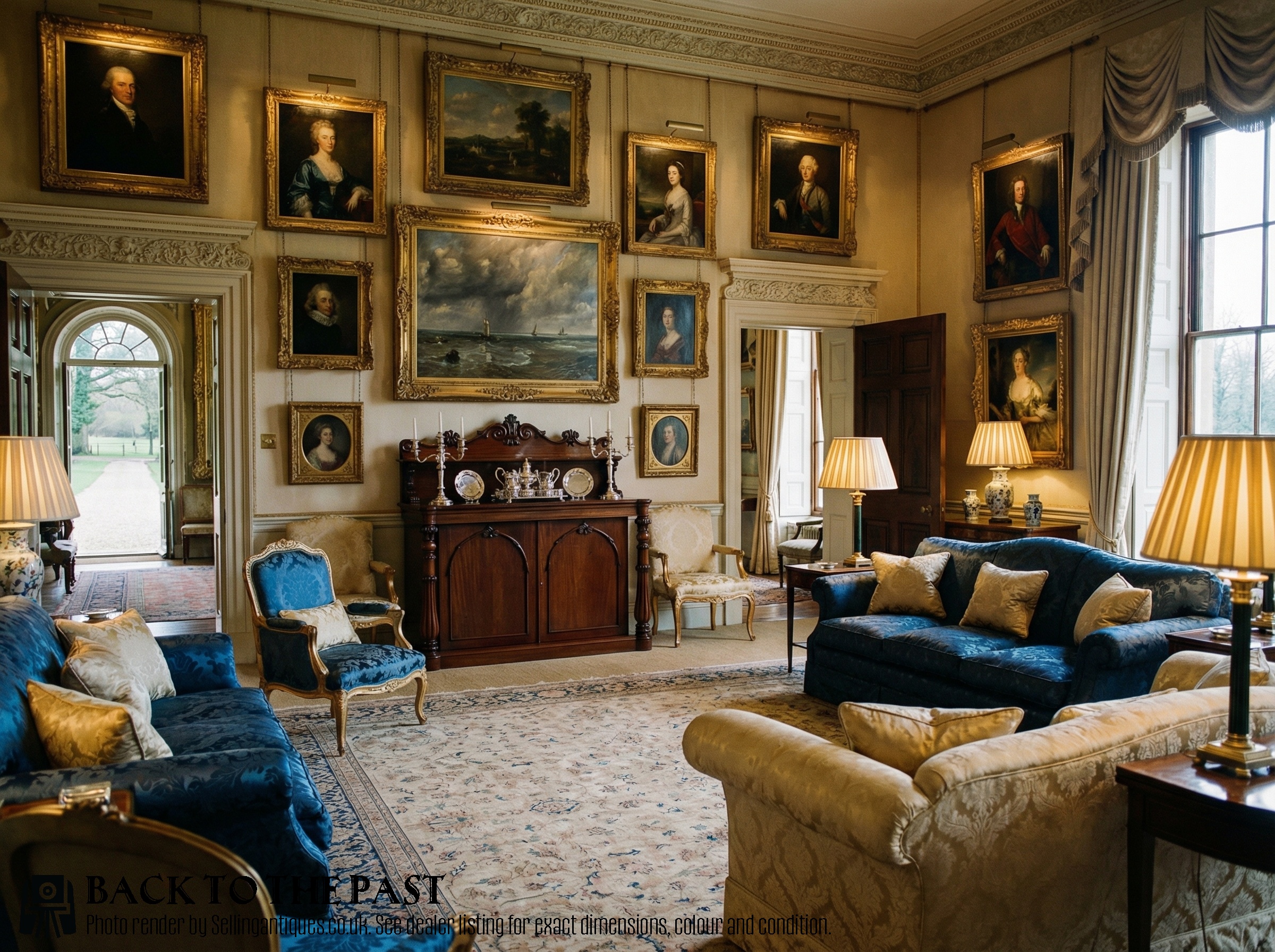
Victorian Pedestal Sideboard
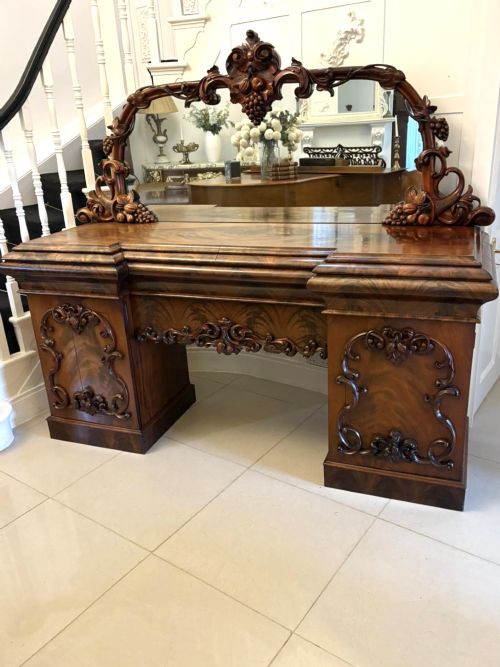
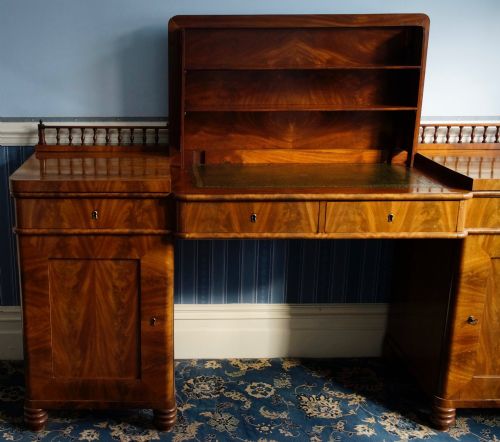
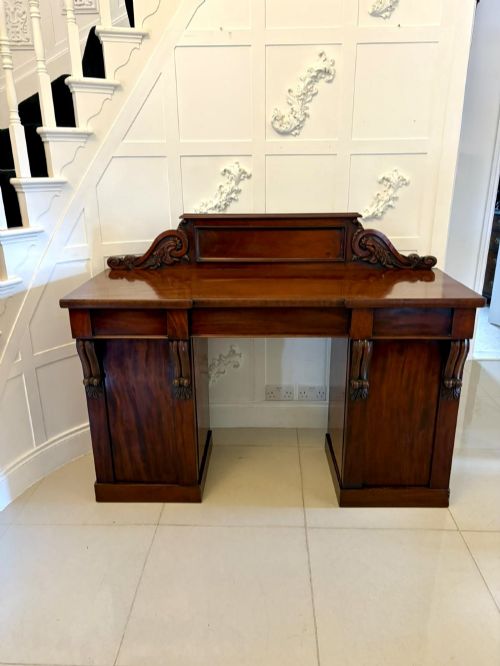
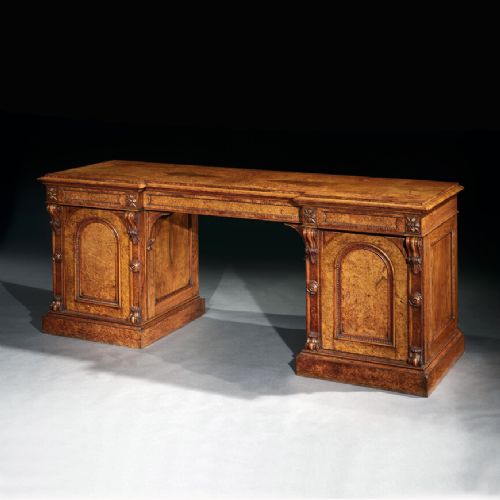
A victorian pedestal sideboard typically consists of a central serving surface flanked by two heavy pedestals enclosing cupboards or cellarets. The most common version you will encounter on this page is constructed from rich mahogany, often displaying bold grain or flame veneers.
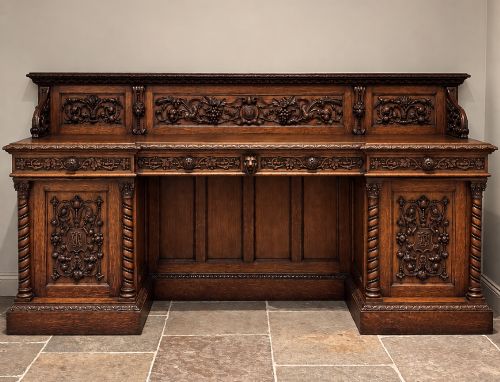
The evidence shows these pieces span various decades of the nineteenth century, including specific dates from the 1840s through to the 1880s. Alongside standard mahogany forms, variations in oak, walnut, and satinbirch appear, sometimes reflecting regional British tastes or revival styles like Gothic and Elizabethan.
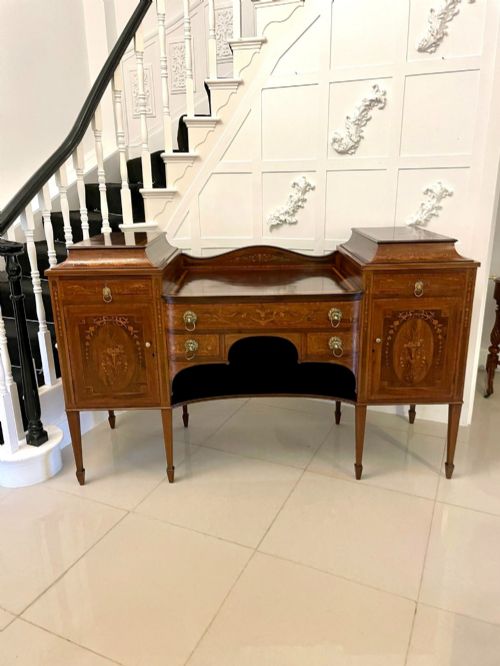
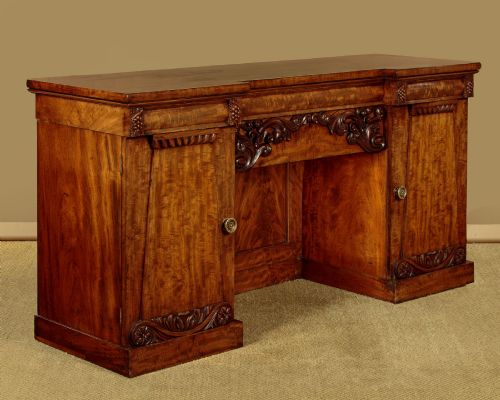
While many examples follow the traditional twin pedestal layout with breakfront or serpentine fascias, the selection also includes mirrored backs and chiffonier bases. This variety allows the furniture to suit different room proportions while retaining the functional storage central to the dining room.
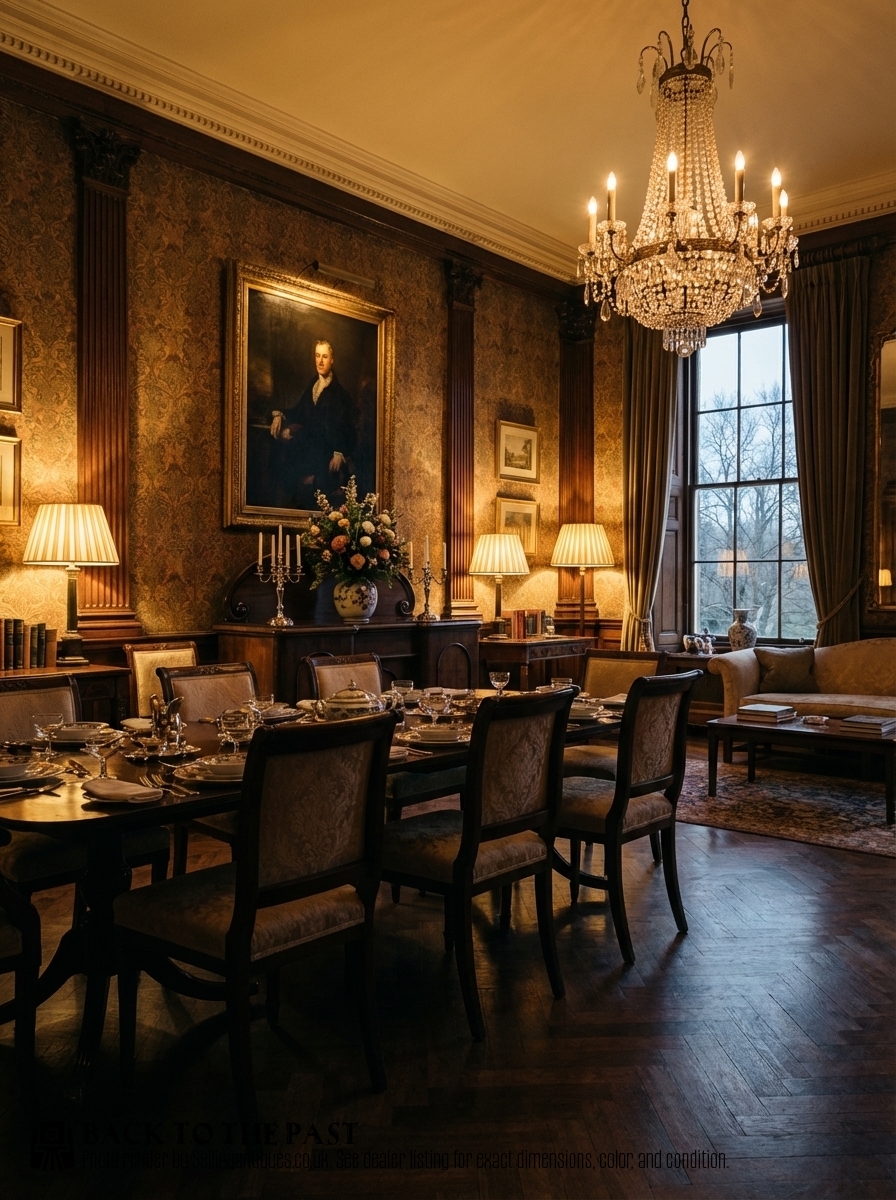
Materials and construction
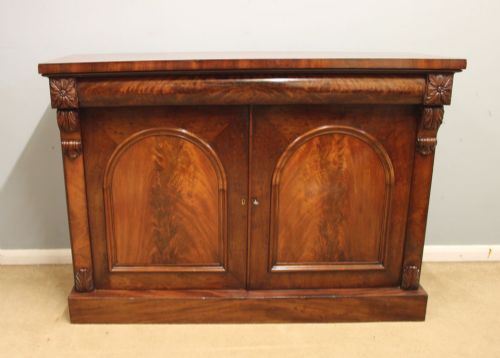
Makers built the structural carcases of these sideboards using solid timbers such as mahogany and oak, applying finely figured veneers to the drawer fronts and cupboard doors to create striking visual patterns. Flame mahogany veneer and figured mahogany feature prominently, selected for their lively grain movement and deep reddish-brown warmth.
Joinery methods relied on sturdy traditional framing, dovetailed drawer construction, and heavy panelled doors designed to support the substantial weight of the timber. Decorative details were frequently carved directly into the solid wood elements, ranging from simple mouldings to elaborate scrolling foliage and applied brackets.
Victorian Pedestal Sideboard Retail Price Guide 2026
Typical asking prices for victorian pedestal sideboard among the pieces listed under this phrase on Sellingantiques today, from the lower quarter to the upper quarter. They describe what is for sale here now, not the wider market.
The listings span the nineteenth century, incorporating oak, mahogany, satinwood, and walnut across various regional and revival styles.
Assessing quality
The standard of a piece depends heavily on the selection of timber veneers and the crispness of the carved ornamentation. Pieces displaying symmetrical flame mahogany or richly figured oak across every door and drawer front represent a more considered choice than those utilising plain, uniform boards.
Proportion and scale also dictate the hierarchy of these items, with exceptionally small proportions or very large grand formats commanding attention for their design ambition. Furthermore, integrated mirror backs with heavy architectural pediments and well-executed interior cellaret drawers indicate a higher grade of workshop production.
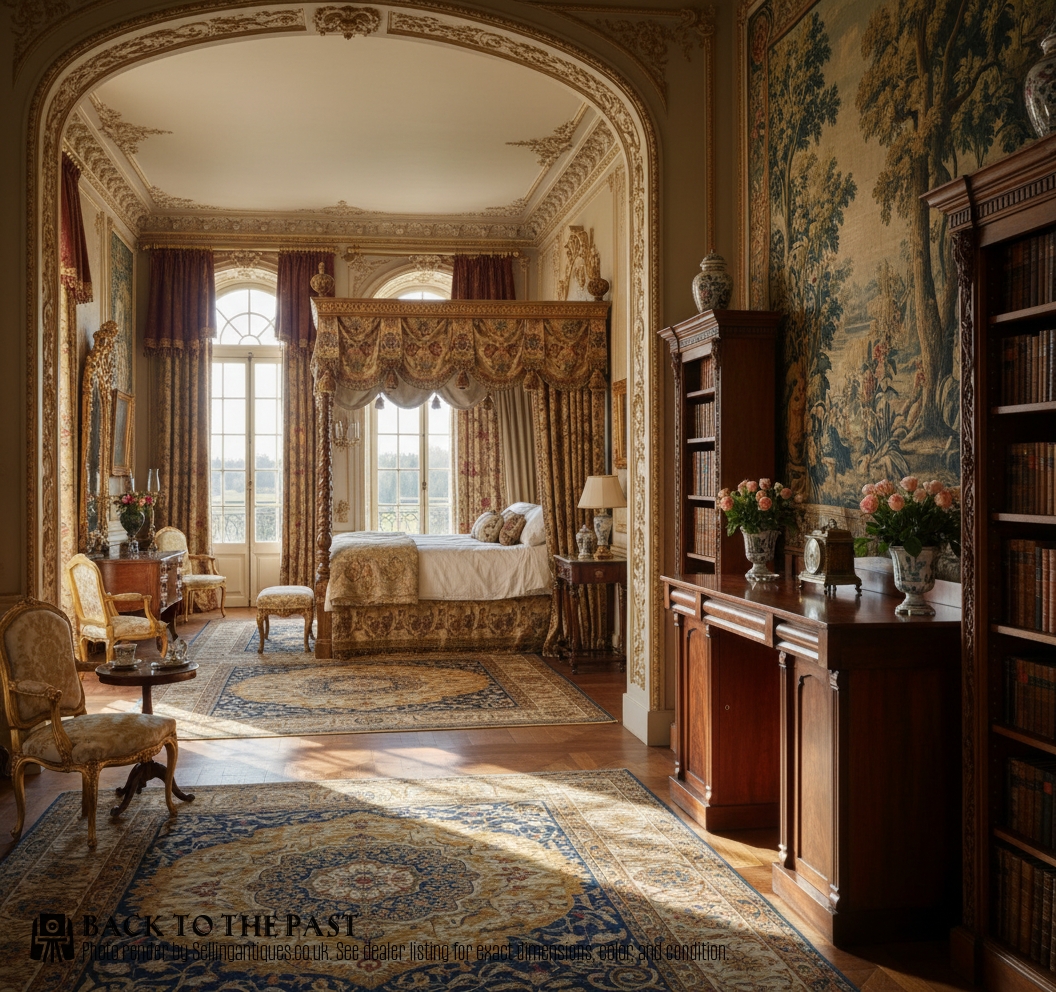
Hewetsons London
The Victorian Pedestal Sideboard Glossary
- Pedestal
- A structural support beneath a desk or sideboard that usually contains a cupboard or drawers. In these dining pieces, two pedestals flank the central recess.
- Cellaret
- A fitted compartment inside a pedestal cupboard designed originally to hold wine bottles securely on ice or in racks. They often feature lead lining or specialised internal divisions.
- Chiffonier
- A low sideboard or cabinet developed during the nineteenth century, sometimes featuring a raised back shelf or mirrored superstructure for display.
- Breakfront
- A piece of furniture where the central section projects forward from the flanking pedestals or cabinets. This architectural device creates depth and shadow on the main facade.
- Marquetry
- Decorative inlay work using various coloured woods to form geometric or floral patterns. It appears on select refined surfaces across the period.
Victorian Pedestal Sideboard: Frequently Asked Questions
What is a pedestal sideboard?
A pedestal sideboard is a heavy dining room furniture form featuring a central surface flanked by two substantial cupboards or pedestals. These pieces were designed to anchor large dining spaces and provide extensive storage for tableware.
The layout typically includes drawers beneath the top surface and deep compartments within the pedestals for bottles or heavy serving dishes. Their robust scale reflects the formal dining habits of the nineteenth century.
How do I care for mahogany?
Mahogany surfaces require minimal maintenance beyond regular dusting with a soft, dry cloth to prevent the accumulation of abrasive particles. Avoid placing the timber in direct sunlight or near heat sources to protect the polished finish and prevent veneer lifting.
Occasional application of traditional beeswax helps nourish the wood and maintain its deep lustre without sealing the pores. Treating the surface gently ensures the antique finish survives for future generations.
Where should I place a sideboard?
These large sideboards suit principal dining rooms or spacious entrance halls where their substantial proportions can be appreciated without cluttering the floor plan. Ensure the wall space can accommodate the width and that clearance allows the heavy pedestal doors to open fully.
Because many examples incorporate mirrors or tall carved backs, check the ceiling height before positioning the piece beneath artwork or architectural mouldings. Balance the heavy visual weight of the timber with adequate surrounding space.
How do I distinguish early pieces?
Early nineteenth-century examples often display simpler, restrained classical lines, sometimes associated with the William IV period, before the heavier Victorian carving became dominant. Examining the secondary timbers inside the drawers and the construction of the backboards helps reveal the period of manufacture.
Older pieces generally utilise hand-cut dovetails and solid timber carcases rather than the machine-sawn components seen in later decades. Subtle shifts in hardware style, from plain turned wooden knobs to heavy brass ring handles, also guide dating.