

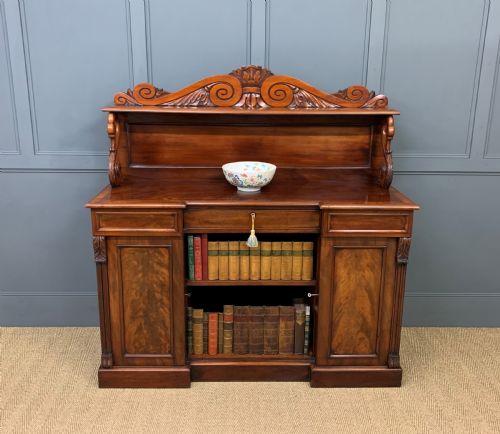
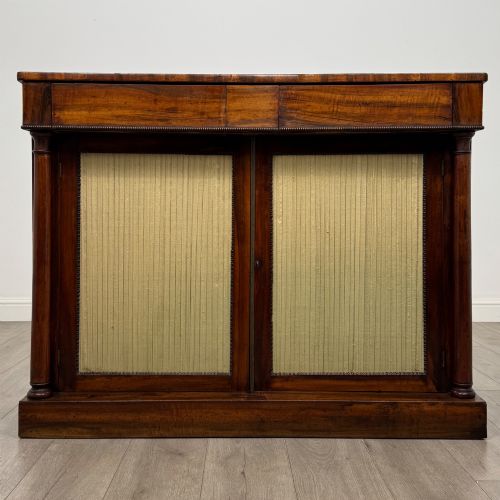
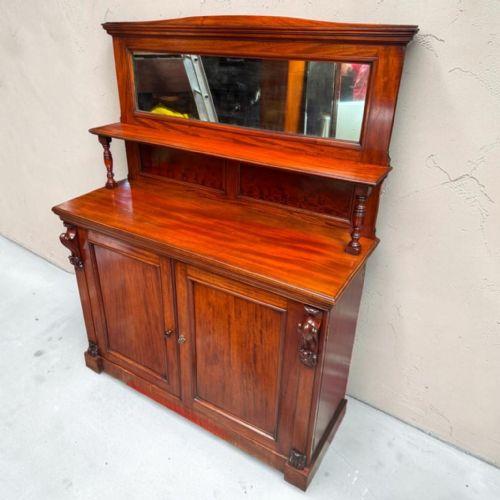
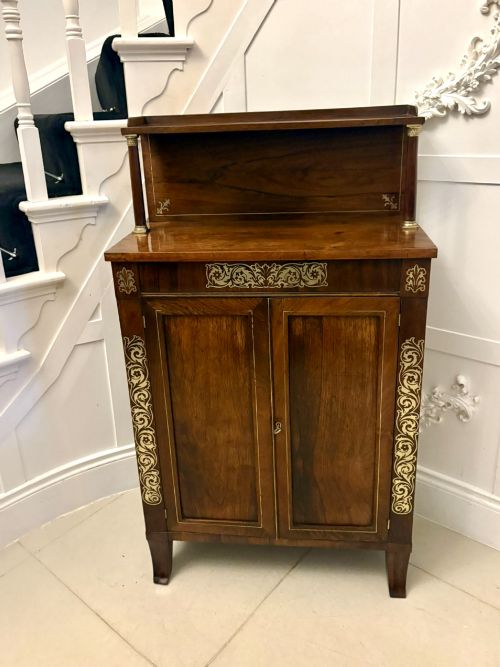
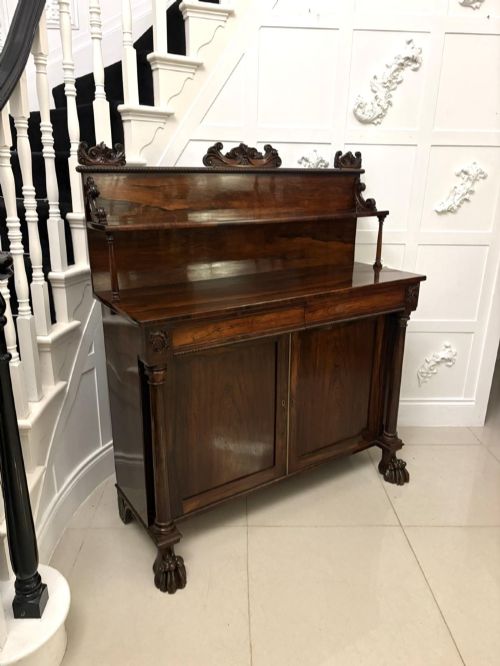
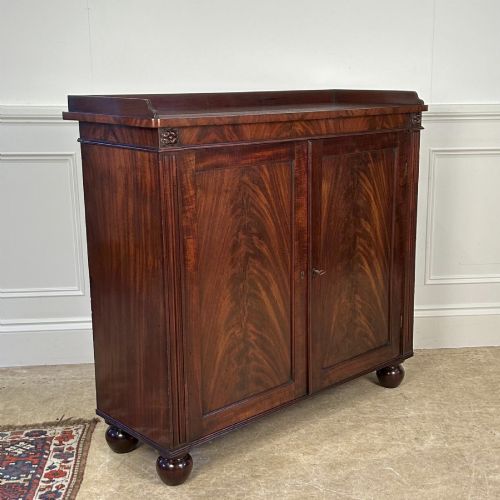
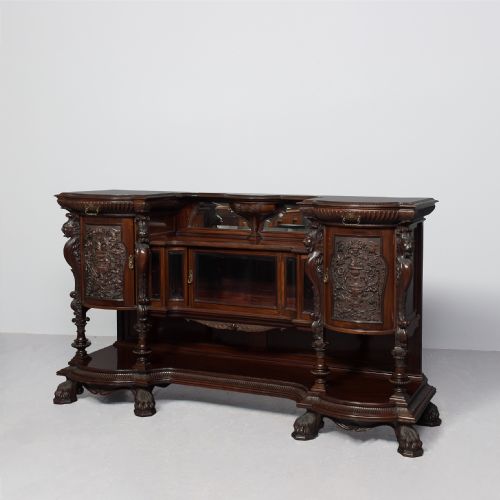
Mahogany Chiffonier Sideboard
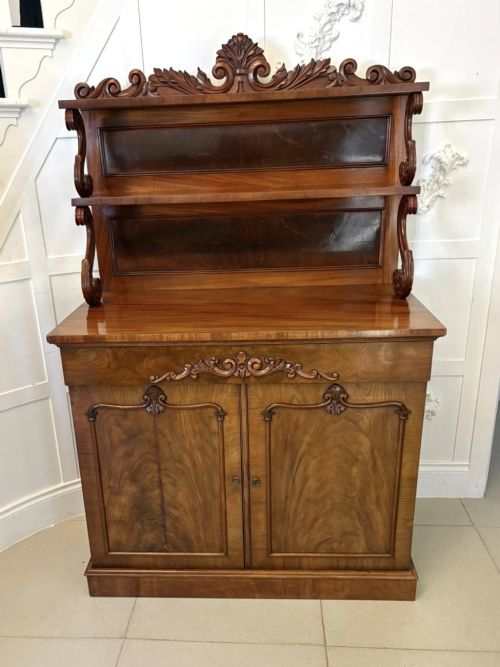
When searching for a mahogany chiffonier sideboard, a buyer meets a compact, shelved cabinet designed for dining rooms during the Georgian, Regency, and Victorian periods.

Mahogany Chiffonier Sideboard
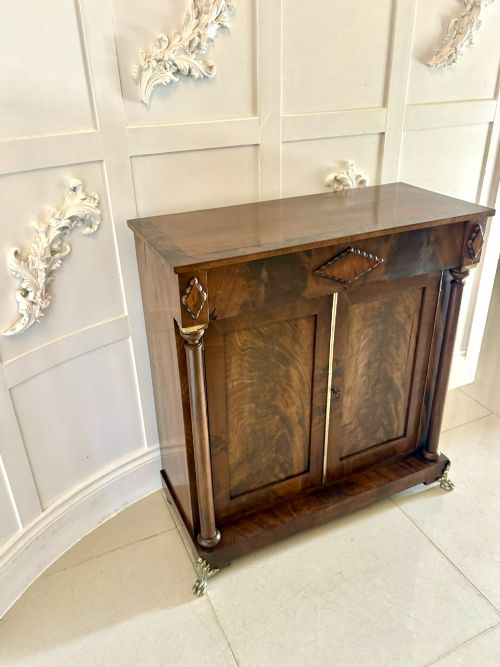
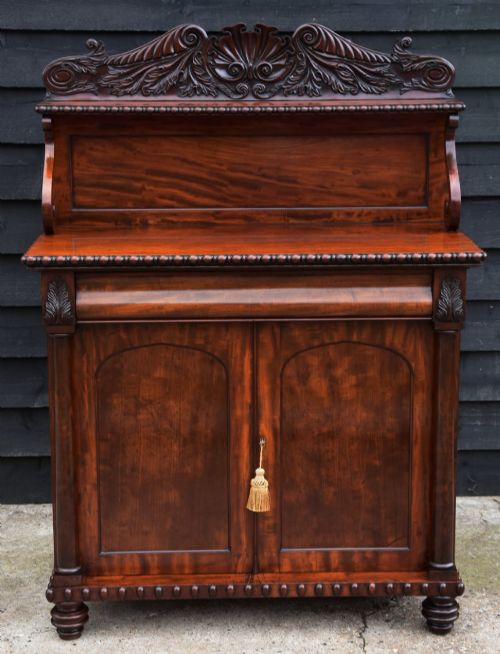
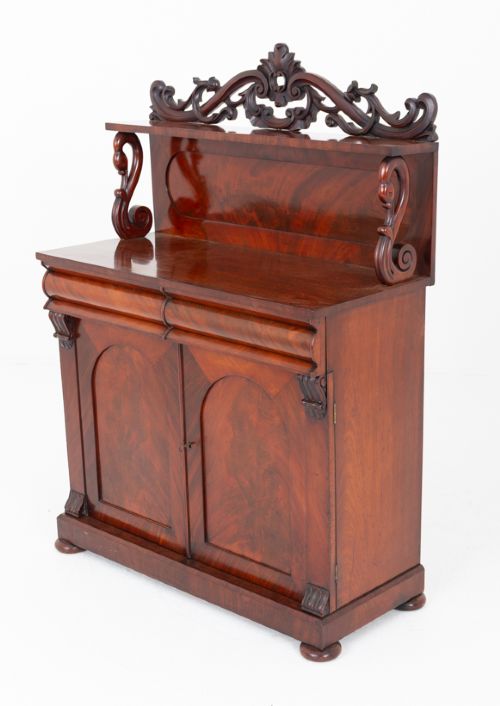
A mahogany chiffonier sideboard combines enclosed lower cupboards with display shelves or a raised superstructure, serving as a versatile storage and serving piece for the dining room. These low cabinets evolved from larger sideboards to fit more intimate Victorian and Regency interiors while retaining practical surface space.
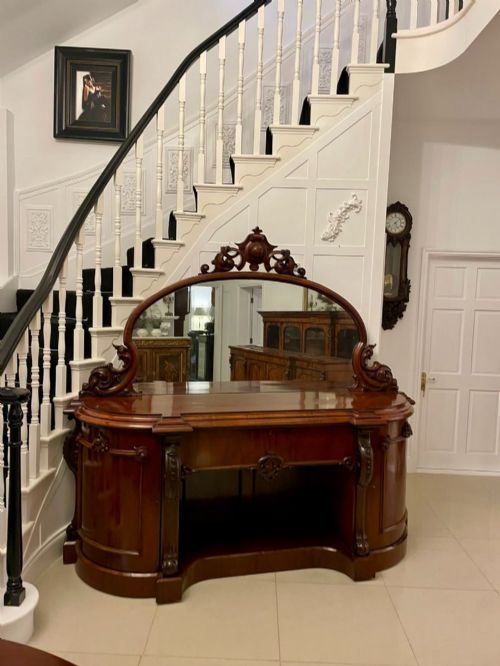
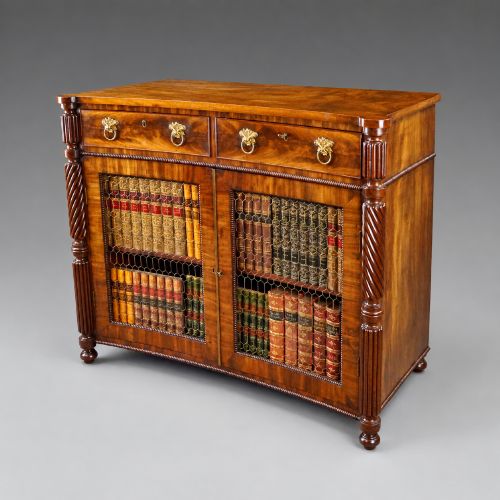
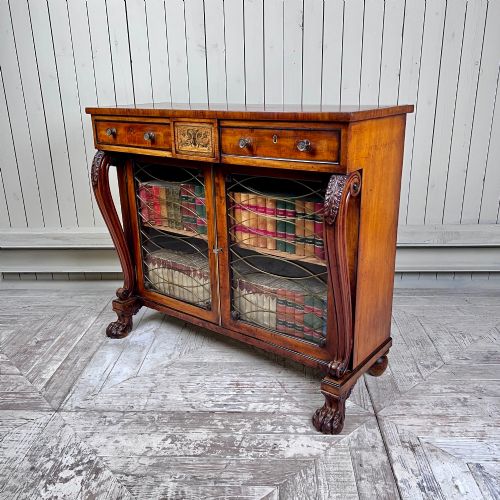
The versions most frequently met on this page span the 19th Century, particularly the Victorian and Regency eras. Many examples feature two-tiered formats, mirror backs, or brass-inlaid bookcases that reflect changing domestic habits across the decades.
How They Were Made
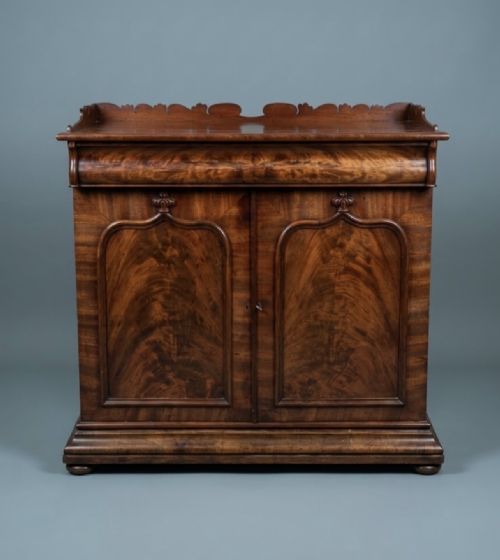
Cabinetmakers utilised solid mahogany and flame mahogany veneer applied to sturdy secondary timbers to create rich, figured surfaces on doors and drawer fronts. The natural grain patterns dictated how veneers were matched across panels.
Assembly relied on traditional joinery methods, supplemented by brass inlays, glass panels, and mirror glass. Carved details such as scrolls or barley twist columns frequently adorn the uprights of Victorian pieces.
Mahogany Chiffonier Sideboard Retail Price Guide 2026
Typical asking prices for mahogany chiffonier sideboard among the pieces listed under this phrase on Sellingantiques today, from the lower quarter to the upper quarter. They describe what is for sale here now, not the wider market.
Listings feature 19th Century, Victorian, Regency, and Georgian periods, utilising flame mahogany, brass, and mirror glass.
What Varies in Quality
The selection of timber grain heavily influences visual impact, with symmetrical flame mahogany veneers setting finer pieces apart from plain stock. Richness of colour and careful book-matching demonstrate higher craftsmanship.
Execution of carved details, structural crispness of mouldings, and the integration of secondary materials like brass grilles or fine mirror glass distinguish workshop standards. A well-proportioned silhouette remains central to an accomplished build.

Gillows
The Mahogany Chiffonier Sideboard Glossary
- Chiffonier
- A low, compact sideboard or cabinet featuring cupboards below and often a shelf or superstructure above. This form became popular during the Regency and Victorian periods for storing dining silver and linens.
- Flame Mahogany
- A wood veneer cut from the fork of the mahogany tree to produce a dramatic, flame-like grain pattern. Makers prized this figure for principal display surfaces.
- Superstructure
- The raised upper portion of a cabinet, often comprising shelves, mirrors, or galleries. It added height and display capability to otherwise low sideboards.
- Secretaire
- A drawer fitted with a drop-front writing surface and internal pigeonholes. Found in select side cabinets alongside standard cupboard storage.
Mahogany Chiffonier Sideboard: Frequently Asked Questions
What is a chiffonier sideboard?
A chiffonier sideboard is a low cabinet designed for dining rooms, offering enclosed cupboard storage below and frequently a shelf or mirror structure above.
Originally developed in the Regency period, these pieces served as convenient side tables for serving food and storing dining accessories in smaller rooms.
How do I date a mahogany chiffonier?
Dating relies on observing structural forms, timber figures, and decorative details such as brass inlay or carved scrolls. Regency examples tend to feature cleaner architectural lines, whereas Victorian pieces often introduce heavier carving and mirror backs.
Comparing the proportion of the lower cabinet and the style of any superstructure helps place the piece within the 19th Century.
Where were chiffonier sideboards used?
These cabinets primarily stood in dining rooms or parlours to hold cutlery, linens, and serving dishes. The top surface functioned as a sideboard for displaying glassware during meals.
Later Victorian variants with mirror-backed shelves also found places in drawing rooms for decorative display.
How do I care for antique mahogany?
Maintain antique mahogany by keeping the timber away from direct heat sources and sudden humidity changes. Regular dusting with a soft, dry cloth preserves the polished finish without building up residue.
Applying occasional appropriate wax helps nourish the veneer and protects the historic surface.