


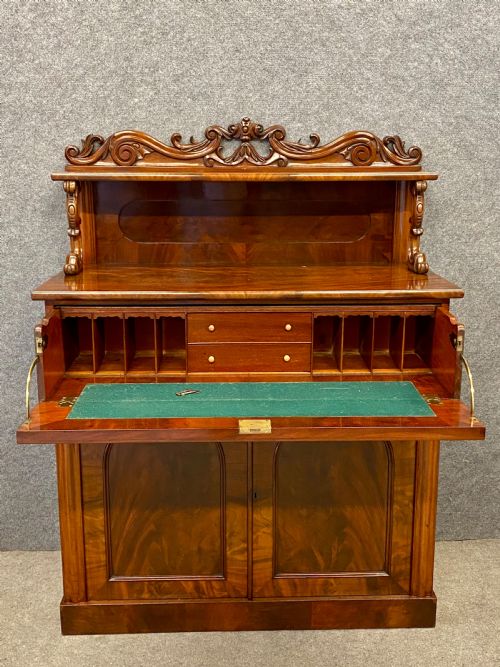

Early Victorian Chiffonier
An early victorian chiffonier combines practical lower storage with a useful display surface, offering a refined focal point for any dining or living space.
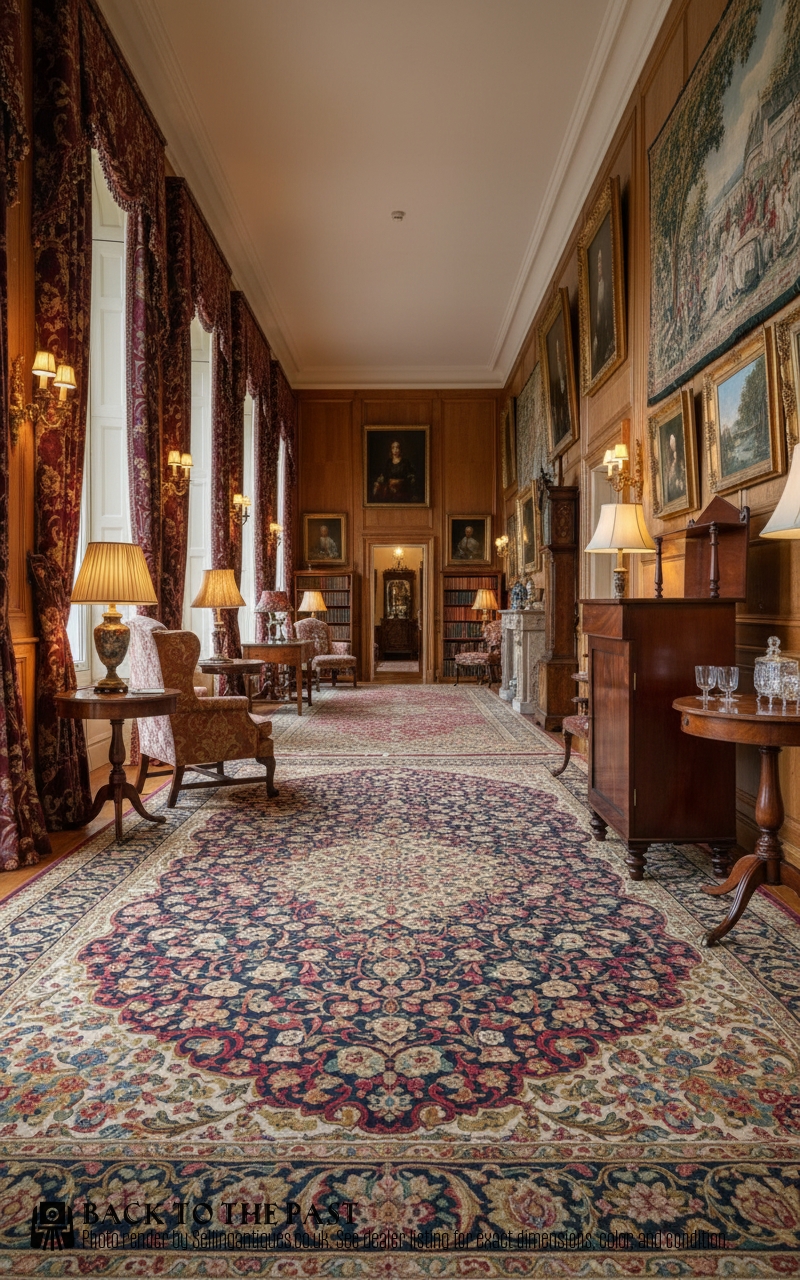
Understanding the early victorian chiffonier
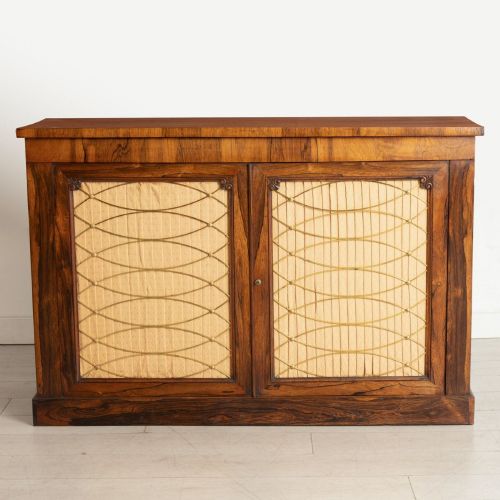
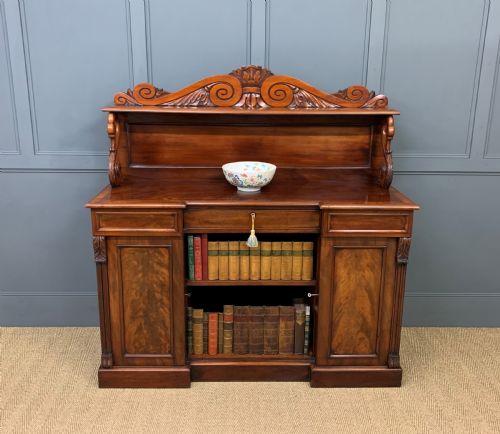
The early victorian chiffonier is a low sideboard or side cabinet designed for nineteenth-century domestic interiors, serving as both a serving surface and enclosed storage. These pieces frequently appear in forms such as two-door cupboards, dwarf cabinets, and occasionally versions fitted with upper bookcases.
Makers produced these furnishings primarily during the nineteenth century, bridging late Regency tastes and fully developed Victorian forms. Buyers encounter both compact dwarf models and grander breakfront examples within the selection.
Variants range from simple mahogany cupboards to highly figured rosewood pieces adorned with carving. Each piece reflects the functional requirements of the period, offering enclosed shelf space beneath a flat top suitable for display.
Materials and construction
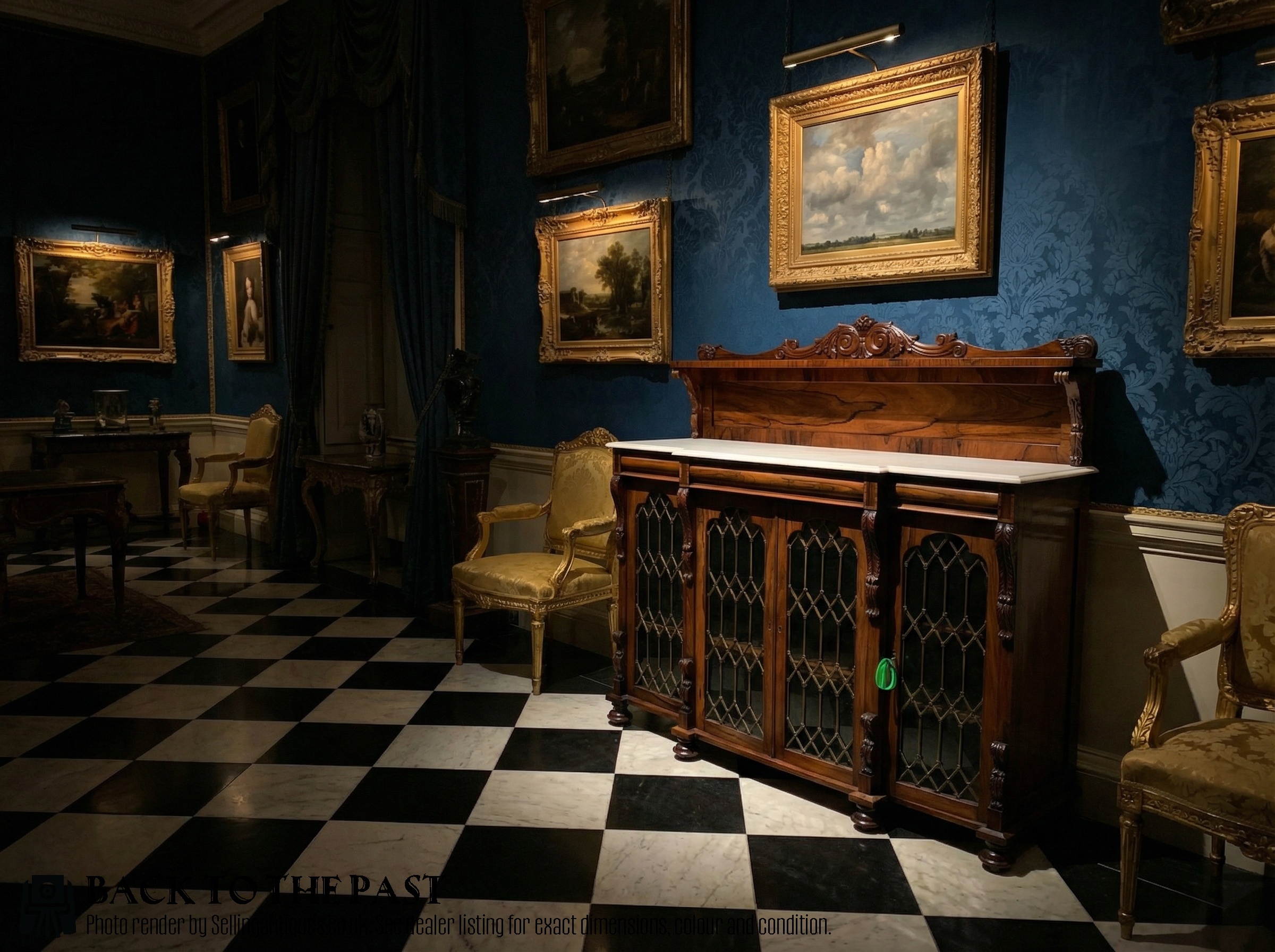
Cabinetmakers constructed these pieces predominantly using mahogany and rosewood, often selecting timber with distinct flame grain patterns. Secondary woods like pine appear in painted or internal applications, whilst brass hardware and glass doors or silk fabric panels supplement the primary structures.
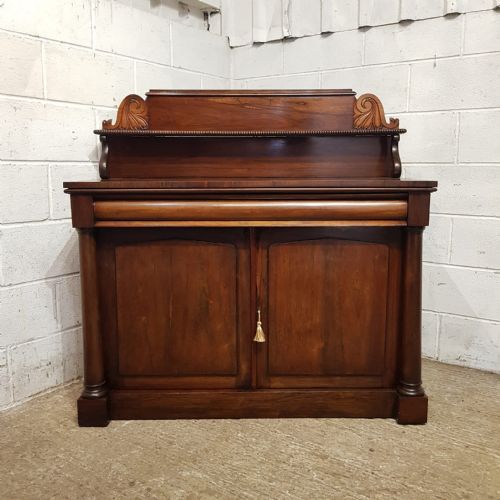
Construction techniques involve traditional joinery, housing panelled doors and occasionally incorporating carved elements such as barley twist columns. Surfaces receive polish to highlight the natural figure of the wood, whilst certain variations integrate marble tops or delicate fabric linings behind glazed doors.
Retail Price Guide 2026
Typical UK retail prices for early victorian chiffonier, calculated from the Sellingantiques database of over a million retail prices indexed since 2003. This retail price guide relies exclusively on Sellingantiques data; no external sources or auction records are used, so the figures do not describe the wider market.
Certain models feature barley twist columns that add a tactile spiral rhythm to the traditional cabinet design.
Distinctions in quality
Quality in these cabinets is determined by the selection and matching of timber veneers, particularly the use of highly figured flame mahogany or rosewood. Superior examples display meticulous attention to detail in the carving, door alignment, and the integration of secondary materials such as brass fittings.
The presence of documented makers or sophisticated architectural additions like bookcase superstructures elevates certain pieces above standard utility cupboards. Conversely, simpler constructions rely purely on the integrity of the timber and proportion rather than applied ornamentation.
Holland & Sons
The Early Victorian Chiffonier Glossary
- Chiffonier
- A low sideboard or cabinet featuring enclosed lower cupboards, frequently surmounted by a shelf or bookcase.
- Flame grain
- A distinctive veneer pattern displaying sweeping, flame-like figures, common in nineteenth-century mahogany and rosewood furniture.
- Barley twist
- A spiral turning technique utilised on columns and supports during the nineteenth century.
- Breakfront
- A piece of furniture where the central section projects forward from the flanking cabinets.
- Dwarf
- A descriptive term indicating a reduced height or compact scale relative to standard sideboards.
Frequently Asked Questions
What is an early victorian chiffonier used for?
These cabinets served primarily as dining room servers or side tables for storing tableware, linens, and serving dishes.
The flat top surface provided an ideal space for displaying decorative objects, lamps, or serving food during gatherings.
How do I identify an early victorian chiffonier?
Look for characteristic nineteenth-century proportions, lower enclosed cupboards, and timber choices such as mahogany or rosewood.
Many examples incorporate architectural details like turned columns, flame grain veneers, or upper shelving units typical of the period.
Where should I place a chiffonier at home?
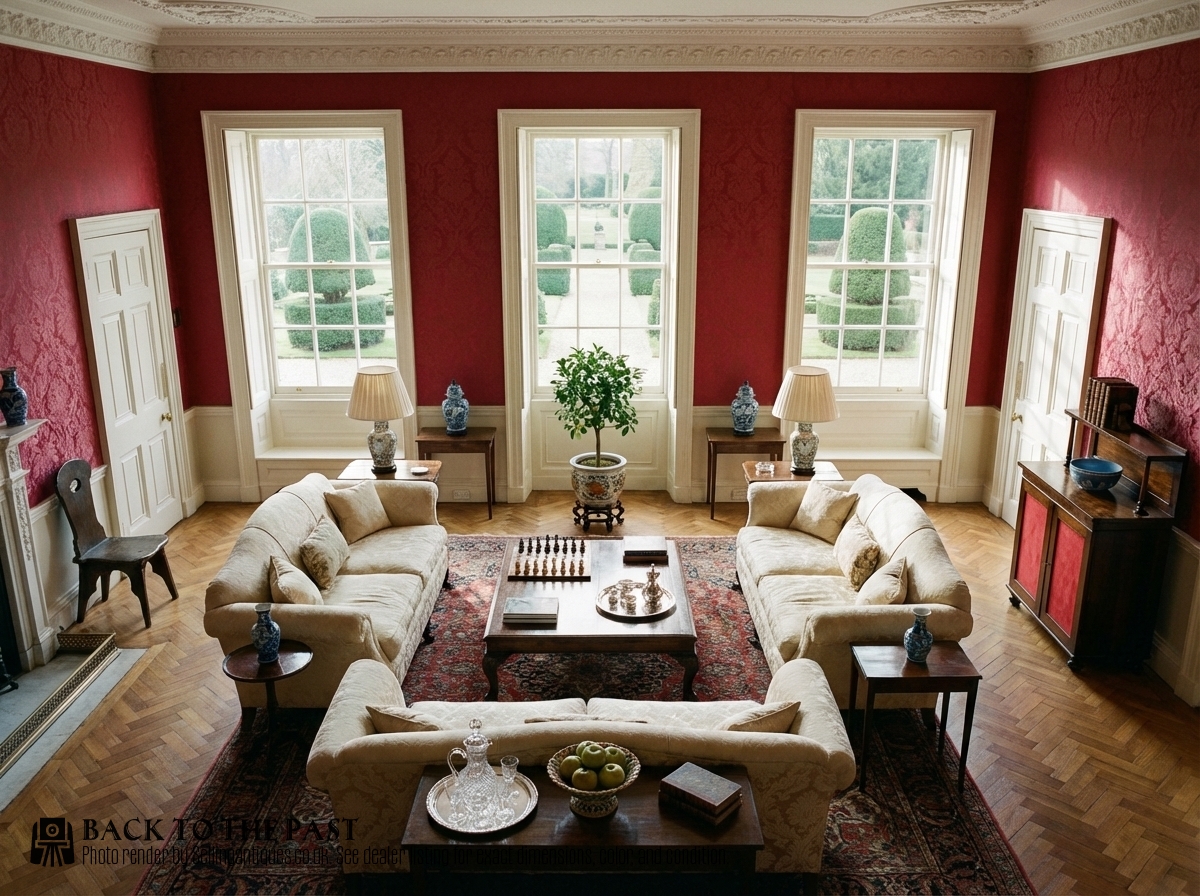
A chiffonier functions well in a dining room, hallway, or living space where its low profile maintains an open feel.
The enclosed lower cupboards offer practical storage for books or tableware while keeping the room uncluttered.
What is the difference between a chiffonier and a sideboard?
While both serve similar storage functions in nineteenth-century interiors, a chiffonier is typically smaller and more compact than a full sideboard.
Chiffoniers frequently feature enclosed cupboards beneath the main surface, and many historical variants include an upper shelf or bookcase.