

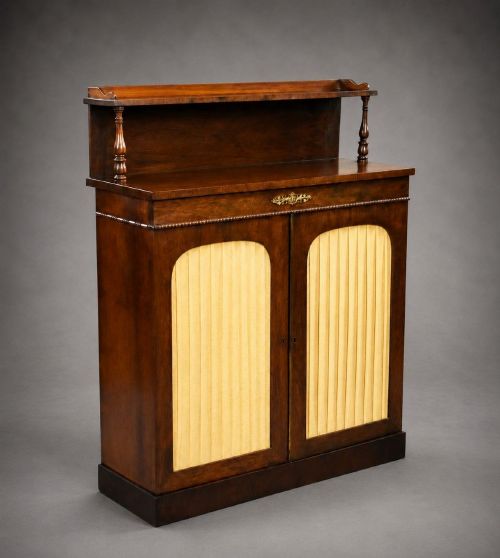


Antique Fabric Door Cabinet
An antique fabric door cabinet offers low-profile storage with textile-fronted panels, bringing refined timber and soft texture to a room.
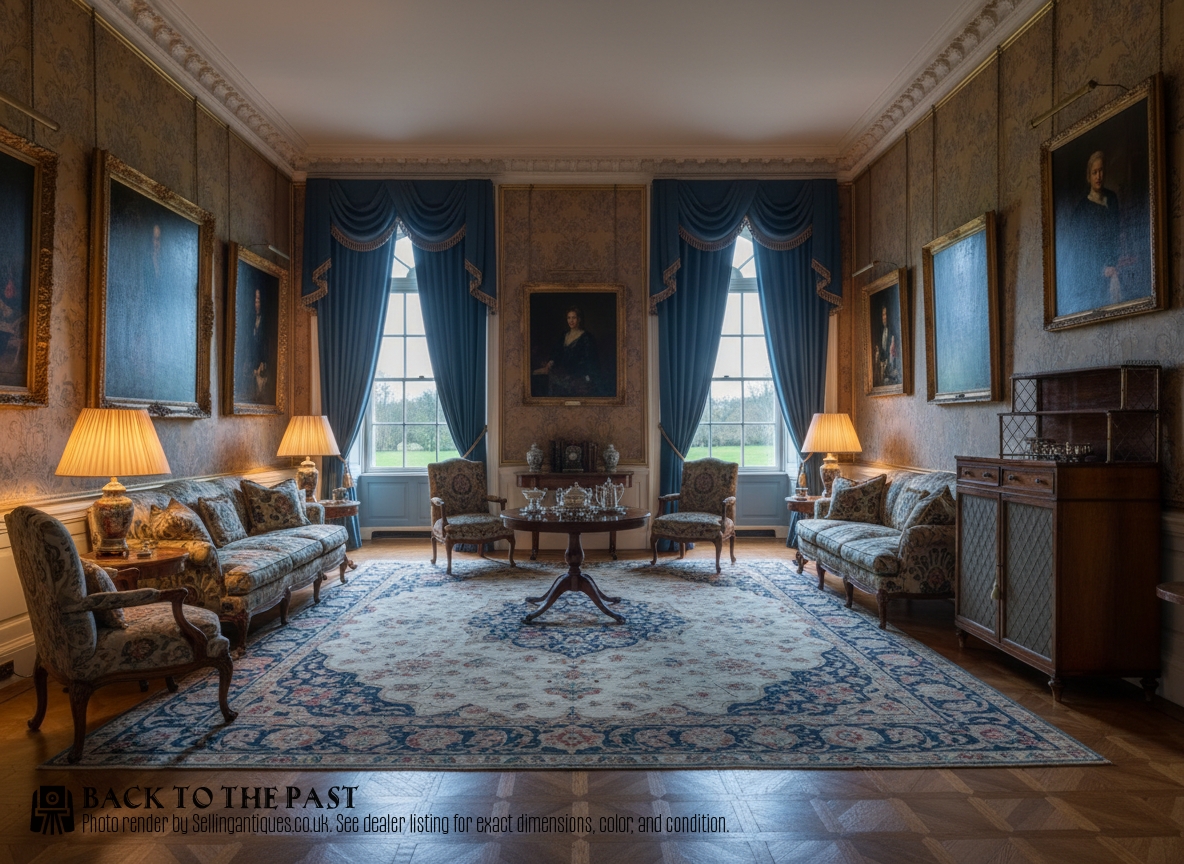
Antique Fabric Door Cabinet
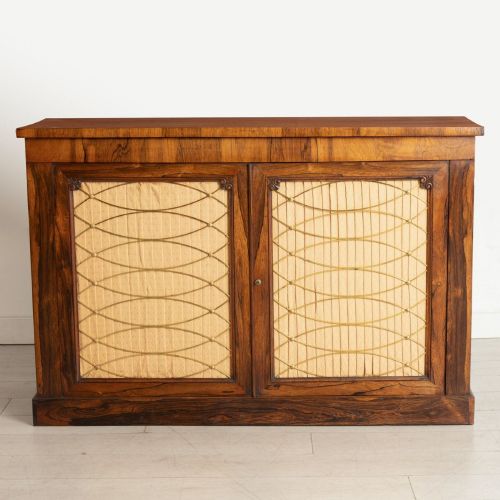
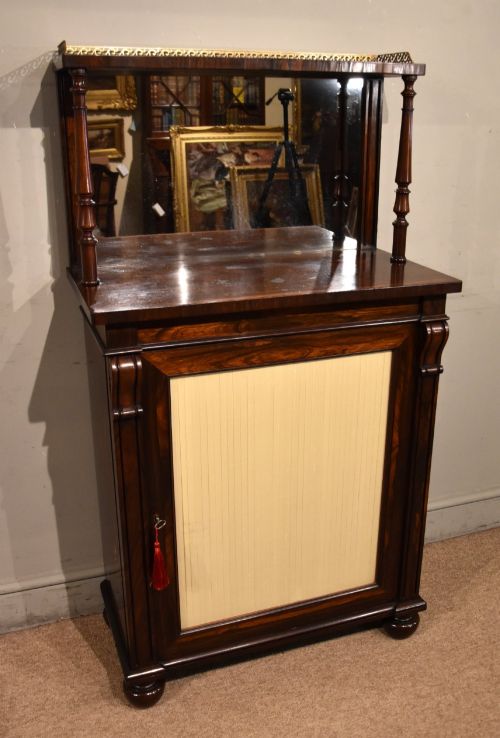
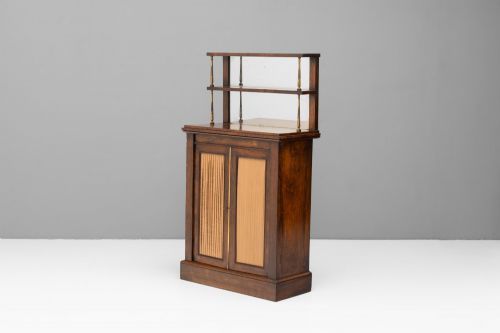
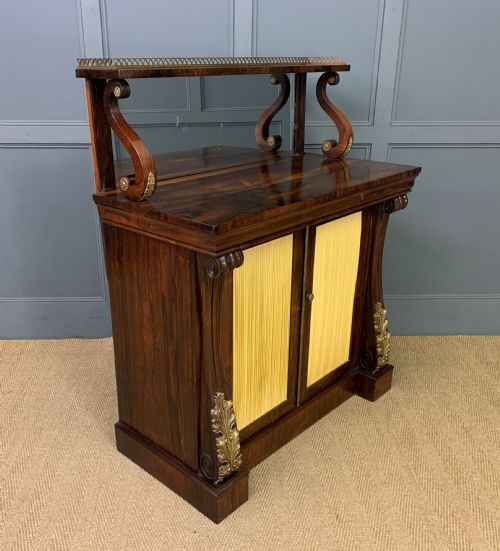
When you search for an antique fabric door cabinet, you are looking at nineteenth-century low storage pieces such as chiffoniers, side cabinets, and dwarf bookcases. The version you are most likely to meet on this page is a rosewood or mahogany chiffonier or side cabinet dating from the Regency, George IV, or Victorian periods.
These low pieces typically combine enclosed lower storage with open shelving or a mirrored superstructure above. The specific category includes breakfront side cabinets, dwarf rosewood chiffoniers, and glazed vitrines, spanning styles from grand Regency to Victorian.
Makers and workshops of the nineteenth century built these cabinets to serve practical storage needs in parlours and dining rooms. The inclusion of fabric panels softened the aesthetic, allowing pleated silks or gauzes to conceal book collections or china while introducing subtle colour and texture to the interior.
How they were made
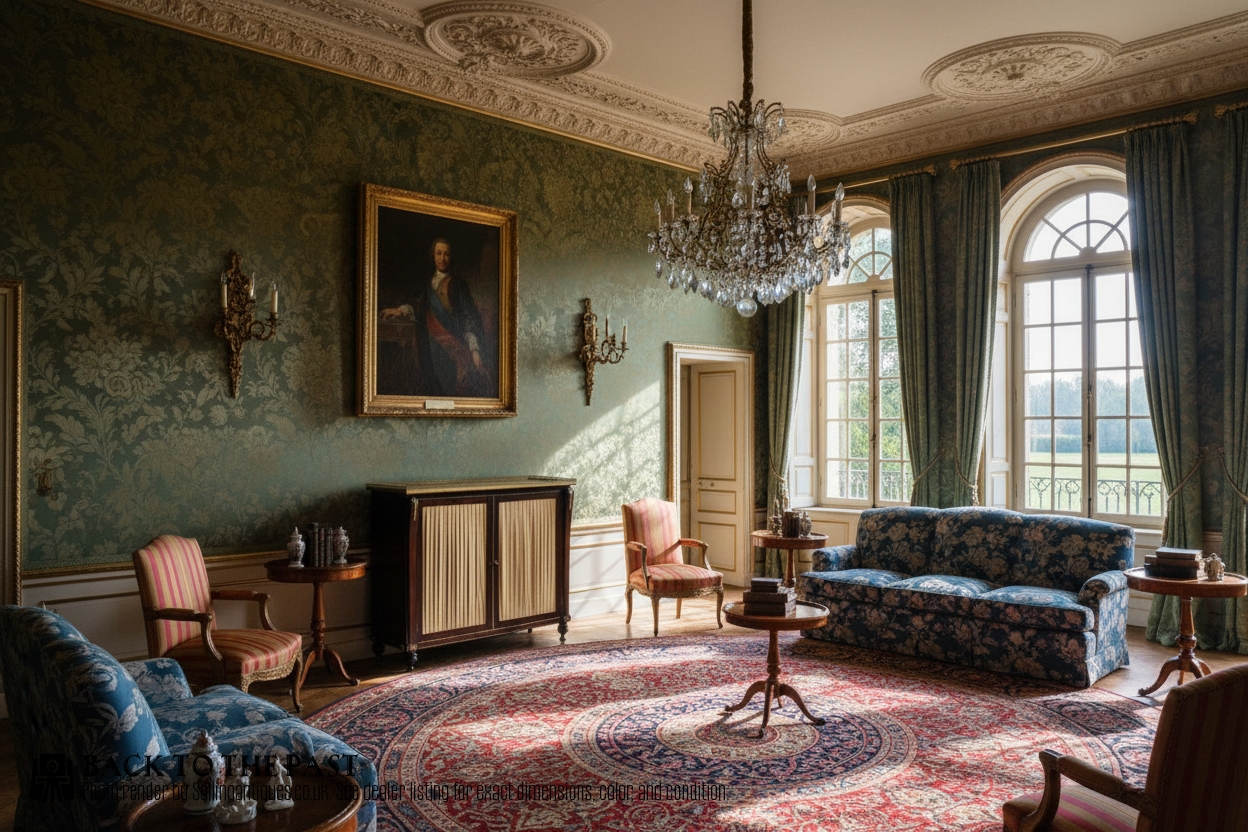
Makers constructed these cabinets using dense timbers such as rosewood, mahogany, and goncalo alves, occasionally applying simulated or faux rosewood finishes to alternative woods. Brass mounts, grilles, and mirror glass formed the primary hardware and decorative embellishments.
Cabinetmakers secured pleated fabric behind glazed or brass-grille doors to protect contents from dust while diffusing light. Figures and grain patterns in the wood received careful placement to highlight the natural beauty of the material across the front panels and doors.
Antique Fabric Door Cabinet Retail Price Guide 2026
Typical asking prices for fabric door cabinet among the pieces listed under this phrase on Sellingantiques today, from the lower quarter to the upper quarter. They describe what is for sale here now, not the wider market.
Materials recorded on this site include brass, fabric, rosewood, glass, mirror glass, simulated rosewood, mahogany, and goncalo alves.
What varies in quality
The refinement of the timber and the complexity of the brass mountings separate the finer examples from simpler workshops. Figured rosewood with rich grain variation and meticulously applied brass detailing indicate a higher standard of manufacture.
Proportion and architectural balance define the upper tier of these cabinets. Pieces that maintain clean breakfront lines, well-executed serpentine fronts, and harmonious proportions demonstrate superior craftsmanship compared to utilitarian equivalents.
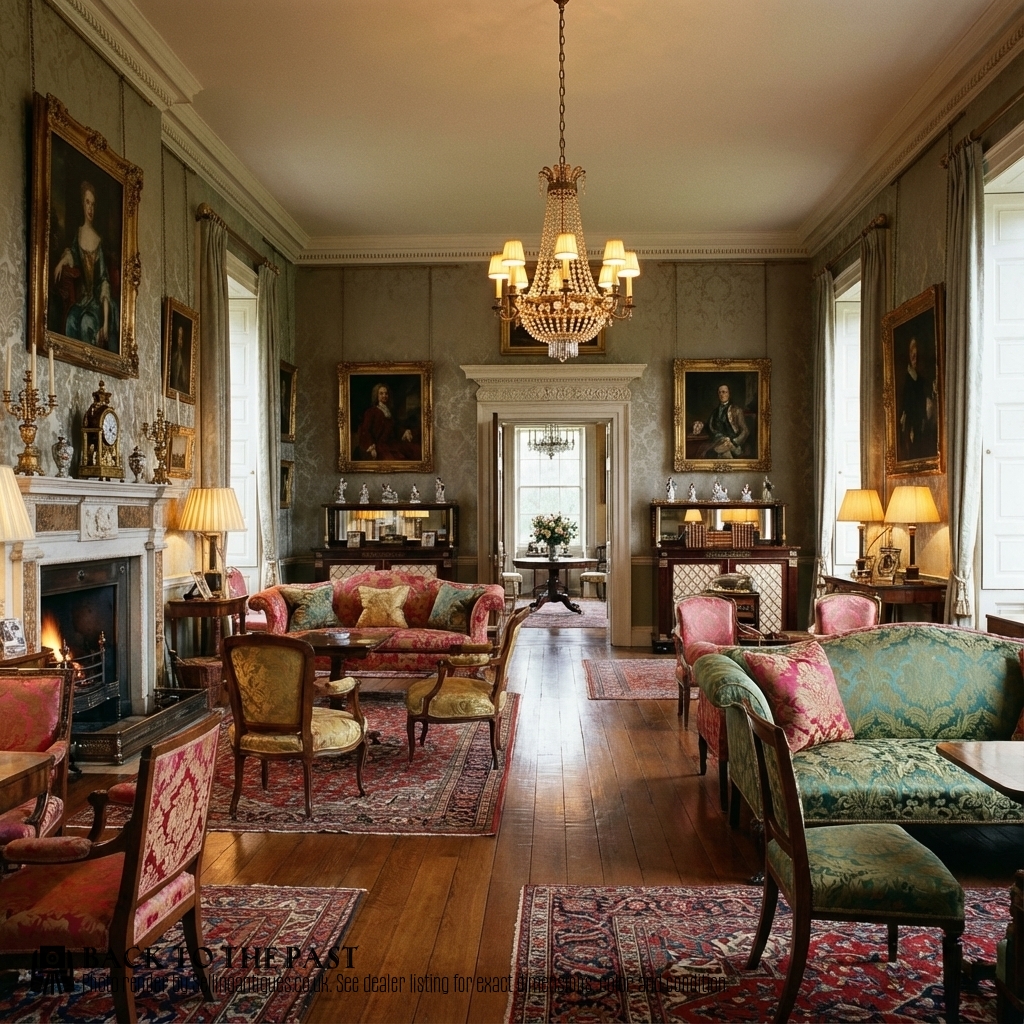
The Antique Fabric Door Cabinet Glossary
- Chiffonier
- A low sideboard or cabinet, typically featuring enclosed lower cupboards and a shelf superstructure. This form became popular during the Regency and Victorian periods for drawing rooms.
- Breakfront
- A cabinet design where the central section projects forward from the flanking wings. This architectural arrangement adds depth and visual interest to side cabinets.
- Goncalo Alves
- A dense, highly figured exotic hardwood native to South America, characterised by striking dark brown and pale contrasting streaks. Cabinetmakers utilised it for high-status Regency furniture.
- Vitrine
- A glass-fronted display cabinet designed for exhibiting porcelain, books, or small objects. These pieces often incorporate brass mounts and fine timber frames.
- Serpentine
- A curved furniture front shaped in a continuous undulating line that goes out in the centre and in at the sides. This technique requires expert joinery and timber selection.
Antique Fabric Door Cabinet: Frequently Asked Questions
What is an antique fabric door cabinet?
An antique fabric door cabinet refers to nineteenth-century low storage furniture, such as chiffoniers and side cabinets, featuring textile panels set into the doors.
These pieces combine functional timber cabinetry with pleated silk or gauze inserts behind brass grilles or glass.
Where were these cabinets placed in a home?
Makers designed these low cabinets for parlours, dining rooms, and drawing rooms where full-height bookcases would overwhelm the domestic scale.
They served to store books, linens, and tableware while providing a flat top surface for lamps or decorative objects.
How do I identify a Regency chiffonier?
Regency chiffoniers typically date from the early nineteenth century, exhibiting classical mahogany or rosewood surfaces with subtle brass mounts and turned supports.
Many examples feature a raised shelf back or mirrored superstructure above enclosed lower cupboards.
What woods were commonly used?
Cabinetmakers relied heavily on exotic and domestic timbers, particularly rosewood and mahogany, along with goncalo alves.
Some workshops also employed simulated rosewood techniques to achieve rich grain patterns on alternative base woods.