
Victorian Side Cupboard
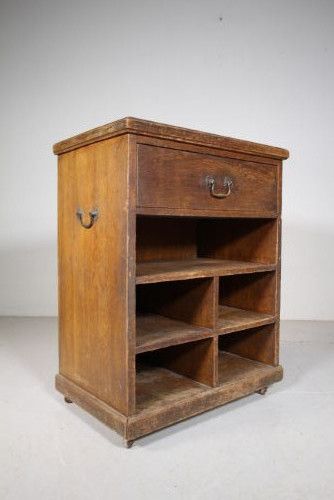
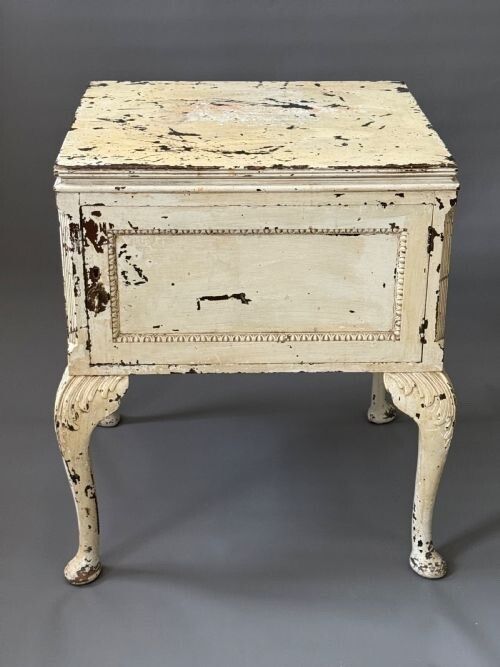
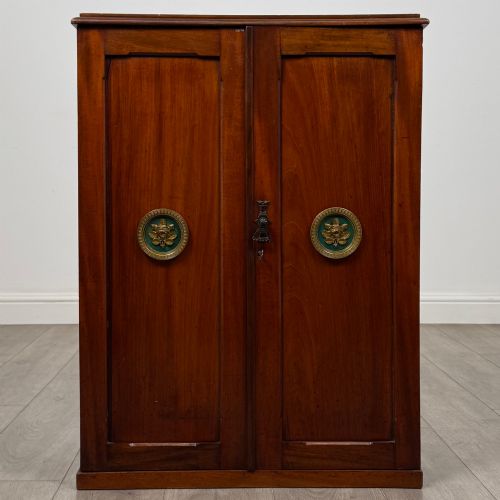
When you search for a victorian side cupboard, you explore a diverse range of nineteenth-century timber storage designed for daily utility and display.
Victorian Side Cupboard
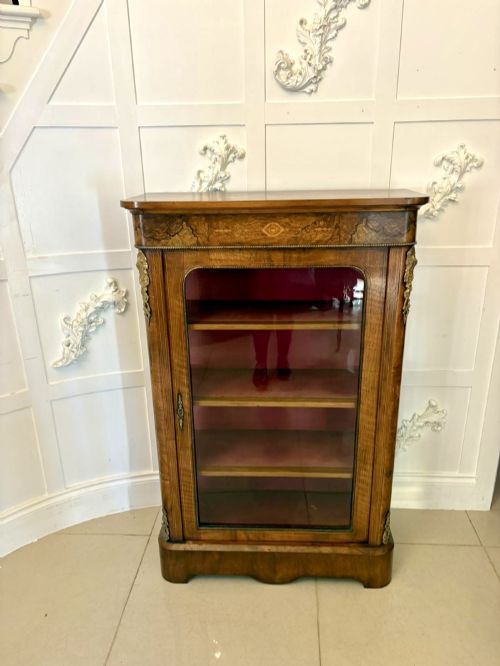
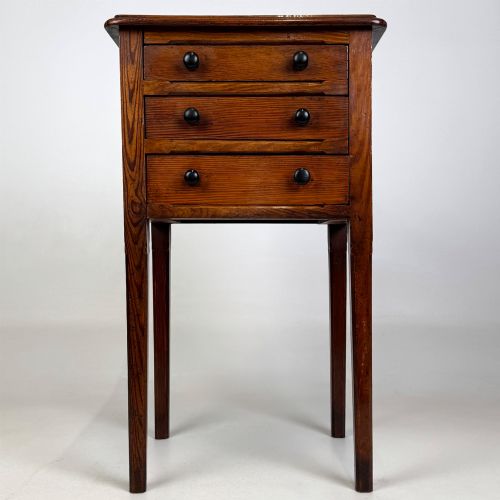
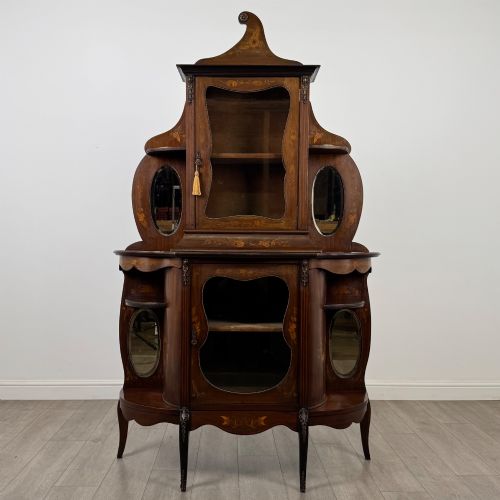
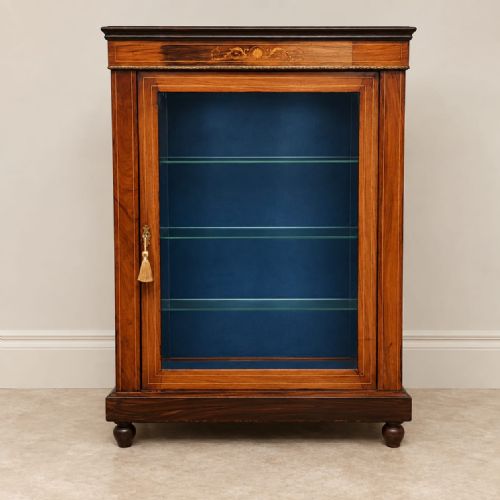
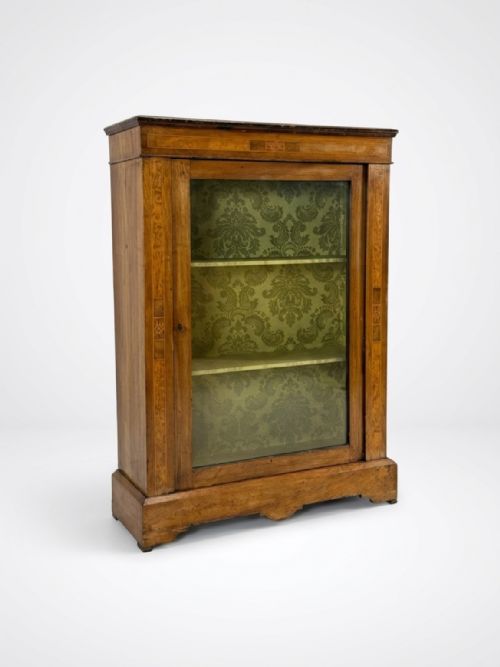
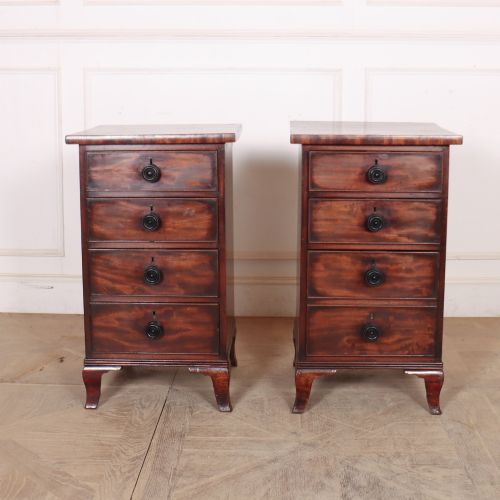
A victorian side cupboard encompasses various practical furniture forms from the nineteenth century, including bedside pot cupboards, compact nightstands, pier cabinets, and larger display or chiffonier units. These pieces served diverse domestic functions, from bedside storage to housing books, porcelain, and linens in period interiors.
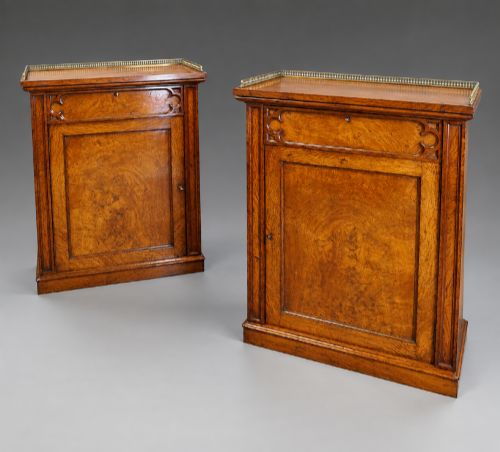
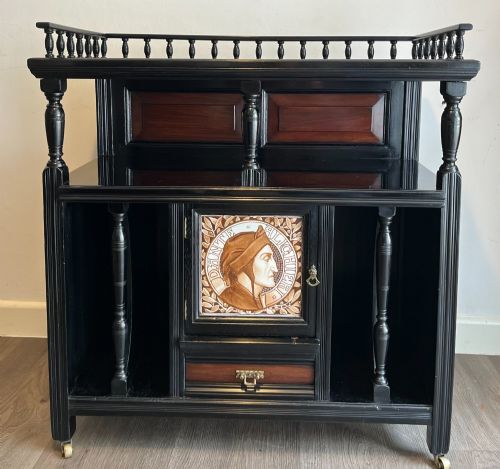
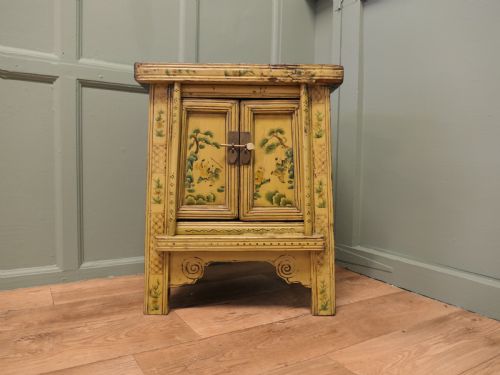
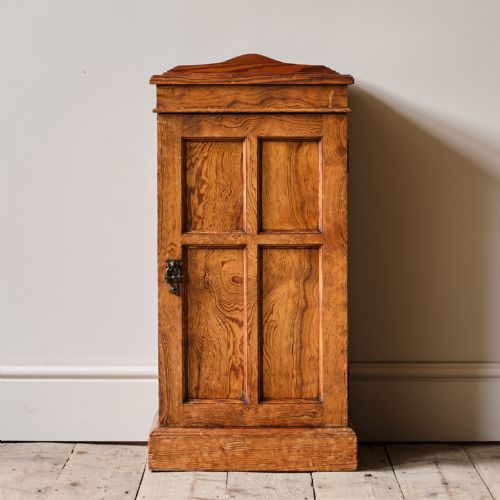
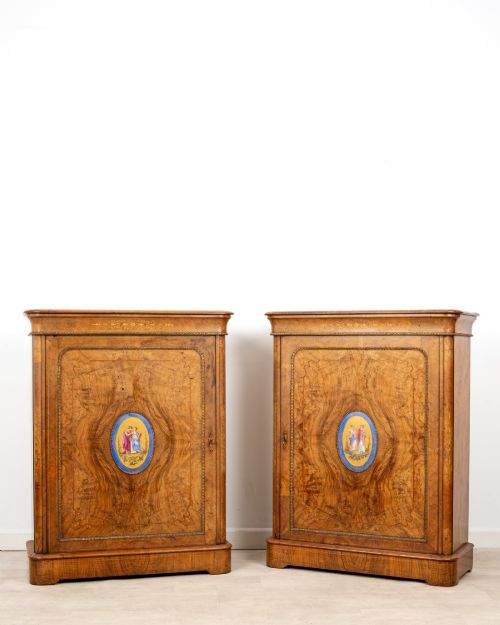
Buyers will most frequently encounter walnut, mahogany, and pine variations on this page, spanning compact one-door bedside cabinets to tall architectural pier cabinets. Styles range from plain country pine and Gothic Revival oak to highly decorative burr walnut pieces featuring intricate marquetry and porcelain plaques.
How they were made
Cabinet makers built these pieces using solid timbers like mahogany, oak, and walnut, frequently applying fine veneers such as burr walnut, rosewood, and satinwood to primary surfaces. Carved mouldings, turned elements, and applied brass or ormolu mounts added structural definition and decorative contrast to the timber carcasses.
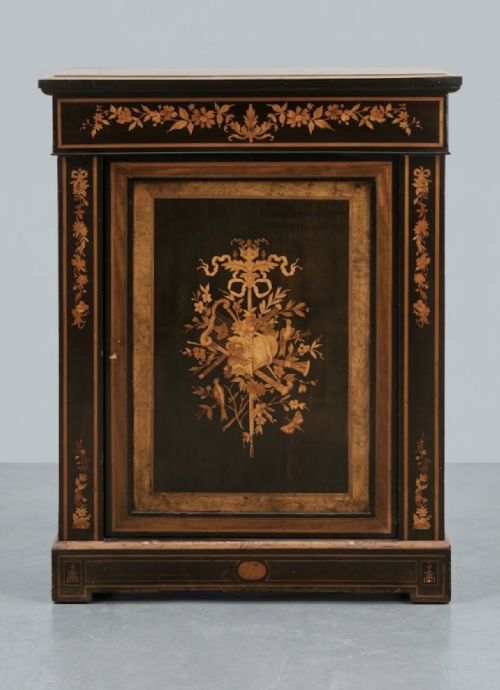
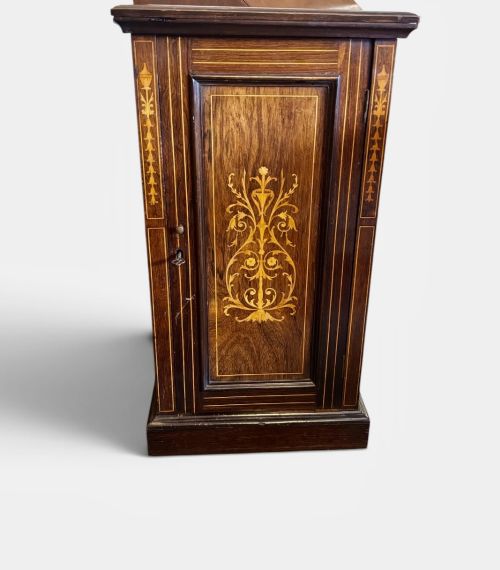
Surface ornamentation often included delicate marquetry inlay, hand-painted details, and glazed door panels designed to showcase curated collections within the Victorian home. Structural integrity relied on traditional joinery techniques, paired with marble tops on select bedside tables for added durability.
Many a Victorian gentleman relied on a discreet pot cupboard to keep his night-time porcelain strictly out of sight.
What varies in quality
The degree of material selection largely dictates the standing of an individual piece, with highly figured burr walnut veneers, dense flame mahogany, and heavy solid walnut signaling superior workshop output. Secondary timbers and internal construction details, such as drawer linings and backboards, reveal the underlying standard of craftsmanship.
The sophistication of decorative embellishment also separates standard utility items from exhibition-grade examples. Hand-carved relief work, precise marquetry, original ormolu mounts, and integrated porcelain plaques elevate the decorative ambition and overall refinement of the cabinet.
Edward Holmes Baldock·Trapnell and Gane·M Woodburn·Holland and Sons
The Victorian Side Cupboard Glossary
- Pier Cabinet
- A low display cabinet designed specifically to fit the narrow wall space between windows, frequently featuring glazed doors and elaborate veneer work. These pieces often incorporated velvet-lined interiors for displaying delicate porcelain.
- Pot Cupboard
- A dedicated nineteenth-century bedside cabinet originally constructed to house a chamber pot behind a single panelled door. They frequently include a small internal shelf and surface splashbacks.
- Chiffonier
- A low sideboard or cabinet originating in the nineteenth century, typically equipped with enclosed cupboards beneath a drawer and a raised mirrored or shelved superstructure. They served as primary storage and display furniture in dining and reception rooms.
- Burr Walnut
- A highly prized timber veneer sourced from the deformed growths or burls of walnut trees, producing a dense, swirling grain pattern. Cabinet makers used it extensively on high-end Victorian furniture for decorative impact.
- Ormolu
- Gilded bronze ornamentation applied to furniture surfaces to accentuate corners, doors, and pediments. This technique added a rich metallic contrast to dark woods like mahogany and rosewood.
Victorian Side Cupboard: Frequently Asked Questions
What is a pot cupboard?
A pot cupboard is a small bedside cabinet designed during the nineteenth century to discreetly house a chamber pot. These compact items usually feature a single door and an internal shelf.
Over time, their practical function shifted, and today collectors value them as convenient bedside tables or lamp stands that fit easily into smaller modern bedrooms.
Where were side cupboards used?
These cabinets served multiple domestic roles across different rooms, functioning as bedside nightstands, hallway storage units, or parlour display pieces. Their modest footprints made them adaptable to narrow spaces.
Larger variations stood in dining rooms and drawing rooms to store ceramics, books, and silver, while smaller cupboards remained in private chambers.
How do I identify burr walnut?
Burr walnut is instantly recognizable by its swirling, highly figured grain pattern, created from irregular tree growths known as burls. Cabinet makers sliced this wood into thin veneers to wrap around furniture carcasses.
This decorative finish reflects high-status Victorian craftsmanship, especially when paired with contrasting stringing, marquetry inlay, or gilded ormolu mounts.
Can I use a bedside cabinet today?
These nineteenth-century cabinets adapt well to contemporary interiors, functioning naturally as bedside tables, lamp stands, or small storage lockers. Their enclosed cupboards conceal modern charging cables and personal items effectively.
Placing them in a hallway or living room introduces historic character and useful surface space without dominating the room layout.