
Single Door Side Cabinet
A single door side cabinet offers compact storage through a tidy footprint, bridging display and utility across Victorian, Edwardian and Regency periods.
Single Door Side Cabinet
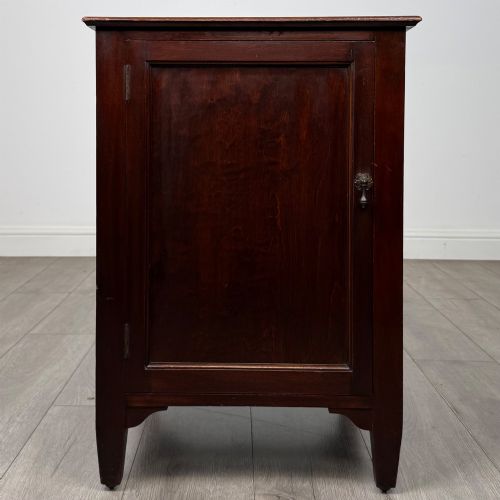
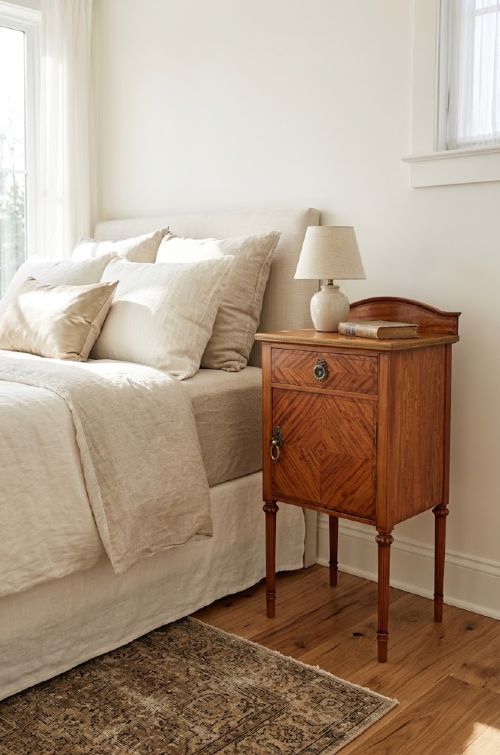
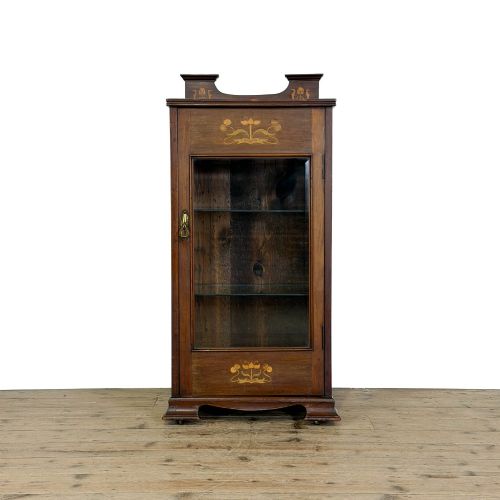
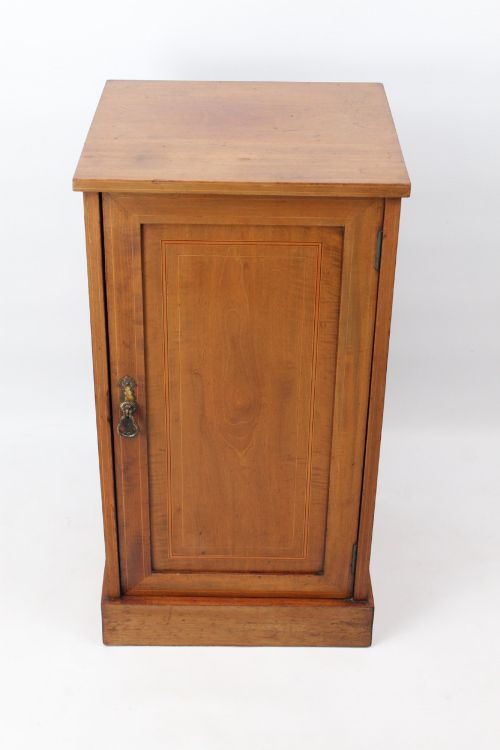
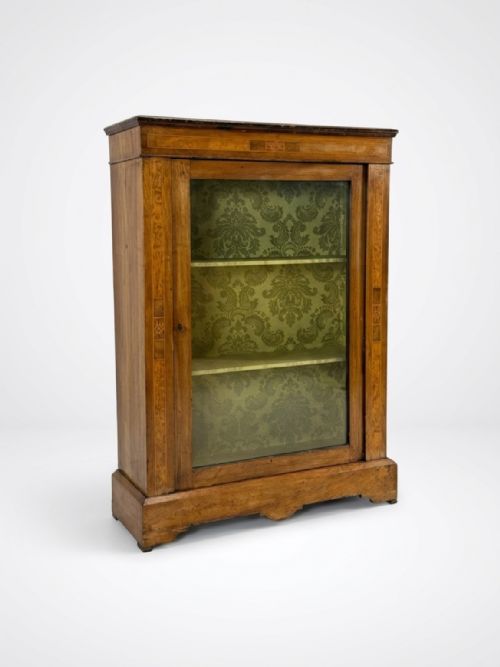
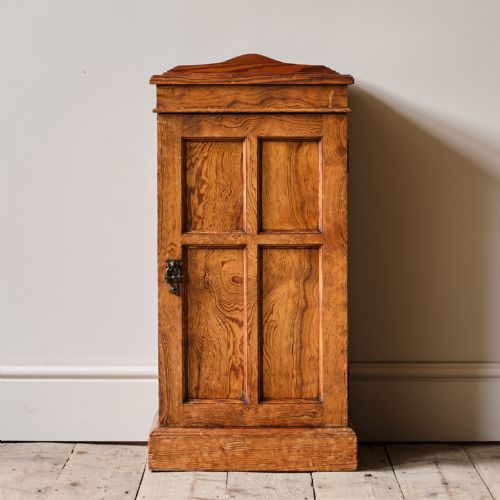
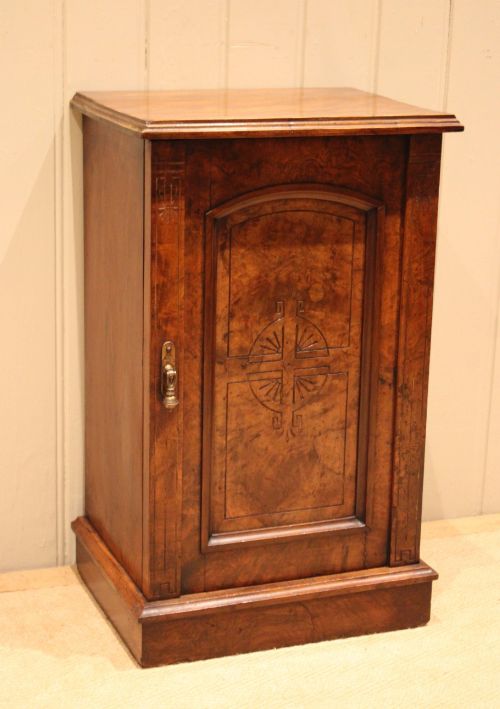
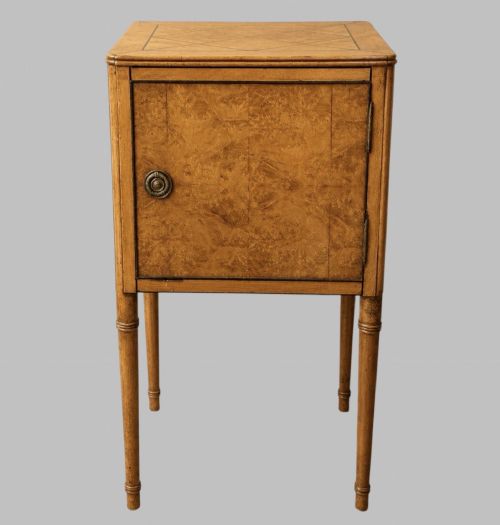
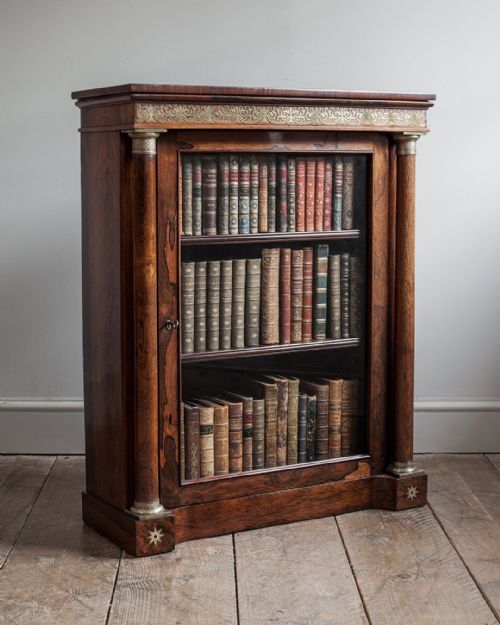
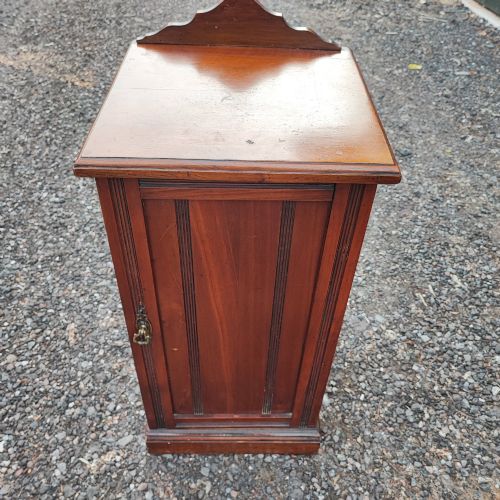
When you search for a single door side cabinet, you encounter a varied group of compact storage furniture spanning the nineteenth and twentieth centuries. These pieces appear most frequently as bedside cabinets, bedside cupboards, pier cabinets and smaller side cupboards designed to fit modest spaces. The selection ranges from utilitarian pine and oak country pieces to refined walnut and mahogany examples meant for formal reception rooms.
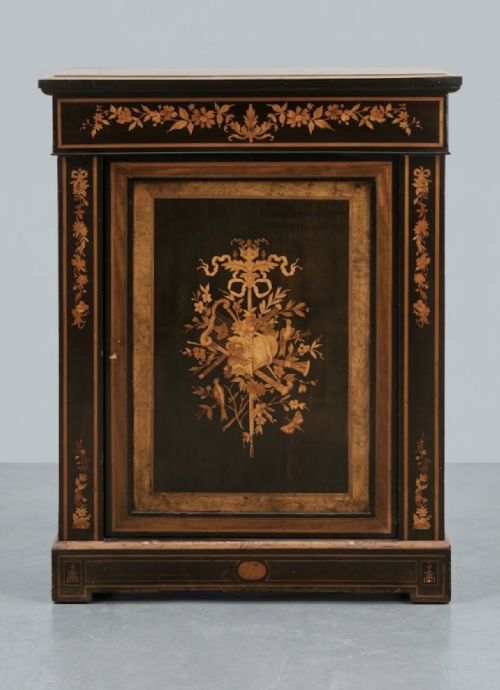
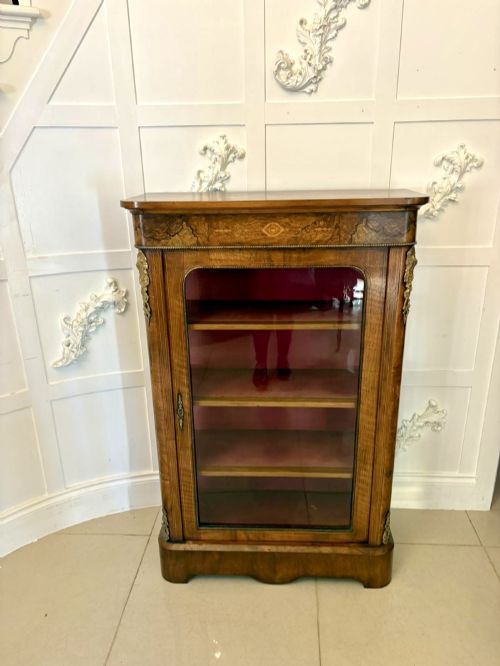
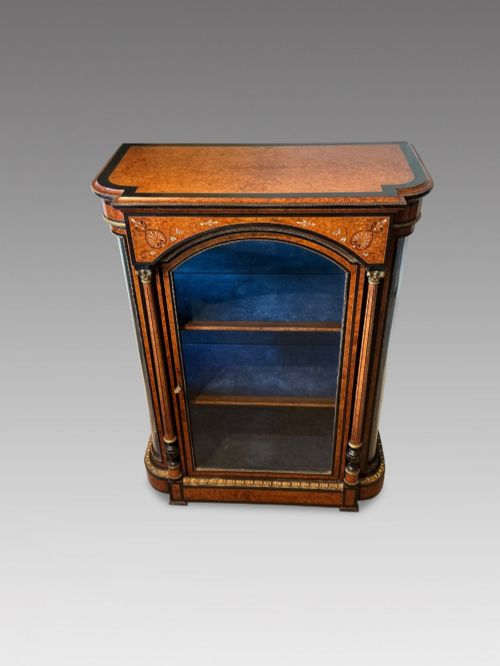
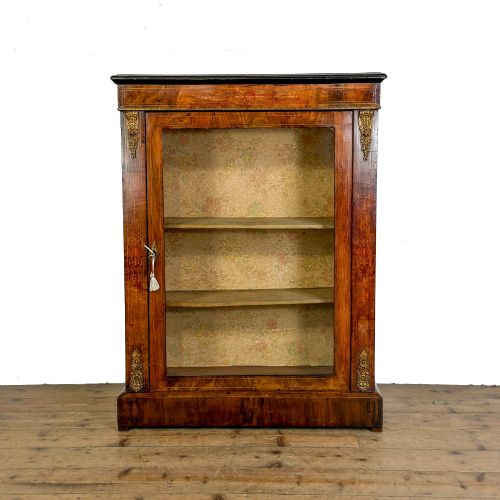
Victorian and Edwardian iterations dominate the offerings on this page, often featuring single doors set within walnut, mahogany or oak structures. Pier cabinets built to stand against narrow wall spaces between windows emerge regularly, alongside bedside tables equipped with enclosed cupboards. Makers of the period utilised these single door formats to introduce marquetry inlay, marble tops and glazed panels into domestic interiors.
How they were made
Cabinet makers relied heavily on timber foundations of mahogany, walnut and oak, frequently applying decorative veneers such as burr walnut and satinwood to primary surfaces. Marquetry inlay, brass mounts and occasional ormolu detailing enriched the exterior facades of formal reception furniture. Secondary timbers like pine provided internal framing and shelving for everyday cupboards.
Construction techniques combined traditional joinery with surface treatments ranging from French polish to ebonised finishes and painted pine. Marble inserts appeared on the tops of select nineteenth-century pier cabinets to provide durable, decorative surfaces. Glass panels were integrated into doors for display variations, while brass hardware secured doors and housed interior shelving.
Listings feature single door cabinets spanning from the eighteenth century through the Edwardian period and into the 1920s.
What varies in quality
The distinction between ordinary and exceptional pieces rests primarily on the ambition of the timber selection and the precision of the cabinet work. Finely figured burr walnut veneers, intricate marquetry and well-executed brass or ormolu mounts elevate a piece above standard utility furniture. Heavier architectural elements, such as marble tops or carved mahogany frames, separate grander drawing-room cabinets from simple bedside cupboards.
Proportion and decorative restraint dictate the standing of individual examples across different styles. Pieces displaying deliberate stylistic alignment, such as Gothic Revival tracery or Sheraton Revival inlay, achieve greater visual cohesion than utilitarian storage boxes. The crispness of carved details and the integration of secondary hardwoods reflect the original workshop standards.
Walter Carter Harrods·Keeble London
The Single Door Side Cabinet Glossary
- Pier cabinet
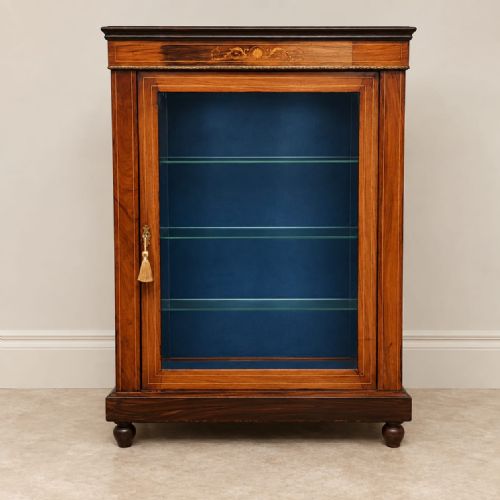
- A low freestanding cabinet designed specifically to fit narrow wall spaces or piers between windows in nineteenth-century drawing rooms. These often feature glass doors and marquetry inlay.
- Pot cupboard
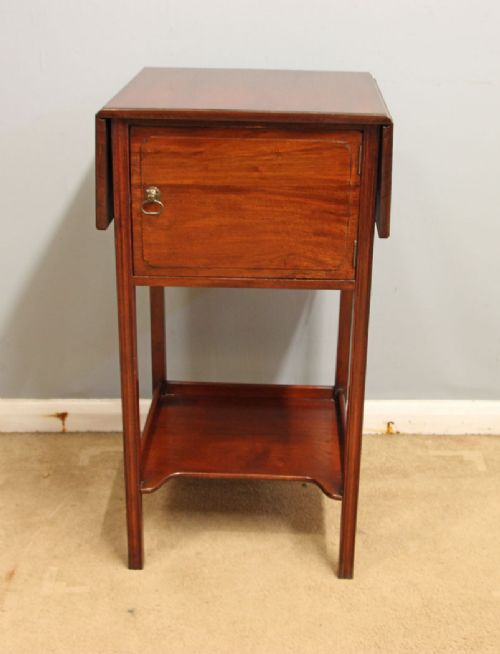
- A compact bedside cabinet originally constructed to house a chamber pot behind a single door. Many examples now function as standard bedside tables or small side cupboards.
- Marquetry
- The decorative art of applying small pieces of wood veneer to a structure to form intricate pictorial or geometric patterns. It is frequently seen on Victorian walnut and mahogany cabinets.
- Ormolu
- Gilded bronze mounts applied as decorative ornaments to furniture during the eighteenth and nineteenth centuries. These metal accents highlight corners, feet and door frames.
- Burr walnut
- A prized timber harvested from walnut tree growths that produces swirling, highly decorative grain patterns. Cabinet makers utilised these veneers on prominent door panels and table tops.
Single Door Side Cabinet: Frequently Asked Questions
What is a single door side cabinet?
A single door side cabinet is a compact piece of enclosed storage furniture designed for domestic use. These pieces include bedside cupboards, pier cabinets and small display units.
They provide concealed shelving behind one door, making them practical for rooms with limited floor space.
Where were pier cabinets placed?
Pier cabinets were built specifically for the narrow wall spaces, known as piers, located between large nineteenth-century drawing room windows. Their shallow depth allowed them to fit neatly against the wall without obstructing walkways.
They frequently incorporated glass doors and velvet-lined shelves to display ornaments and collectibles.
How do I date a Victorian cabinet?
Dating a Victorian cabinet involves examining the secondary timbers, construction methods and stylistic cues visible on the piece. Mid-century examples often display rich burr walnut veneers and elaborate marquetry inlay.
Later Victorian pieces from the 1880s and 1890s may incorporate ebonised wood or mixed exotic hardwoods reflecting evolving aesthetic tastes.
Can I use a bedside cabinet in a living room?
Bedside cabinets adapt easily to living room settings as compact side tables or lamp stands. Their enclosed cupboards offer practical storage for remote controls, books and small household items.
Mahogany and walnut versions integrate smoothly alongside larger seating arrangements.