

Antique Ebonised Bookcase
An antique ebonised bookcase offers dark, striking timberwork designed to frame prized volumes and display cabinets with dramatic Victorian elegance.
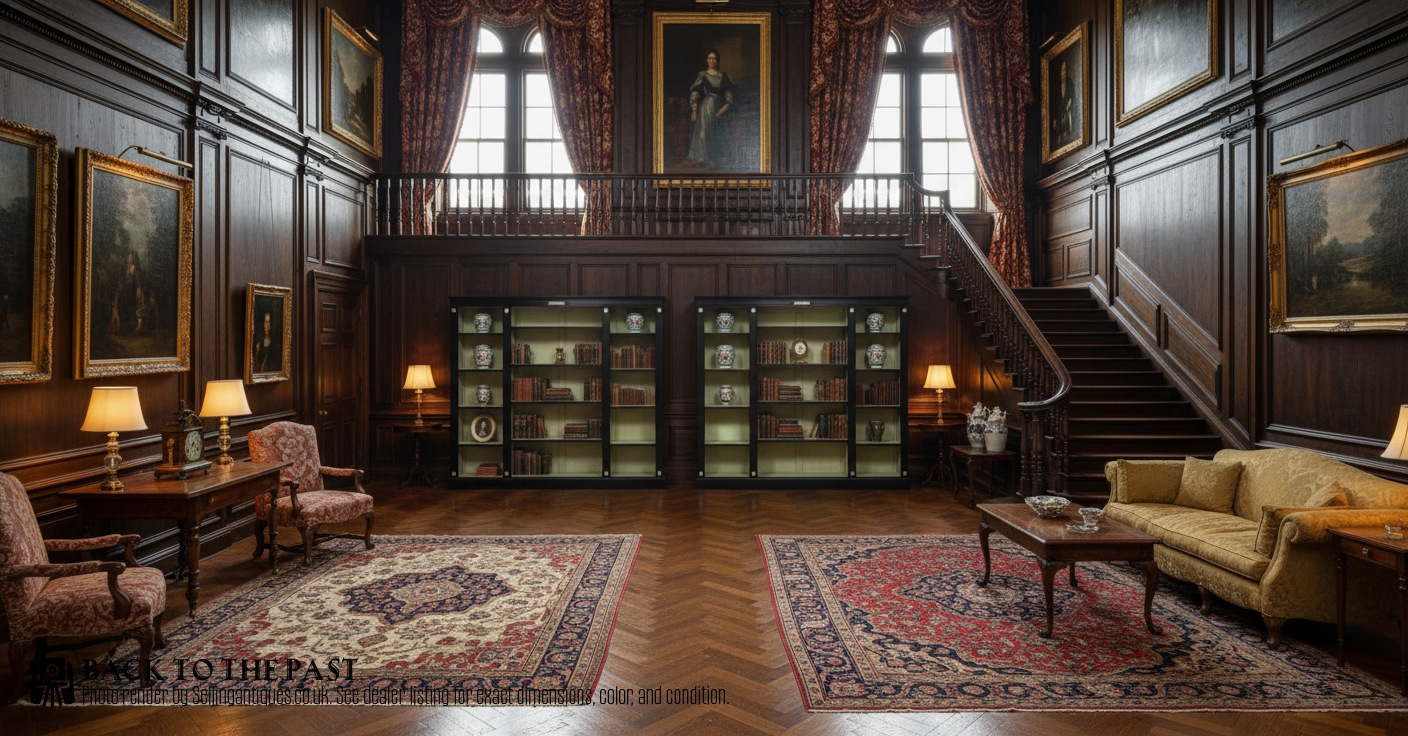
Antique Ebonised Bookcase
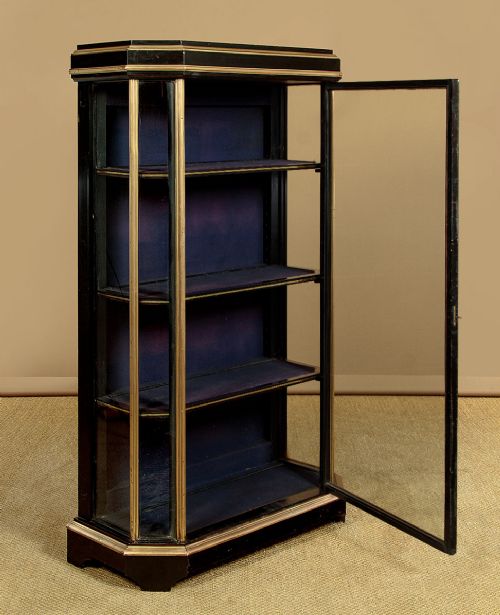
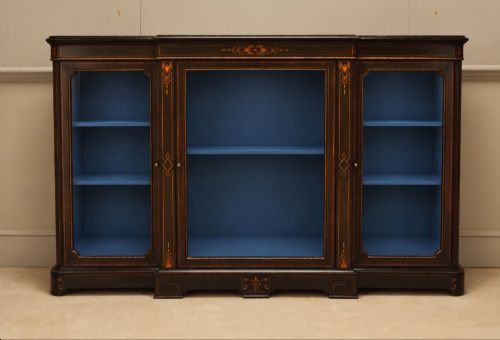
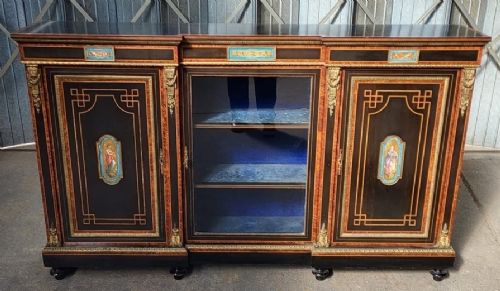
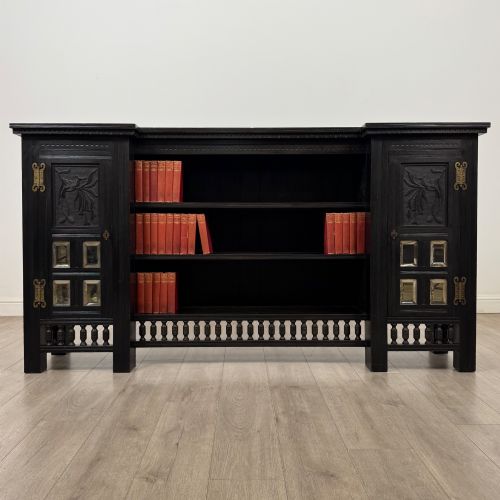
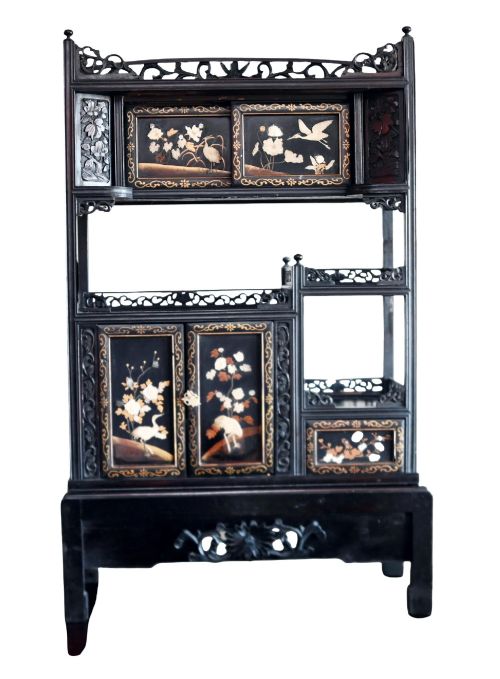
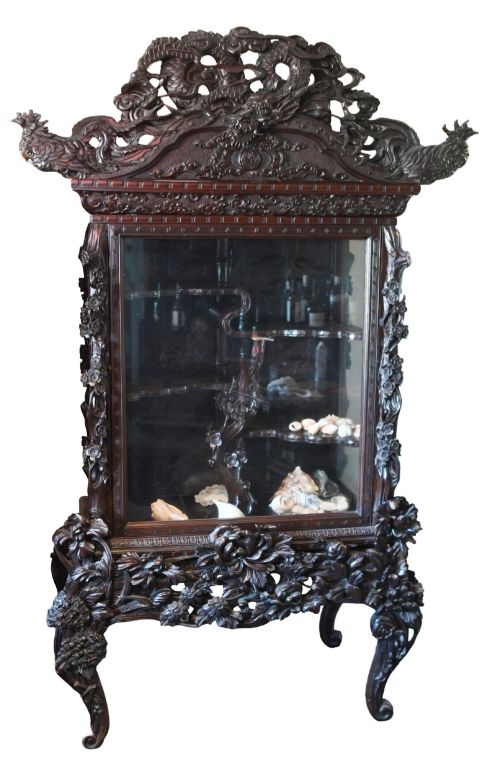
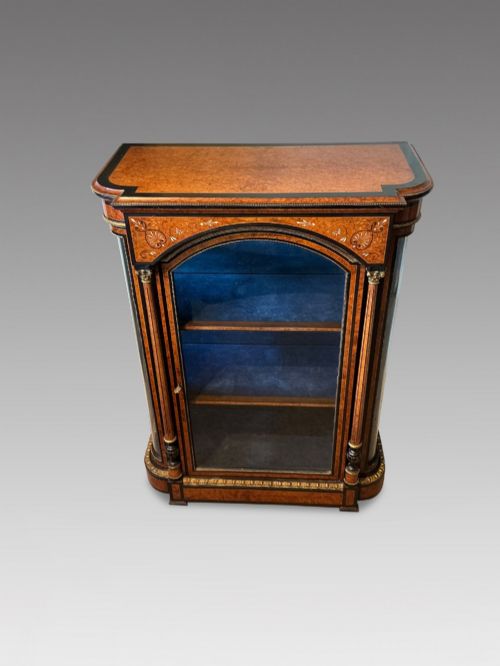
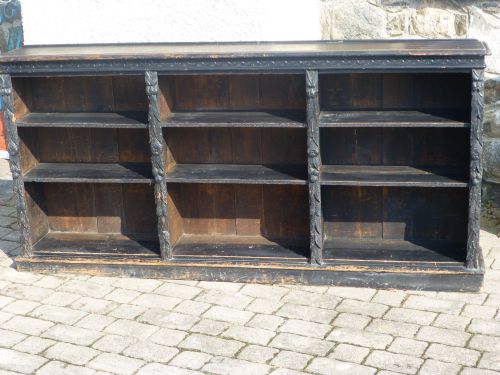
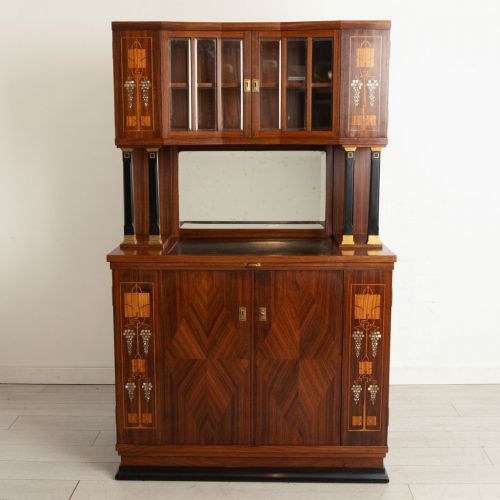
An antique ebonised bookcase provides a sophisticated storage solution for libraries and drawing rooms, finished in deep black tones that mimic costly ebony. Buyers searching this phrase encounter a range of forms, from large breakfront libraries and open display shelves to glazed pier cabinets.
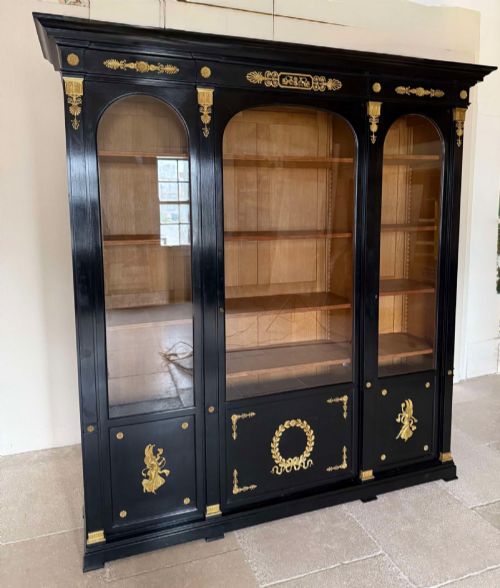
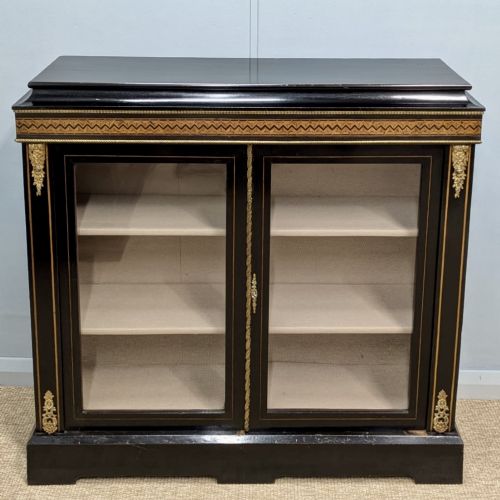
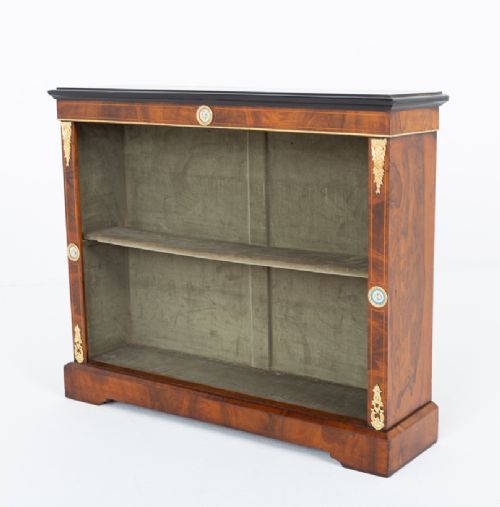
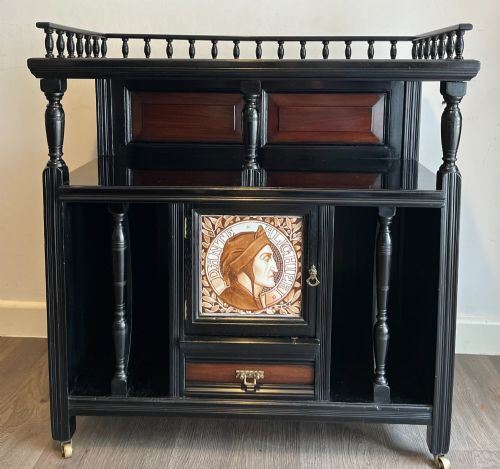
The pieces appearing on this page span the nineteenth century, reflecting Victorian and Aesthetic Movement tastes alongside French Napoleon III designs. These items frequently combine practical shelving with decorative glass doors, ceramic plaques, or gilt mounts designed to catch the light against the darkened wood.
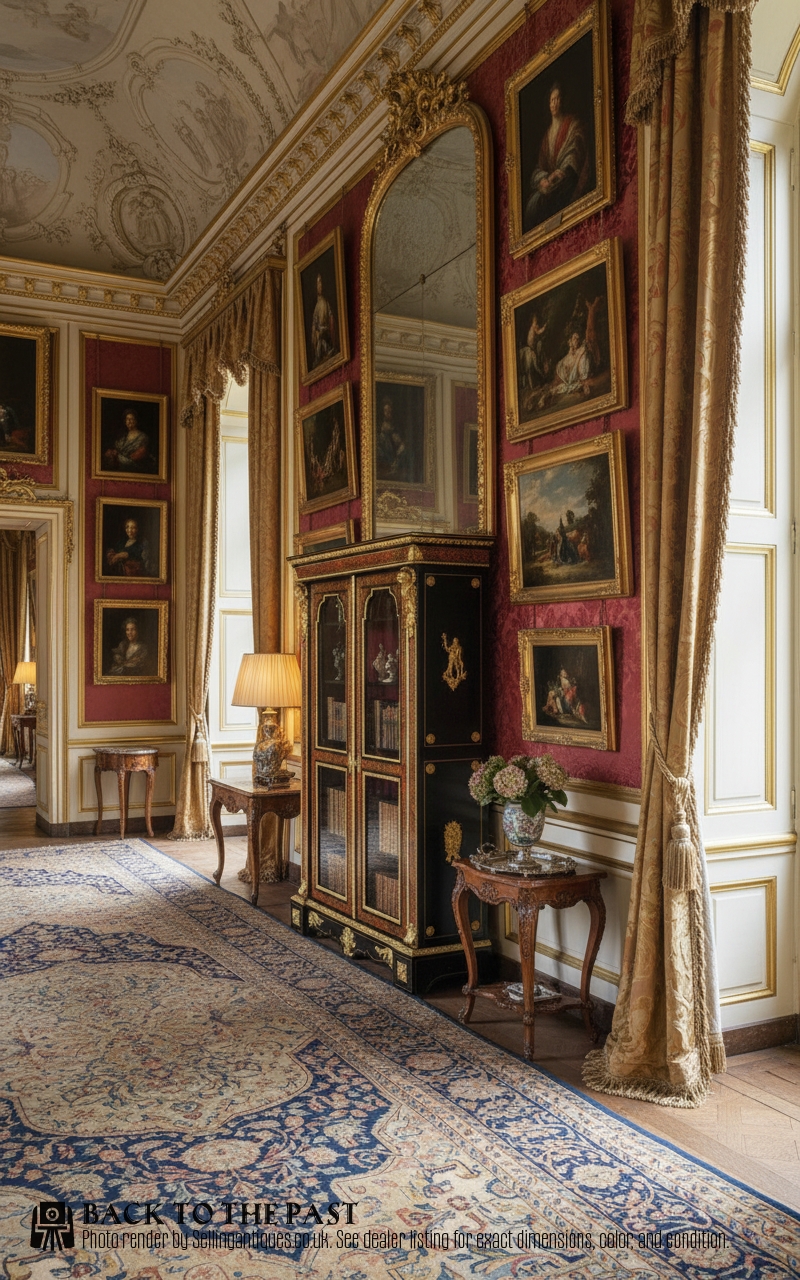
Materials and Construction
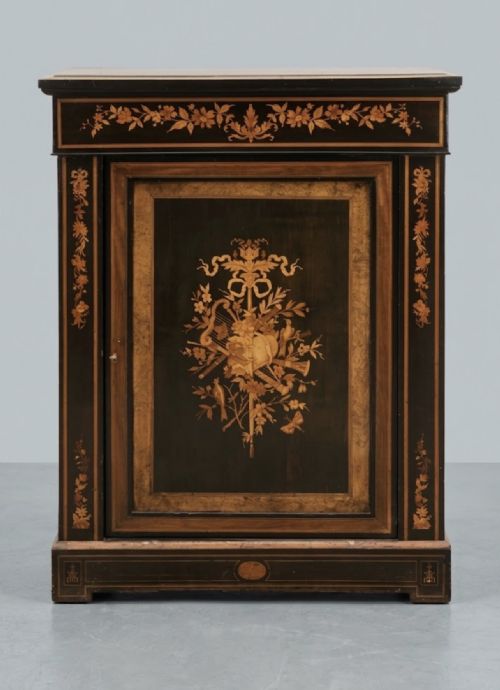
Cabinet makers achieved the signature dark finish by staining and polishing woods such as oak and pine to resemble solid ebony. This dark ground provided a high-contrast base for intricate brass mounts, ormolu, and marquetry inlay.
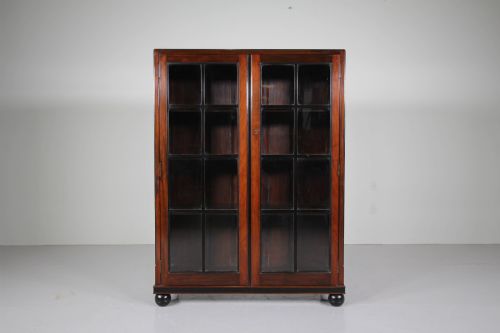
Many examples incorporate glazed doors framed in ebonised wood, sometimes complemented by porcelain plaques or ceramic details. Workshops utilised brass hardware and fine inlay techniques to elevate the visual weight of the heavy timber construction.
Antique Ebonised Bookcase Retail Price Guide 2026
Typical asking prices for ebonised bookcase among the pieces listed under this phrase on Sellingantiques today, from the lower quarter to the upper quarter. They describe what is for sale here now, not the wider market.
Aesthetic Movement cabinets occasionally hid unexpected ceramic tiles within dark frames to surprise the Victorian eye.
Markers of Quality
Quality rests in the crispness of the ebonised finish and the precision of any inlaid marquetry or brass work. Finer examples display harmonious proportions and integration of decorative elements like ormolu mounts rather than superficial surface ornamentation.
The distinction between standard utility furniture and top-tier cabinet work lies in the selection of secondary timbers, the integrity of the glass framing, and the subtlety of the painted or gilded highlights.
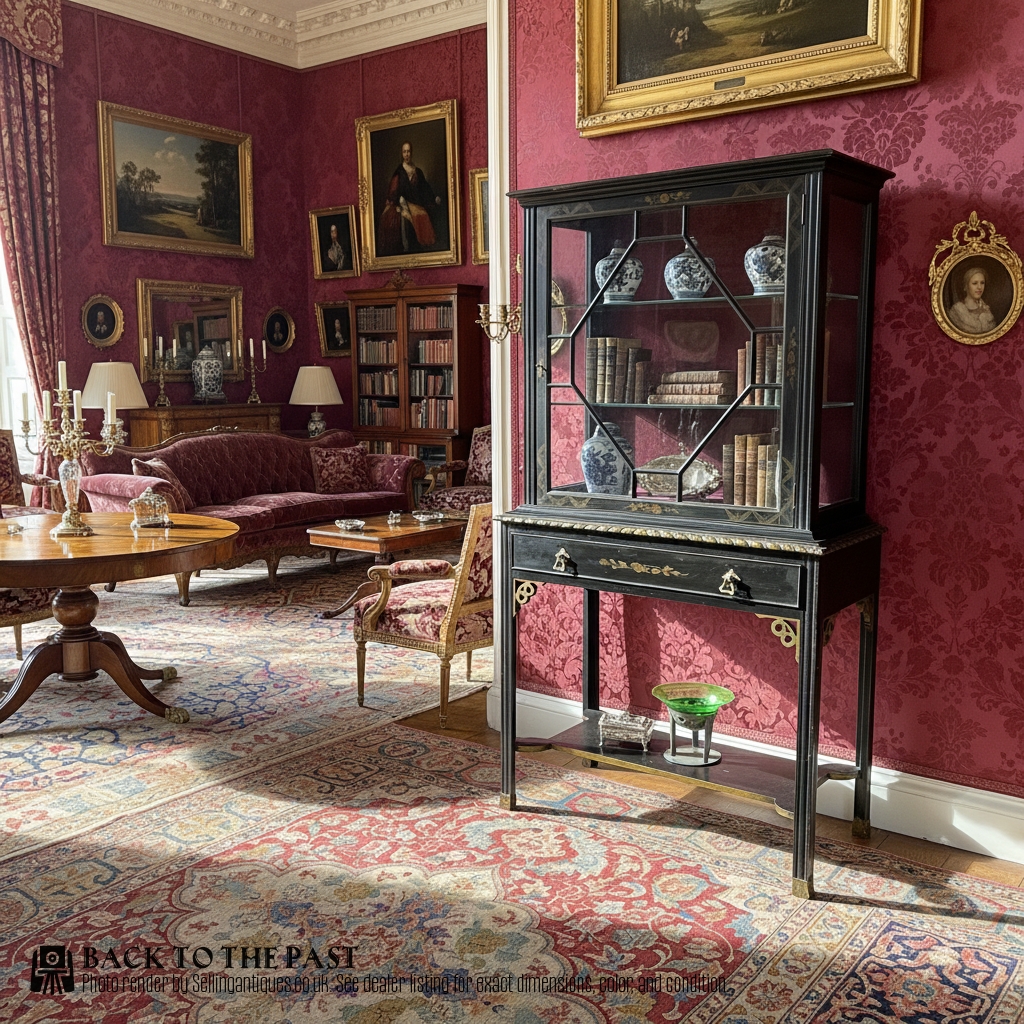
The Antique Ebonised Bookcase Glossary
- Ebonised wood
- Timber treated with stain and polish to imitate the deep black colour and dense grain of true ebony. This finish became immensely popular during the Victorian era for furniture with classical or exotic aspirations.
- Ormolu
- Gilded bronze mounts applied to furniture to provide decorative contrast and metallic brilliance against dark surfaces. It requires careful chasing and casting by skilled metalworkers.
- Marquetry inlay
- Decorative patterns formed by fitting contrasting veneers into shaped recesses within the primary timber. This technique adds pictorial depth and colour variation to cabinet doors and friezes.
- Pier cabinet
- A low display cabinet designed specifically to fit the narrow wall space between two windows. These pieces often feature glazed doors and velvet-lined interiors for small collectibles.
- Breakfront
- A piece of furniture featuring a central section that projects forward from the flanking wings. This architectural arrangement creates dynamic shadow lines across large bookcases and cabinets.
Antique Ebonised Bookcase: Frequently Asked Questions
What is an ebonised finish?
An ebonised finish is a process of staining and polishing lighter woods, such as pine or oak, to give them the appearance of solid ebony. This treatment was achieved using chemical stains or black pigments sealed with French polish.
Cabinet makers adopted this technique widely during the nineteenth century to create dramatic contrast with gilt mounts, marquetry, and porcelain inlays.
How do I date these bookcases?
Dating relies on stylistic clues, construction methods, and materials recorded across the Victorian and Aesthetic Movement periods. Pieces from the mid to late nineteenth century often exhibit specific revival motifs or characteristic hardware.
Examining the interior timbers and backboards helps distinguish earlier nineteenth-century workshops from later transitional pieces made around nineteen hundred.
Where should I place a glazed cabinet?
Glazed cabinets and pier units suit drawing rooms, studies, or libraries where natural light highlights the dark timber frames and gilt details. Placing them away from direct sunlight protects the interior linings and fragile veneers.
Ensure the floor is level, as tall breakfront bookcases require stable positioning to maintain alignment on the doors and brass locks.
What styles influence these designs?
These bookcases draw heavily on Victorian, Aesthetic Movement, and French Napoleon III design vocabularies. The Aesthetic Movement favoured simpler linear forms, while French influences brought elaborate boulle marquetry and ormolu mounts.
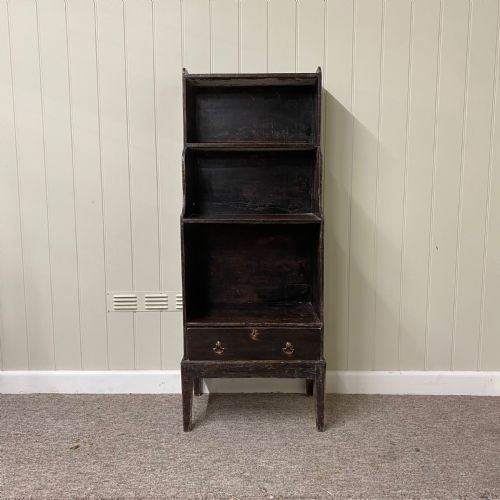
This stylistic cross-pollination means buyers find everything from austere open pine shelves to ornate breakfront libraries with ceramic plaques.