
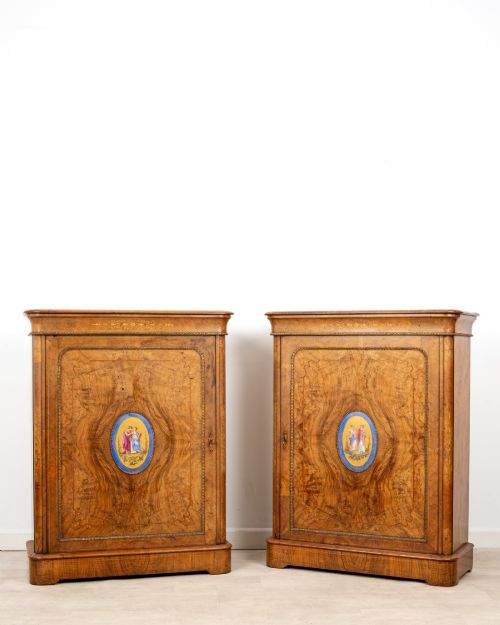
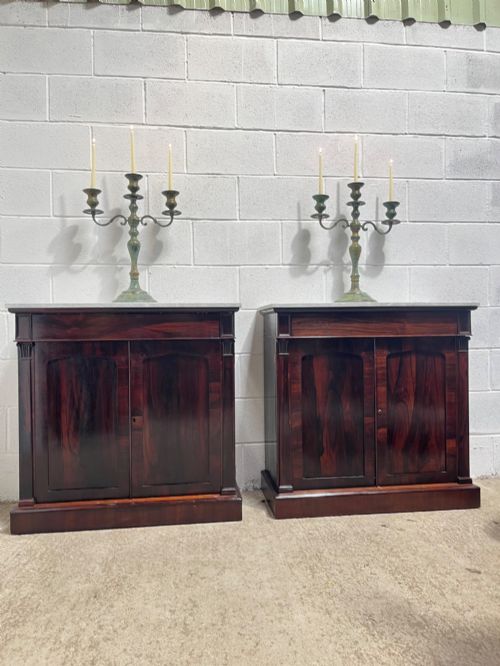
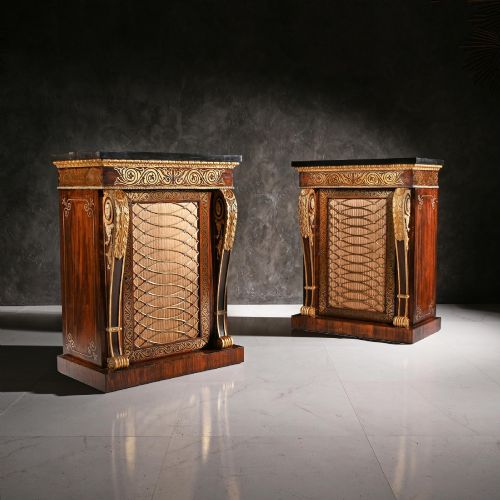
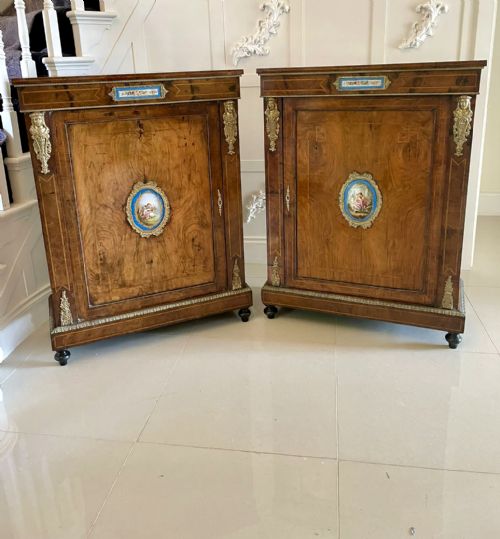
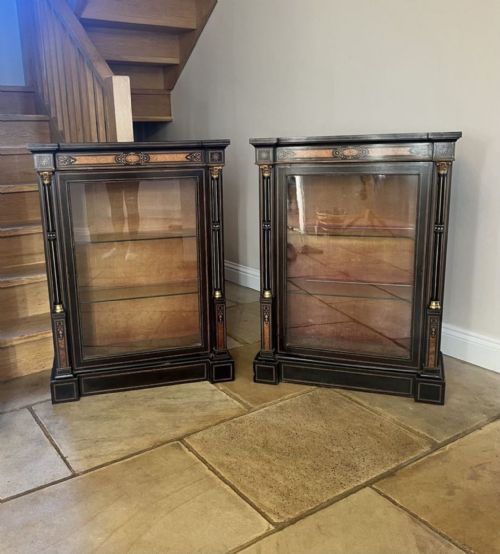


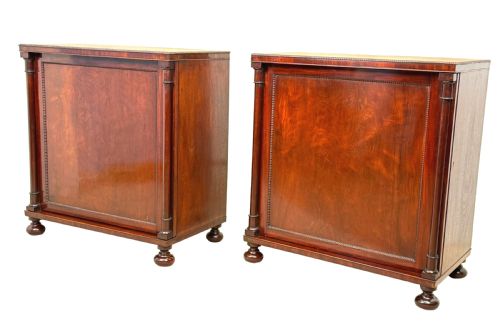


Pair Pier Cabinets
These matching pair pier cabinets offer symmetrical elegance for a drawing room wall, designed originally to fill the narrow wall space between tall windows.
What pair pier cabinets are
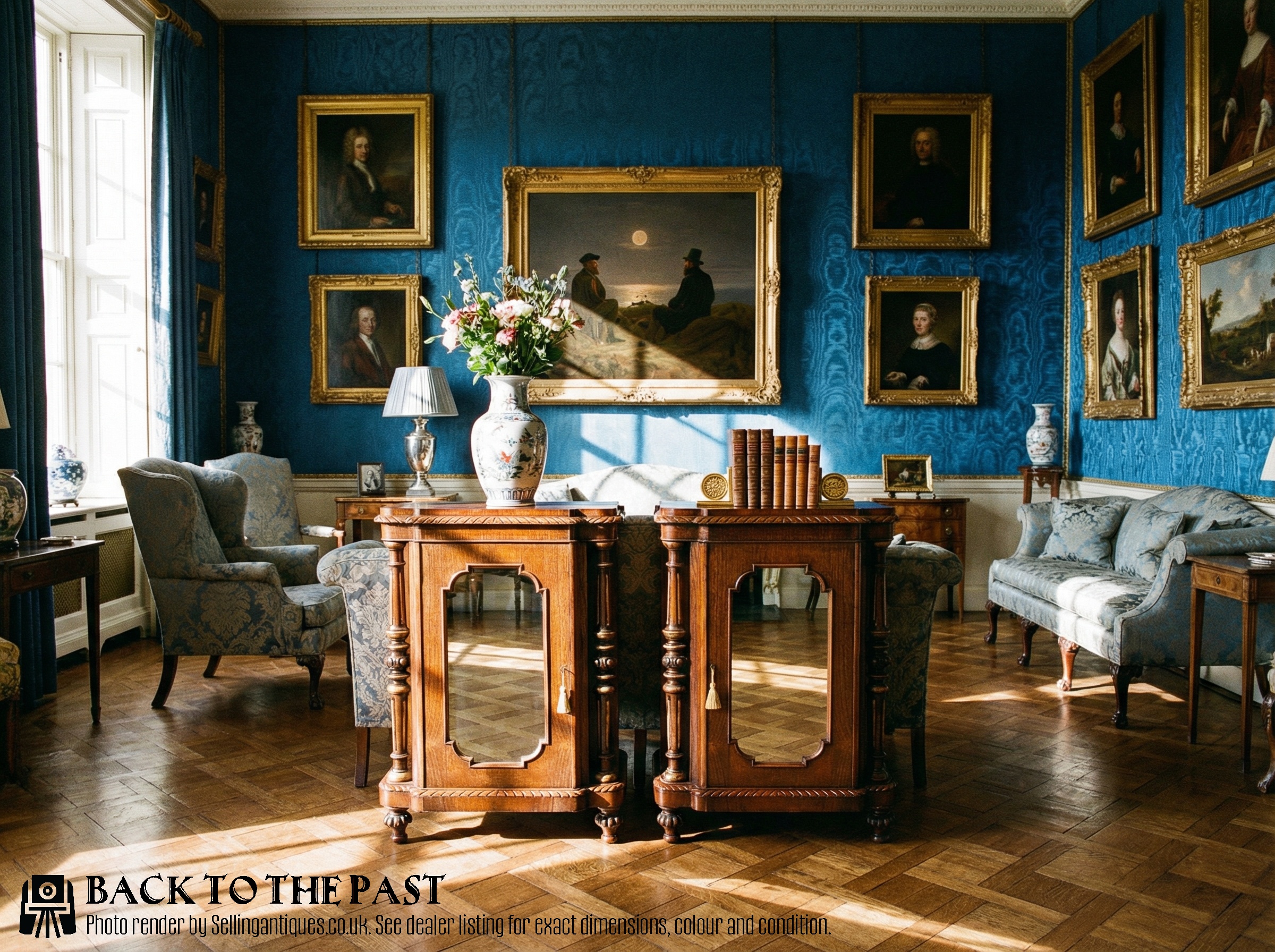
Pair pier cabinets are matching display furniture designed during the nineteenth century to sit against solid wall sections between architectural openings, usually glazed to exhibit precious porcelain and decorative objects.
The versions met most frequently on this page date from the Victorian era and the middle decades of the nineteenth century, constructed primarily in walnut, ebonised wood, and exotic veneers.
Makers shaped these display cabinets as side cabinets or bookcase combinations, often arranging them in symmetrical matching pairs to balance a formal interior layout.
How they were made
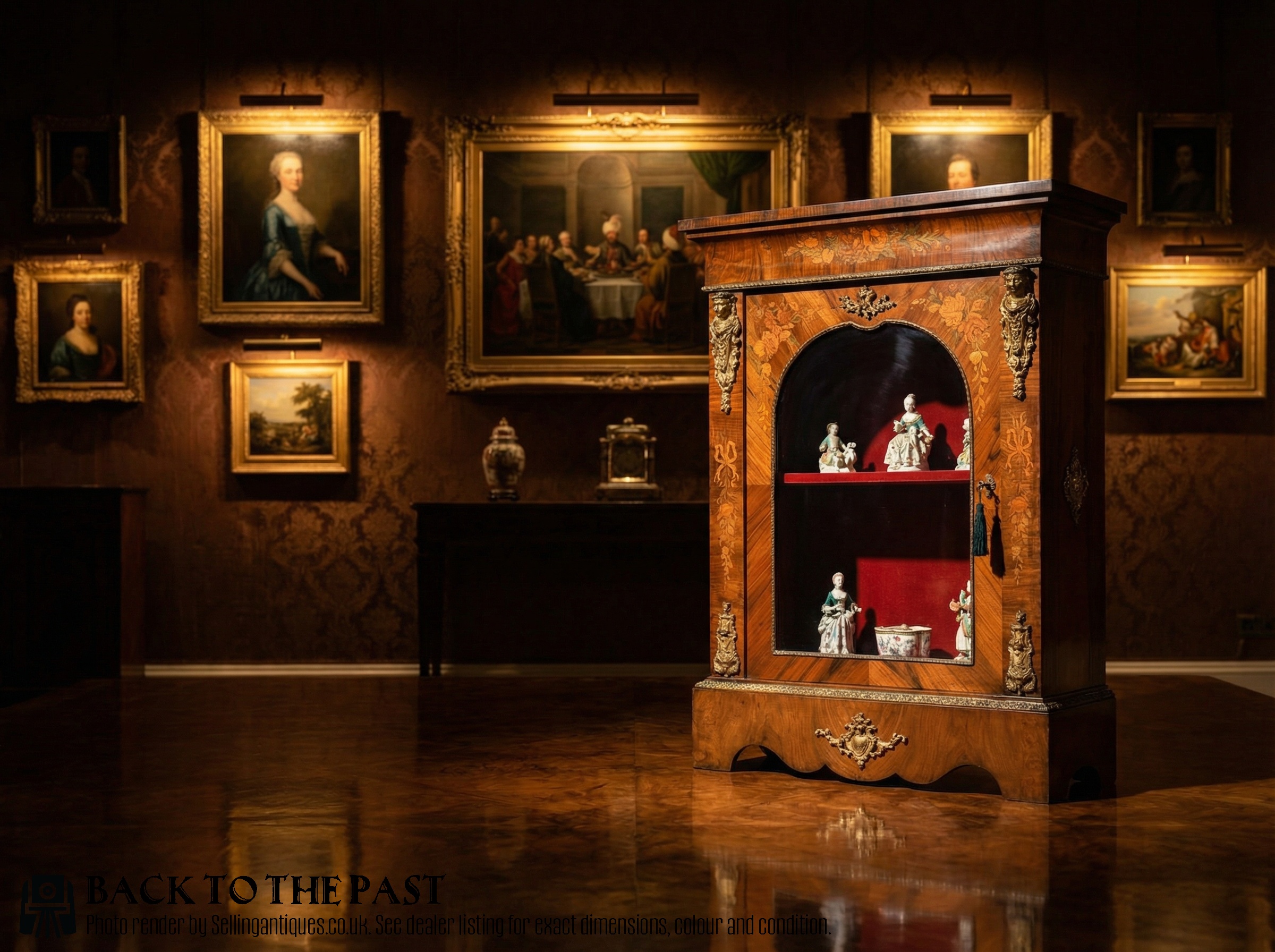
Joiners built carcass structures using timber foundations of walnut, rosewood, kingwood, or mahogany, applying elaborate marquetry and figured veneers to visible surfaces.
Workshops integrated cast brass, ormolu mounts, and gilt metal details around glass doors, panels, and borders to accentuate the architectural silhouettes of the cabinets.
Selected examples incorporate painted wood finishes, porcelain plaques, or inlaid brass strings alongside marble tops.
Retail Price Guide 2026
Typical UK retail prices for pair pier cabinets, calculated from the Sellingantiques database of over a million retail prices indexed since 2003. This retail price guide relies exclusively on Sellingantiques data; no external sources or auction records are used, so the figures do not describe the wider market.
Some nineteenth-century makers hid interior shelves behind glass so delicate collections could survive polite conversation undisturbed.
What varies in quality
The refinement of the marquetry inlay and the choice of burr veneers dictate the initial visual impact, where natural timber figuring shows exceptional depth and careful symmetry.
Cabinetmakers demonstrated skill through the precision of ormolu mounts, the clarity of the glass, and the integration of porcelain plaques or Boulle work.
Attribution to documented firms such as Edwards & Roberts or Wilkinson & Sons elevates historical interest through superior cabinetmaking standards.

Edwards & Roberts·Wilkinson & Sons
The Pair Pier Cabinets Glossary
- Pier cabinet
- A low display cabinet designed specifically for the wall space between windows. These pieces often feature glass doors to protect and exhibit collections.
- Marquetry
- Decorative patterns formed by fitting together small pieces of coloured veneers into a timber surface. Cabinetmakers used floral and geometric motifs.
- Ormolu
- Gilt bronze mounts applied to furniture edges and mounts. This technique provides metallic contrast against dark woods like ebonised timber or walnut.
- Boulle
- A style of marquetry using tortoiseshell and brass inlay developed in France. It creates a rich, reflective surface pattern across the cabinet body.
- Ebonised wood
- Timber treated with a dark stain or finish to imitate ebony. This dark ground highlights gilt mounts and inlaid brass stringing.
Frequently Asked Questions
What is a pier cabinet used for?
These cabinets served primarily as display furniture in nineteenth-century formal rooms. Homeowners placed them against structural wall spaces to exhibit porcelain and decorative items.
Inside, shelved interiors kept collections visible through glazed doors while protecting delicate objects from dust and handling.
How do I identify Victorian pier cabinets?
Victorian examples typically feature walnut or ebonised foundations combined with glass doors and internal shelving. Look for characteristic timber grains, marquetry panels, and gilt metal mounts.
Many of these cabinets incorporate porcelain plaques or brass inlay reflecting mid-nineteenth-century revival styles.
What woods were used for pier cabinets?
Makers relied heavily on burr walnut, rosewood, kingwood, and mahogany as primary cabinet timbers. Exotic veneers created rich surface patterns across the front panels.
Ebonised wood offered a contrasting dark finish, frequently paired with gilt bronze mounts and inlaid brass work.