
19th Century Cabinets
These 19th century cabinets offer exceptional period craftsmanship and practical storage for the discerning interior.

What 19th century cabinets are
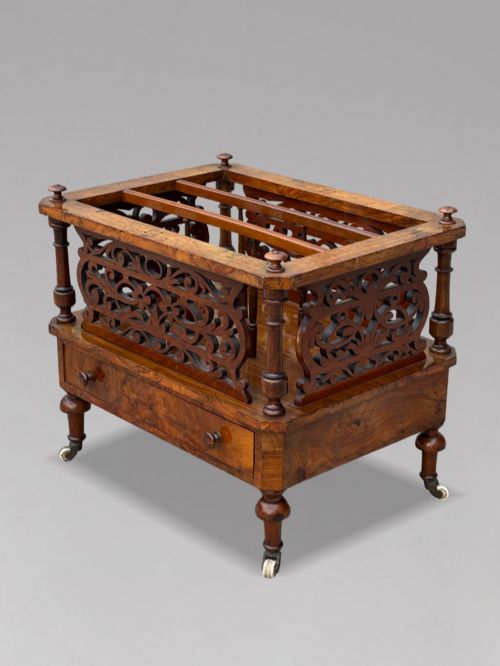
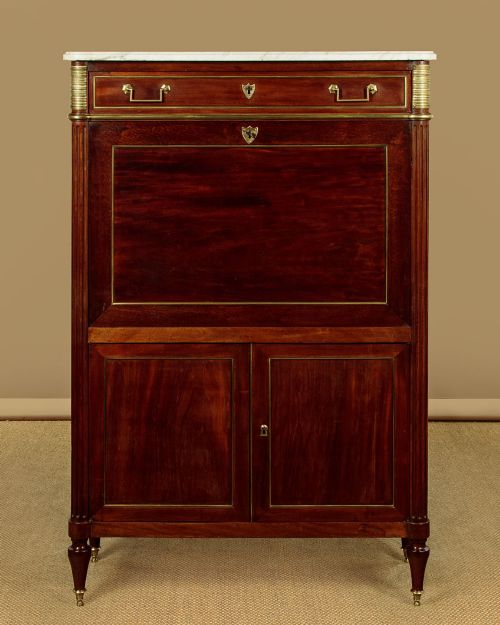
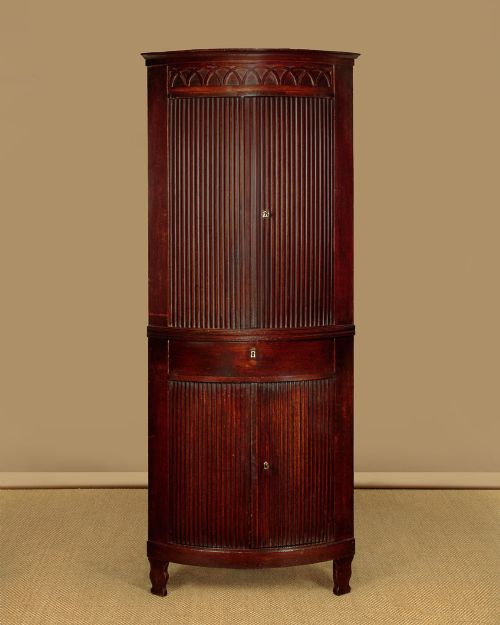
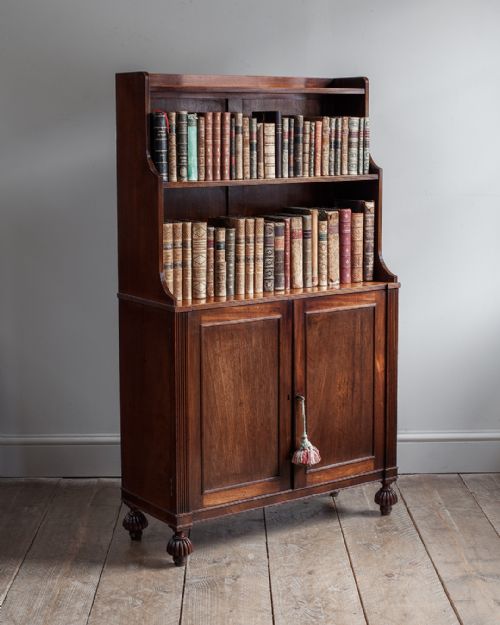
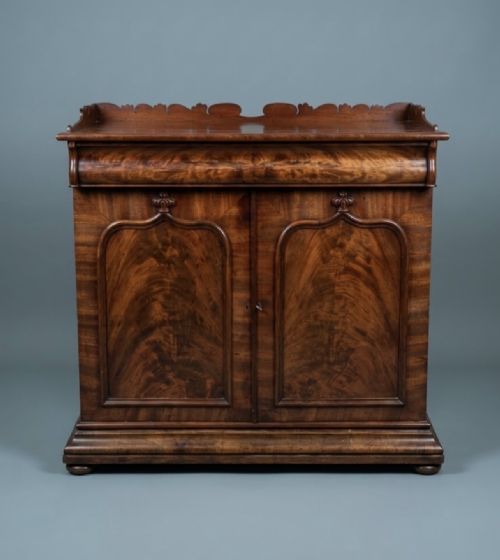
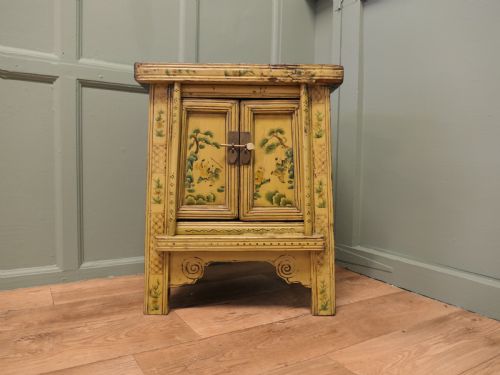
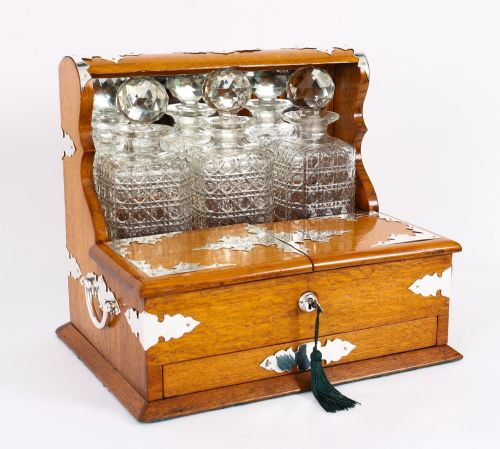
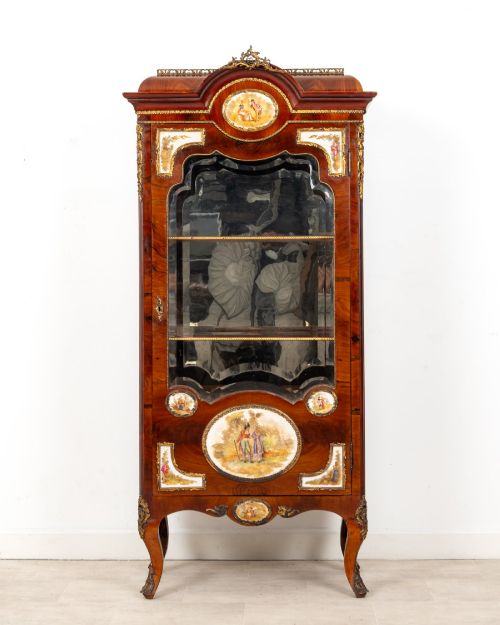
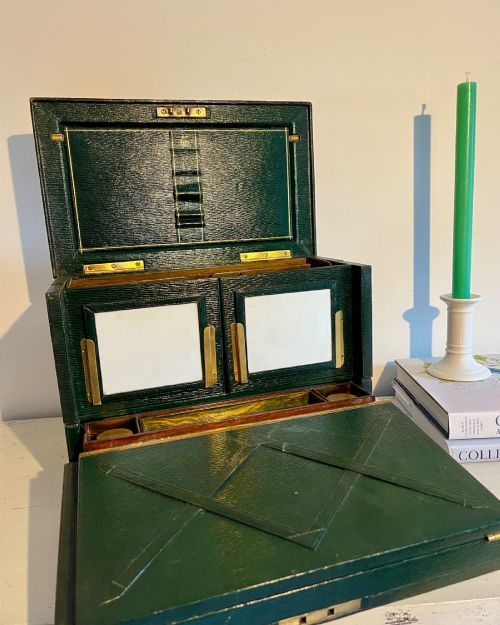
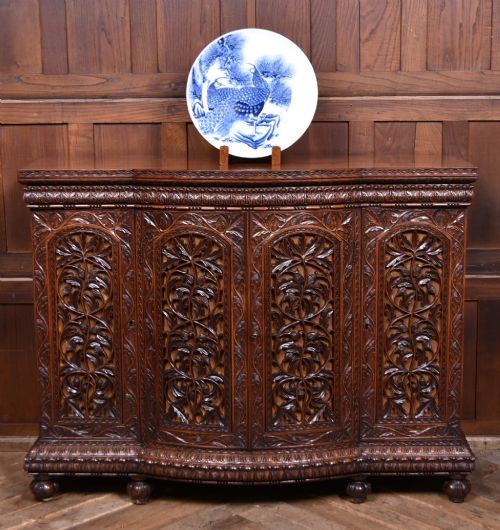
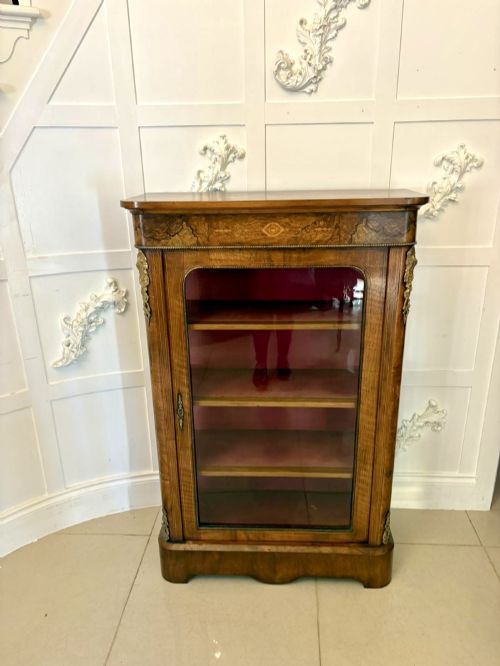
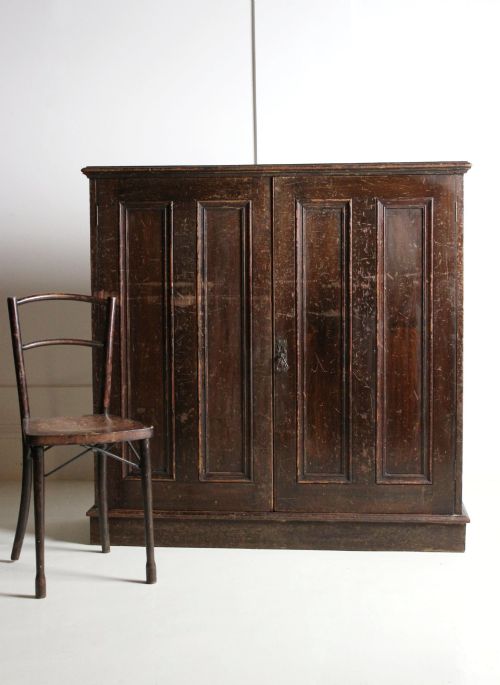
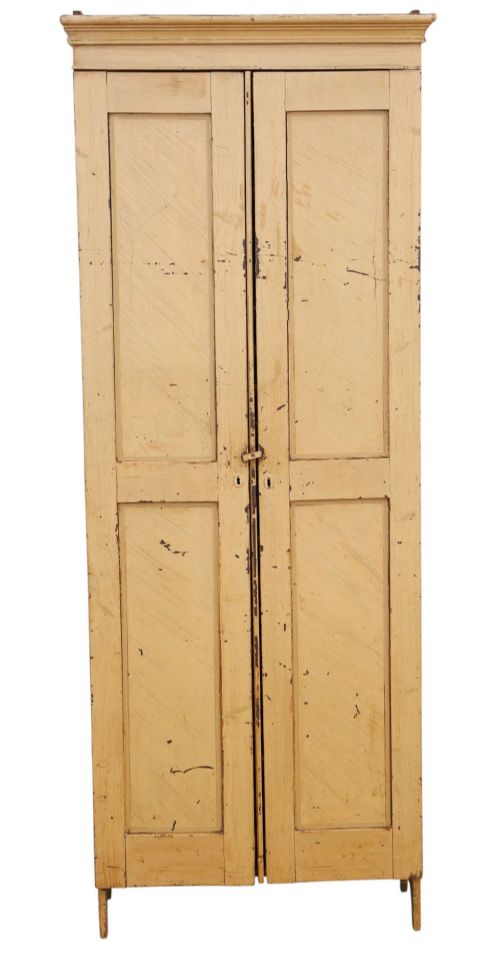
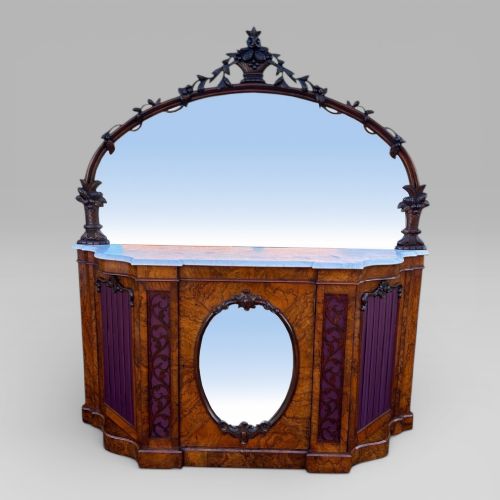
When searching for 19th century cabinets, buyers encounter a diverse selection of storage furniture spanning side cabinets, pier cabinets, cupboards, and bedside chests. These pieces originate from various regional traditions including French, English, Italian, and Chinese workshops.
The most common formats on this page include bedside cabinets and compact side cabinets designed for domestic display and utility. They reflect the aesthetic shifts of the Victorian, Regency, and Napoleon III periods through distinct proportions and ornamentation.
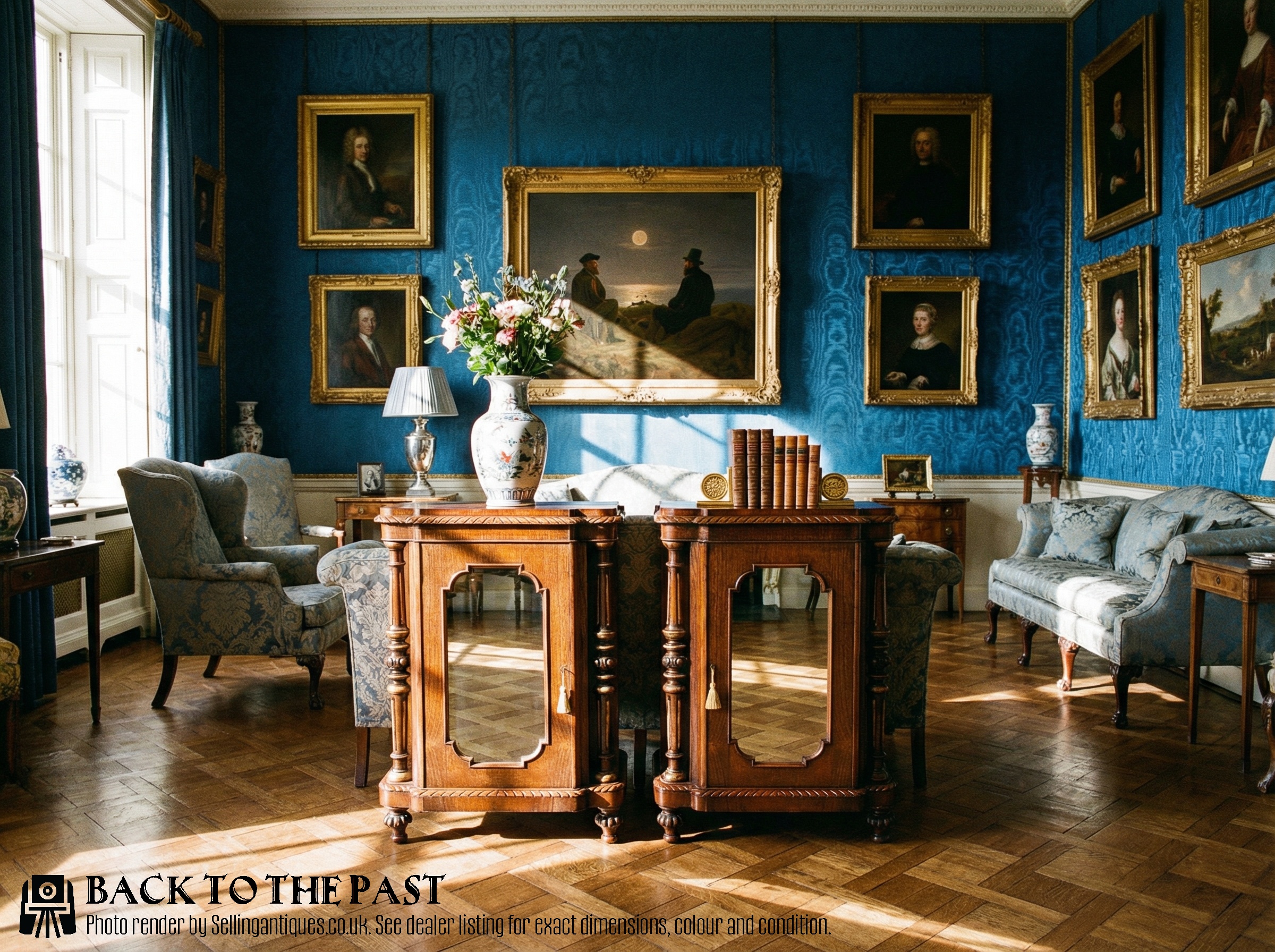
How they were made
Cabinet makers utilised a wide palette of timbers, incorporating rosewood, mahogany, walnut, ebonised wood, and exotic veneers like kingwood, amboyna, and birds eye maple. Structural elements frequently employ oak, beech, and fruitwood.
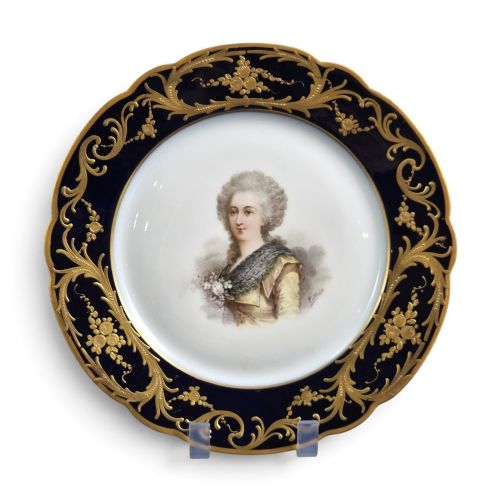
Surface decoration relies on skilled techniques such as brass inlay, parquetry, pietra dura, and Boullework combining tortoiseshell and ormolu. Tops frequently feature white or coloured marble, while specific variants incorporate glass panels and porcelain plaques.
Retail Price Guide 2026
Typical UK retail prices for 19th century cabinets, calculated from the Sellingantiques database of over a million retail prices indexed since 2003. This retail price guide relies exclusively on Sellingantiques data; no external sources or auction records are used, so the figures do not describe the wider market.
Several miniature bedside cabinets were built small enough to confuse an adult cat.
What varies in quality
The standard of execution in 19th century cabinets rests upon the precision of the veneer work and the integration of decorative mounts. Finely cast ormolu and meticulous brass stringing separate workshop pieces from standard commercial output.
Structural integrity and timber selection dictate overall merit, with figured grains and dense hardwoods commanding greater visual depth. The treatment of secondary woods inside drawers and backing boards indicates the level of care invested by the maker.
Louis Constantin Le Gaigneur·Edwards and Roberts
The 19th Century Cabinets Glossary
- Pier cabinet
- A low cabinet designed specifically to stand against the wall space between windows. These pieces often incorporate glass doors for the display of ceramics or books.
- Boullework
- A type of marquetry using brass and tortoiseshell inlaid in contrasting patterns. This technique originates from French cabinet making traditions associated with Andre Charles Boulle.
- Pietra dura
- An inlay method utilising cut and fitted polished coloured stones to create pictorial designs. It appears frequently on Italian cabinet panels.
- Ormolu
- Gilded bronze applied as decorative mounts on furniture. High quality examples show crisp chasing and secure original fire gilding.
- Parquetry
- Geometric wood mosaic patterns assembled from small veneers. Common timbers include rosewood, kingwood, and tulipwood.
Frequently Asked Questions
What is a pier cabinet?
A pier cabinet is a low storage unit built to fit the narrow wall space between windows in a formal room. These items typically include glass doors to protect collections.
They emerged as popular display furniture during the Victorian period, often featuring decorative marquetry or ormolu mounts to reflect natural light.
How do I identify Regency cabinets?
Regency cabinets date from the early nineteenth century and typically display classical restraint inspired by Greek and Roman design. Look for dark mahogany timbers accented with fine brass inlay.
These pieces often stand on bracket feet or turned legs, prioritising clean architectural lines over excessive surface carving.
Where were bedside cabinets used?
Bedside cabinets served as functional nightstands in nineteenth-century bedrooms for holding chamber pots, candles, or personal items. French examples frequently feature enclosed cupboards or small drawers.
Over time, these versatile pieces transitioned into general living spaces as small side tables or lamp stands.
What is Boullework?
Boullework involves intricate marquetry combining brass and tortoiseshell to form elaborate floral or scroll motifs. The technique creates a striking contrast of metallic sheen and dark organic material.
Master craftsmen applied this ornamentation to French Napoleon III and Victorian revival cabinets to project luxury and status.