

Brass Inlay Cabinet
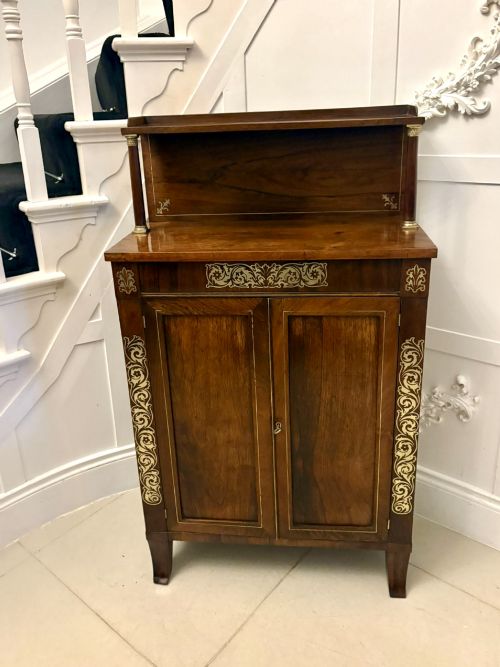
A brass inlay cabinet brings the sharp linear precision of polished metal into timber furniture.
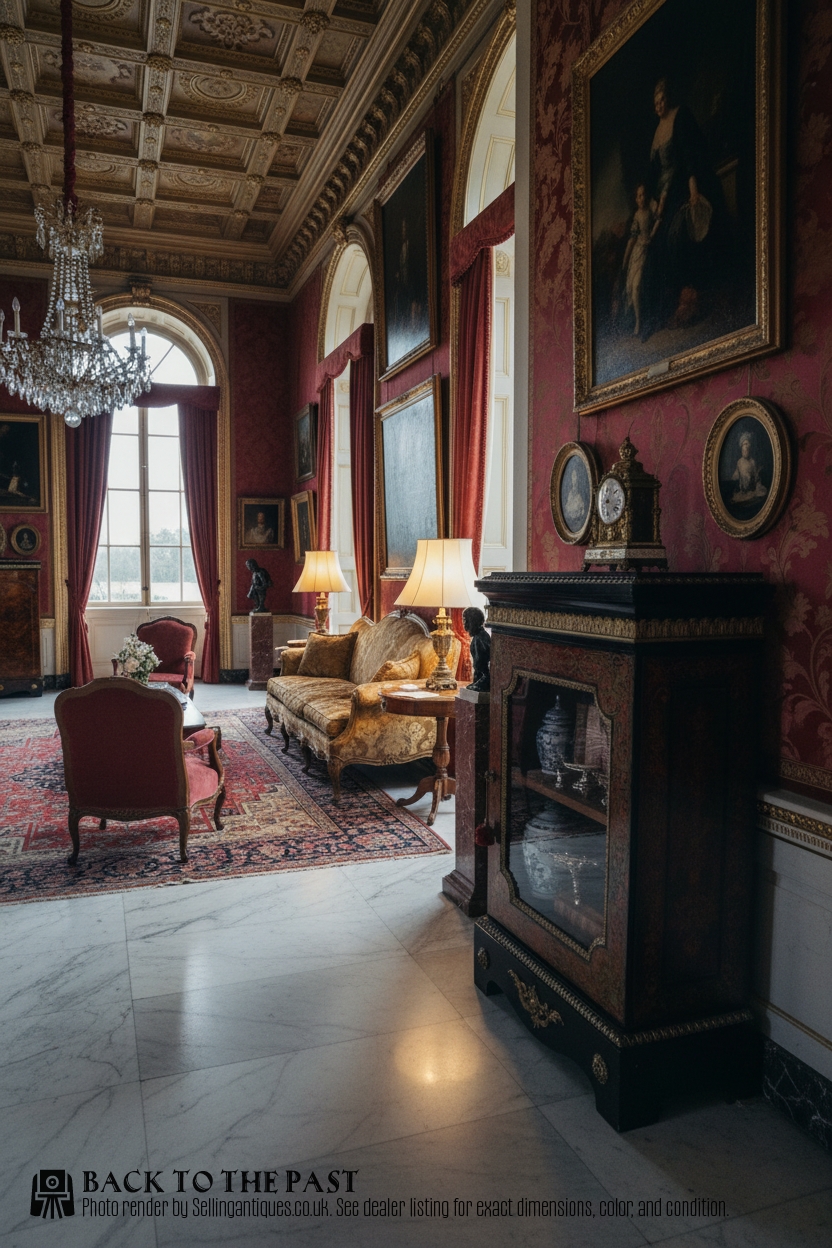
Brass Inlay Cabinet
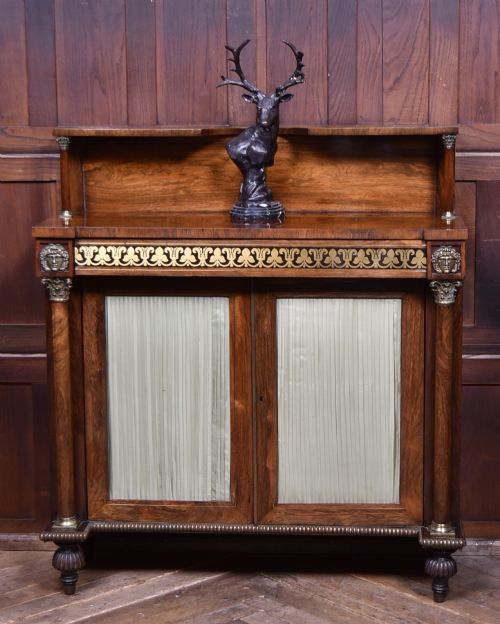
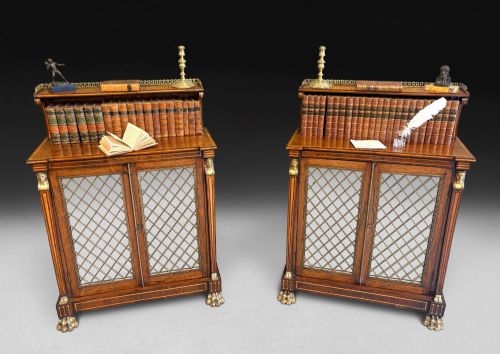
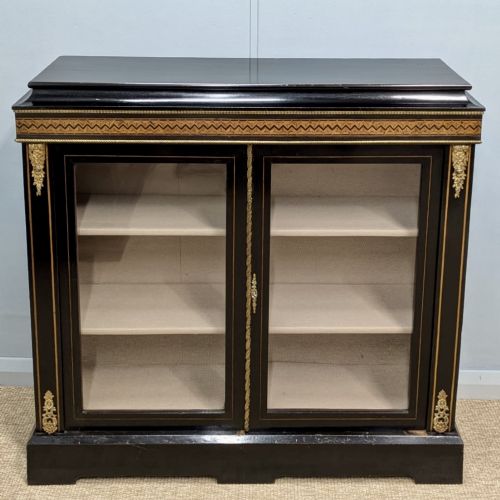
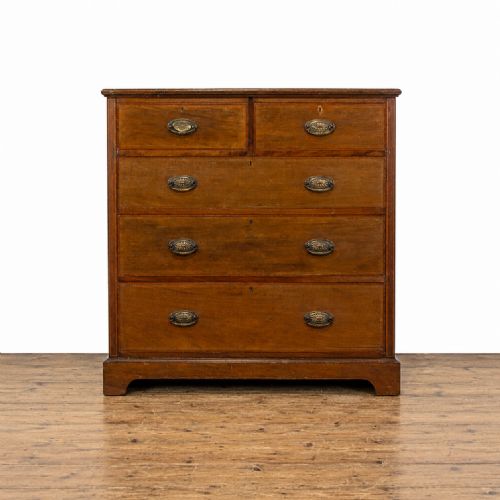
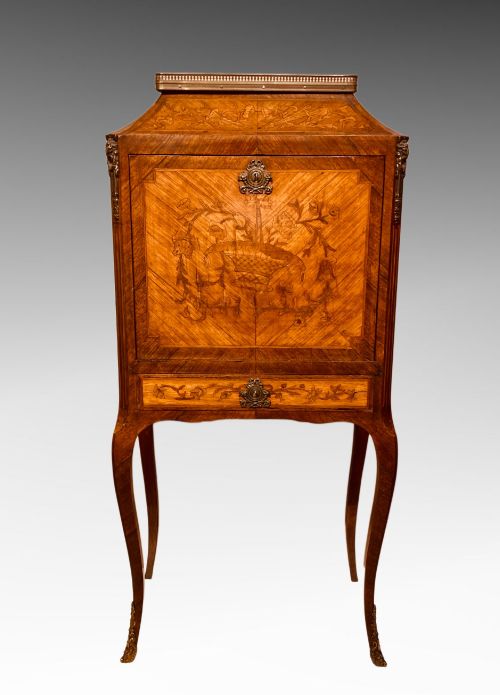
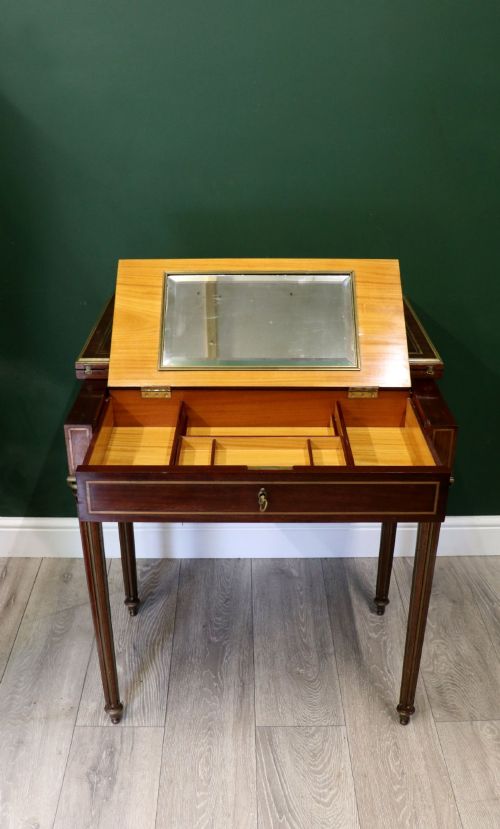
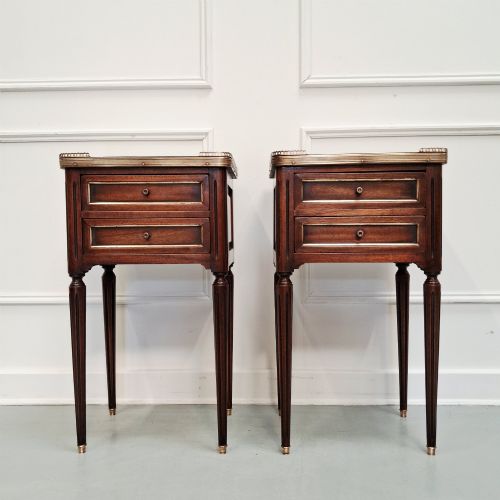
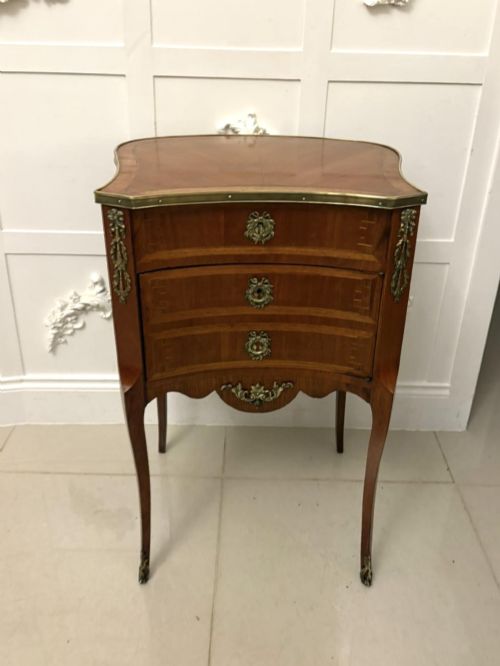
A brass inlay cabinet combines timber construction with contrasting metal details, functioning variously as a chiffonier, bookcase, pier cabinet, or side cabinet. These pieces emerge from periods spanning the Georgian era through the Victorian period, Regency years, and Edwardian decades, right up to the 1920s and 1930s.
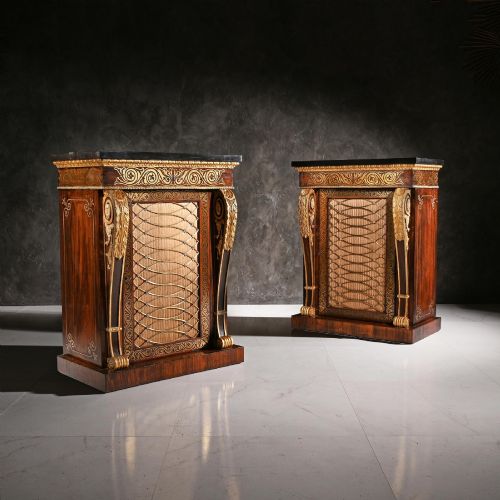
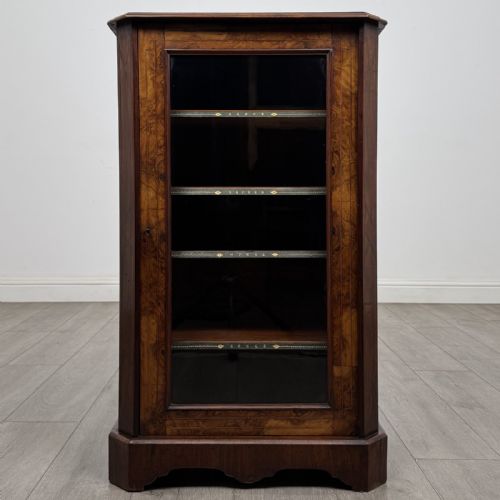
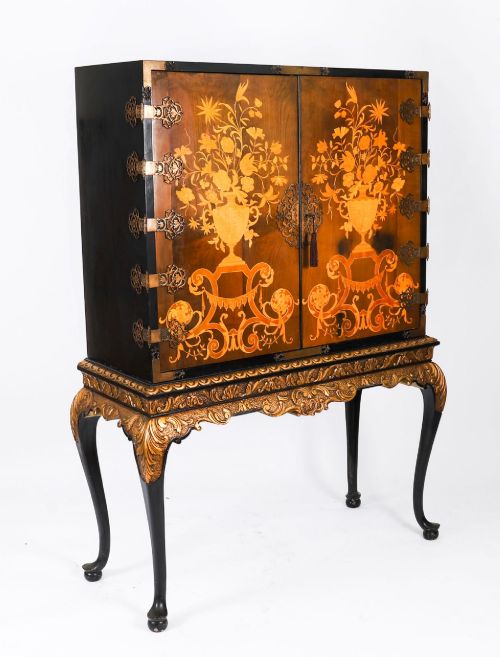
The versions most commonly met on this page include Regency rosewood and mahogany side cabinets, along with Victorian burr walnut pier cabinets and ebonised display cases. Makers such as Hewetsons and Louis Constantin Le Gaigneur appear among the records, alongside French Louis XV style marquetry items.
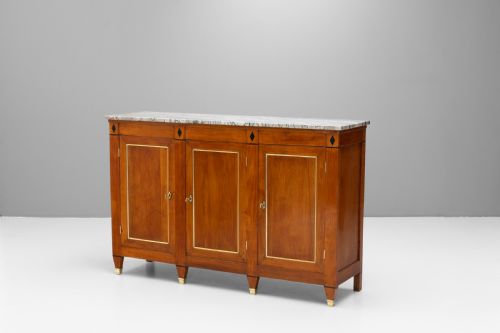
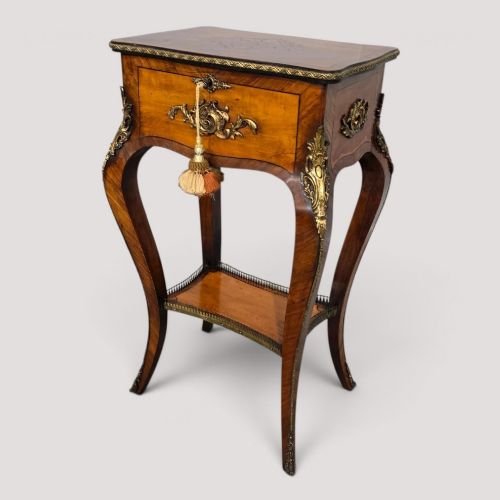
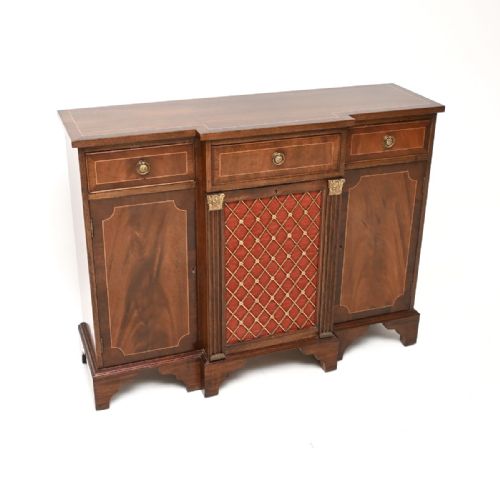
Forms range from small bedside cabinets and music cabinets to large breakfront sideboards, secretaires, and credenzas. Each utilises the cool glint of brass lines, stringing, or boulle work to frame doors, drawers, and panels of glass and marble.

Materials and construction
Makers built the foundational carcases of these cabinets using dense timbers such as mahogany, rosewood, walnut, burr walnut, and ebonised wood, frequently applying veneers to achieve rich grain patterns. Artisans then routed shallow channels into the timber surfaces to receive precision-cut strips of brass, securing the metal flush with the wood.
Decoration often combined brass line inlay or stringing with ormolu mounts, gilt brass ornamentation, and boulle work, occasionally incorporating marble tops such as rosso levanto. Glass panels, brass castors, and cut crystal decanters completed the hardware and fittings of these functional storage pieces.
Brass Inlay Cabinet Retail Price Guide 2026
Typical asking prices for brass inlay cabinet among the pieces listed under this phrase on Sellingantiques today, from the lower quarter to the upper quarter. They describe what is for sale here now, not the wider market.
One occasional table brings Cairo-ware into the mix, proving that brass inlay loves a bit of travel.
Judging the work
Quality rests in the precision of the metalwork and the selection of the timber veneers. Tightly fitted brass lines that remain flush with the surrounding grain demonstrate superior craftsmanship compared to unevenly seated metal strips.
The choice of primary wood and burr veneers dictates the visual depth of the piece. Well-balanced proportions and harmonious integration of brass mounts with the underlying cabinetry distinguish finer items from simpler utilitarian storage.
Hewetsons·Louis Constantin Le Gaigneur
The Brass Inlay Cabinet Glossary
- Chiffonier
- A low sideboard or cabinet with enclosed shelves below, popular during the Regency and Victorian periods. It frequently incorporates brass inlay and a raised superstructure.
- Pier cabinet
- A narrow cabinet designed to stand against the wall space between windows. These pieces often feature glass doors and brass stringing.
- Boulle
- An elaborate marquetry technique using brass and tortoiseshell or ebonised wood. It creates ornate metallic patterns across the surface of a cabinet.
- Stringing
- Thin inlay lines of contrasting wood or metal set into furniture surfaces. This technique outlines drawers, doors, and tabletops.
- Ormolu
- Gilded bronze or brass mounts applied to furniture for decoration. It provides sculptural metallic contrast to timber carcases.
Brass Inlay Cabinet: Frequently Asked Questions
What rooms suit a brass inlay cabinet?
These cabinets adapt readily to living spaces, dining rooms, and bedrooms as display cases, bedside units, or sideboards. Their reflective metal details brighten darker corners while offering practical enclosed storage.
Smaller examples function well as lamp tables or music cabinets, whereas larger credenzas serve as focal points for storing tableware and books.
How do I identify a Regency brass inlay cabinet?
Regency pieces often display rich rosewood or mahogany timbers accented with fine brass line inlay and geometric stringing. They frequently take the form of chiffoniers, pier cabinets, or low sideboards with symmetrical door arrangements.
Many examples from this period rest on short bracket feet or plinth bases, sometimes paired with marble tops and original brass hardware.
What is the difference between stringing and boulle work?
Stringing consists of narrow, single lines of brass or contrasting timber set into routed channels to create simple geometric borders. It provides a restrained linear accent on Regency and Victorian furniture.
Boulle work involves complex cut-metal sheets combined with dark woods or tortoiseshell to cover entire panels in elaborate, shimmering patterns. This technique appears more frequently on French-influenced cabinets and ebonised pieces.
How should I care for brass inlay on antique furniture?
Keep the timber clean using a soft, dry cloth and apply occasional high-grade wax polish to nourish the wood around the metal. Avoid harsh liquid cleaners that might seep beneath the brass strips or damage the surrounding veneer.
Gentle buffing maintains the soft lustre of the metal without disturbing the flush fit against the timber carcase.