

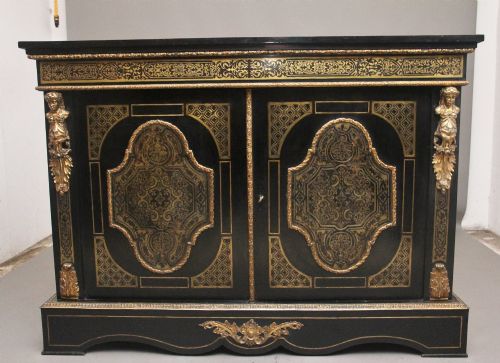
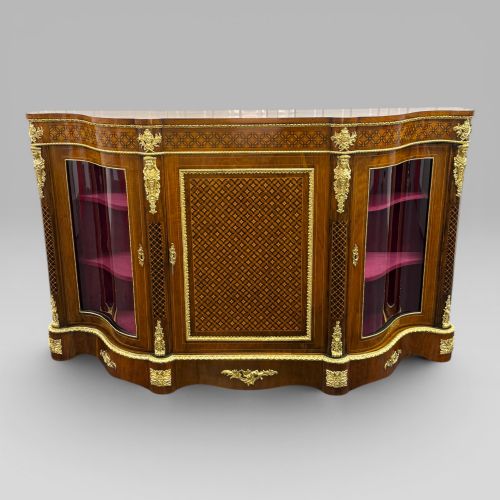
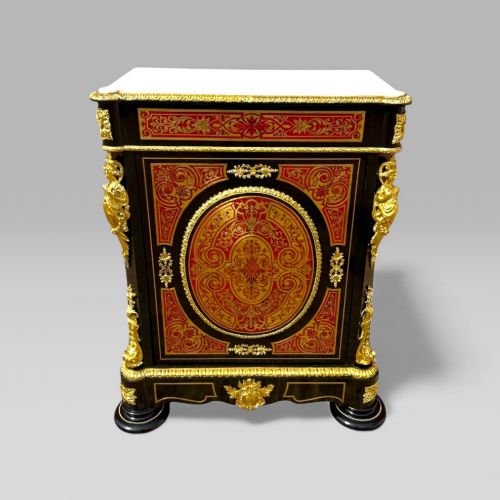


Gilt Bronze Mounted Credenza
A gilt bronze mounted credenza brings nineteenth-century French and English splendour into a room, offering grand presence and display space.
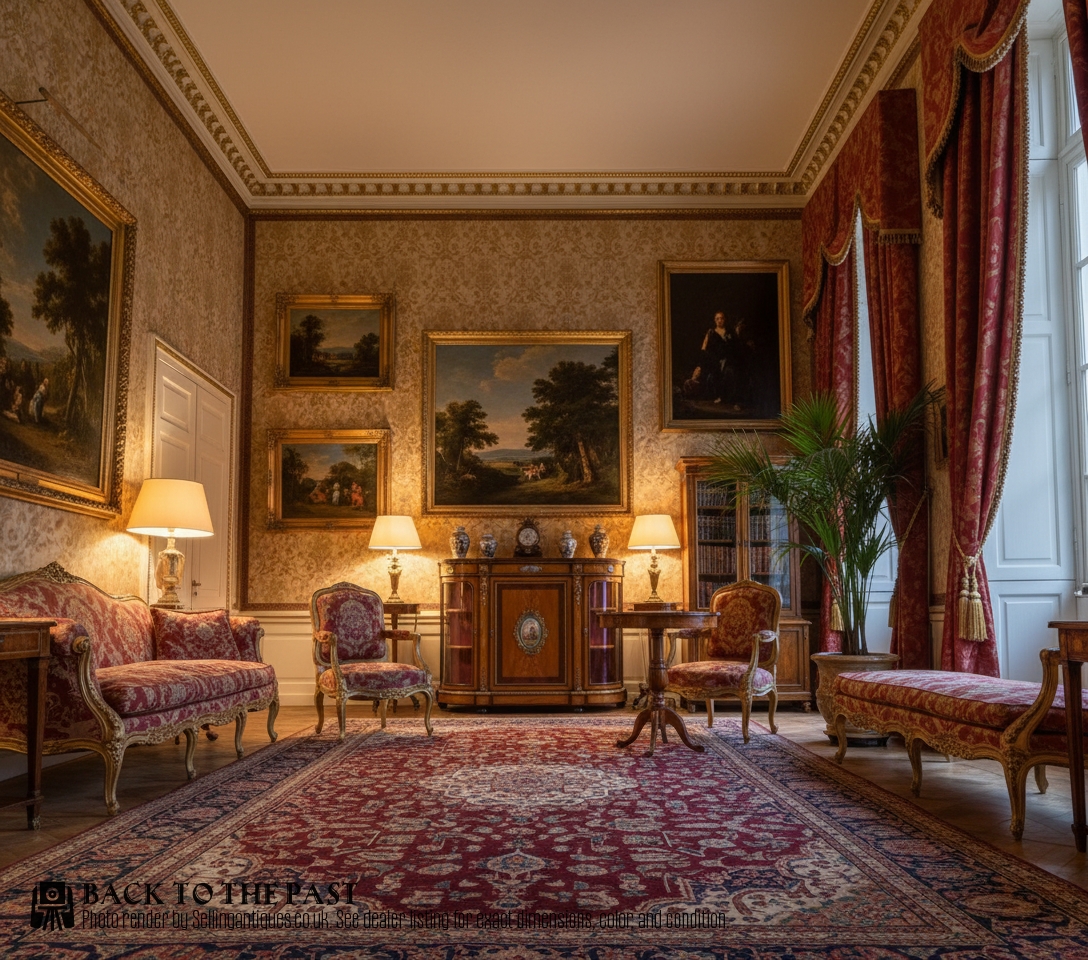
What they are
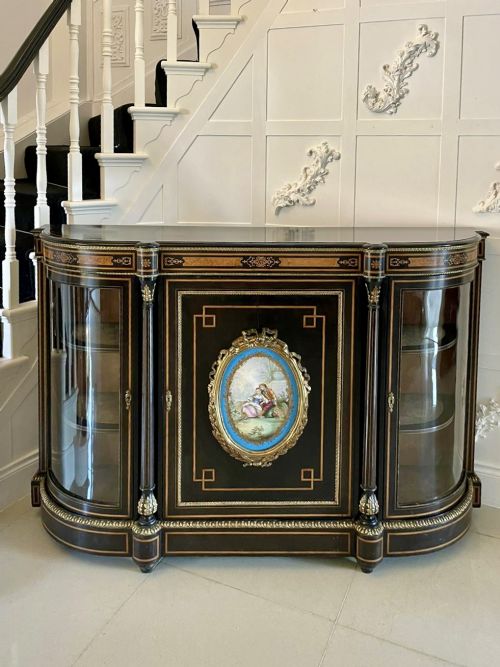
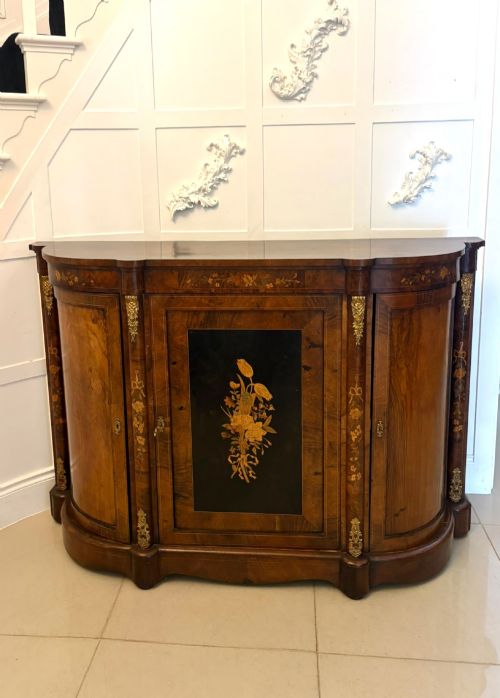
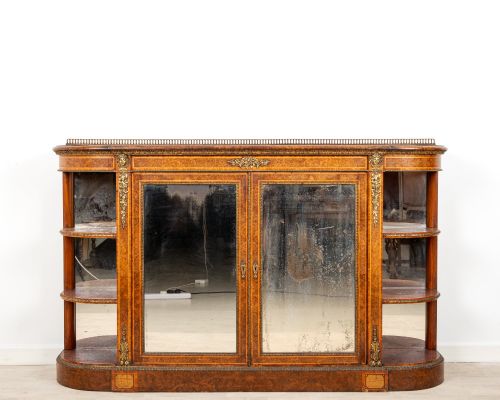
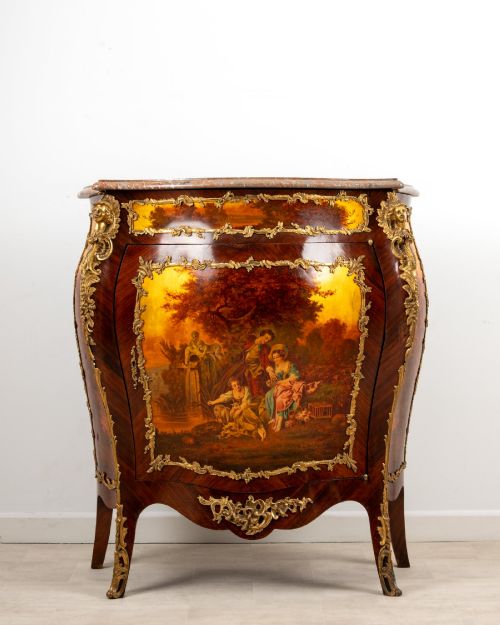
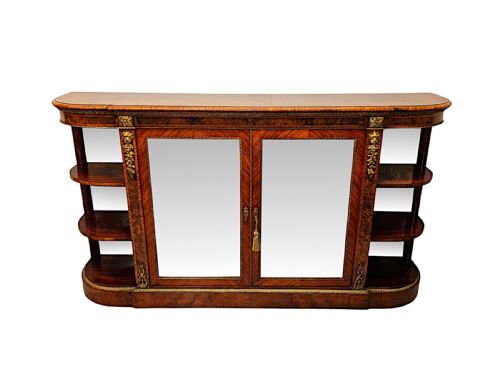
When you search for a gilt bronze mounted credenza, you encounter elaborate nineteenth-century side cabinets, pier cabinets and low sideboards designed for formal entertaining. These statement items serve as foundational pieces for historic interiors, offering flat surfaces for display and enclosed shelving behind glazed or panelled doors.
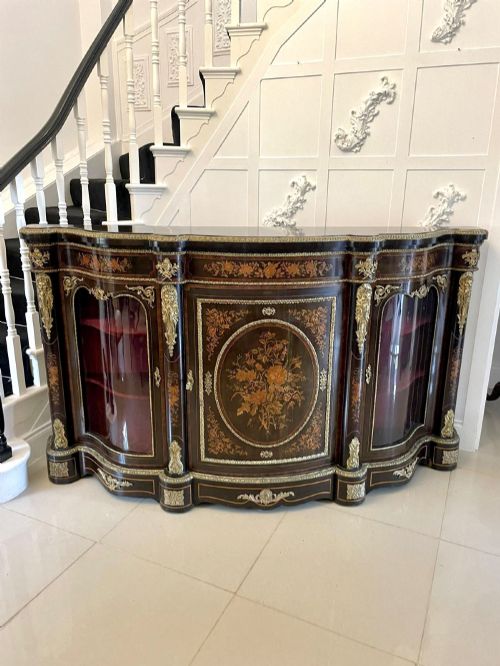
The versions most commonly met on this page span the Victorian period and the French Napoleon III era, drawing heavily on Rococo Revival and Louis XV style vocabularies. They appear in serpentine, breakfront and straight forms, frequently incorporating mirrored backs and delicate marquetry panels alongside heavy metallic mounts.
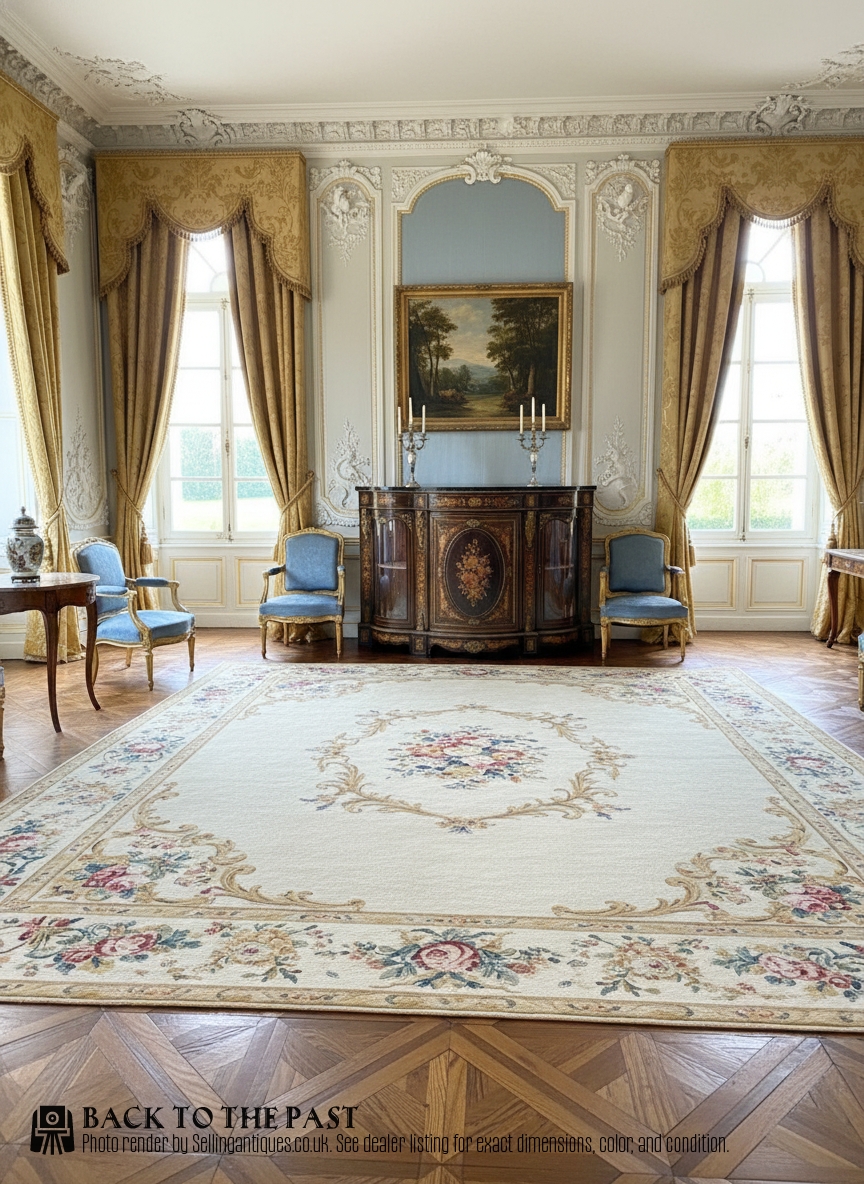
How they were made
Cabinet makers built these pieces using substantial foundational timbers like walnut, burr walnut and satinwood, often applying ebonised finishes to create high-contrast surfaces. Many examples incorporate intricate floral marquetry and tortoiseshell inlay alongside brass or boulle work.
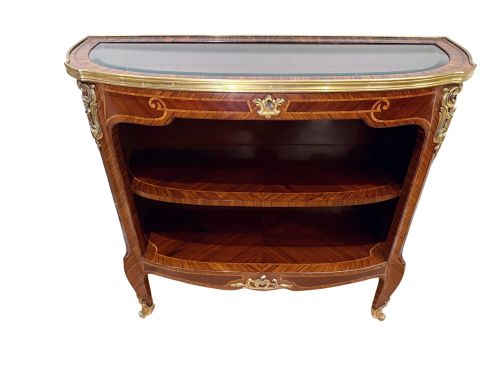
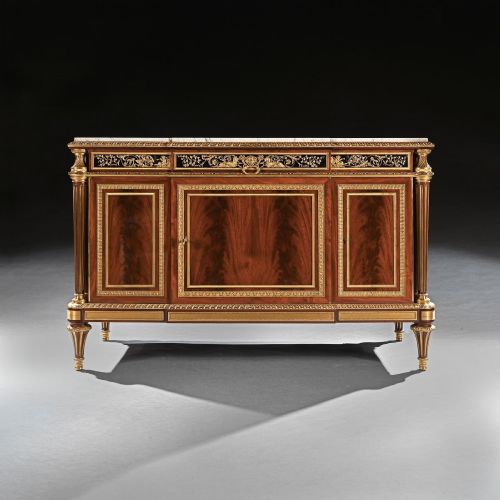
Gilt bronze, or ormolu, mounts were cast, chased and fire-gilded before being fixed to corners, feet and friezes. White or coloured marble tops and glass panels complete the construction, bringing together metalwork, stonework and cabinetry.
Retail Price Guide 2026
Typical UK retail prices for gilt bronze mounted credenza, calculated from the Sellingantiques database of over a million retail prices indexed since 2003. This retail price guide relies exclusively on Sellingantiques data; no external sources or auction records are used, so the figures do not describe the wider market.
Tortoiseshell and brass inlay catch the low afternoon light, turning a stationary side cabinet into a subtle mirror show.
What varies in quality
The distinction between ordinary and exceptional pieces rests upon the crispness of the ormolu chasing and the depth of the timber grain. Finer examples display meticulously hand-chased gilt bronze mounts that integrate harmoniously with the underlying cabinetry.
Superior execution shows in the precision of the marquetry and the weight of the marble tops, whereas simpler production relies on standard cast mounts and straightforward veneering.
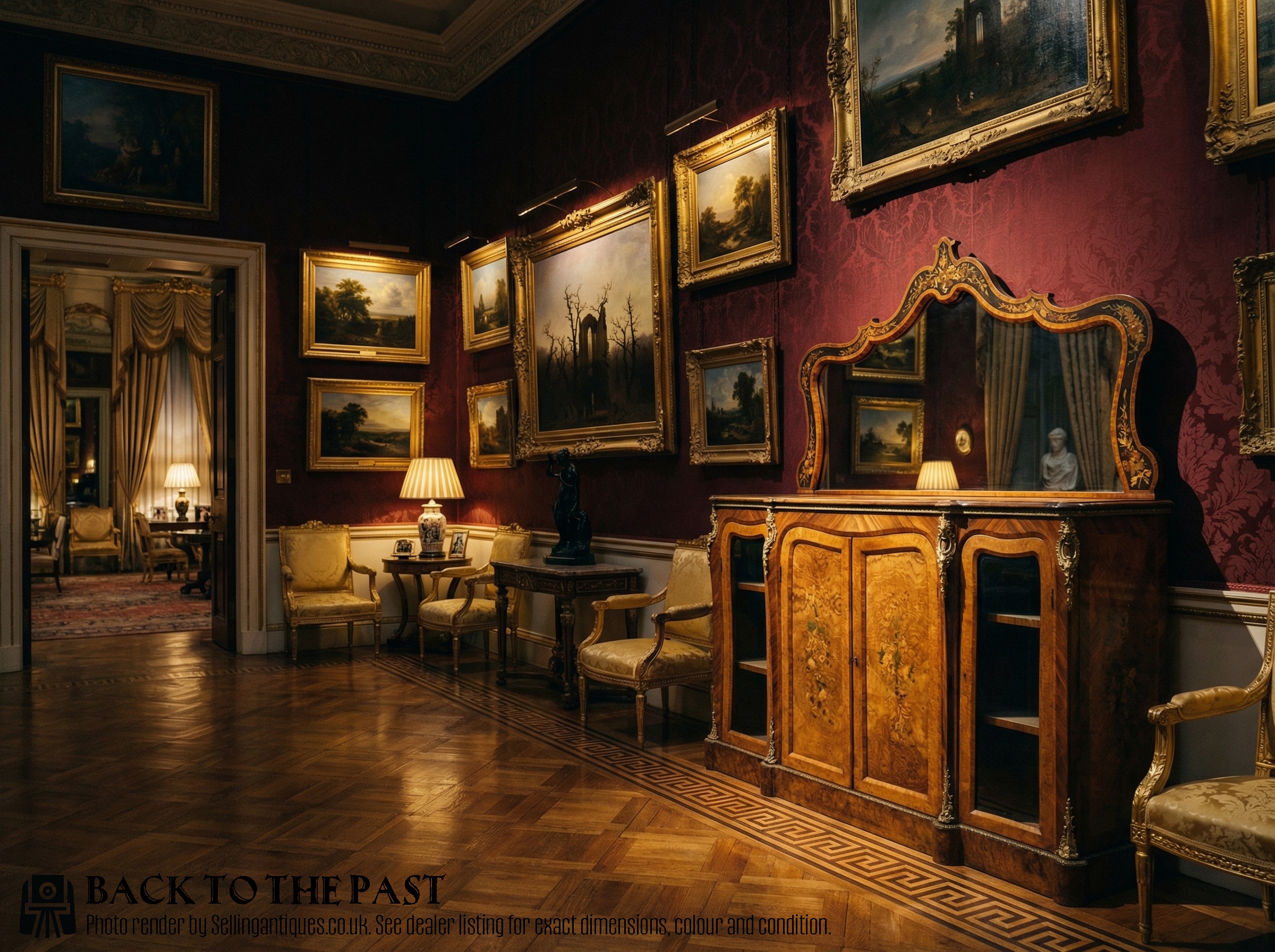
Maison Gagneau·Gillows
The Gilt Bronze Mounted Credenza Glossary
- Ormolu
- Gilded bronze used for decorative mounts and hardware on furniture. This technique involves applying a gold amalgam to a bronze base before heating.
- Boulle
- A form of marquetry using brass and tortoiseshell developed during the reign of Louis XIV. It creates an opulent metallic pattern against a dark background.
- Credenza
- A low cabinet or sideboard designed for dining rooms or reception spaces. It traditionally functions as both a serving surface and a display unit.
- Marquetry
- Inlaid woodwork that forms decorative patterns using various veneers. Craftsmen arrange coloured woods to create floral or geometric designs.
- Serpentine
- A furniture front or edge that curves outward in the centre and inward at the sides. This undulating shape adds movement and complexity to the cabinet design.
Frequently Asked Questions
What is a gilt bronze mounted credenza?
A gilt bronze mounted credenza is a low nineteenth-century cabinet embellished with cast metal mounts and decorative veneers. These pieces were built for formal reception rooms to display precious items and serve guests.
They combine cabinet making with bronze work, utilising timbers such as walnut and ebonised wood. Their presence anchors a room's decorative scheme.
How were these cabinets used originally?
In Victorian and nineteenth-century homes, these cabinets served as central fixtures for displaying porcelain, silver and decorative objects. The surface held lamps or ornaments while interior shelves stored dining linens or glassware.
Mirrored backs on many models reflected candlelight and enhanced the display of objects within the room. They functioned as both furniture and decorative art.
How do I style a credenza today?
Living with a credenza involves placing it against a primary wall in a dining room, hallway or drawing room. Keep the top surface balanced with lamps, art or curated objects that complement the rich wood tones and gilt mounts.
Ensure the piece has adequate clearance to allow the doors to open fully without obstruction. Lighting should highlight the depth of the marquetry and the quality of the ormolu.
How do I tell Victorian from French pieces?
Distinguishing between English Victorian and French nineteenth-century cabinets often depends on the timber choices and the specific stylistic revival references. French pieces frequently utilise ebonised finishes, tortoiseshell and boullework in the Napoleon III manner.
English makers often favour burr walnut, satinwood and traditional marquetry while adopting similar continental forms. Examining the construction methods and secondary woods helps clarify the origin.