


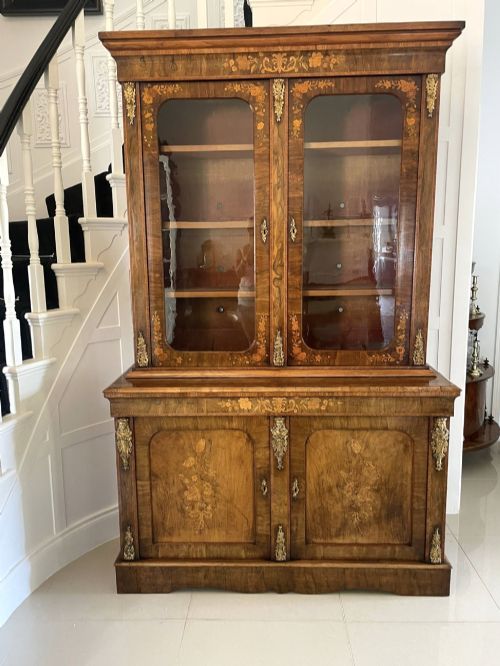
Ormolu Mounted Walnut Cabinet
When searching for an ormolu mounted walnut cabinet, buyers discover pieces combining figured timber with cast gilt mounts.
Ormolu Mounted Walnut Cabinet
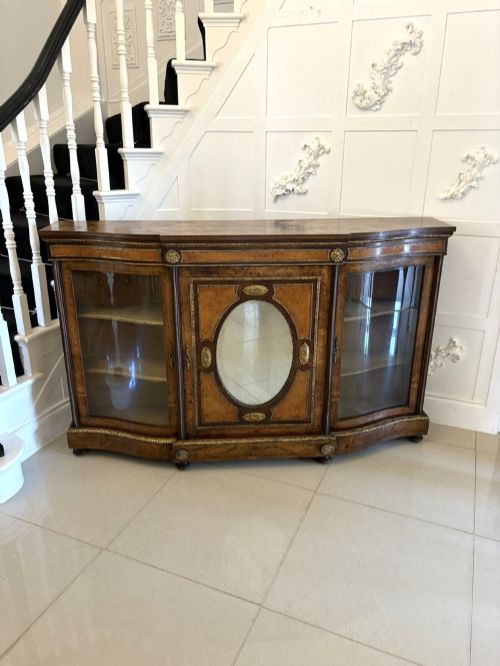
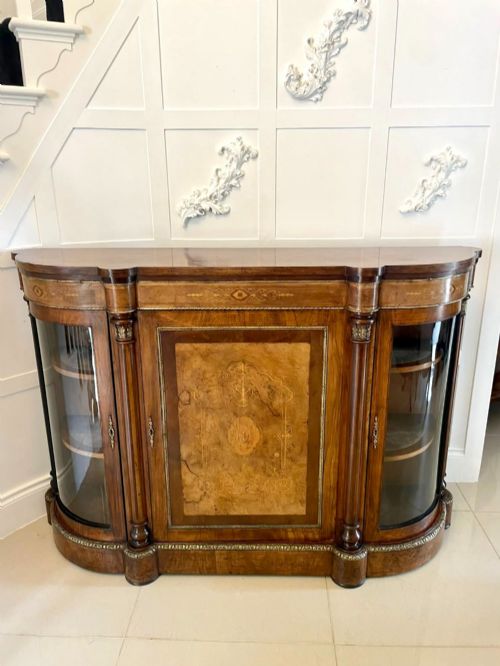
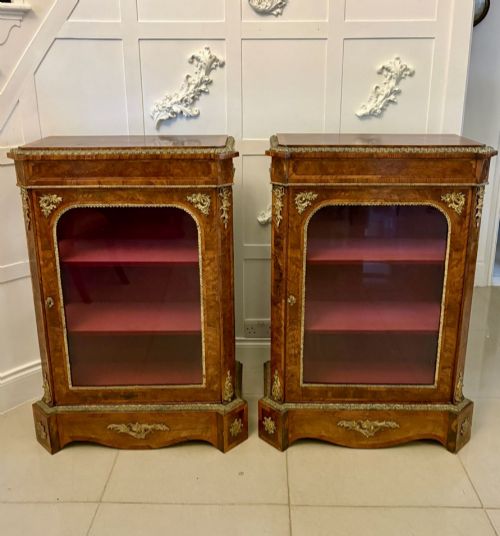
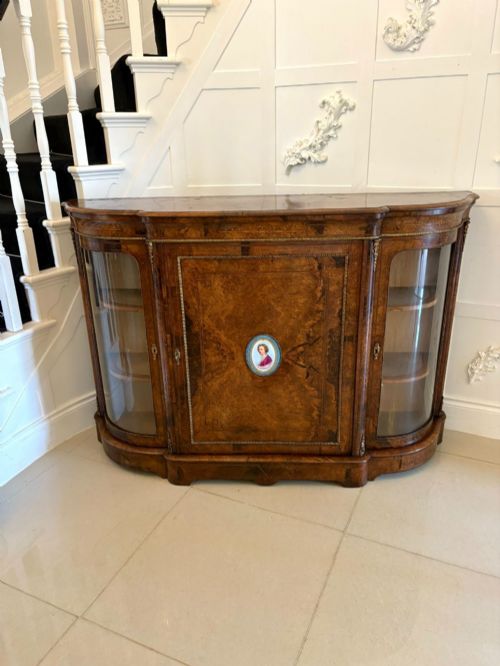
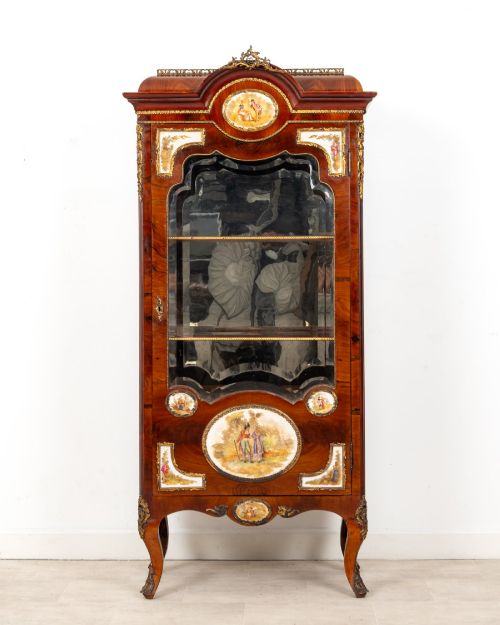
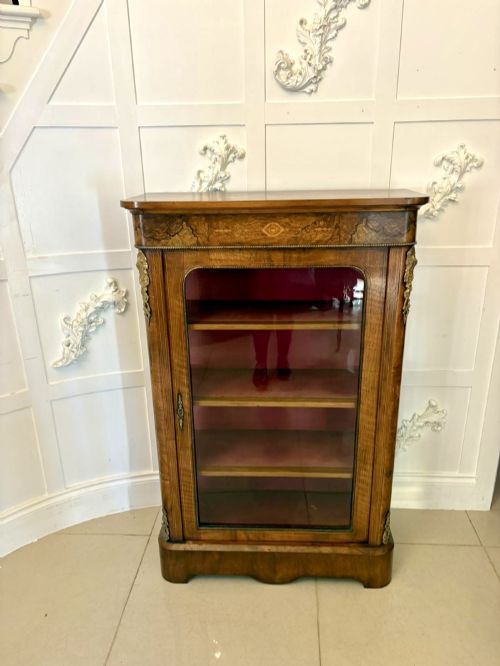
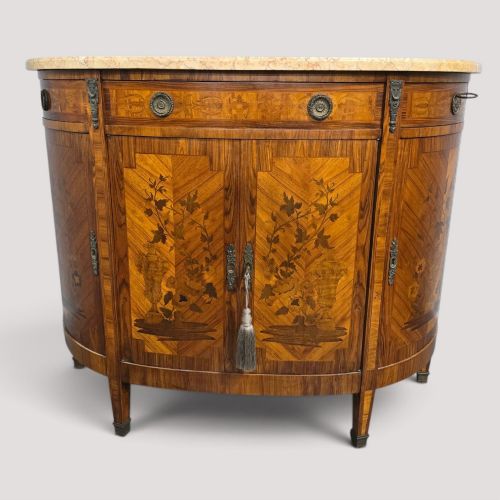
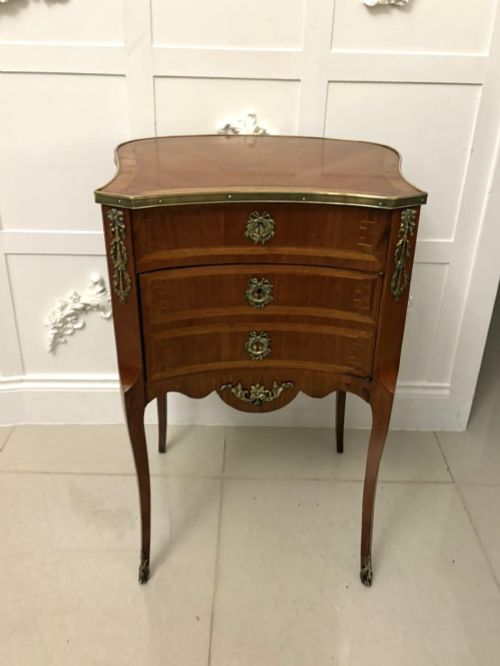
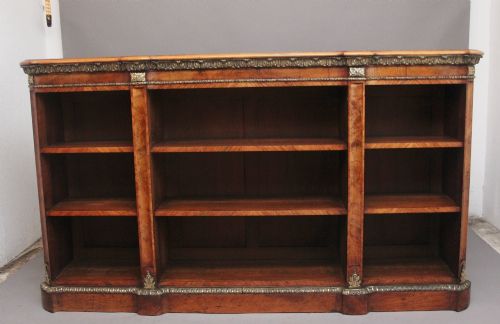
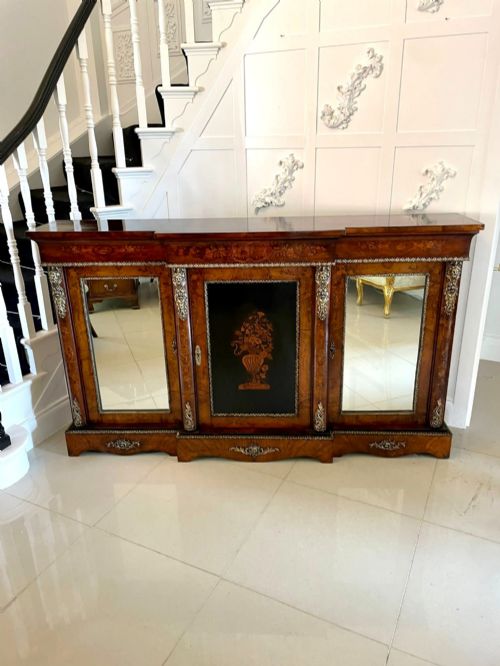
An ormolu mounted walnut cabinet brings together rich timbers and cast metal mounts across forms such as credenzas, pier cabinets, and display cases. These pieces emerge primarily from Victorian English workshops and French revival periods spanning the nineteenth and early twentieth centuries.
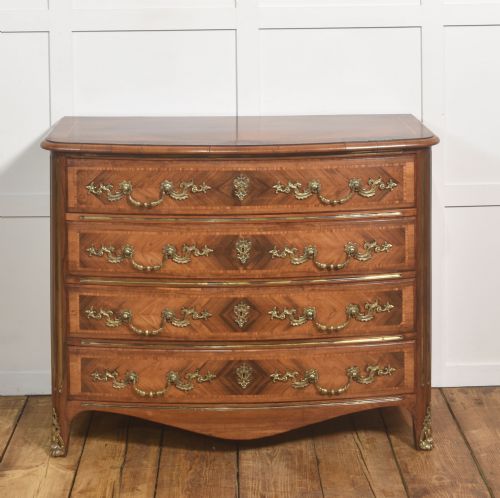
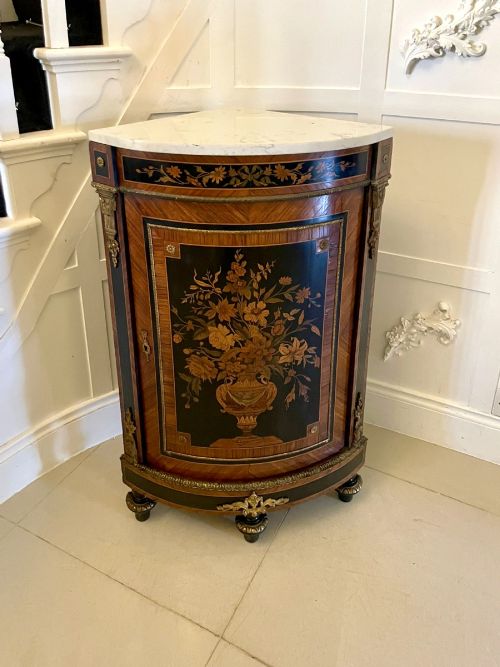
English examples tend toward credenzas and pier cabinets featuring burr walnut veneers and extensive floral marquetry. French items often take the form of display cabinets, commodes, and corner units displaying serpentine fronts alongside marble tops.
How They Were Made
Cabinet makers utilised walnut and burr walnut veneers applied over solid secondary woods, often enhancing the timber with delicate marquetry and parquetry inlays using kingwood, rosewood, and ebony. Ormolu mounts - cast and gilt bronze - were then fitted to protect corners, frame door panels, and accentuate feet and cornices.
Glass doors appear frequently on display cabinets and vitrines, while marble tops in white, grey, or rouge feature on commodes and side cabinets. Porcelain plaques occasionally inset the timber framework alongside mirrored interior backings.
Ormolu Mounted Walnut Cabinet Retail Price Guide 2026
Typical asking prices for ormolu mounted walnut cabinet among the pieces listed under this phrase on Sellingantiques today, from the lower quarter to the upper quarter. They describe what is for sale here now, not the wider market.
Makers occasionally added secret side lockers to French chests, giving discreet storage for valuables behind decorative ormolu mounts.
What Varies in Quality
The standard of an ormolu mounted walnut cabinet rests heavily on the depth and grain figure of the walnut veneer, alongside the crispness of the gilt bronze chasing. Finer examples display meticulous matching of burr walnut figures across symmetrical door panels and drawer fronts.
Construction details such as hand-cut dovetails in drawer carcases and the thickness of the brass and ormolu mounts separate standard production from exhibition pieces. The complexity of the marquetry work and the integration of porcelain plaques further distinguish workshop tiers.
JOHNSTONE AND JEANES·Gillows·Maison Gagneau
The Ormolu Mounted Walnut Cabinet Glossary
- Ormolu
- Gilt bronze mounts applied to furniture for decorative and protective purposes. These metal elements were cast and chased by hand before gilding.
- Burr Walnut
- Timber taken from the wart or burl growth of a walnut tree, yielding highly figured, swirling grain patterns prized by cabinet makers.
- Marquetry
- Decorative veneer work forming pictures or geometric patterns by fitting together small pieces of various woods, bone, or ivory.
- Pier Cabinet
- A narrow cabinet designed specifically to stand against the wall space between windows during the Victorian period.
- Credenza
- A low sideboard or cabinet, frequently fitted with glass doors and mirrored interiors, popular in nineteenth-century reception rooms.
Ormolu Mounted Walnut Cabinet: Frequently Asked Questions
What rooms suit an ormolu mounted walnut cabinet?
These cabinets suit drawing rooms, dining spaces, and studies where their figured wood and gilt mounts complement traditional interiors.
Smaller pier cabinets and bedside chests fit narrow wall spaces, while larger credenzas serve as focal points against main walls.
How do English and French cabinets differ?
English pieces from the Victorian era typically present rectilinear credenzas and pier cabinets with dense marquetry and porcelain plaques.
French items often exhibit serpentine shapes, gilt bronze mounts in Louis styles, and inset marble tops.
How should walnut furniture be maintained?
Walnut timber benefits from consistent indoor humidity levels and protection from direct sunlight to prevent veneer drying and fading.
Regular dusting with a dry cloth keeps the surface clean, while occasional gentle waxing preserves the finish.
Were these cabinets used for display?
Many variants, particularly pier cabinets and vitrines, were built specifically to display porcelain, glassware, and decorative objects behind glass doors.
Mirrored backs inside these compartments served to reflect light and amplify the displayed items.