


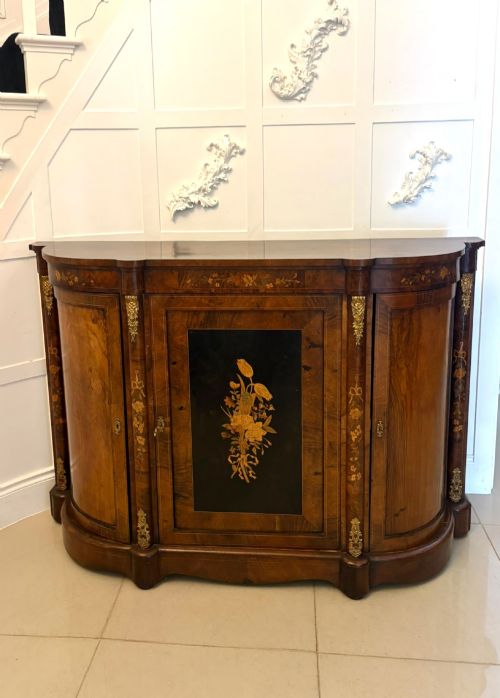
Victorian Burr Walnut Sideboard
A victorian burr walnut sideboard brings rich grain and stately presence to a room, offering both display space and concealed storage.
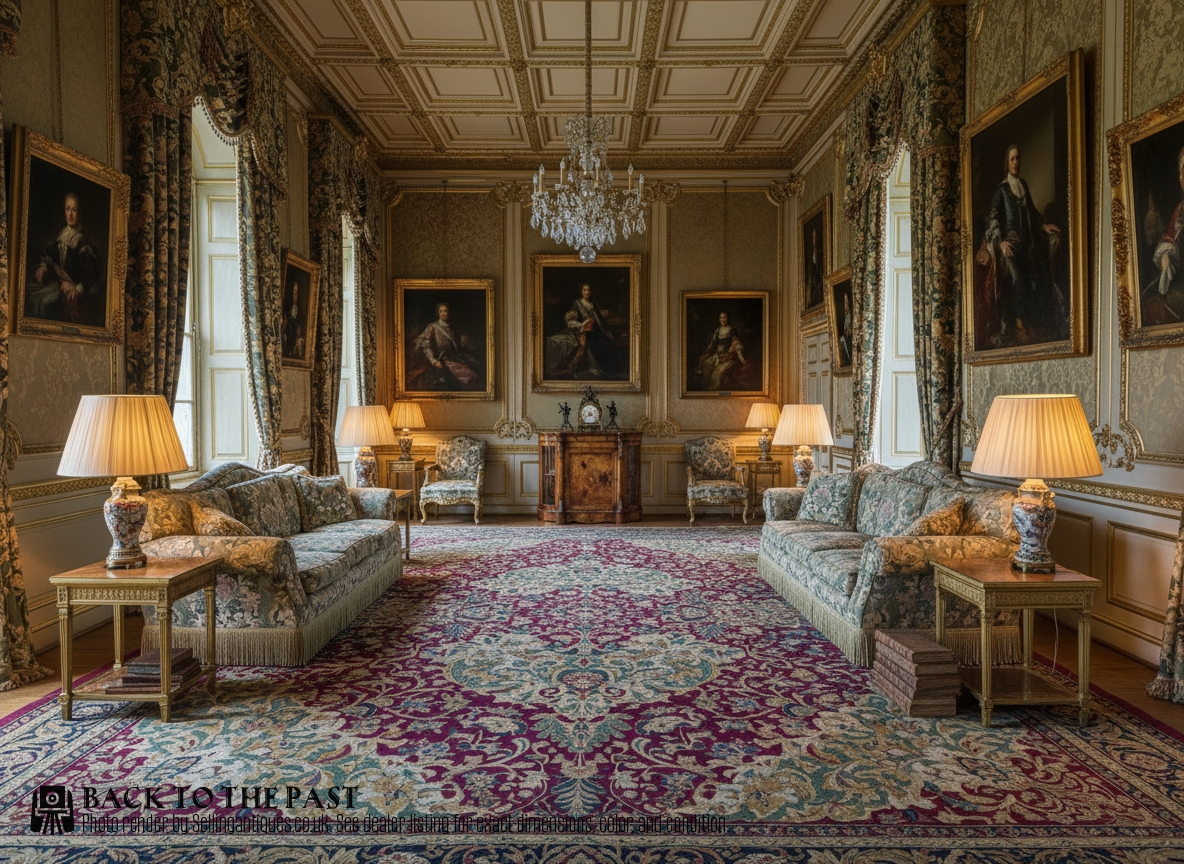
Victorian Burr Walnut Sideboard
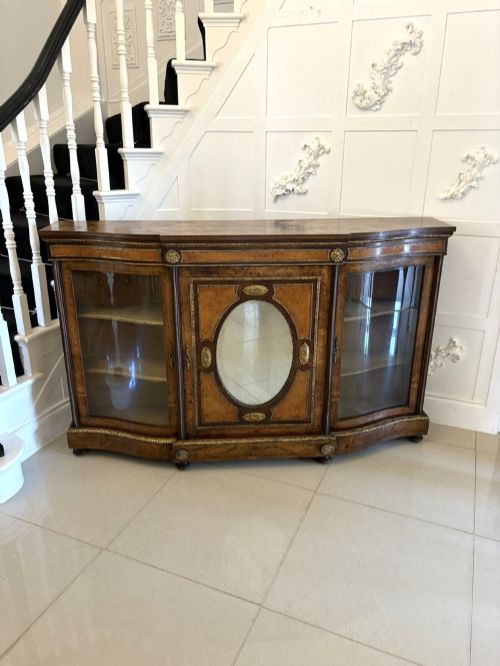
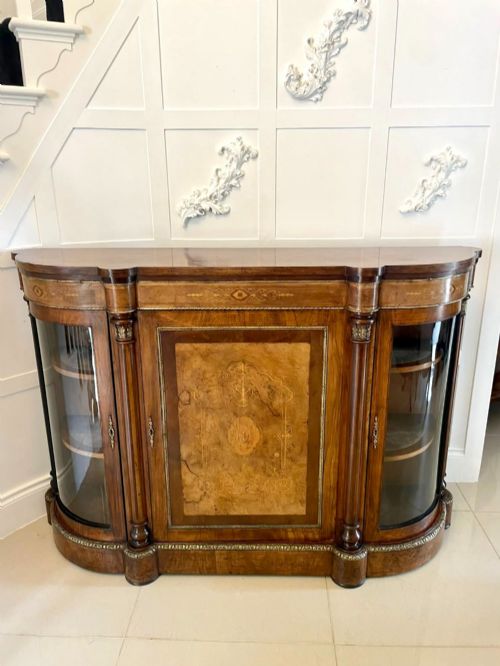
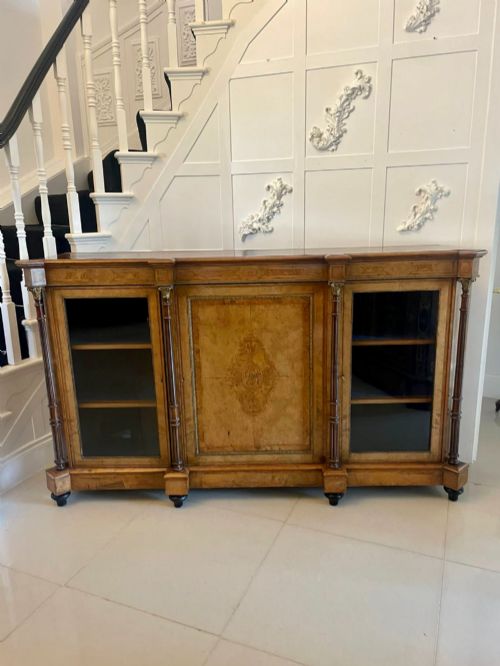
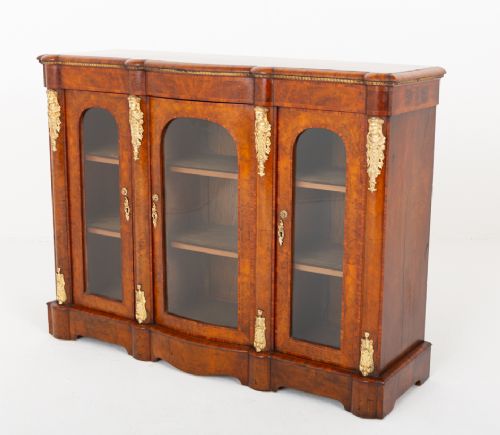
A victorian burr walnut sideboard encompasses a range of formal low cabinets, credenzas, and pier cabinets produced across the nineteenth century. These pieces function primarily as display and storage furniture for principal rooms, often featuring glazed central doors flanked by curved side cupboards.
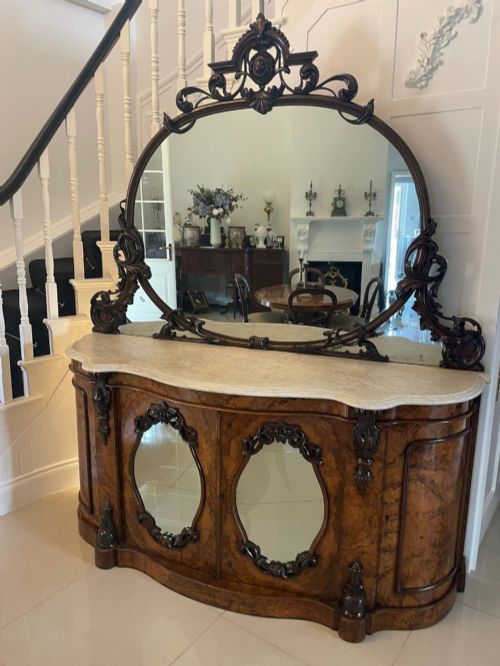
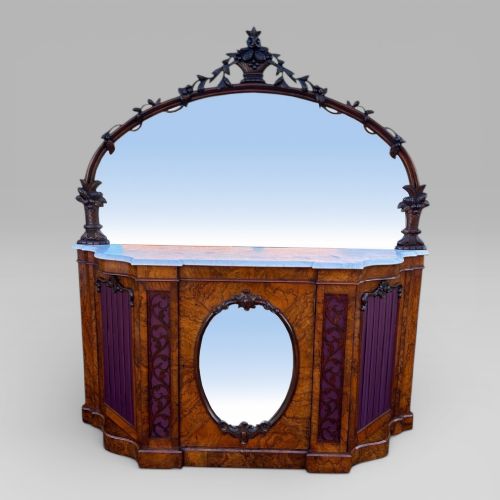
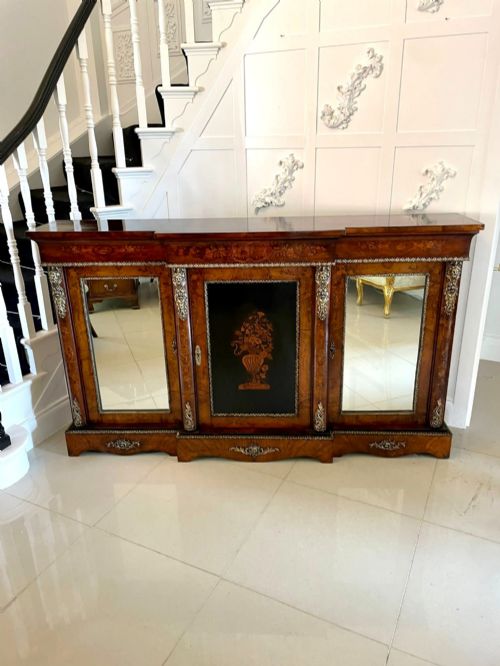
The version most commonly encountered on this page is the credenza, frequently ornamented with marquetry or mounted with ormolu. Such examples often include mirrored doors or carved mirror backs designed to reflect light and interior spaces.
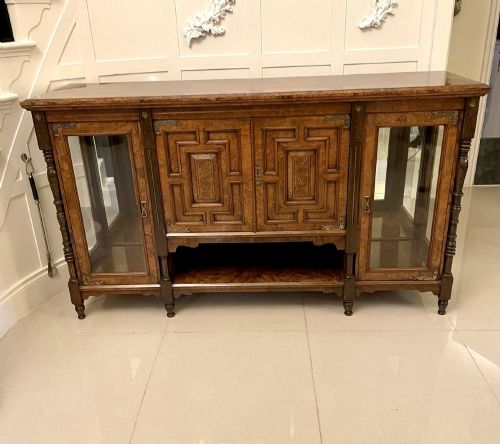
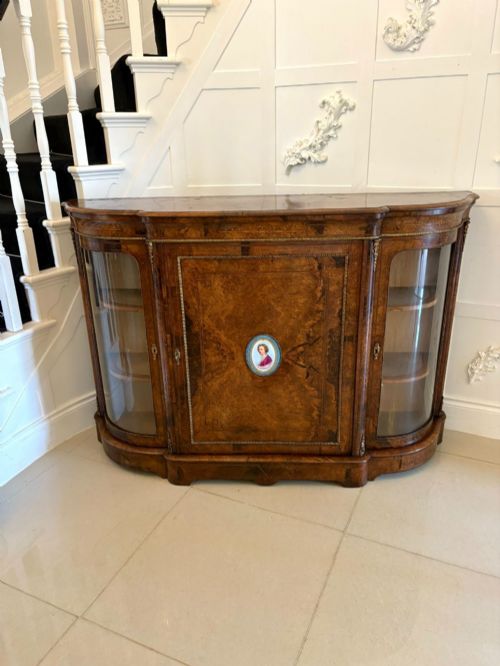
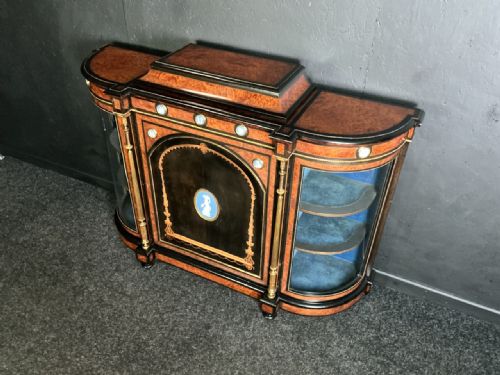
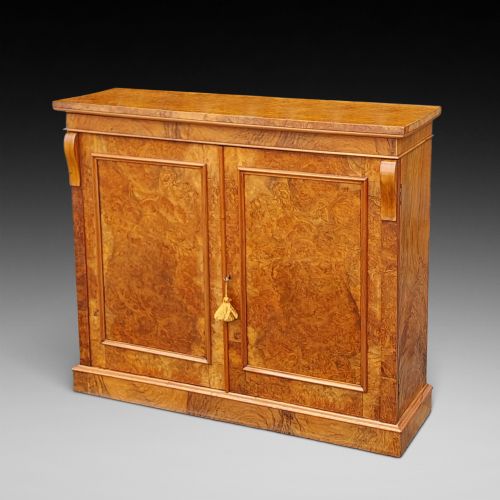
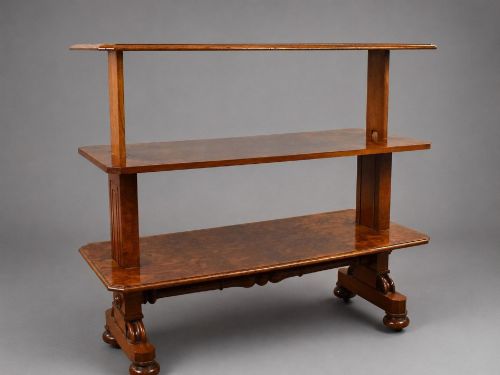
Variations span from straightforward side cabinets to expansive breakfront pieces incorporating marble tops and porcelain plaques. Alongside these, buyers find occasional specialised forms like telescopic dumbwaiters and salon cabinets.

How They Were Made
Cabinetmakers constructed these pieces using solid timber carcases overlaid with finely figured burr walnut veneers. These distinctive veneers were chosen for their swirling patterns and rich natural figuring.
Makers integrated decorative elements such as boxwood and floral marquetry inlay, alongside cast ormolu mounts and glazed panels. Marble tops and porcelain plaques added further textural contrast to the timber surfaces.
Victorian Burr Walnut Sideboard Retail Price Guide 2026
Typical asking prices for victorian burr walnut sideboard among the pieces listed under this phrase on Sellingantiques today, from the lower quarter to the upper quarter. They describe what is for sale here now, not the wider market.
Listings feature credenzas, pier cabinets, and mirror back sideboards spanning from eighteen-fifty to nineteen-hundred.
What Varies in Quality
Distinctions in quality often rest upon the complexity of the marquetry and the density of the burr walnut grain. Superior examples display meticulously matched veneers and harmonious floral inlay across every visible surface.
The integration of heavy cast ormolu mounts, glazed side doors, and carved mirror backs separates standard production from exhibition pieces. Maker attribution, through stamps or known workshop designs, further defines the upper tier of the range.
Gillows·Edwards and Roberts
The Victorian Burr Walnut Sideboard Glossary
- Burr walnut
- Timber taken from the abnormal growth knots of a walnut tree, yielding intricate, swirling grain patterns. It was prized by nineteenth century cabinetmakers for veneering prominent surfaces.
- Credenza
- A low dining or reception room cabinet, typically featuring a central door flanked by side cupboards. In Victorian furniture, these pieces often incorporate glass display sections and elaborate mounts.
- Ormolu
- Gilt bronze ornamentation applied to furniture mounts and architectural details. It provides a bright metallic contrast to dark timber and inlay.
- Marquetry
- The art of applying decorative pieces of veneer to a structure to form intricate floral or geometric designs. Craftsmen utilised contrasting woods such as boxwood to create layered pictorial effects.
- Pier cabinet
- A narrow cabinet designed specifically to fit the wall space between windows. These upright display pieces frequently feature glazed doors and delicate timber inlays.
Victorian Burr Walnut Sideboard: Frequently Asked Questions
What is a victorian burr walnut sideboard used for today?
These pieces serve as statement furniture in living rooms, dining rooms, and hallways, providing surface display areas and interior shelving. Their glazed compartments allow for the exhibition of ceramics and glassware while keeping items dust-free.
They also function effectively as media consoles or buffet surfaces during gatherings, combining historical character with practical household storage.
How do I care for burr walnut veneer?
Burr walnut benefits from stable indoor environments away from direct sunlight and extreme temperature fluctuations. Regular dusting with a soft, dry cloth preserves the polished surface without moisture damage.
Occasional application of appropriate furniture wax helps nourish the timber and maintain the natural lustre of the grain.
How can I tell the difference between a credenza and a sideboard?
Credenzas are typically low, enclosed cabinets without legs or with very low plinths, often featuring curved glass doors and ormolu mounts. Sideboards historically served dining functions and frequently incorporate taller proportions, backboards, or drawers.
Victorian terminology often blurred these distinctions, leading many makers to apply both terms interchangeably to low display cabinetry.
What distinguishes an aesthetic movement piece?
Aesthetic movement furniture departs from heavy revival styles by emphasising simpler structural lines and artistic decoration. These pieces often incorporate ebonised details and restrained inlay rather than elaborate ormolu mounts.
They reflect late nineteenth century ideals of artistic design and craftsmanship distinct from standard Victorian ornamentation.