

Marquetry Inlaid Cabinet
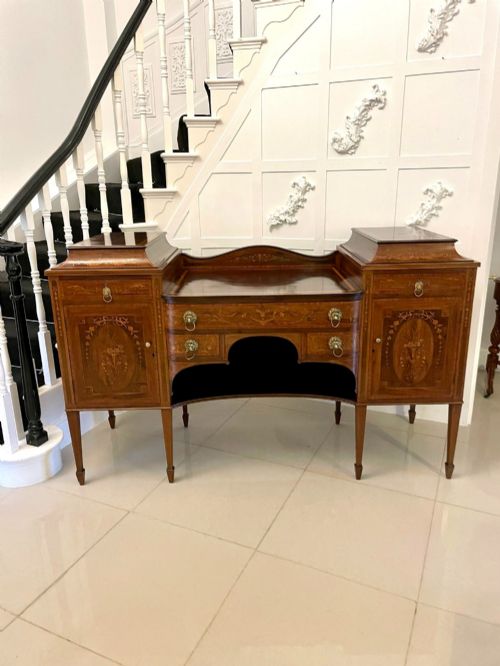
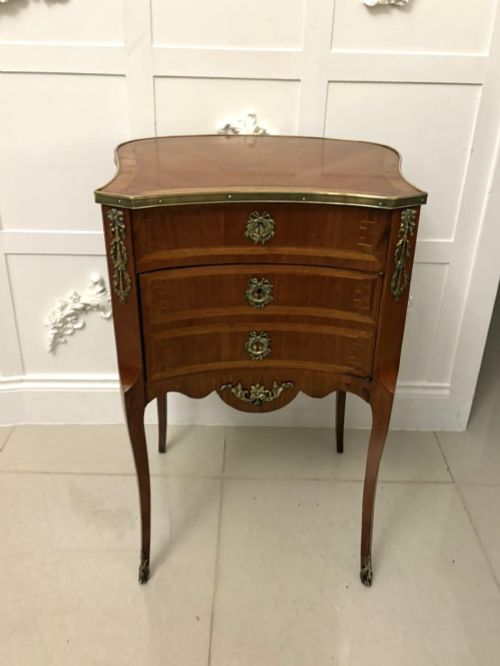
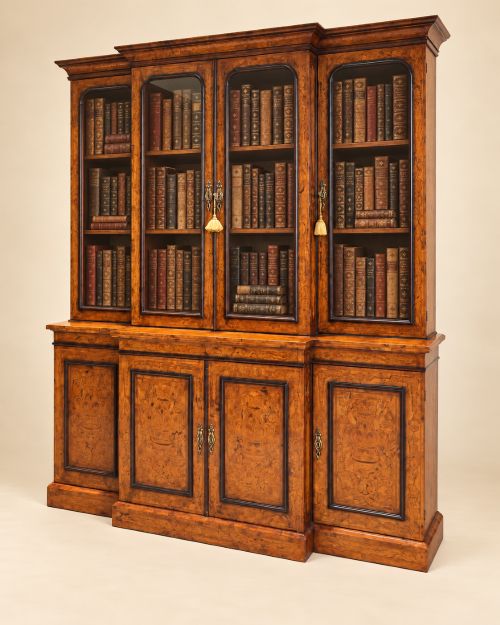
Marquetry inlaid cabinet pieces combine intricate wood veneers with structural storage, offering functional furniture with decorative floral and geometric scenes.
Marquetry Inlaid Cabinet
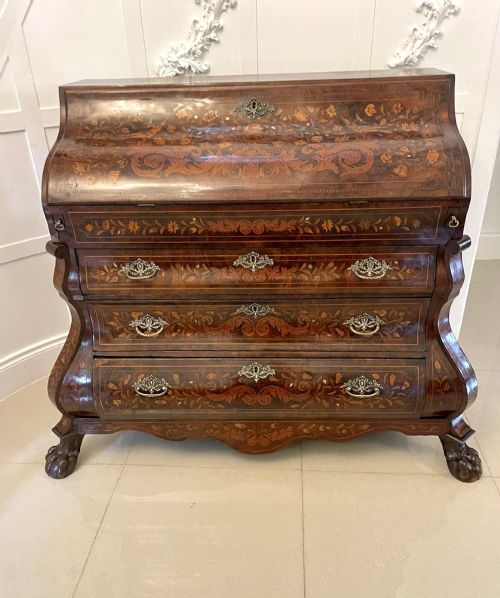
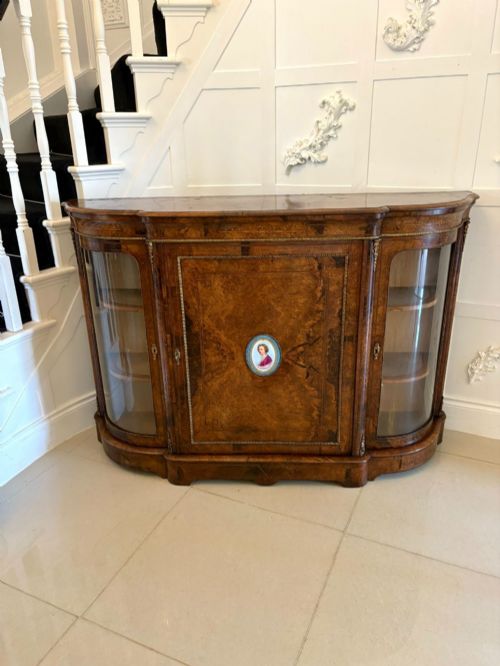
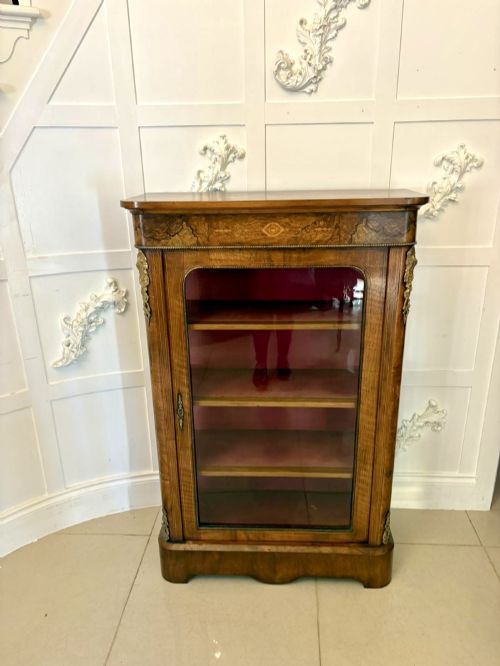
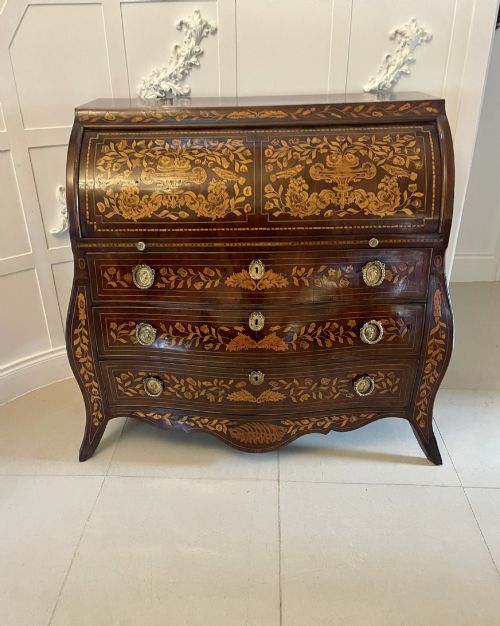
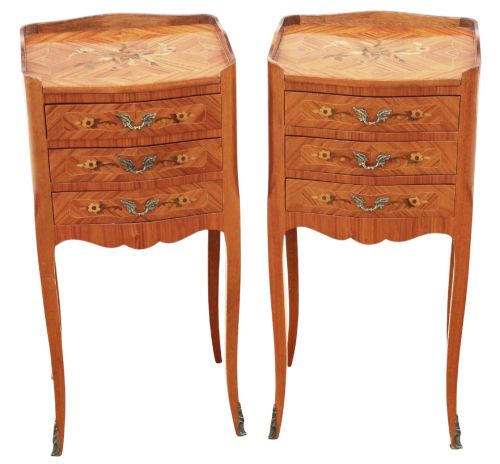
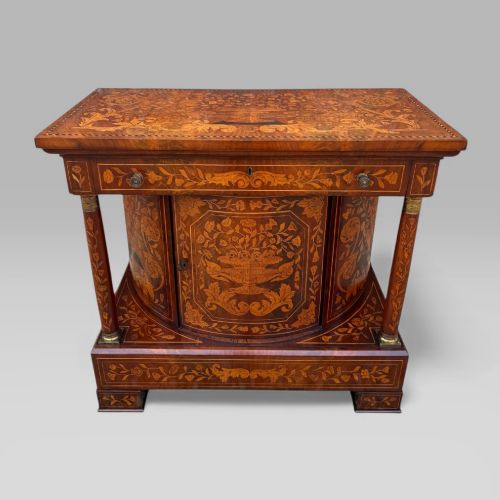
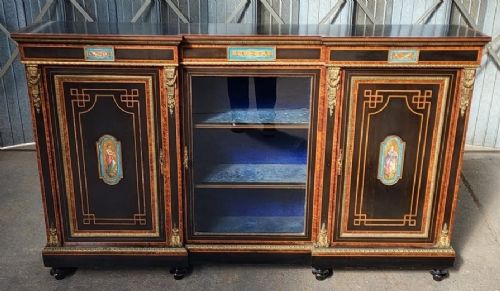
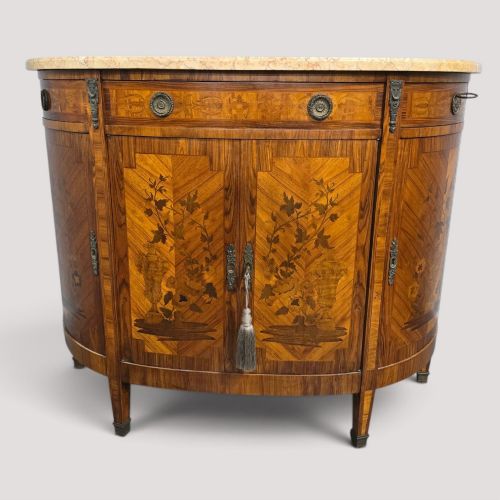
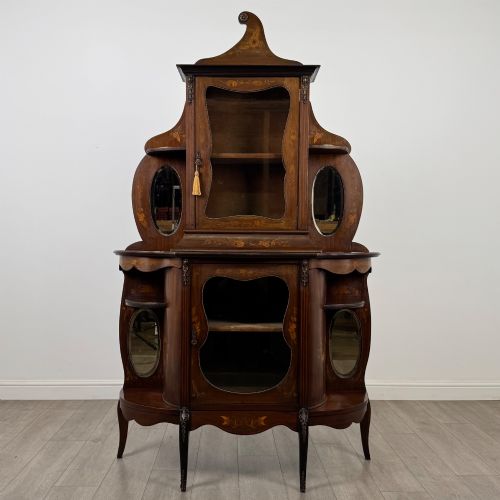
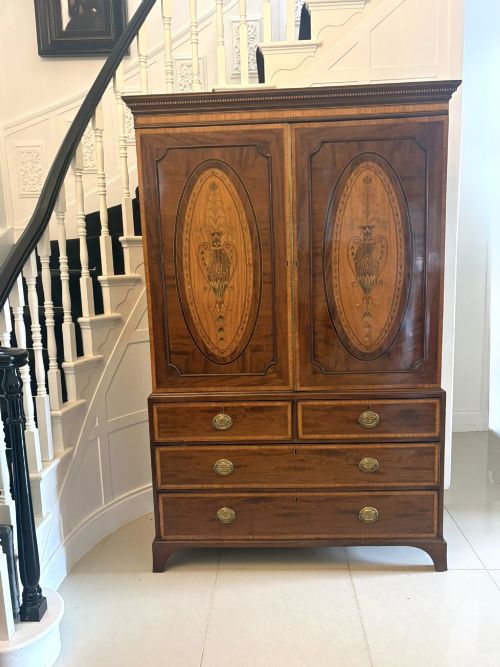
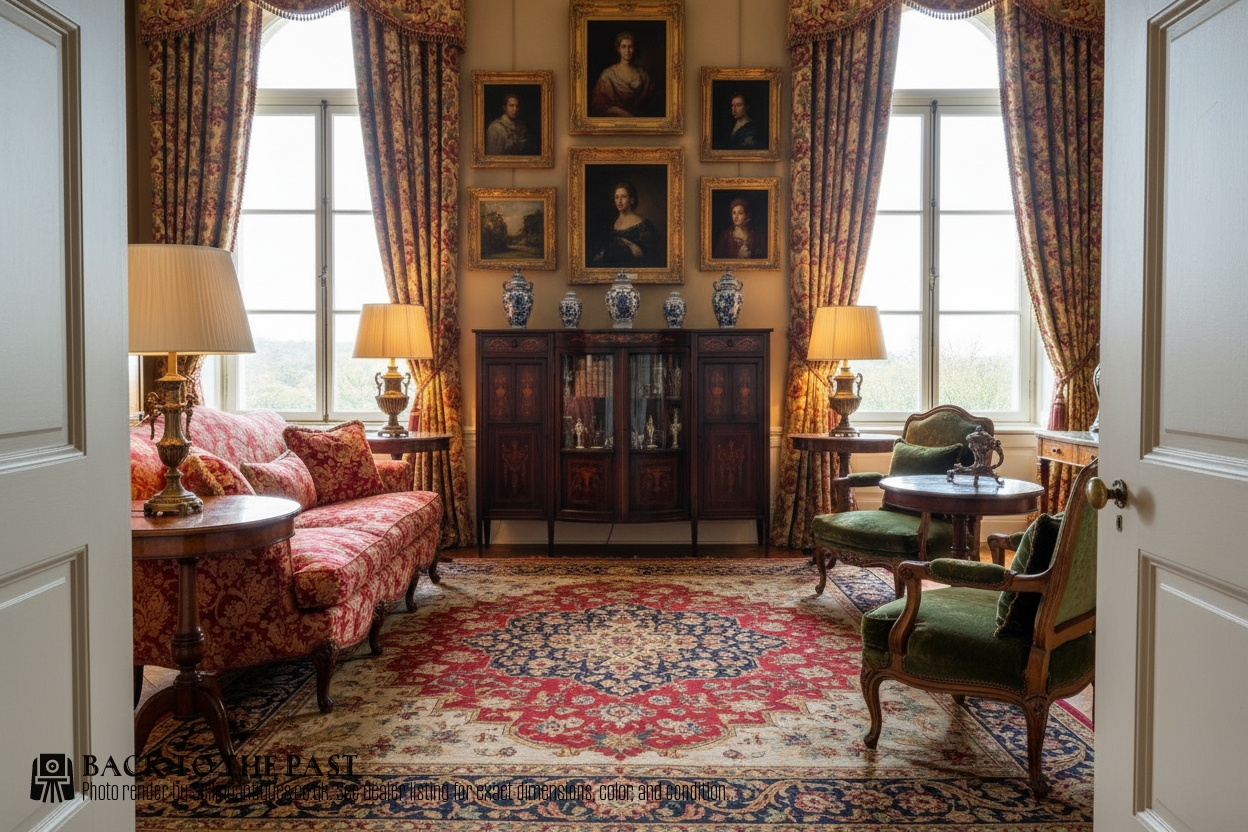
A marquetry inlaid cabinet encompasses a wide variety of forms, including side cabinets, display cases, credenzas, and bedside tables originating from the eighteenth to the early twentieth century. Buyers encounter styles ranging from Dutch Baroque and French Louis XV to Victorian walnut designs and Edwardian mahogany pieces.
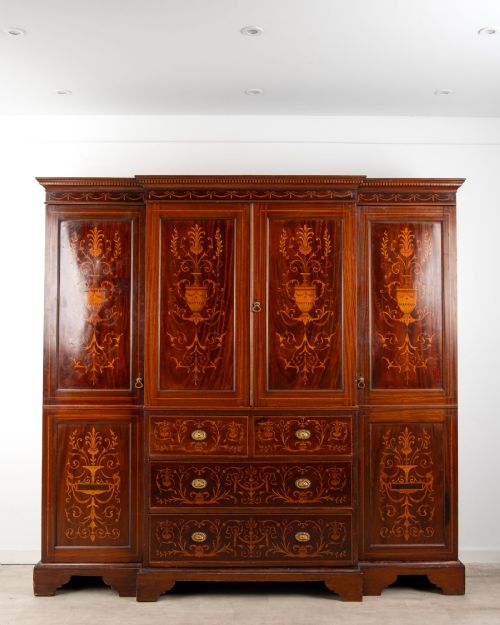
The most common examples on this page are Victorian burr walnut side cabinets and display pieces, alongside eighteenth-century Dutch bureau cabinets and French marble-topped bedside tables. These items served functional storage roles in period interiors while displaying intricate decorative wood patterns.
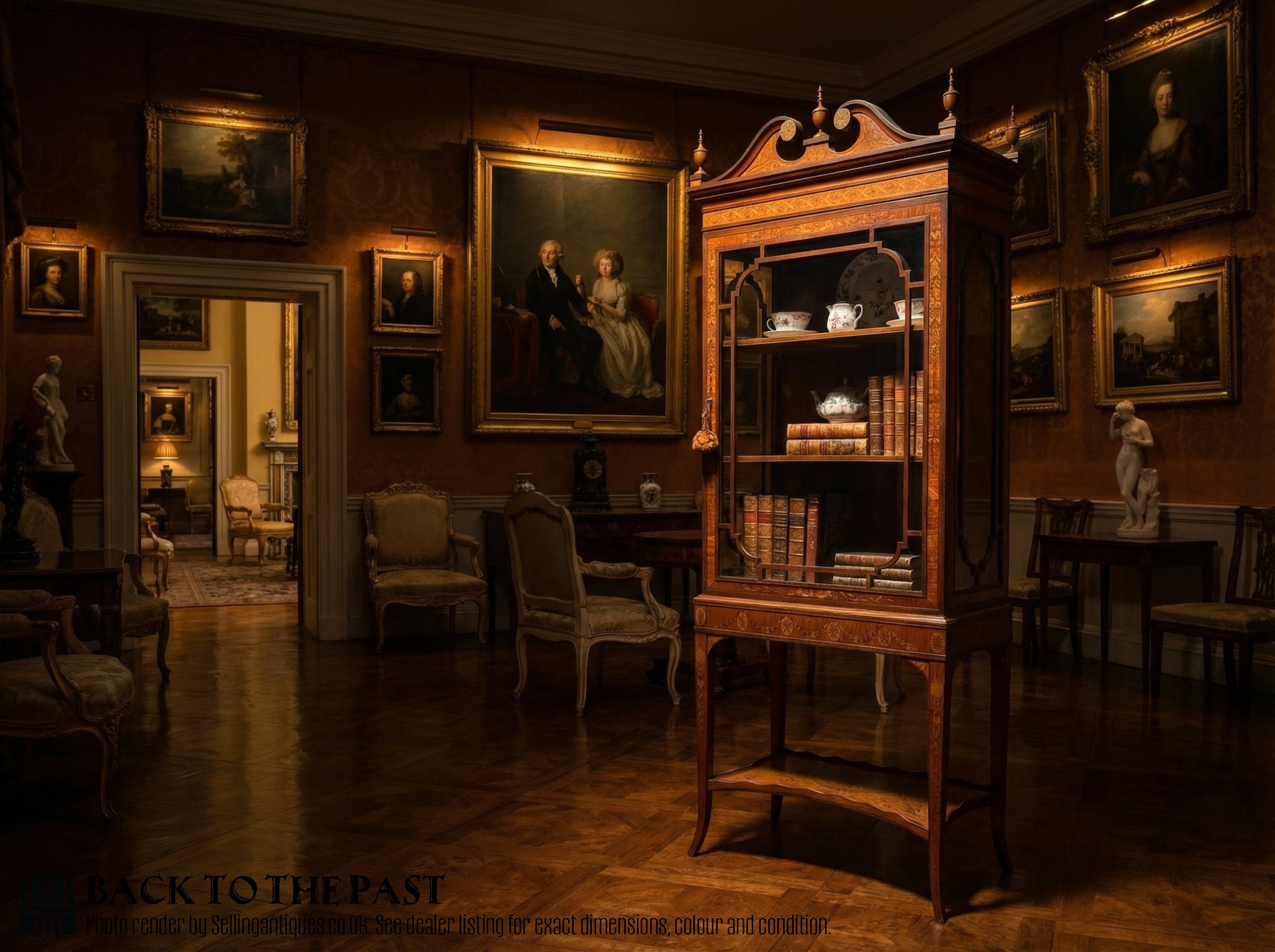
How They Were Made
Craftsmen utilised foundational timbers such as mahogany, walnut, ebonised wood, and rosewood to build the primary carcass and shelving of each piece. Burr walnut and satinwood provided heavily figured surfaces suited to framing detailed panels.
The characteristic surface decoration relies on fine wood veneers cut and assembled into pictorial motifs, secured to the carcase by animal glues. Metal mounts in ormolu and brass, along with occasional marble tops, completed the construction of high-status examples.
Marquetry Inlaid Cabinet Retail Price Guide 2026
Typical asking prices for marquetry inlaid cabinet among the pieces listed under this phrase on Sellingantiques today, from the lower quarter to the upper quarter. They describe what is for sale here now, not the wider market.
Listings feature eighteenth-century Dutch pieces, Victorian burr walnut credenzas, and Edwardian mahogany display cabinets.
What Varies in Quality
The precision and complexity of the veneer work distinguish standard production from exceptional examples, particularly in floral and figural marquetry scenes. Sharply defined shading created by hot-sand scorching separates master craftsmanship from simpler geometric banding.
The choice of primary and secondary timbers dictates the grade of the piece, with dense burr walnut and figured mahogany commanding higher execution standards. Integrated ormolu mounts, cast bronze details, and original marble tops further separate utilitarian furniture from salon display pieces.
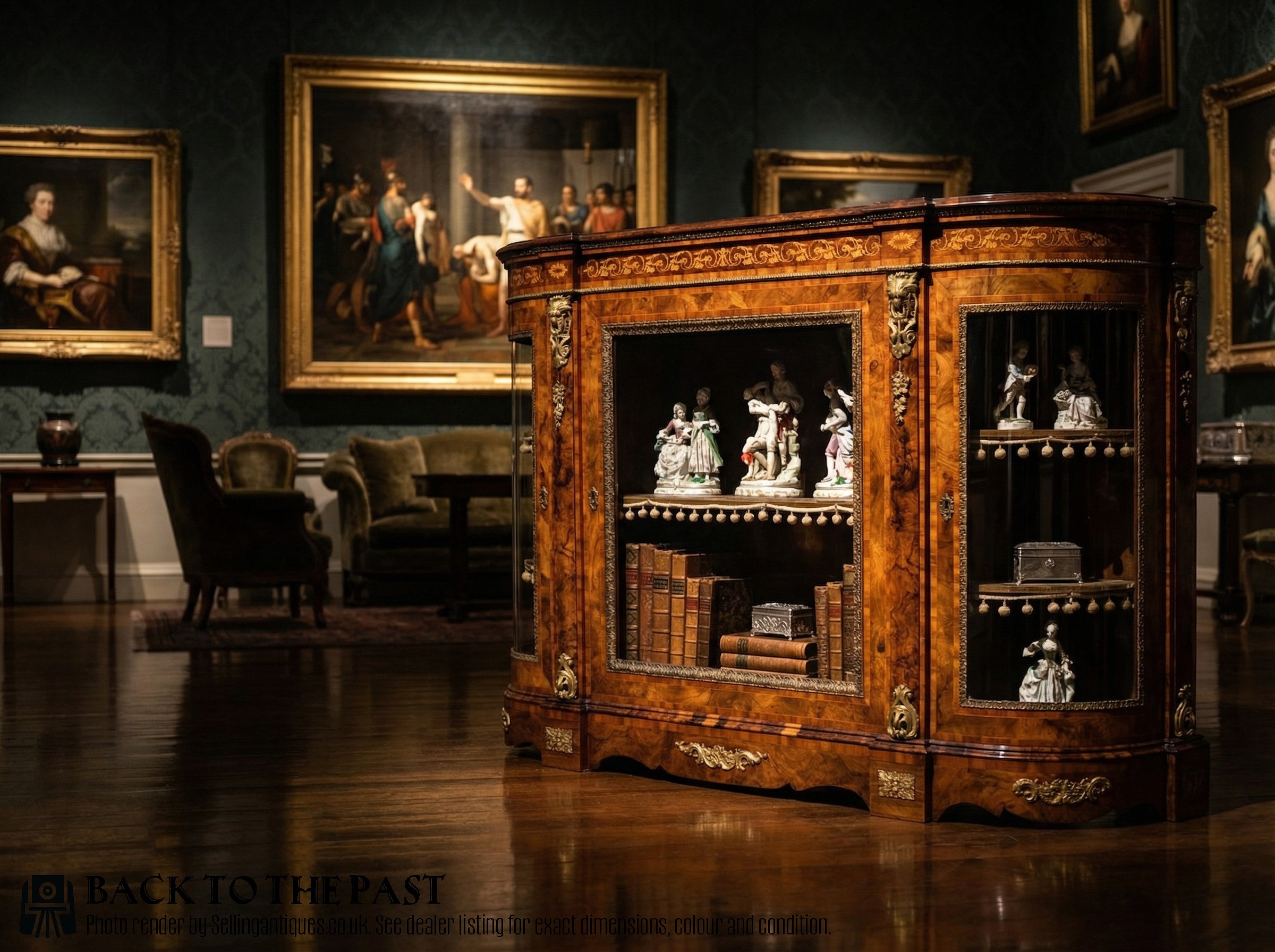
Hewetsons London·Collinson and Lock·Edwards and Roberts
The Marquetry Inlaid Cabinet Glossary
- Marquetry
- The decorative technique of applying fine wood veneers to a structural carcass to form pictorial or geometric designs. This differs from simpler inlay by covering the entire surface with assembled veneer pieces.
- Ormolu
- Gilded bronze mounts applied to furniture for decorative enrichment. Makers used these cast metal elements on corners, feet, and friezes.
- Burr Walnut
- Timber taken from the warted excrescences of walnut trees, producing swirling grain patterns prized for cabinet fronts. It forms the primary visual field on many nineteenth-century pieces.
- Credenza
- A low side cabinet, frequently fitted with doors and central display space, developed during the Victorian era. These pieces often feature extensive floral marquetry and ormolu mounts.
- Pier Cabinet
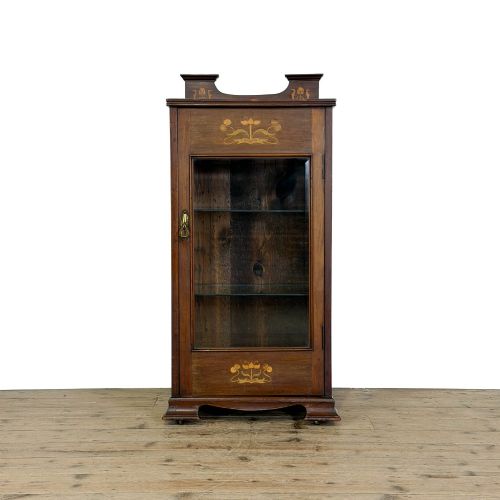
- A narrow cabinet designed to stand against the wall space between windows. These upright pieces typically feature glass doors for displaying porcelain.
Marquetry Inlaid Cabinet: Frequently Asked Questions
What periods do these cabinets come from?
The pieces span from the seventeenth century through the Georgian and Victorian eras, extending into Edwardian and later twentieth-century revivals.
Eighteenth-century examples often feature Dutch floral designs or bureau formats, while nineteenth-century items lean toward burr walnut credenzas and display cabinets.
How do I identify Dutch marquetry?
Dutch pieces typically display dense, profuse floral and urn motifs executed in lighter woods against dark walnut grounds.
They frequently appear on bombe bureaus, display cabinets, and corner units dating from the eighteenth century.
Where were these cabinets used in a home?
Larger sideboards and credenzas occupied dining rooms and formal reception spaces for storing tableware and displaying ornaments.
Smaller iterations, such as bedside tables and pier cabinets, functioned in bedrooms and narrow wall spaces between windows.
What is the difference between marquetry and inlay?
Inlay involves setting pieces of wood into a recessed cavity carved directly into the solid timber base of the furniture.
Marquetry assembles an entire picture from veneers on a backing board before applying the completed sheet to the carcase.