


Victorian Display Credenza
A victorian display credenza brings nineteenth-century grandeur to a room, offering glazed storage and surface display through elaborate timber and metal work.

Victorian Display Credenza
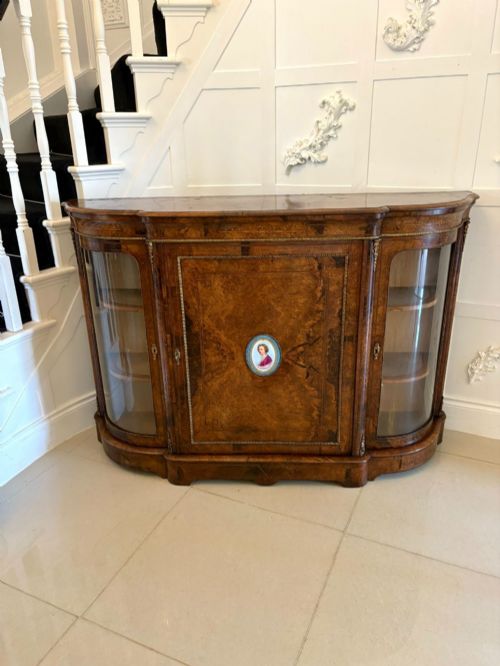
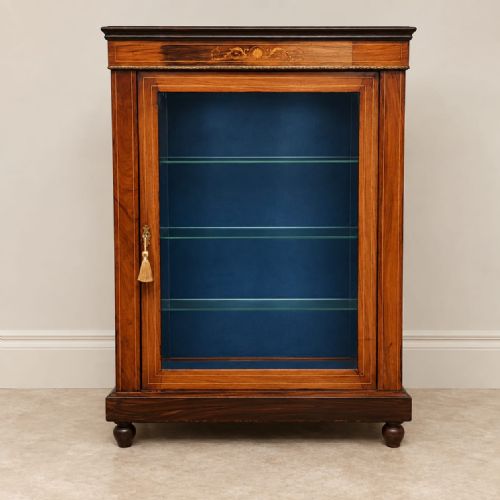
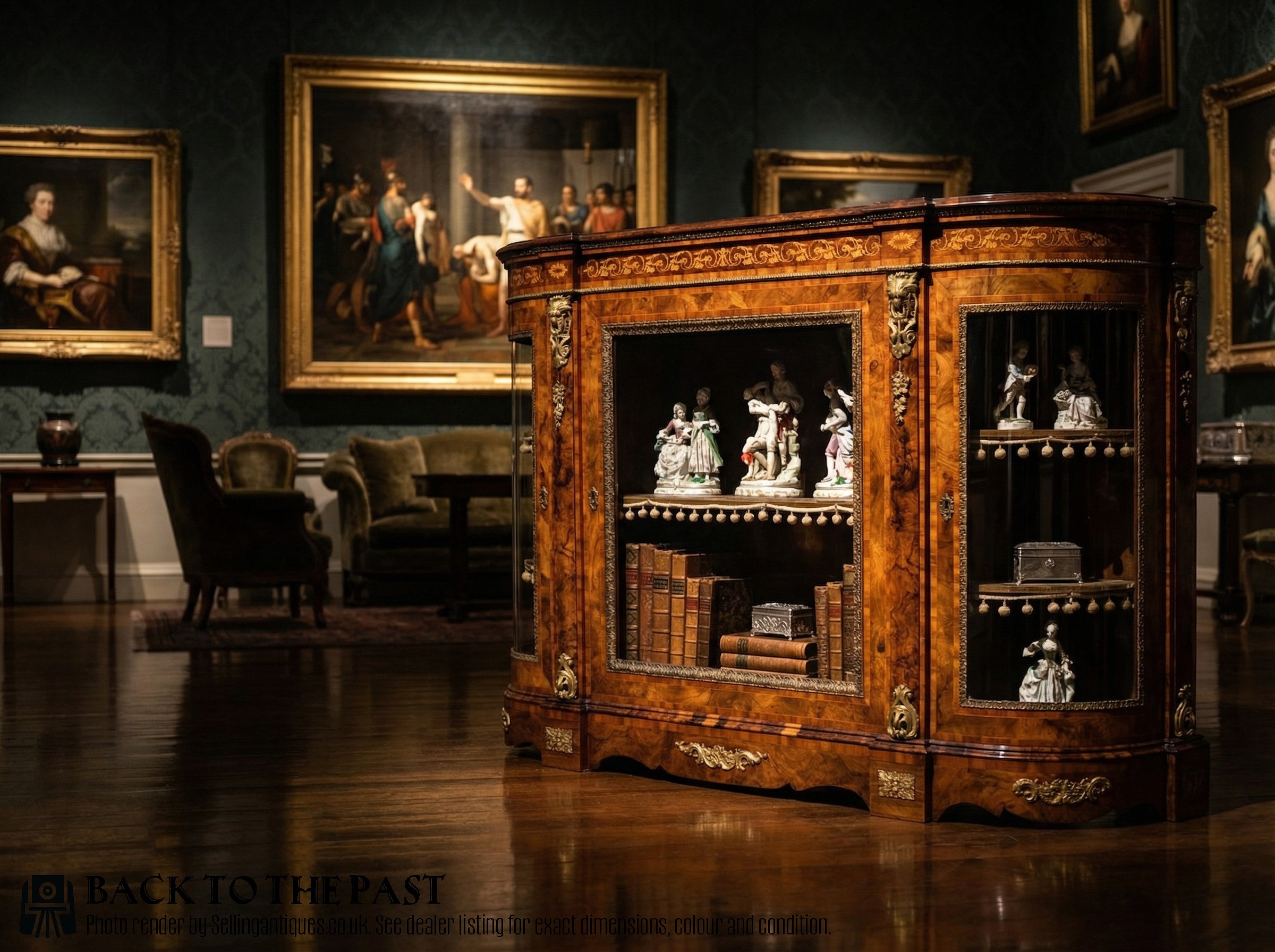
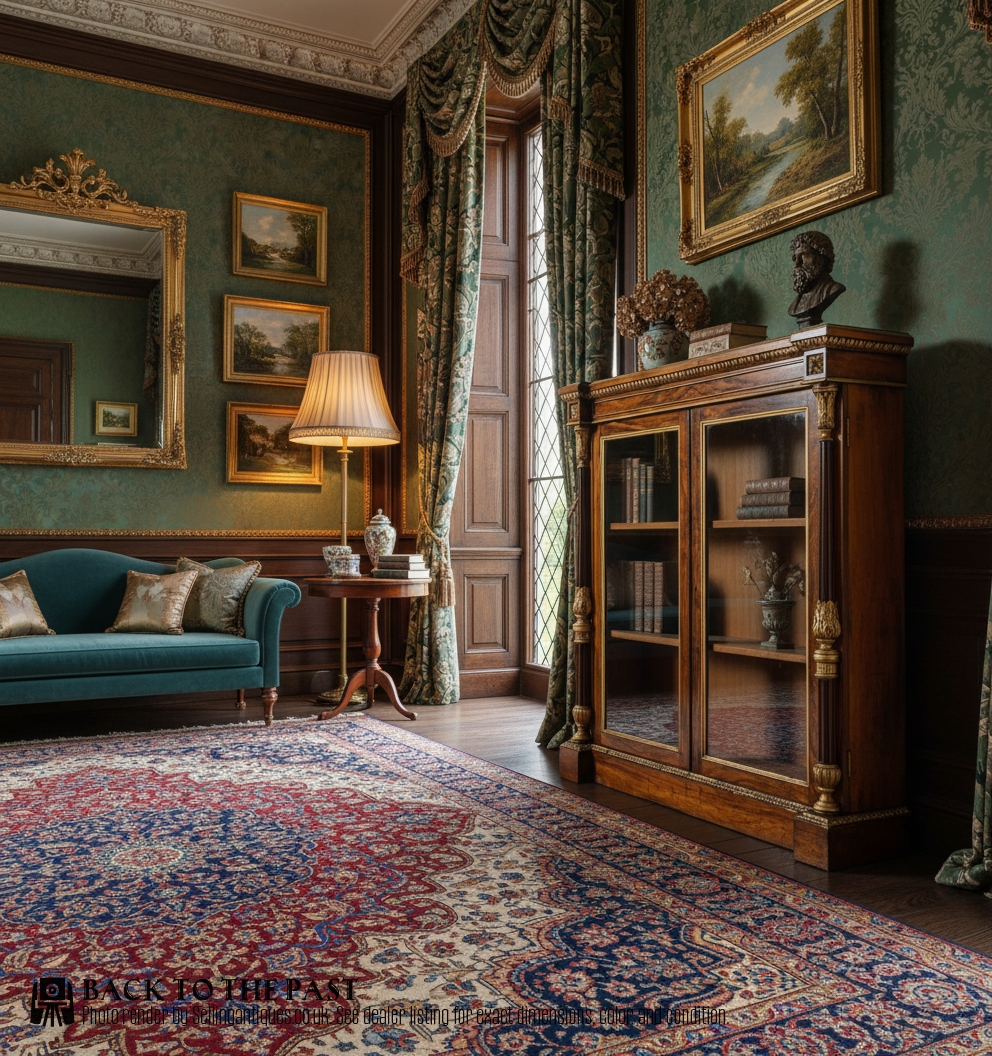
A victorian display credenza is a low, substantial drawing room cabinet designed for both storage and presentation, typically combining central cupboards with flanking glazed display sections.
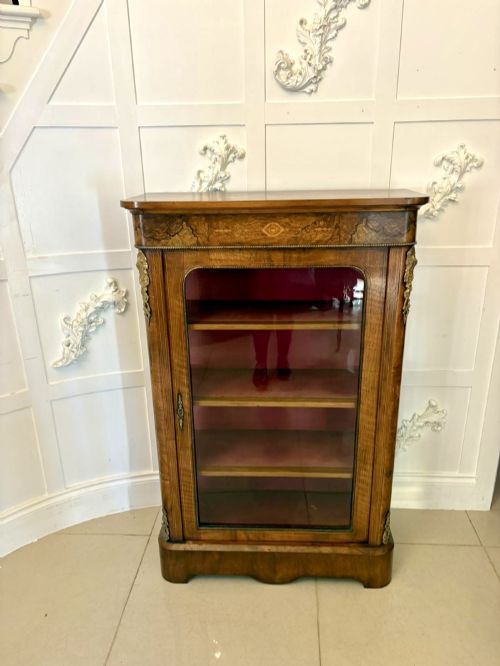
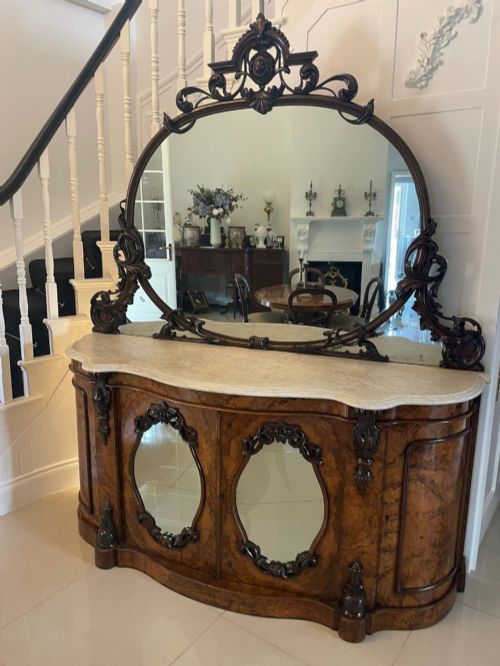
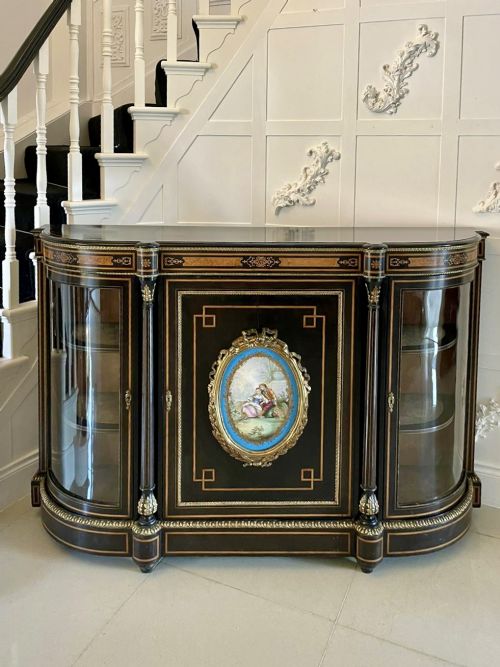
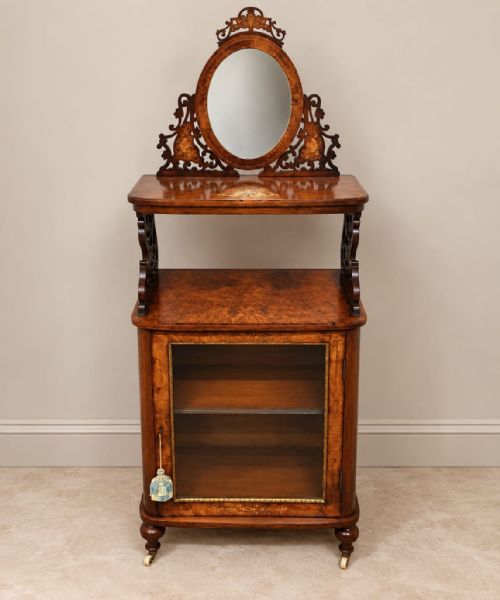
The versions most common on this page date from the mid to late nineteenth century, appearing in forms that range from serpentine-shaped credenzas to straight-fronted side cabinets and pier cabinets.
Makers of the period drew on styles such as French Revival, Aesthetic Movement, and Victorian Renaissance Revival, adapting continental motifs for British parlours.
How They Were Made
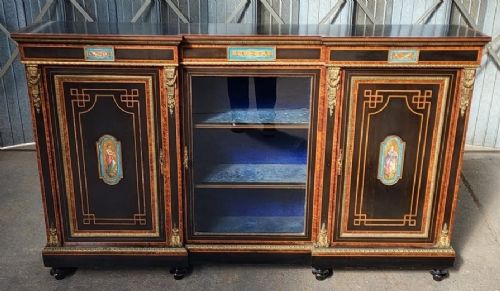
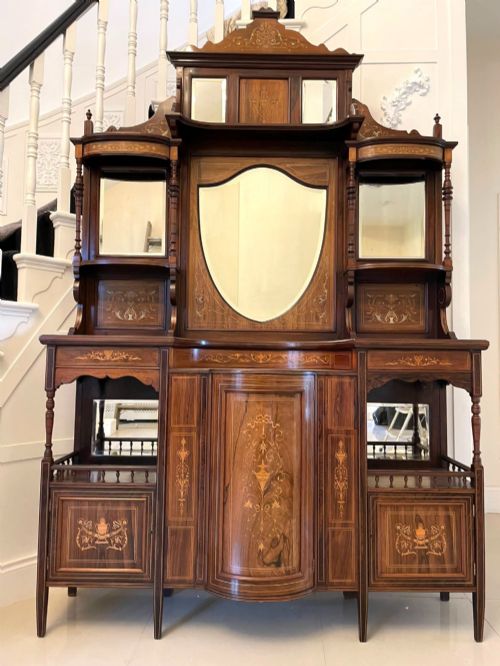
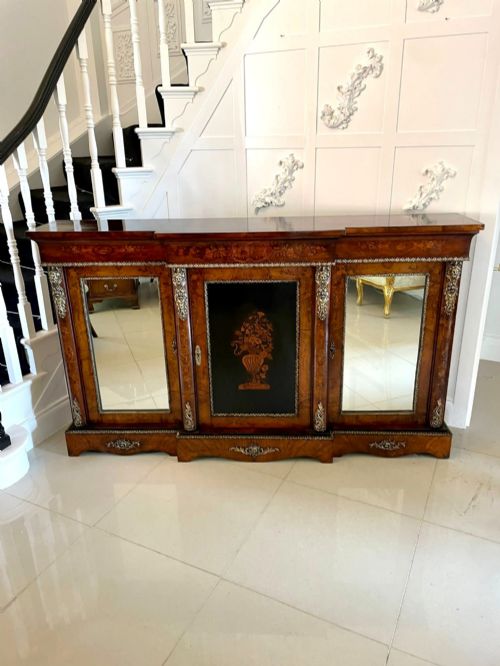
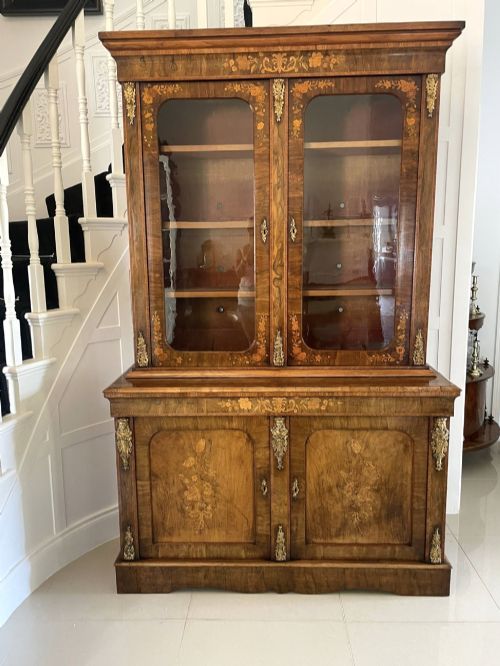
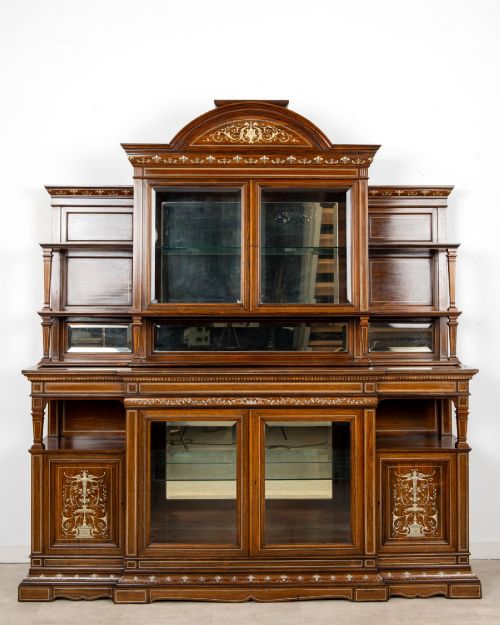
Craftsmen built these pieces around robust carcases of walnut, burr walnut, rosewood, and ebonised wood, frequently applying intricate floral marquetry and satinwood inlay across the exterior surfaces.
Gilded bronze or ormolu mounts, brass details, and porcelain plaques were integrated to accent the woodwork, while bevelled glass framed the central and side cabinet doors.
Victorian Display Credenza Retail Price Guide 2026
Typical asking prices for victorian display credenza among the pieces listed under this phrase on Sellingantiques today, from the lower quarter to the upper quarter. They describe what is for sale here now, not the wider market.
Listings feature pieces spanning from 1850 to 1880, dominated by burr walnut, rosewood, and ebonised timber construction.
What Varies In Quality
Quality rests in the selection of timbers, where highly figured burr walnut or amboyna veneers display superior grain depth compared to plain secondary woods.
The execution of the marquetry and the weight of the cast ormolu mounts dictate distinction, alongside whether a piece bears the attribution or stamp of a notable cabinetmaker.
Collinson & Lock·Lamb of Manchester·Gillows·Edward Holmes Baldock·Maison Gagneau
The Victorian Display Credenza Glossary
- Credenza
- A low cabinet originating in the nineteenth century, typically featuring a combination of enclosed cupboards and glass-fronted display areas.
- Ormolu
- Gilded bronze mounts applied to furniture for decorative contrast. These cast metal ornaments highlight the architectural lines of the cabinet.
- Marquetry
- Inlaid patterns formed from pieces of fitted wood veneer. Craftsmen use contrasting timbers to create floral or geometric designs across the doors.
- Burr Walnut
- A timber harvested from walnut tree growths, prized for its swirling grain patterns. This material forms the primary visual surface on many high-end cabinets.
- Pier Cabinet
- A narrow upright display cabinet designed to fit between windows. These smaller companions share the same veneering and mount styles as larger credenzas.
Victorian Display Credenza: Frequently Asked Questions
Where should a credenza go?
These low cabinets suit principal reception rooms or long hallways where their decorated fronts can be viewed without obstructing window light.
Their shallow depth allows them to sit flat against walls while providing significant display space on top for lamps and decorative objects.
How do I spot a quality piece?
Examine the consistency of the burr walnut veneer and the crispness of the floral marquetry inlay across the curved doors.
Heavier, finely chased ormolu mounts and stamped cabinetmaker signatures generally indicate higher workshop standards.
What is the difference between styles?
Pieces span several Victorian revivals, ranging from French-influenced serpentine shapes with abundant gilt mounts to restrained Aesthetic Movement designs.
Ebonised versions with amboyna and classical porcelain plaques reflect continental tastes of the period, while burr walnut examples lean towards domestic British comfort.
How should I clean the wood?
Maintain the polished timber surfaces using soft, dry cloths to remove dust without disturbing the delicate marquetry veneers.
Avoid commercial aerosols and harsh cleaning agents that can degrade the antique french polish and loosen the bronze ormolu mounts.