


Victorian Marquetry Credenza
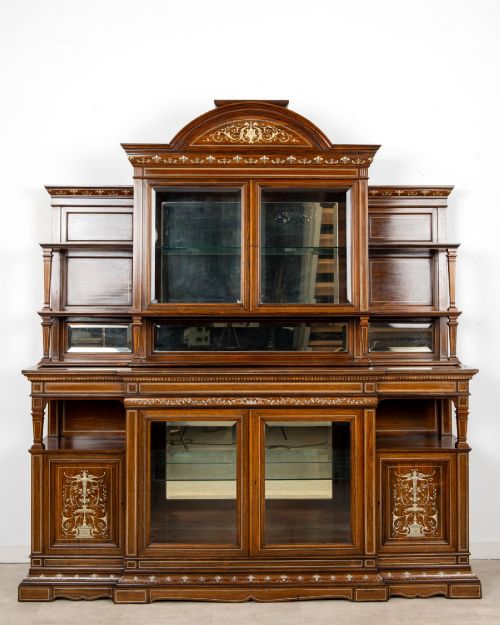
When you search for a victorian marquetry credenza, you seek an opulent nineteenth-century display cabinet combining figured wood with intricate floral inlay.
Victorian Marquetry Credenza
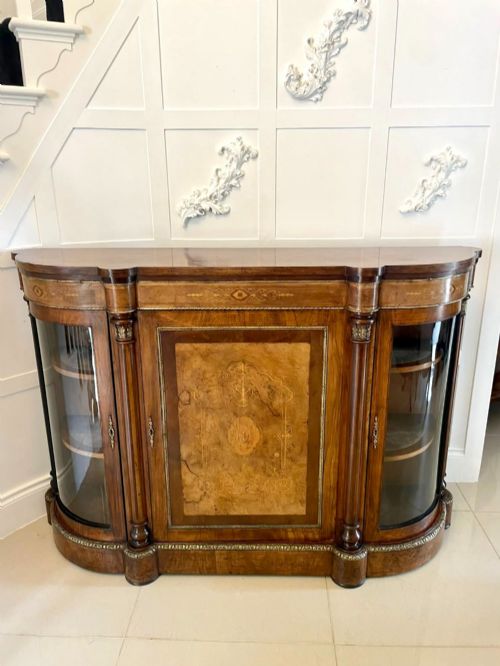
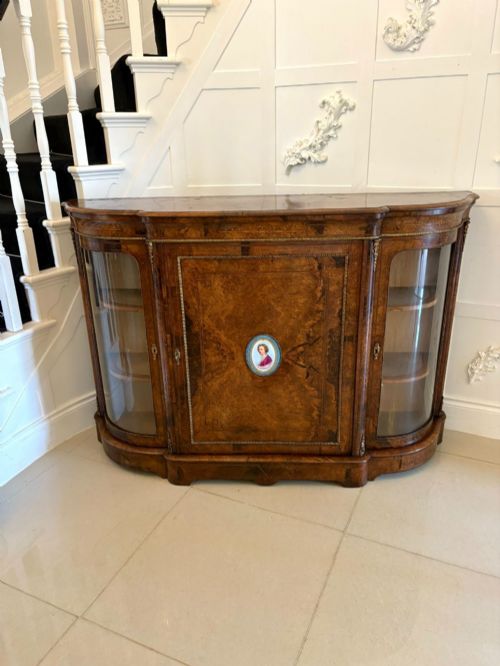
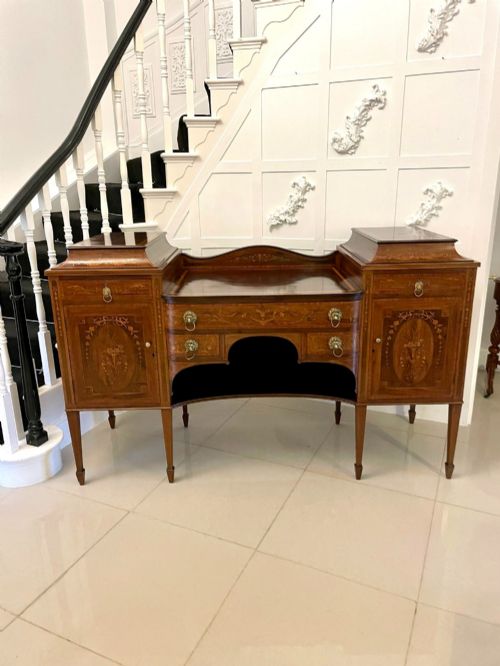
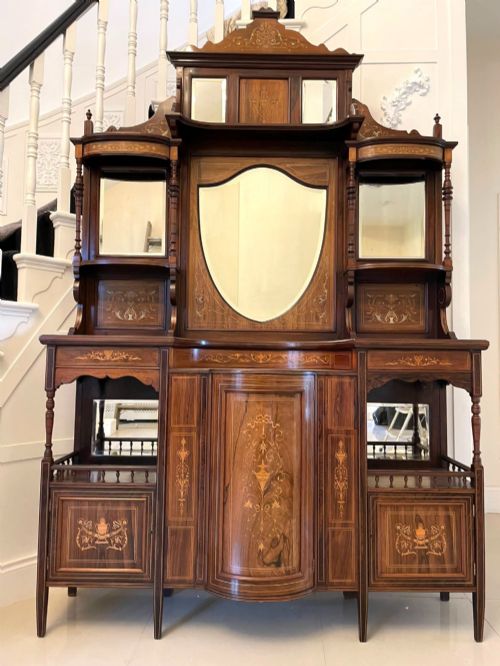
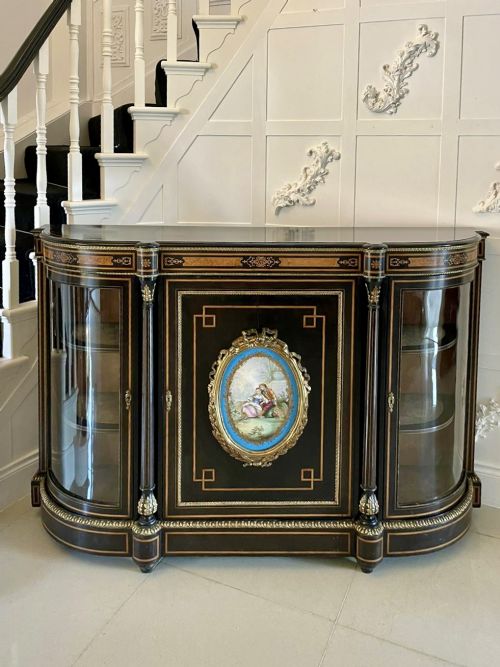
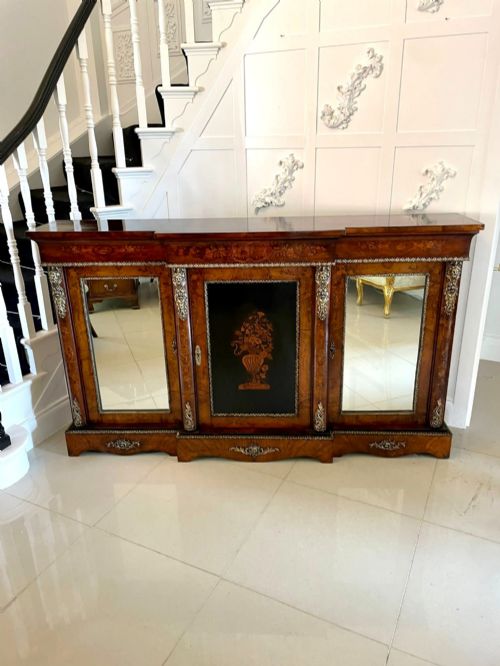
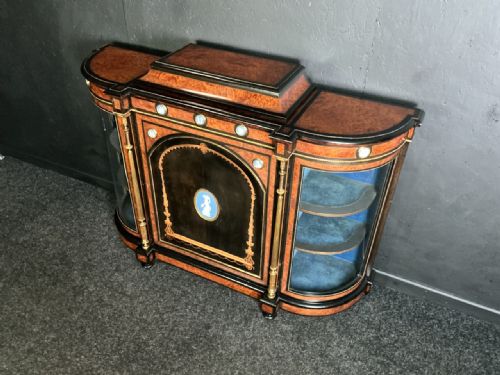
A victorian marquetry credenza is a low, freestanding display cabinet designed for formal reception rooms during the nineteenth century. These pieces typically feature a central mirrored door flanked by curved side compartments or glazed end cabinets.
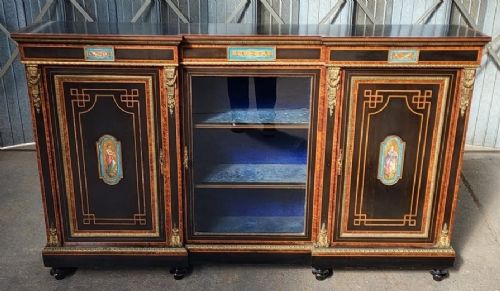
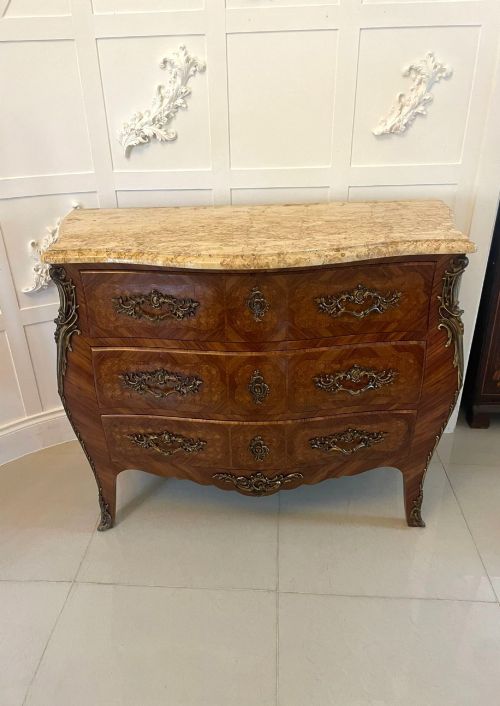
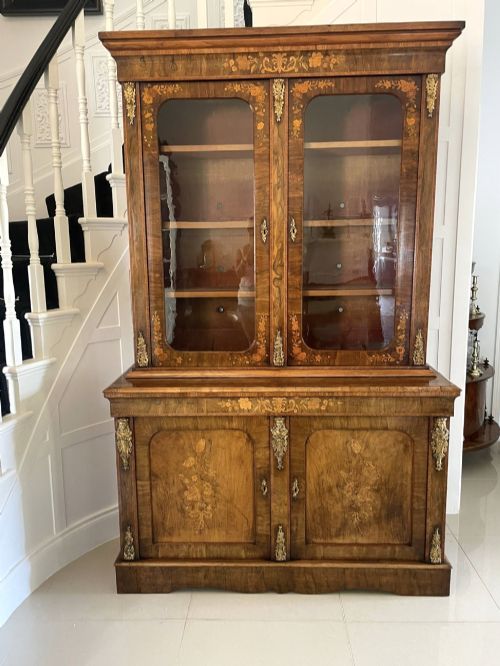
The version most commonly encountered on this page pairs burr walnut veneers with delicate floral marquetry and gilt metal mounts. Variants incorporate ebonised wood, porcelain plaques and marble tops across various decades of the nineteenth century.
Makers and workshops of the period produced these credenzas to display porcelain and ornaments while serving as architectural anchors for grand drawing rooms.
How They Were Made
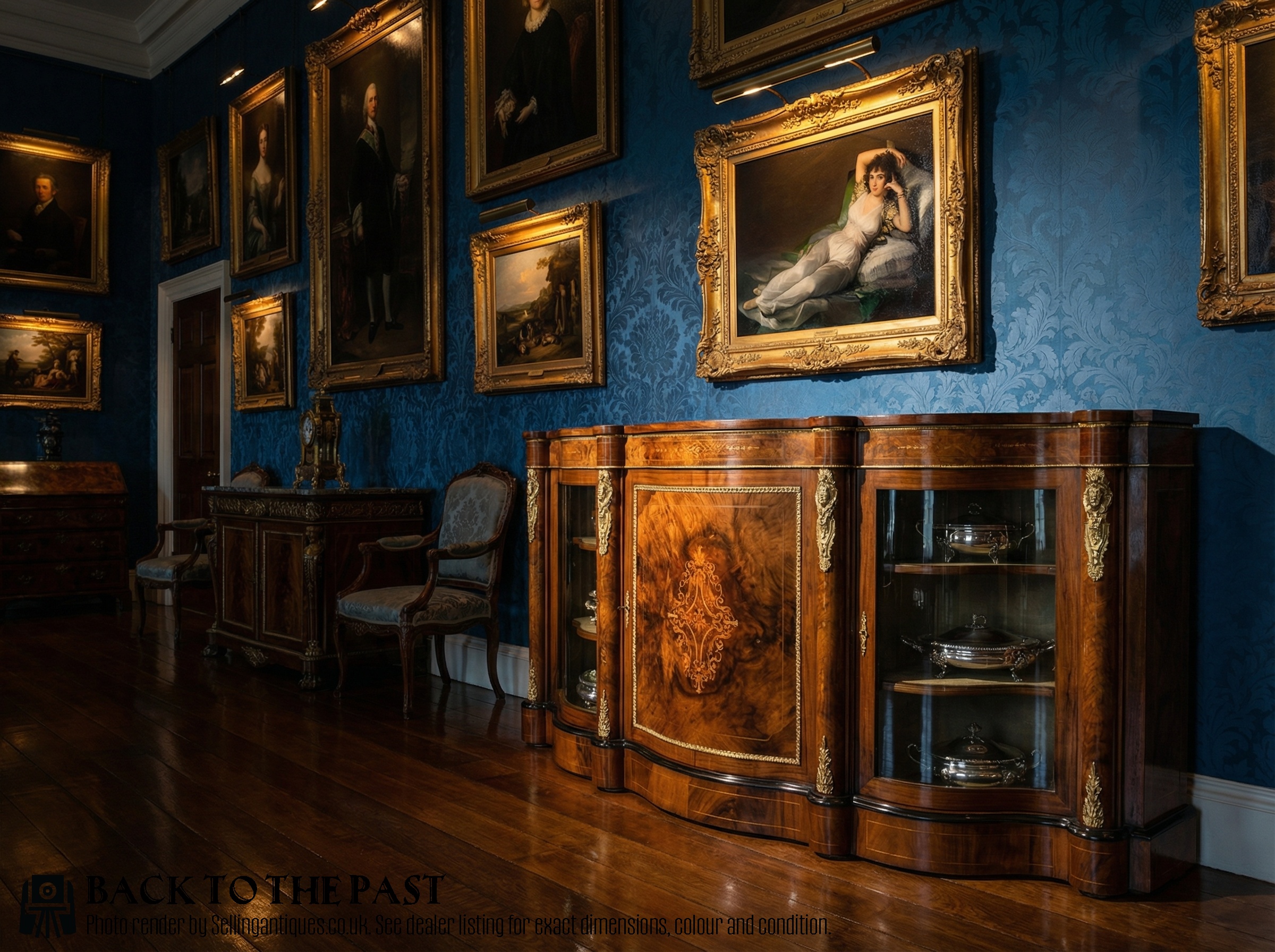
Cabinet makers utilised highly figured burr walnut, rosewood and ebonised wood over solid carcass timbers, applying fine sliced veneers to curved and serpentine surfaces. Marquetry designs were hand-cut from contrasting woods such as boxwood and maple, then inlaid directly into the polished ground.
Cast ormolu mounts, comprising gilt bronze decorative edgings and caryatids, were secured to corners, plinths and glazed door frames to accentuate the cabinet's sculptural lines. Glass panels were hand-set into curved wooden doors, complemented by velvet-lined interior shelving.
Victorian Marquetry Credenza Retail Price Guide 2026
Typical asking prices for victorian marquetry credenza among the pieces listed under this phrase on Sellingantiques today, from the lower quarter to the upper quarter. They describe what is for sale here now, not the wider market.
Victorian cabinet makers occasionally hid secret drawers within credenzas, leaving future owners searching for hidden compartments behind the marquetry frieze.
What Varies in Quality
The standard of a victorian marquetry credenza rests upon the depth of the timber grain and the precision of the inlay work. Finer examples display crisp, multi-toned floral marquetry with sharply defined leaves and petals, rather than mechanical stampings.
Structural complexity also dictates tier, with serpentine-shaped fronts and three- or four-door configurations demanding advanced joinery compared to flat-fronted pier cabinets. Furthermore, the weight, chasing and original gilding of the ormolu mounts separate standard production items from workshop masterpieces.
Hewetsons London·Collinson and Lock·Gillows·Lamb of Manchester·Edward Holmes Baldock·Maison Gagneau·Edwards and Roberts
The Victorian Marquetry Credenza Glossary
- Marquetry
- Decorative veneer work forming pictures or patterns by assembling small pieces of wood, shell or ivory. This technique creates the elaborate floral motifs seen across nineteenth-century cabinet doors.
- Ormolu
- Gilded bronze mounts applied to furniture for decorative enrichment. These metallic accents highlight the architectural curves and corners of the cabinet.
- Burr Walnut
- Timber taken from walnut tree growths, producing swirling, knotty grain patterns. It serves as the primary figured veneer for many high-status nineteenth-century cabinets.
- Pier Cabinet
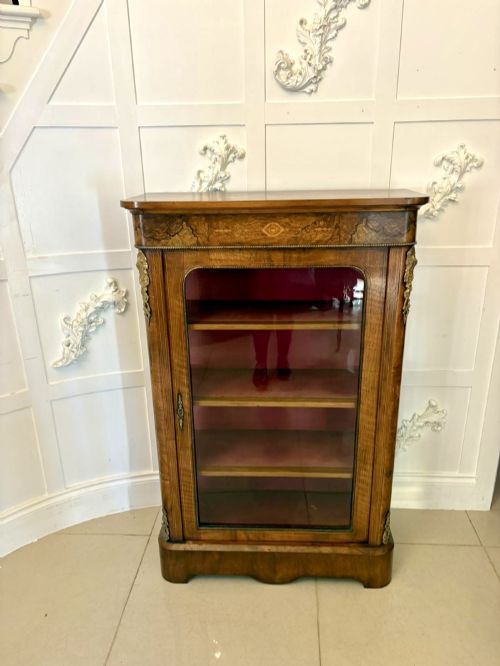
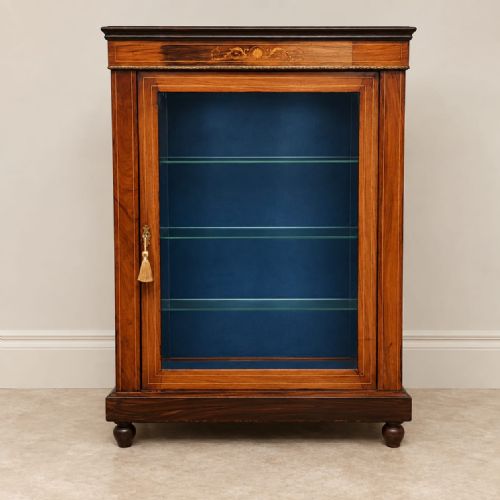
- A narrow upright display cabinet designed to fit wall spaces between windows. These smaller companions to the credenza share similar glazed doors and marquetry details.
- Ebonised Wood
- Timber treated to imitate ebony through a dark staining and polishing process. This dark finish provides a contrasting ground for gilt mounts and colourful inlay.
Victorian Marquetry Credenza: Frequently Asked Questions
Where were credenzas placed in Victorian homes?
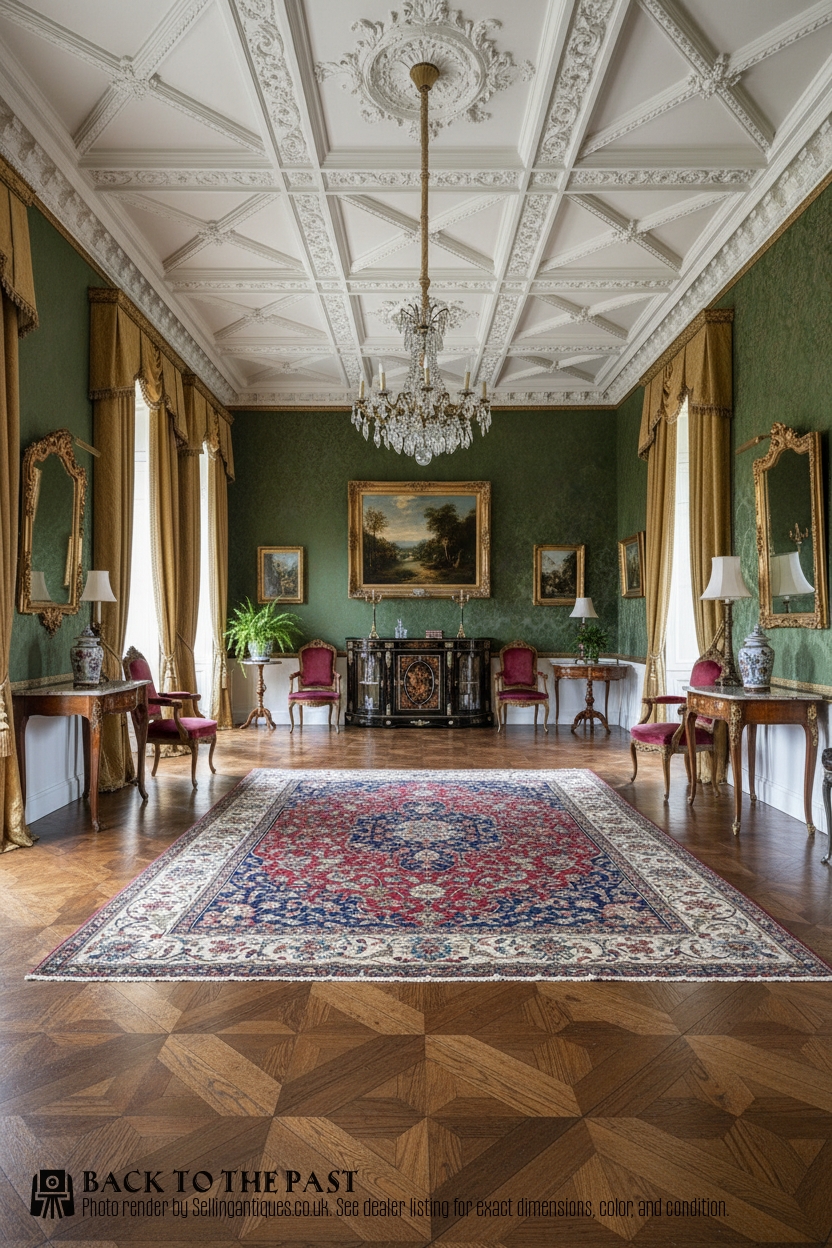
These low cabinets sat against principal drawing room walls, often positioned beneath large mirrors or between tall windows to catch the light. Their low profiles ensured they did not obstruct sightlines across formal entertaining spaces.
Today, they function similarly in living rooms and dining halls, serving as both surface display areas and storage for glassware or collections.
How do I distinguish walnut credenzas from ebonised examples?
Walnut versions exhibit natural warm brown tones with swirling burr figuring beneath a French polished surface, whereas ebonised variants present a dense, uniform black finish designed to mimic expensive ebony wood. Both styles frequently incorporate identical floral marquetry and gilt metal mounts.
The choice between the two depends on whether the interior scheme calls for natural timber warmth or the dramatic contrast of dark ebonised surfaces.
What is the difference between a credenza and a pier cabinet?
A credenza is typically a wide, substantial piece featuring a central cupboard flanked by curved glazed side cabinets. A pier cabinet is much narrower and stands upright as a single-door display unit.
Both utilise similar nineteenth-century inlay techniques and ormolu mounts, but their differing proportions suit different wall spaces within a room.
Can I use a Victorian credenza for everyday storage?
These cabinets offer generous interior shelving behind glazed and panelled doors, making them practical for storing books, tableware or modern collections. The internal shelves are often lined with fabric, which can be updated to suit personal tastes.
Care should be taken with antique locks and hinges, avoiding overloaded shelves to protect the historical timber structure.