
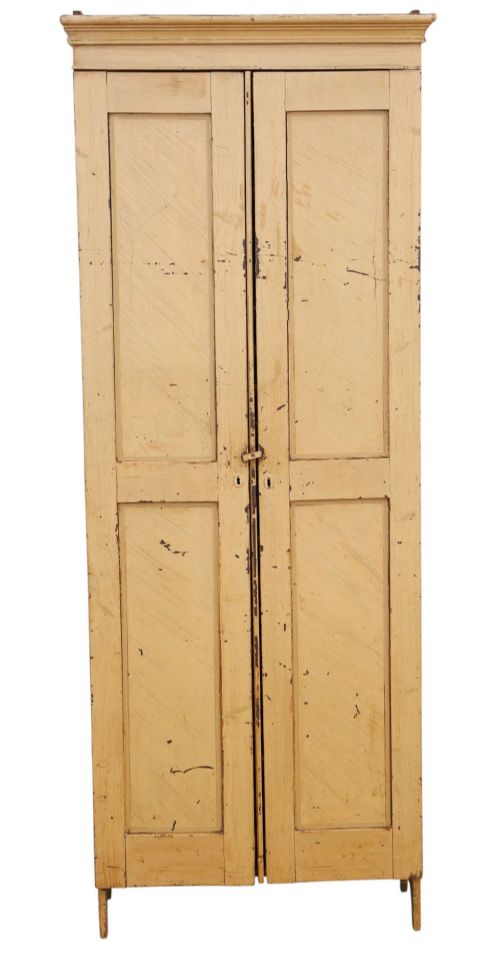
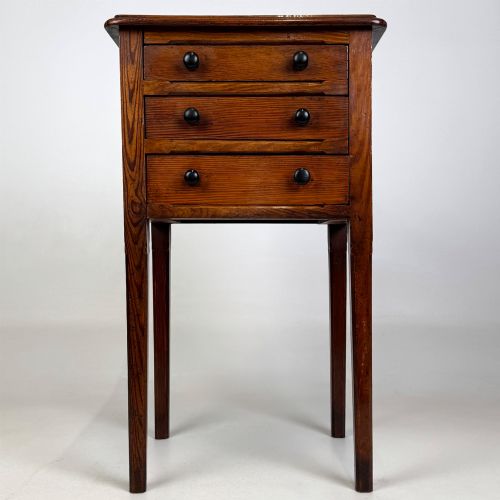

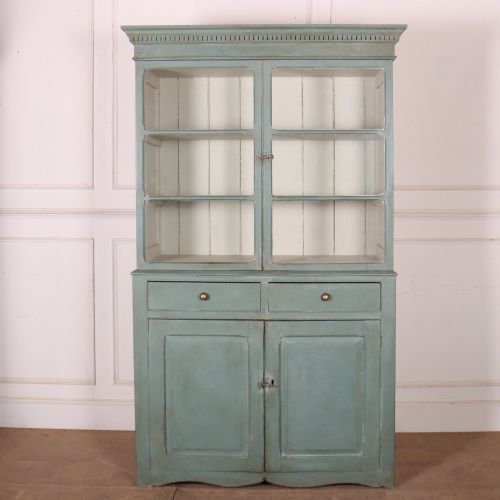
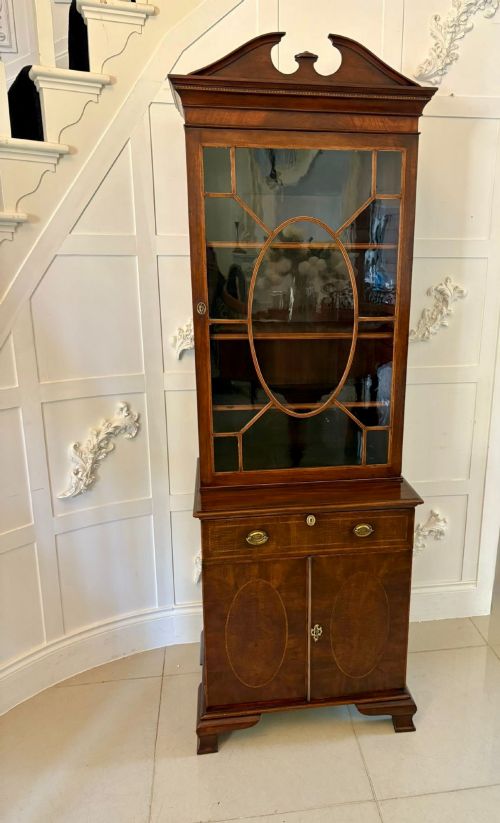
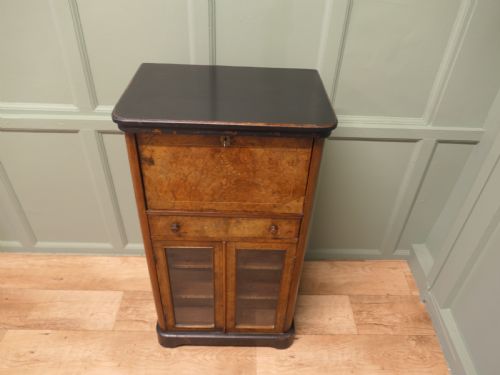
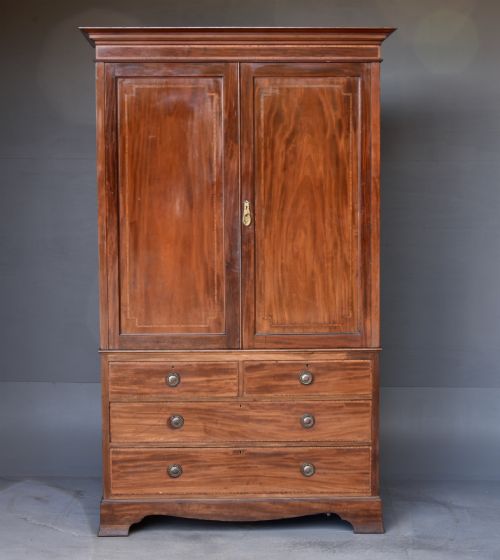

Victorian Storage Cabinet
A victorian storage cabinet organises domestic space with timber built to last, offering drawers, cupboards and shelving shaped by nineteenth-century utility.
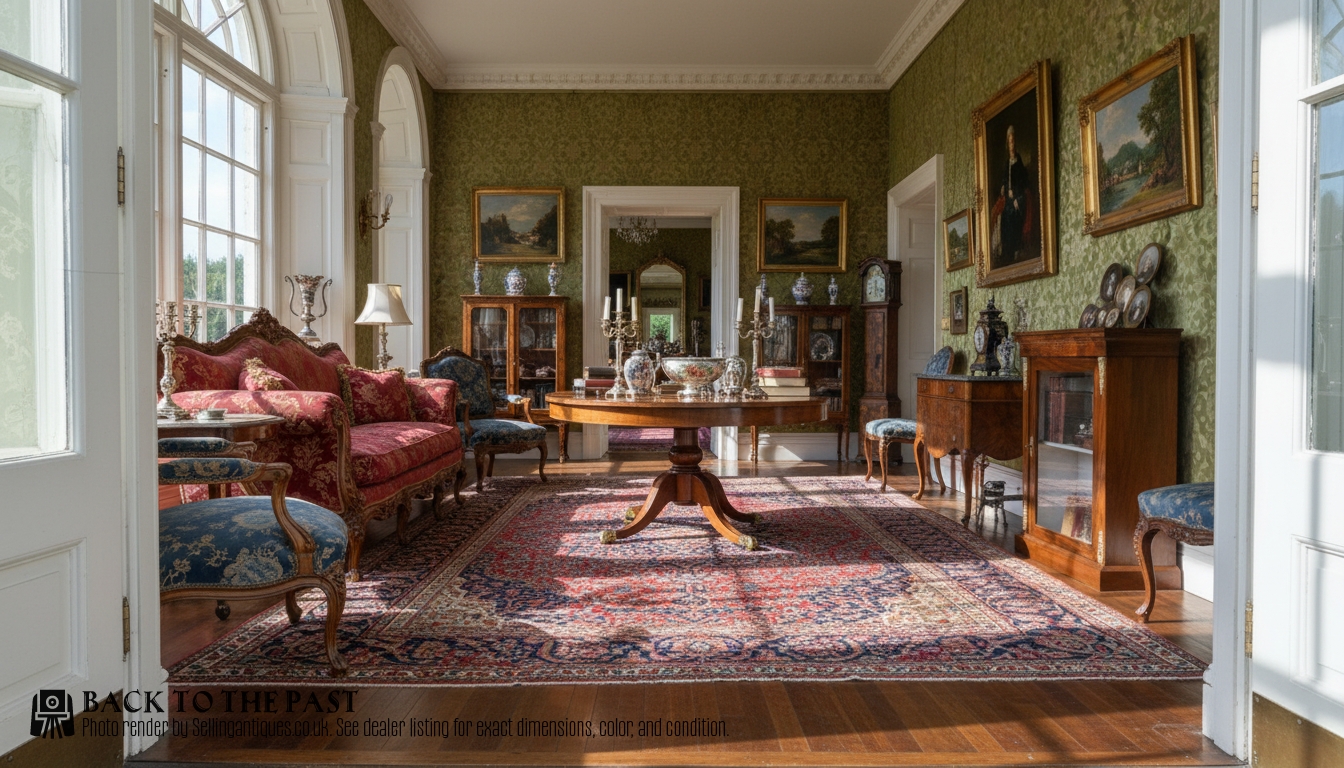
Victorian Storage Cabinet
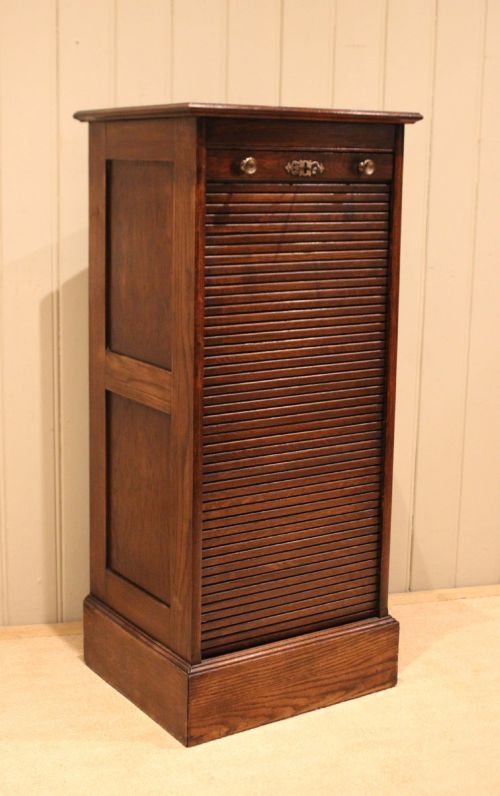
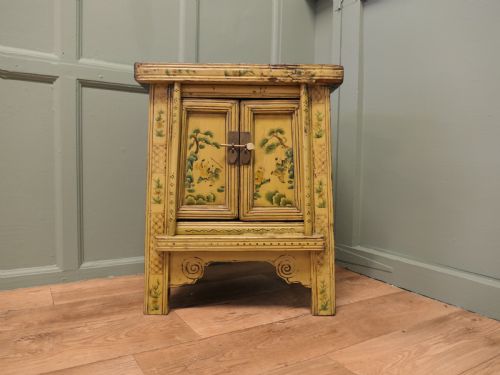
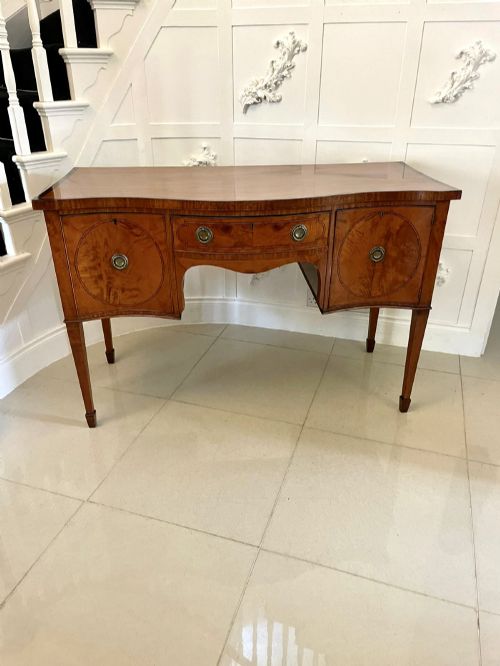
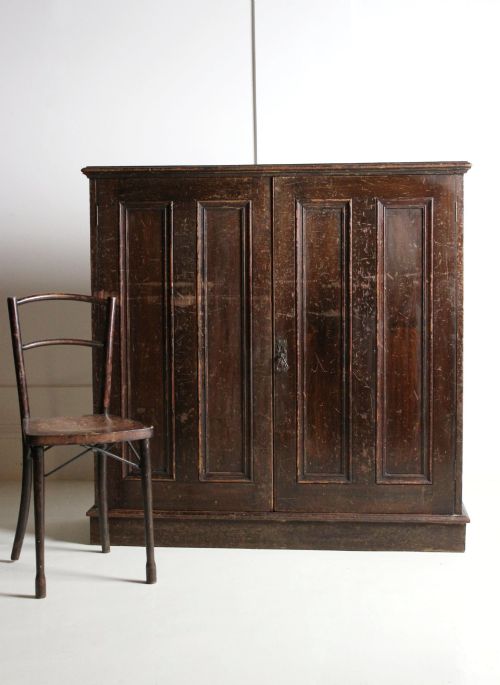
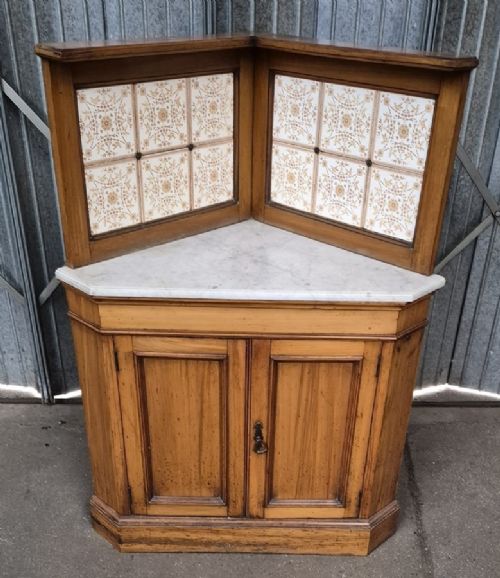
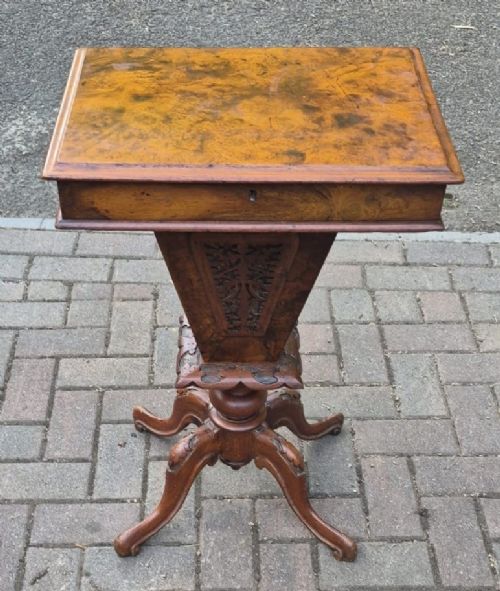
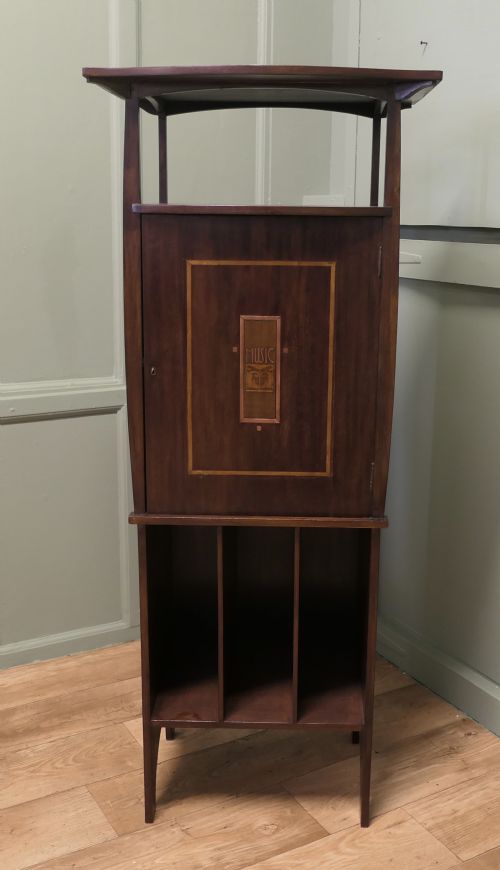
A victorian storage cabinet encompasses domestic utilitarian furniture built across the nineteenth century, ranging from kitchen housekeeper's cupboards to tambour front filing units. Buyers seeking this phrase encounter diverse formats including pine larder cupboards, mahogany chiffonier sideboards, walnut music cabinets, and oak bedside cupboards. The selection reflects both formal reception rooms and scullery utility spaces.
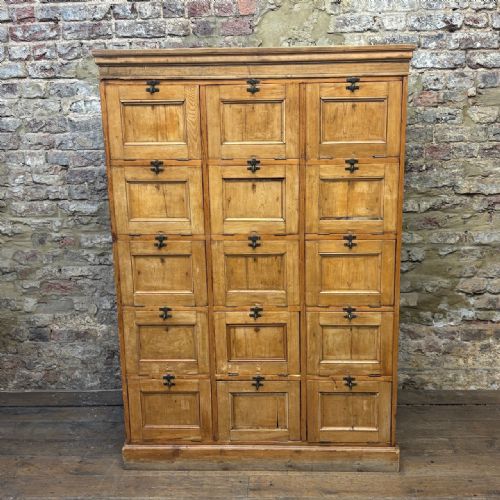
Pine and mahogany dominate the offerings, appearing in forms from fifteen-door lockers and school cabinets to glazed kitchen dressers and tall linen presses. Pieces span from plain country pine to finely inlaid satinwood and burr walnut, covering periods from the eighteen-fifties through to Edwardian transitions. These utilitarian and display items served varied domestic roles across households of different social strata.
Materials and Construction
Makers utilised solid timbers such as mahogany, oak, walnut, and pine, frequently pairing them with brass hardware, iron fittings, and glass panels. Cabinets relied on traditional joinery methods, visible in dovetailed drawers, panelled doors, and tongue-and-groove backs found on kitchen cupboards and dressers.
Surface finishes range from painted and cream-decorated pine to French polished mahogany, rosewood, and satinwood veneers. Decorative elements include applied carvings, inlaid banding, marble tops, and tambour slats, uniting practical storage with period aesthetic styles from Gothic Revival to Arts and Crafts.
Victorian Storage Cabinet Retail Price Guide 2026
Typical asking prices for victorian storage cabinet among the pieces listed under this phrase on Sellingantiques today, from the lower quarter to the upper quarter. They describe what is for sale here now, not the wider market.
Microscopy equipment found its dedicated home inside a figured mahogany cabinet.
Distinctions in Quality
Quality rests upon the selection of timber figures, such as flame mahogany or burr walnut, and the precision of the joinery rather than mere scale or age. Superior examples display thoughtful proportions, intact original brass handles, and tightly fitted panel doors that operate smoothly.
The degree of hand-carving, inlaid detail, and secondary wood selection separates standard utilitarian pieces from high-status furniture. Better workshop execution ensures that drawers slide true and structural frames remain stable through decades of domestic use.
Walker & Sons·GM Elwood·JS Henry·maples & co·Shoolbred & Co.
The Victorian Storage Cabinet Glossary
- Chiffonier
- A low sideboard featuring a combination of enclosed cupboards and drawers below a raised shelf or mirror back. It served dining and drawing rooms for storing linens and tableware.
- Linen Press
- A tall double-door cupboard containing internal sliding trays or shelves used for storing folded textiles. The lower section typically incorporates chest drawers.
- Tambour
- Flexible sliding shutters constructed from narrow vertical strips of wood glued to a canvas backing. This mechanism allowed smooth closure on filing cabinets and desks.
- Housekeeper's Cupboard
- A large two-part utilitarian storage piece designed for domestic service wings. It provided extensive shelving and drawer space for provisions and household gear.
- Purdonium
- A dedicated coal box or fireside cabinet fitted with a sloping front and an internal metal liner. It kept fuel tidy beside Victorian hearths.
Victorian Storage Cabinet: Frequently Asked Questions
What rooms suit a victorian storage cabinet?
These cabinets adapt easily to kitchens, hallways, and living spaces where practical organisation matters. Tall cupboards and dressers suit dining areas, while smaller bedside or music cabinets fit bedrooms.
Selecting a piece depends on balancing floor space with storage needs, whether for books, linens, or tableware. Their varied timber finishes allow them to complement both traditional and modern interiors.
How do I identify pine versus mahogany pieces?
Pine offers a paler, softer appearance with visible grain knots, frequently painted or waxed in country styles. Mahogany provides a dense, heavy red-brown timber suited to formal reception rooms.
Mahogany items often display fine figuring and polished surfaces, whereas pine furniture prioritises straightforward utility for pantries and sculleries.
What is the difference between a chiffonier and a sideboard?
A chiffonier is typically more compact, featuring a lower body with cupboards and a raised shelf superstructure. Sideboards span wider proportions, designed primarily for formal dining room service.
Both supplied enclosed storage for silver and linen, but chiffoniers accommodated smaller Victorian drawing rooms.
How should I care for timber surfaces?
Maintain polished surfaces with appropriate beeswax and avoid placing items near direct heat sources or strong sunlight. Regular dusting preserves the nineteenth-century finish without risking moisture damage.
Allowing wood to acclimate naturally to room humidity prevents timber movement and keeps drawer mechanisms functioning smoothly.