
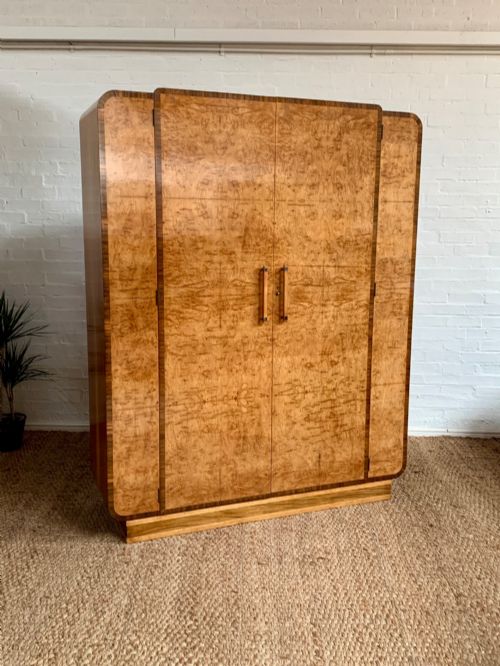
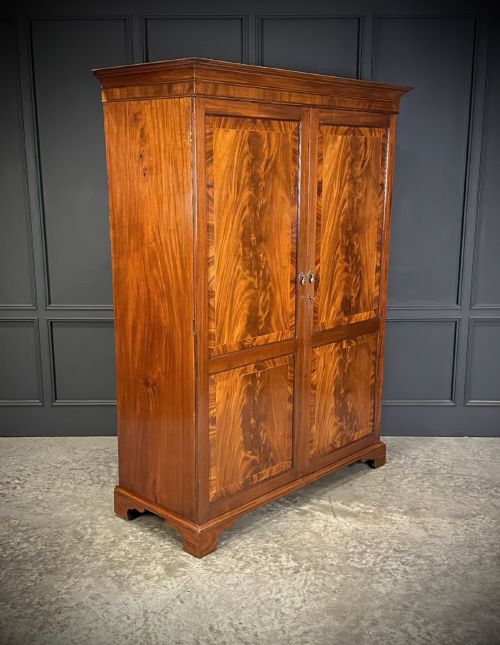
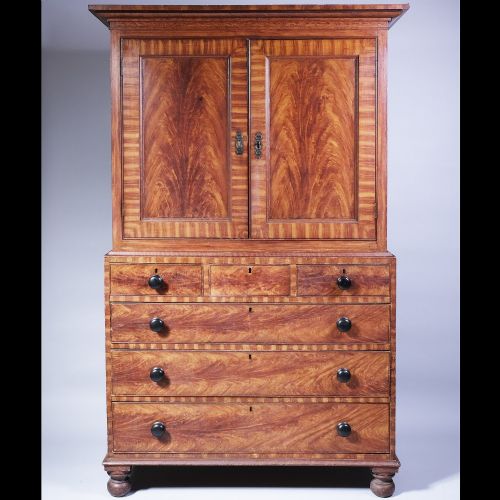
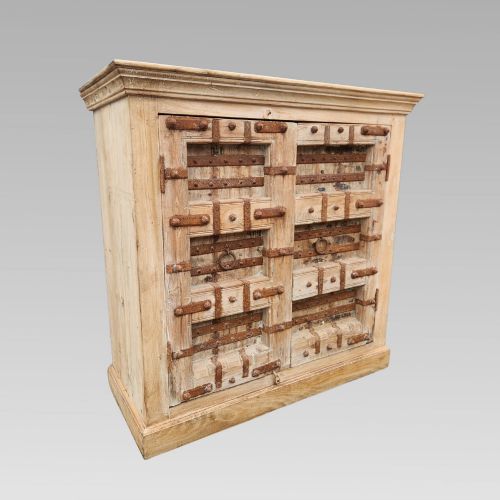
Vintage Timber Cupboard
A vintage timber cupboard brings character and solid storage to a room, offering practical utility packaged in time-worn materials.
Vintage Timber Cupboard
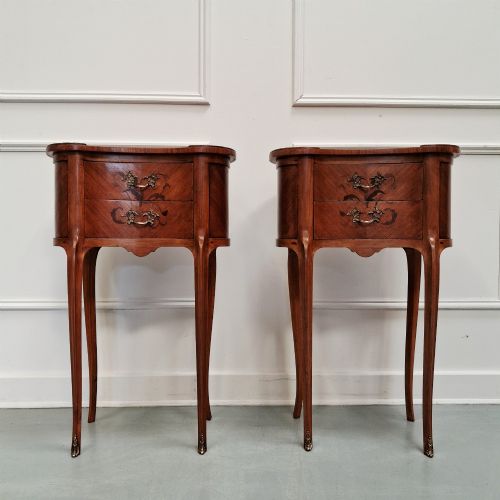
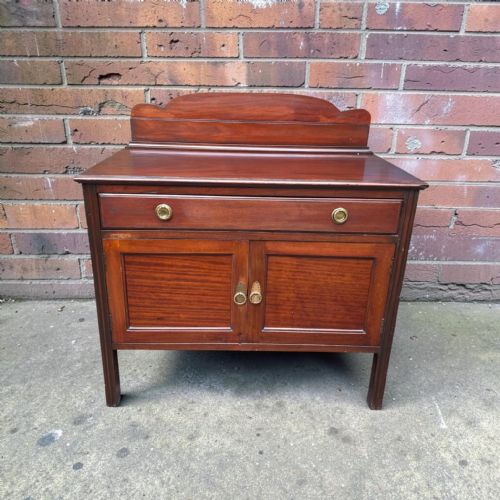
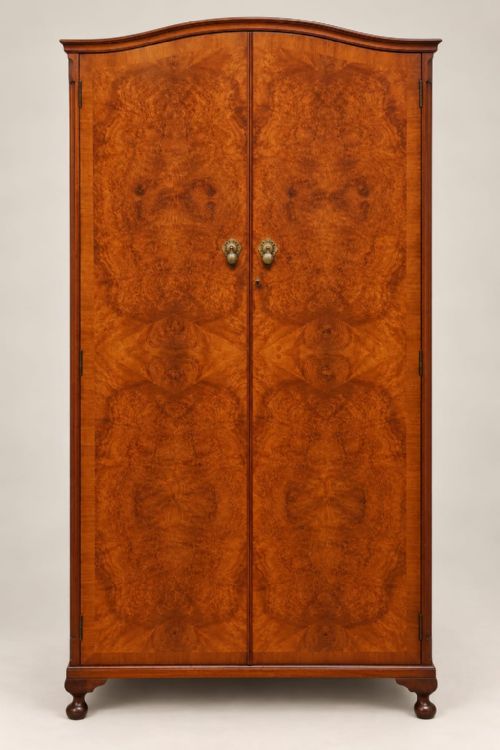
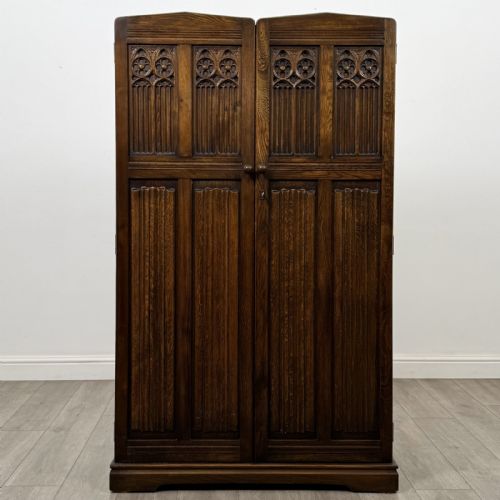
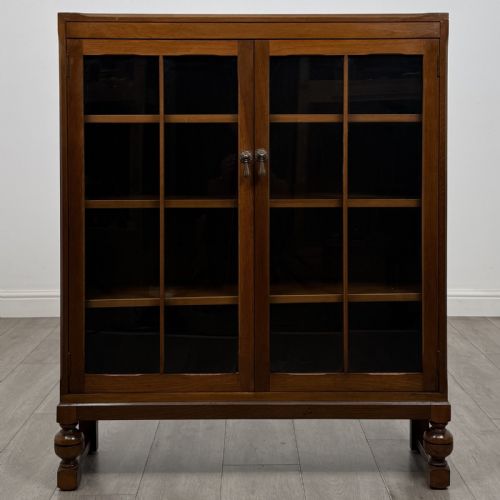
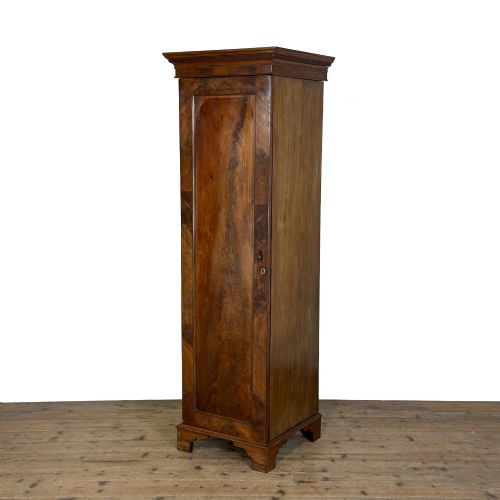
A vintage timber cupboard encompasses a diverse group of storage furniture, ranging from tall wardrobes and linen presses to compact bedside cabinets and kitchen larders. When searching for a vintage timber cupboard, buyers encounter forms that span several centuries, including Victorian, Edwardian, and 1930s pieces.
Wardrobes, bookcases, and enfilades form the core of the available inventory, providing multiple configurations of doors, drawers, and shelving. Each piece reflects the functional requirements of its original domestic or institutional setting.
Materials and construction
Cabinet makers utilised a wide palette of solid woods and veneers, selecting oak, mahogany, walnut, and pine according to the desired strength and finish. Hardwoods like oak and mahogany provided durable frames for heavy wardrobes and bookcases, while pine and ash served regional and domestic pieces.
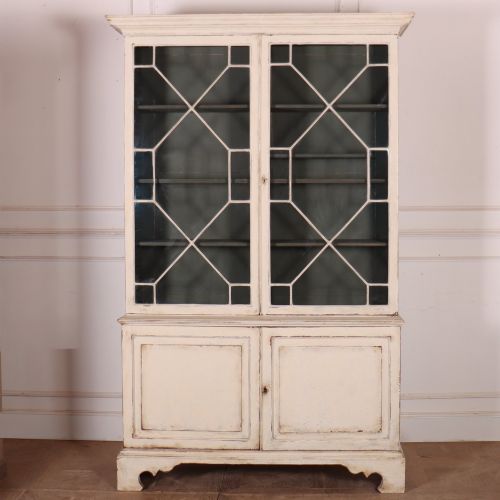
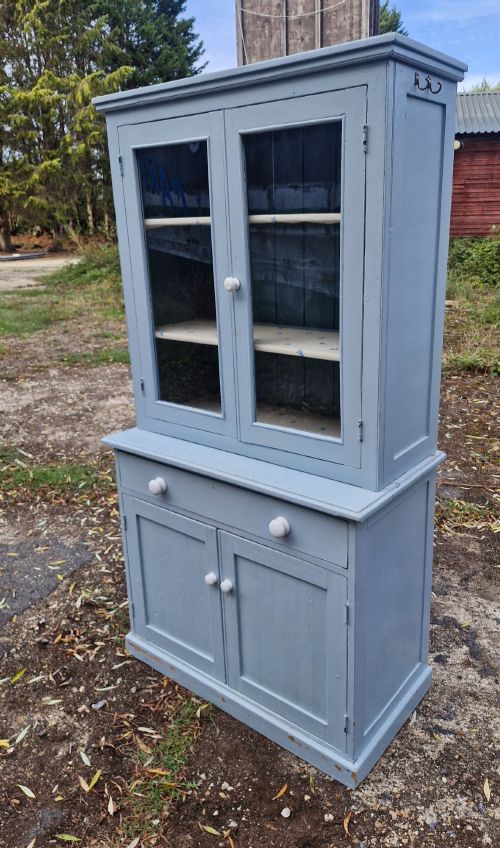
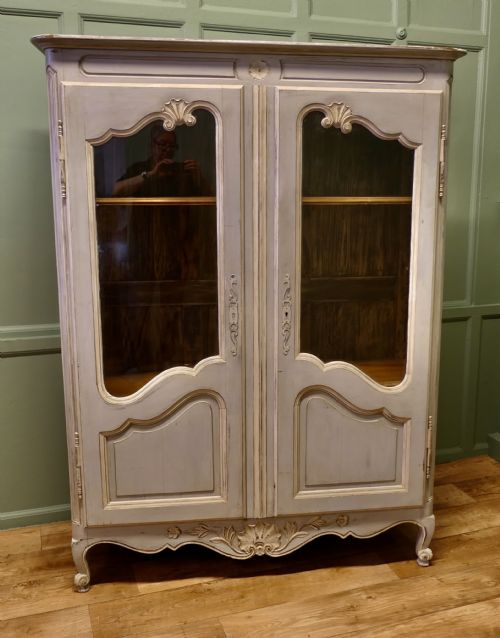
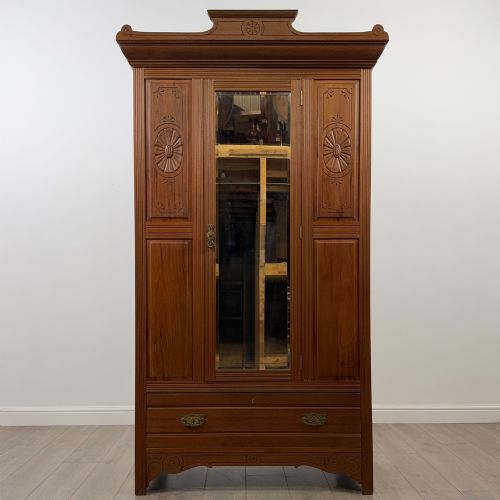
Surface treatments range from clear wax finishes that highlight natural grain to applied paint layers, including scumble glaze and polychrome decoration. Brass hardware, mirrored glass panels, and turned legs frequently complete the construction of these storage pieces.
A nineteenth-century apothecary bank of drawers provides dozens of tiny compartments ready to swallow up loose collections.
Assessing craftsmanship and condition
Quality in these storage pieces rests upon timber selection and joinery execution, distinguishing standard utilitarian items from fine cabinet work. Finely figured veneers such as burr walnut or flame mahogany indicate high-status commissions, while secondary woods used in carcases reveal regional workshop practices.
Originality of surface finish and hardware also plays a significant role in determining the character of a piece. Retained original paint, untouched brass fittings, and intact mirrored doors contribute to the integrity of the object.
Waring and Gillow·Druce and Co
The Vintage Timber Cupboard Glossary
- Linen press
- A tall piece of furniture designed for storing folded textiles, typically featuring sliding trays enclosed by upper doors above a chest of lower drawers.
- Vitrine
- A glass-fronted cabinet or display case used for showing porcelain, books, or decorative objects.
- Enfilade
- A long sideboard or cabinet with multiple doors, originating in formal European architecture and dining rooms.
- Pot cupboard
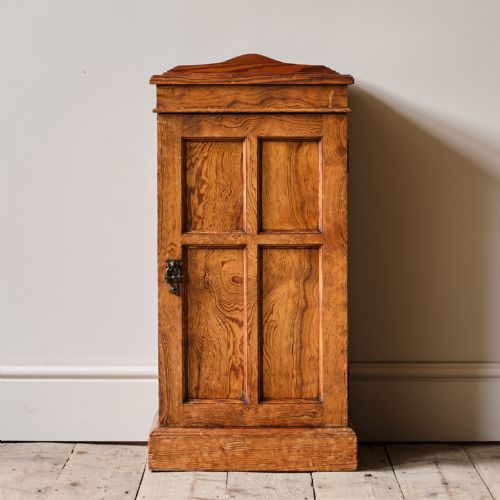
- A small bedside cabinet originally constructed to house a chamber pot, often featuring a single door and enclosed top.
- Scumble paint
- A decorative surface technique where a translucent glaze is manipulated over a lighter base coat to simulate wood grain or texture.
Vintage Timber Cupboard: Frequently Asked Questions
How do I choose the right size cupboard?
Measure your available floor space and ceiling height carefully before browsing, keeping in mind that older wardrobes and cupboards often feature substantial cornice overhangs. Consider the swing clearance required for doors and whether internal hanging space or adjustable shelving suits your storage needs.
Take note of whether pieces arrive in sections, as many larger wardrobes and two-part kitchen cupboards were built to be dismantled for transport through tight doorways.
Are these cupboards suitable for modern clothing?
Many vintage wardrobes and linen presses accommodate contemporary garments, though older depths can occasionally prove shallow for modern padded coat hangers. Check the internal depth measurements provided in individual listings to ensure standard hangers fit comfortably inside.
Cupboards with adjustable wooden shelves or banks of drawers offer flexible storage for folded garments, bedding, and shoes without requiring wardrobe conversion.
How do I care for antique wood surfaces?
Maintain timber finishes by dusting regularly with a soft, dry cloth and applying natural beeswax periodically to nourish the wood. Avoid placing wooden furniture in direct sunlight or near heat sources to prevent the timber from drying out and splitting.
Clean glass panels with standard glass cleaner applied to a cloth rather than the wood to protect surrounding polished surfaces from moisture damage.
What indicates a piece is Edwardian rather than Victorian?
Edwardian furniture generally exhibits lighter proportions, simpler lines, and softer decorative motifs compared to the heavier, more robust forms typical of the Victorian era. Inlaid mahogany and satinwood detailing became widespread during the Edwardian period.
Victorian pieces frequently utilise denser, darker timber frames with deeper carving and more elaborate architectural pediments.