




Burr Walnut Pier Cabinet
When you search for a burr walnut pier cabinet, you are looking at nineteenth-century glazed display furniture designed to anchor drawing room walls.
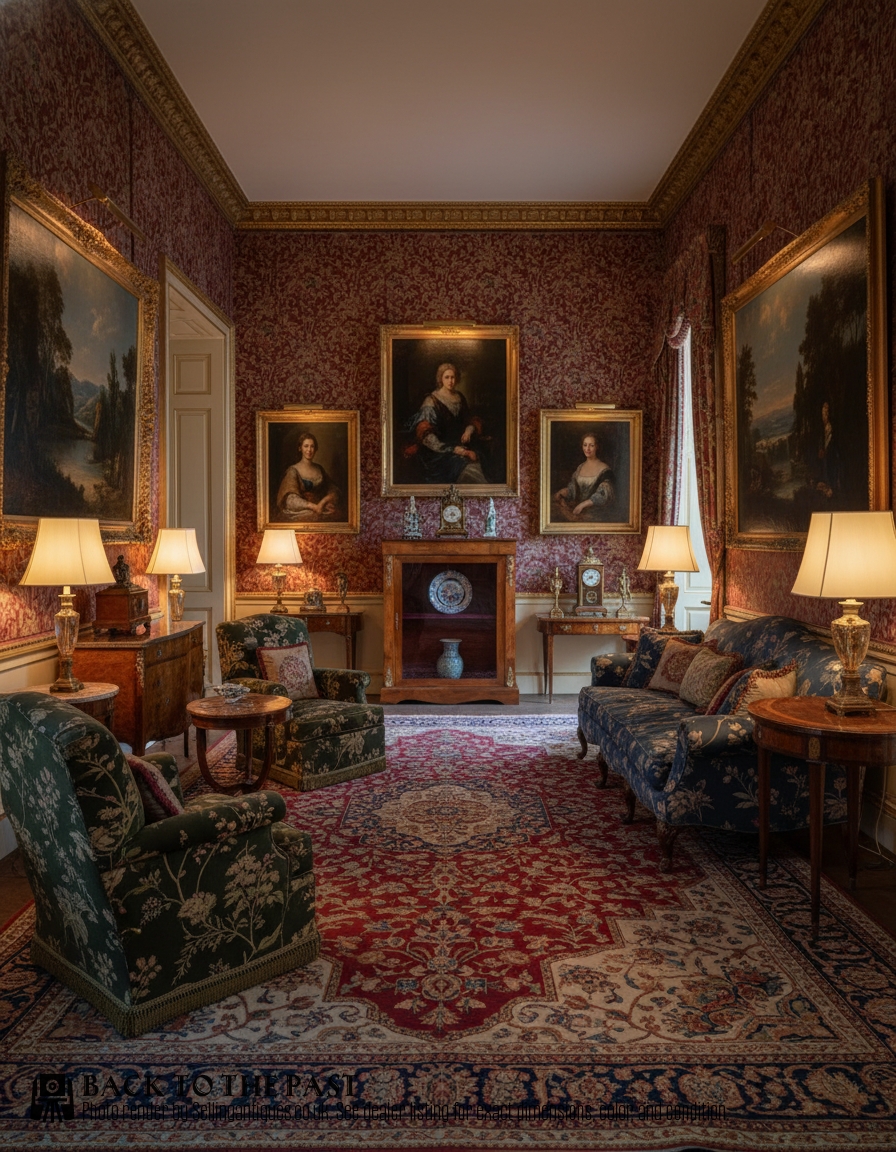
Burr Walnut Pier Cabinet
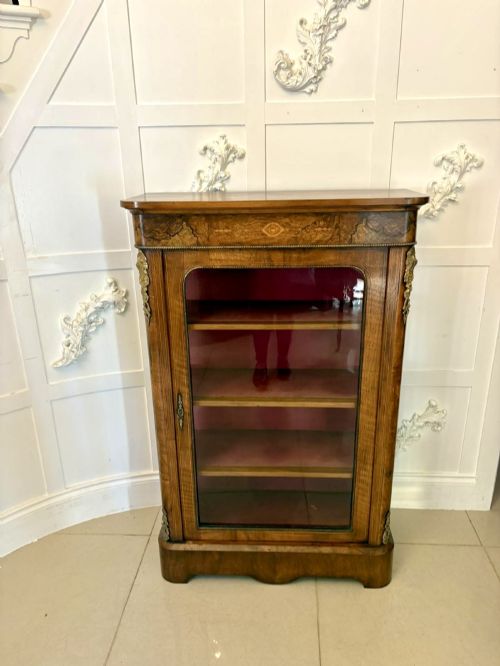
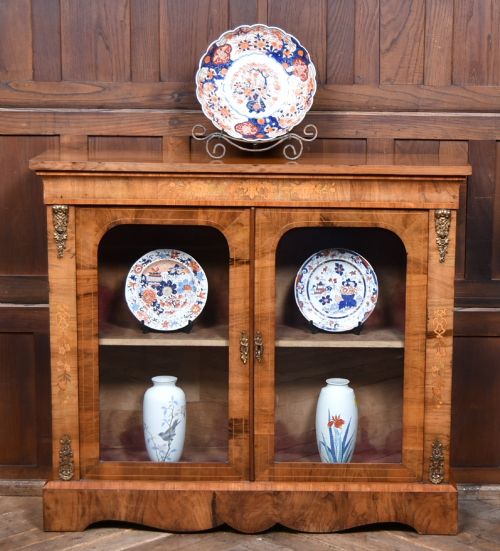
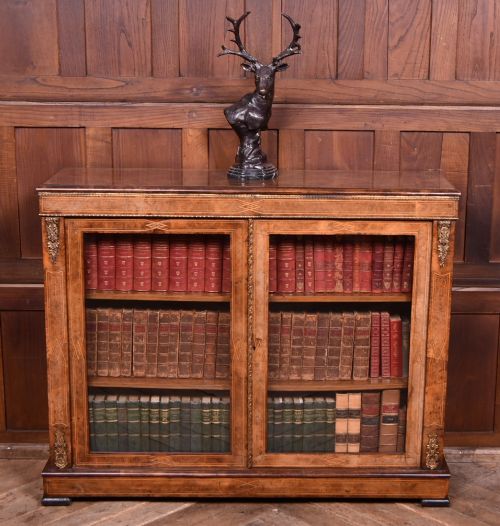
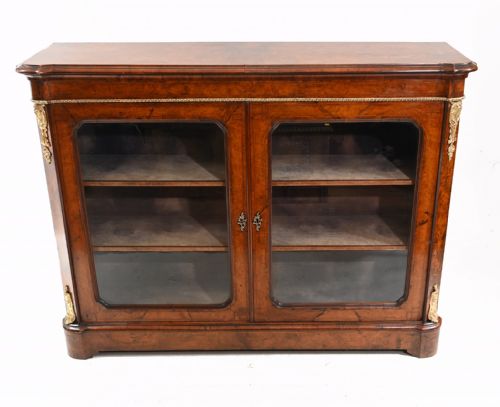
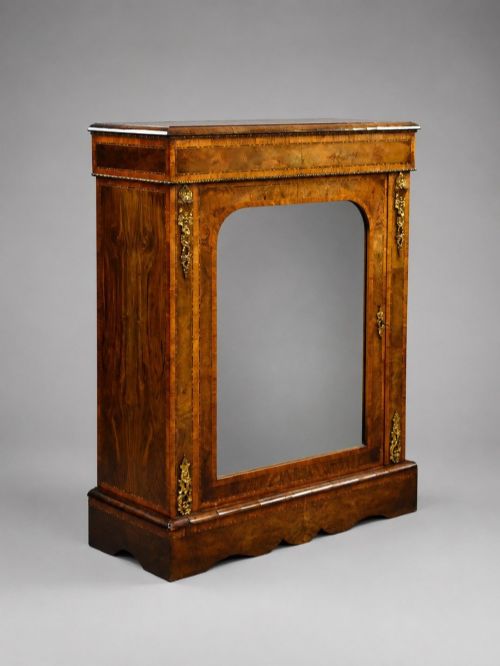
A burr walnut pier cabinet is a low, single-door display case designed to fit the narrow wall space between windows in a Victorian drawing room. The form emerged strongly during the nineteenth century, particularly in the Victorian era, alongside related side cabinets and credenzas.
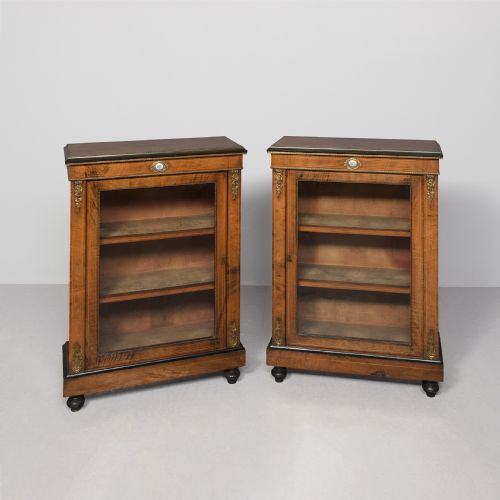
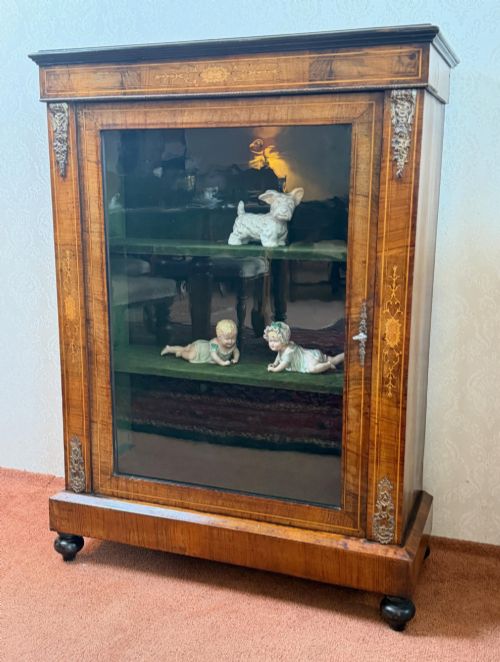
Most examples found here date from the mid to late Victorian decades, spanning from eighteen fifty to eighteen eighty. They typically feature glazed doors that protect collections of books or ceramics while reflecting light across a formal interior.
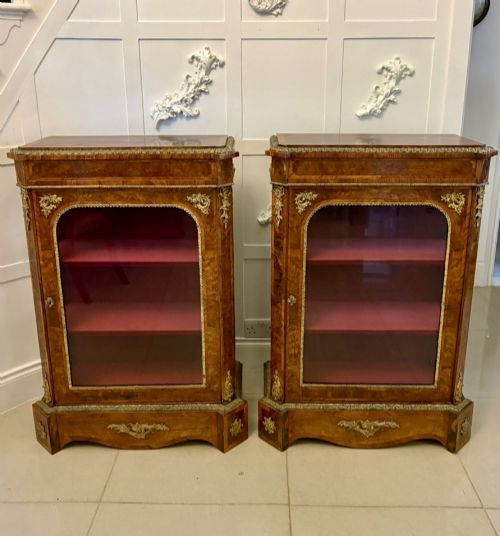
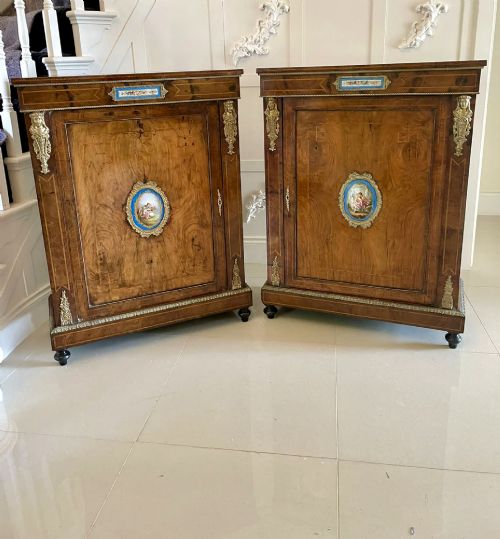
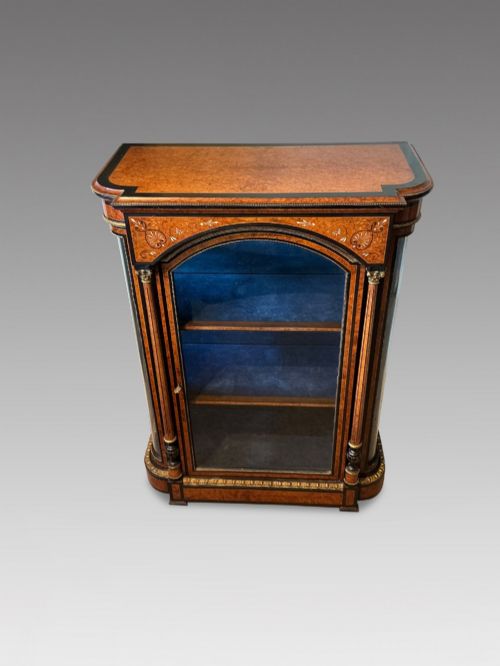
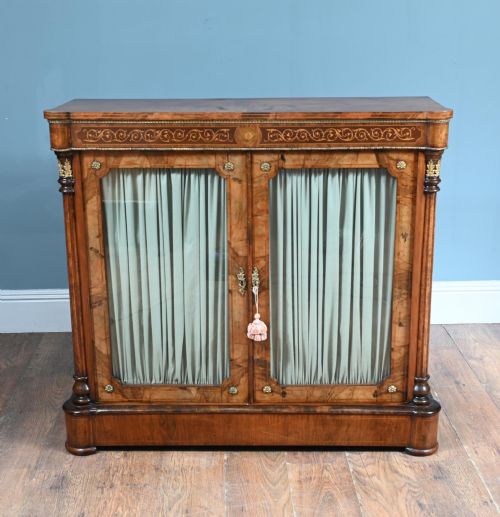
While single freestanding cabinets appear frequently, collectors also encounter matched pairs designed for symmetrical placement. Variations range from simple glazed bookcases to elaborate serpentine shapes fitted with velvet-lined interiors.

How They Were Made
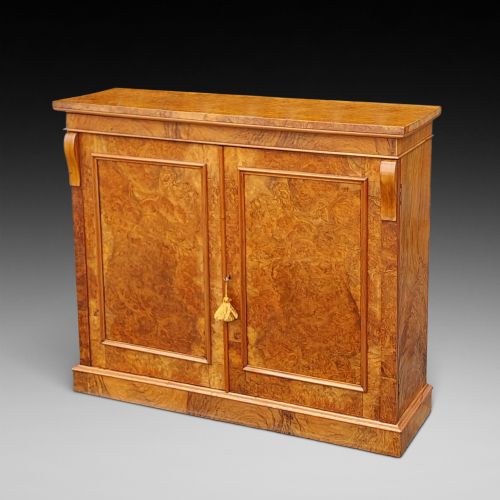
Cabinet makers utilised highly figured burr walnut veneers applied over solid carcases to create rich, swirling grain patterns across the primary surfaces. These veneers were frequently enhanced by contrasting cross-banding, boxwood stringing, and delicate marquetry inlay.
Mounts of gilt bronze or ormolu frequently frame the glazed doors and corners, while porcelain plaques and Wedgwood inserts occasionally accent the frieze. Ebonised wood and contrasting timbers such as amboyna and rosewood provide structural framing and dark borders.
Burr Walnut Pier Cabinet Retail Price Guide 2026
Typical asking prices for burr walnut pier cabinet among the pieces listed under this phrase on Sellingantiques today, from the lower quarter to the upper quarter. They describe what is for sale here now, not the wider market.
What Varies in Quality
The distinction between standard utility and superior craftsmanship rests in the selection and matching of the burr walnut veneer. Finer examples display symmetrical grain patterns that flow evenly across the door panels and sides without interruption.
Detailing in the secondary mounts and interior fittings separates workshop tiers. Heavy, crisp ormolu castings, finely cut marquetry, and original velvet or fabric linings indicate a higher grade of production than plain wooden shelves and pressed metal.
Druce And Co
The Burr Walnut Pier Cabinet Glossary
- Pier cabinet
- A low display cabinet specifically proportioned for the wall space between two windows. This architectural placement dictated the slender, shallow proportions of the furniture.
- Burr walnut
- Timber taken from walnut tree growths where the grain has grown in a deformed, swirling pattern. It yields highly decorative veneer sheets prized for rich figure.
- Ormolu
- Gilt bronze mounts applied to furniture for decorative accent. The technique involves applying a gold amalgam to bronze before heating.
- Marquetry
- Elaborate patterns created by fitting thin pieces of veneer into a fitted background. Cabinet makers used contrasting woods to form floral or geometric motifs.
- Cross-banding
- A decorative border technique where strips of veneer are laid with the grain running perpendicular to the edge. It frames the central burr panels of the door.
Burr Walnut Pier Cabinet: Frequently Asked Questions
What is a pier cabinet used for?
These cabinets were originally placed against the narrow wall pier between drawing room windows to display porcelain, small books, and decorative objects. The glass doors protected delicate ornaments from dust while keeping them visible to guests.
Today, they serve a similar display function in domestic interiors. Their shallow depth allows them to fit easily into hallways, alcoves, and smaller reception rooms without blocking walkways.
How do I date a burr walnut cabinet?
Dating relies on examining the combination of timber, construction methods, and decorative styles. Most pieces carrying burr walnut and ormolu mounts date from the mid to late nineteenth century, specifically between eighteen fifty and eighteen eighty.
Later Victorian versions often incorporate ebonised framing and aesthetic movement details. Earlier examples from the regency period tend to feature simpler boxwood inlay rather than complex marquetry.
Are these cabinets always sold in pairs?
They appear both as single pieces and as matched pairs. Single cabinets were common in standard drawing rooms, whereas pairs were commissioned for symmetrical placement on either side of a fireplace or central window.
Finding a true matching pair from the nineteenth century is less common than discovering individual items. Minor variations in grain pattern often indicate whether a pair started life together.
How should I care for burr walnut?
Burr walnut veneer requires stable room conditions away from direct sunlight and excessive heat sources. Sunlight can fade the warm tones of the timber and dry out the historic polish.
Dusting with a dry, soft cloth is sufficient for daily maintenance. Professional wax application should be done sparingly to preserve the original French polish finish without building up residue.