

Victorian Glass Bookcase
A victorian glass bookcase brings architectural timber and transparent panelling together to hold a library.
Victorian Glass Bookcase
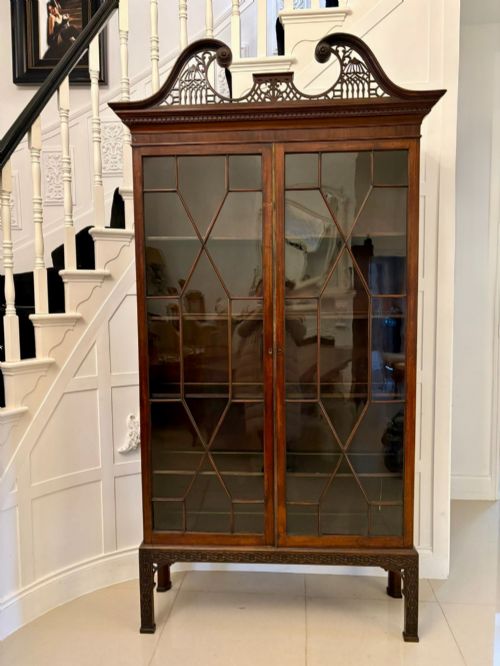
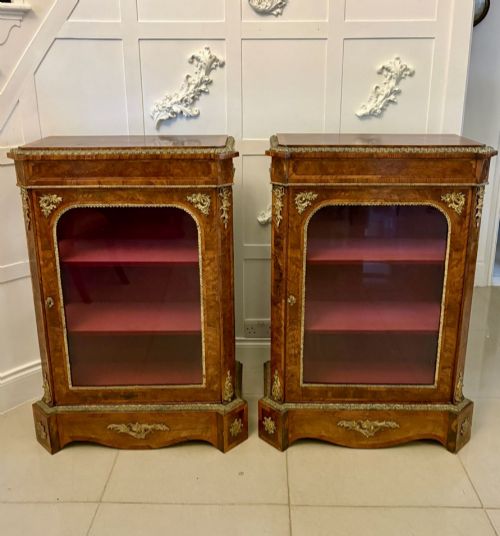
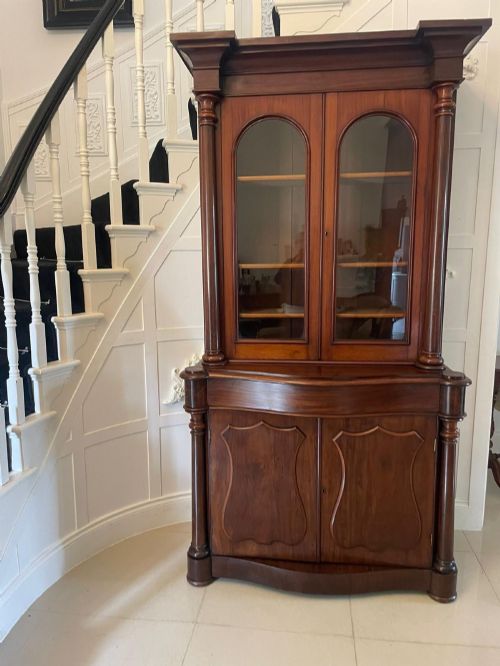
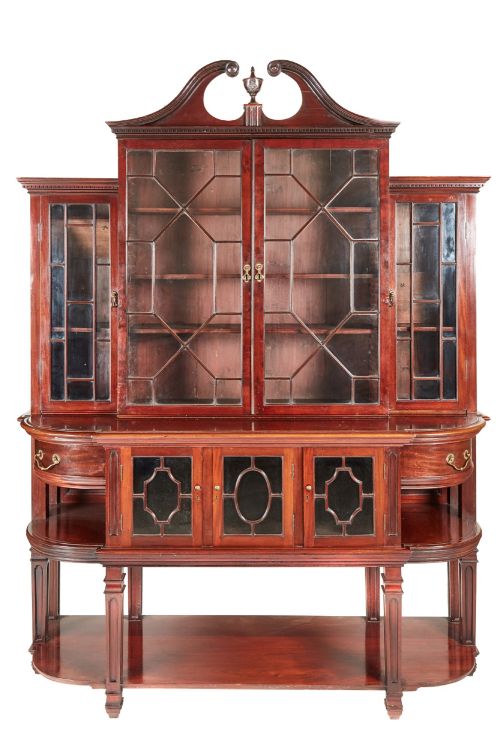
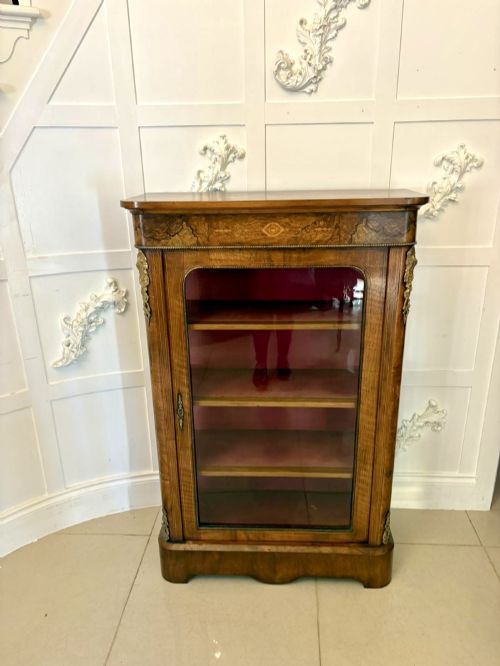
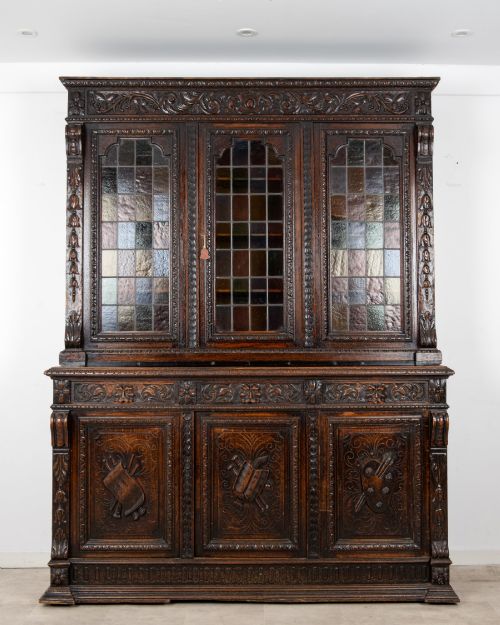
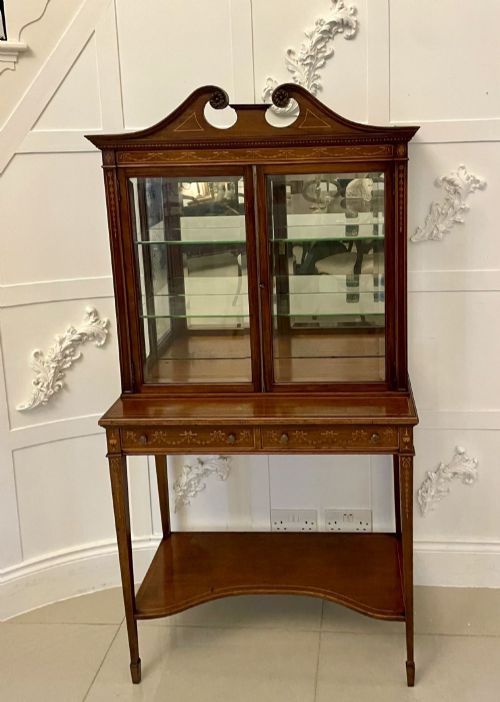
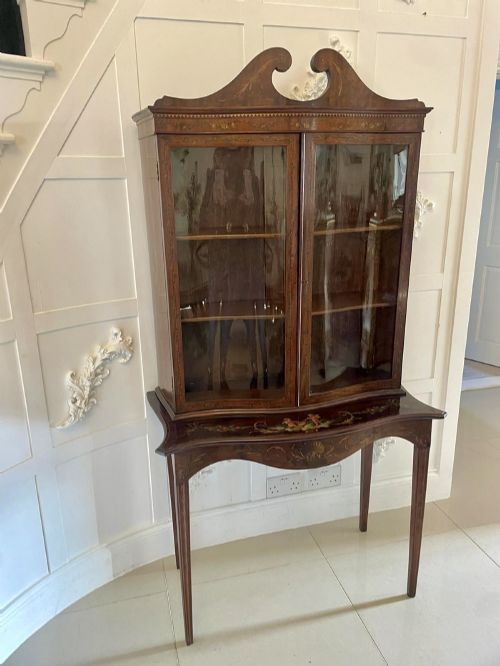
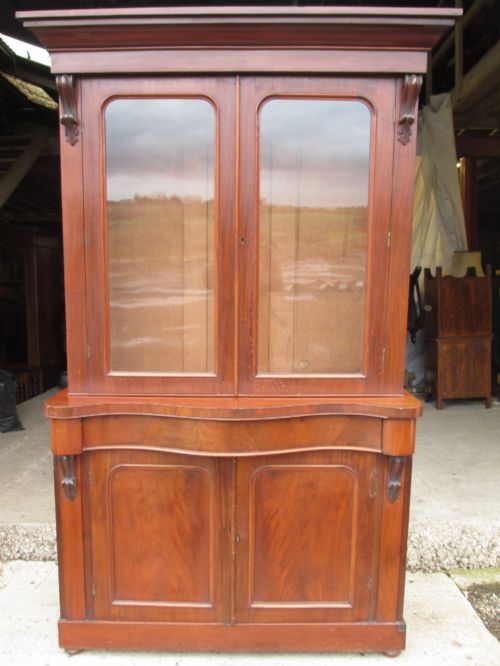
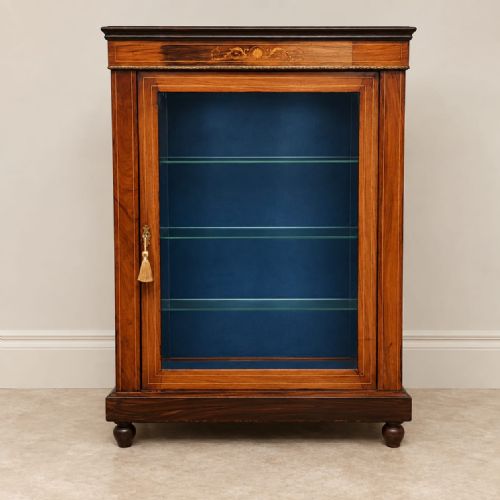
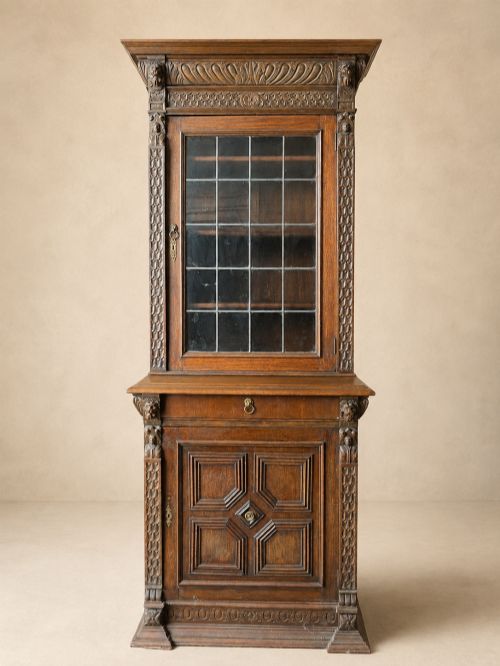
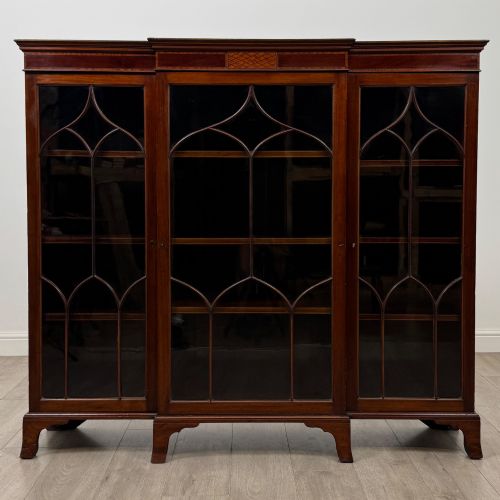
A victorian glass bookcase is typically encountered as a tall upright library piece, a breakfront cabinet, or a low pier cabinet designed to showcase bound volumes and curiosities. These items span the nineteenth century, with specific dates clustering around the eighteen-sixties and eighteen-eighties alongside broader nineteenth-century designations.
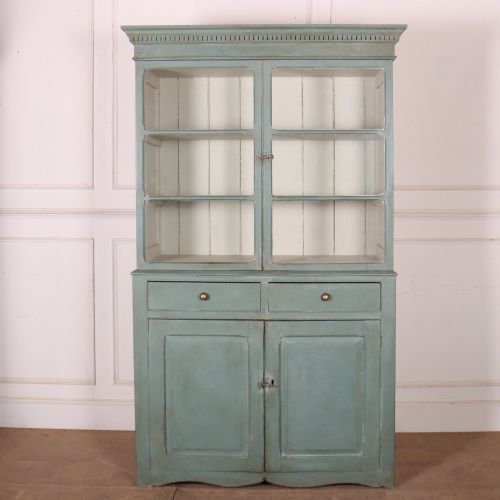
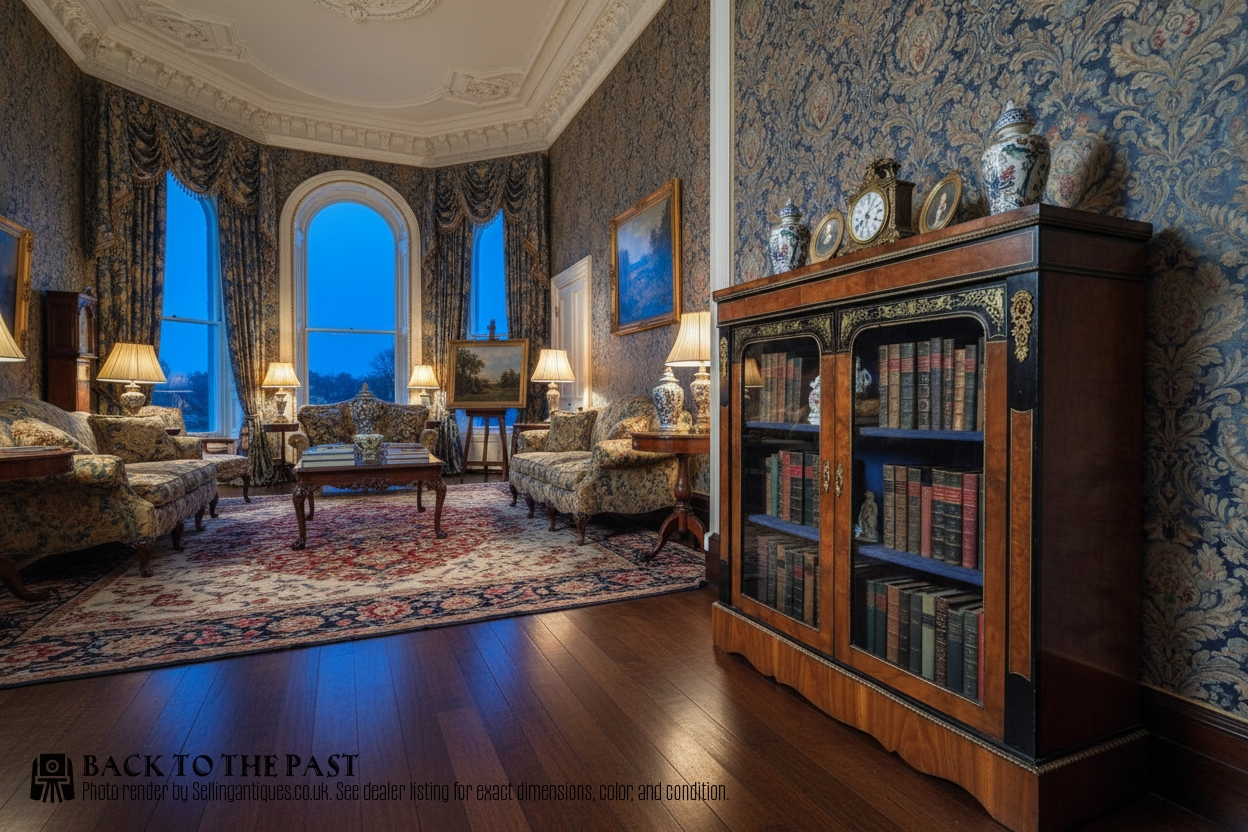
The formats vary from expansive breakfronts down to slim single-door pier cabinets and glazed kitchen dressers. Walnut, mahogany, and burr walnut dominate the forms, frequently paired with glass doors to protect the contents while maintaining visibility.
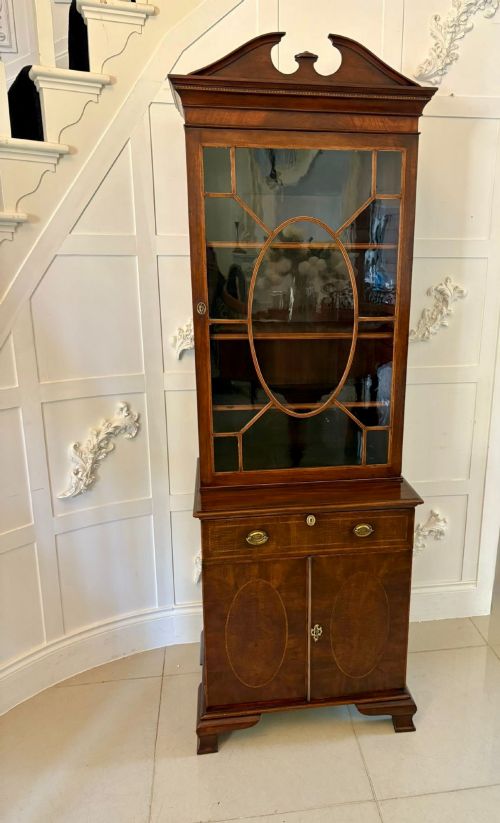
Makers working within this period employed revival styles including Sheraton, Gothic, and Chippendale, alongside Japonisme and simpler country designs. Buyers seeking a victorian glass bookcase will find substantial library cupboards alongside smaller display variants.
Materials and Construction
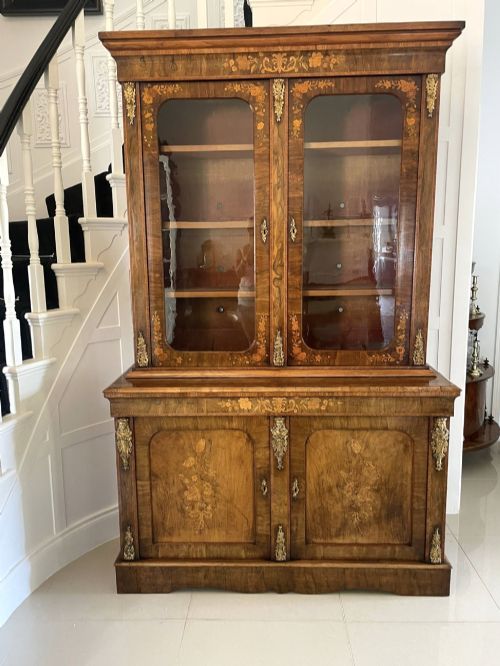
Cabinet makers constructed the carcasses using solid timbers such as mahogany, oak, pine, and walnut, often applying burr walnut or satinwood veneers to prominent surfaces. Marquetry, inlay work in boxwood and ebony, and carved details add surface enrichment to the timber foundations.
Glazing takes the form of astragal bars dividing the glass panes, leaded lights, or large single sheets framed in wood. Metal components include brass handles, ormolu mounts, and fabric linings behind glazed doors in select display cabinets.
Victorian Glass Bookcase Retail Price Guide 2026
Typical asking prices for victorian glass bookcase among the pieces listed under this phrase on Sellingantiques today, from the lower quarter to the upper quarter. They describe what is for sale here now, not the wider market.
Some pier cabinets hide delicate fabric linings behind their glass doors, offering a soft textile contrast to heavy walnut.
Quality and Execution
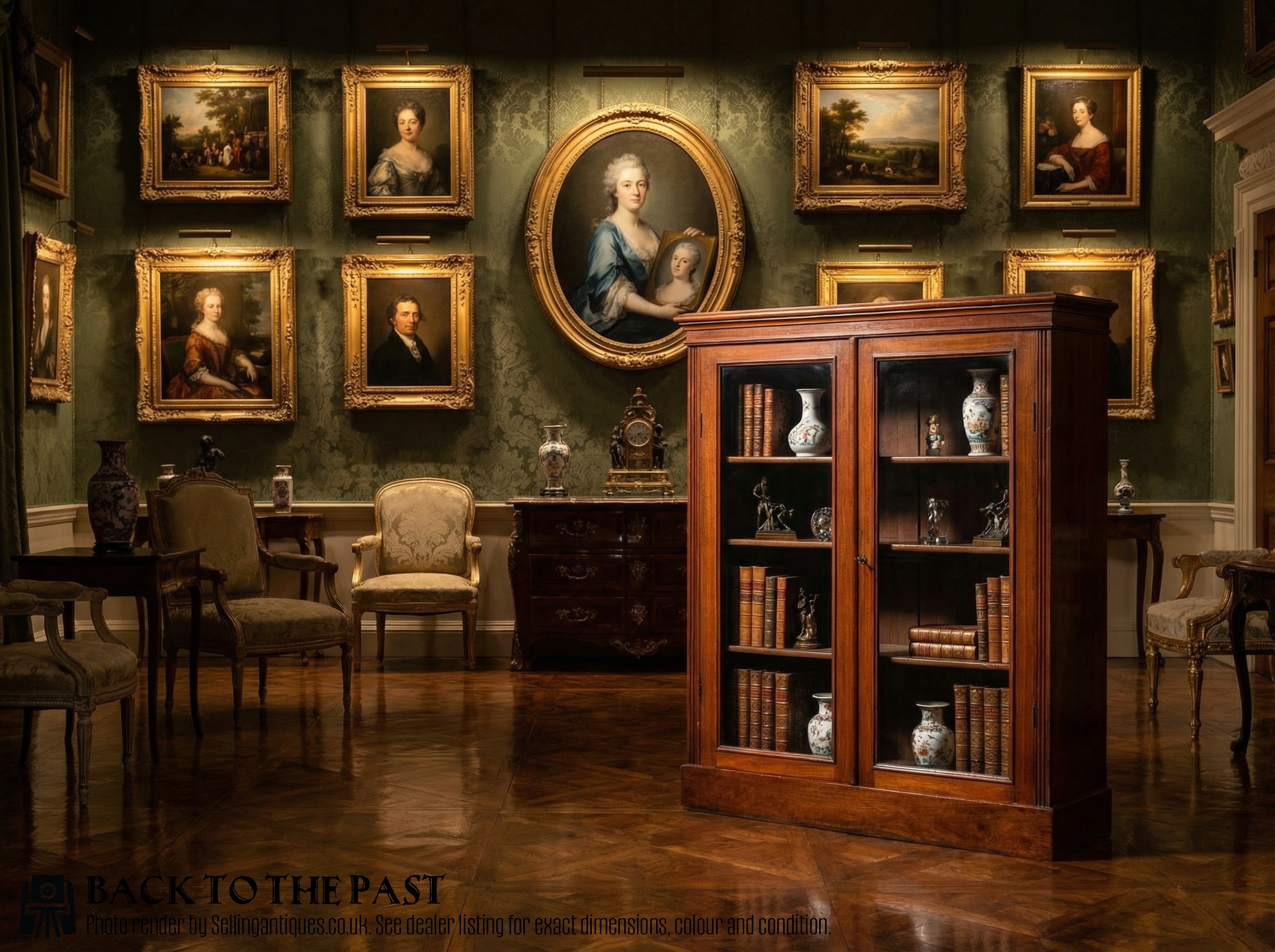
The standard of a piece rests upon the selection of timber figures, such as highly figured burr walnut or dense mahogany, matched across the doors and panels. Crispness in carved ornamentation and precision in marquetry inlay distinguish finer examples from standard workshop output.
Internal joinery, original glazed panes, and the integration of quality ormolu mounts or painted decoration dictate the standing of a cabinet within the nineteenth-century range.
Gabriel Viardot·Jas Shoolbred·Edwards & Roberts
The Victorian Glass Bookcase Glossary
- Astragal glazed
- Glass panes held within a framework of wooden bars dividing the door. This method creates geometric patterns across the front of a library cabinet.
- Pier cabinet
- A low freestanding cabinet designed to fit the wall space between windows. These pieces often feature glass doors and ormolu mounts.
- Breakfront
- A piece of furniture where the central section projects forward from the flanking wings. This layout adds architectural depth to large library bookcases.
- Marquetry
- Decorative veneer patterns formed by fitting together small pieces of tinted wood, ivory, or metal. It appears frequently on walnut and satinwood display cabinets.
- Ormolu
- Gilded bronze mounts applied to the corners and borders of furniture. It serves as a decorative accent on burr walnut and ebonised pieces.
Victorian Glass Bookcase: Frequently Asked Questions
How do I style a victorian glass bookcase?
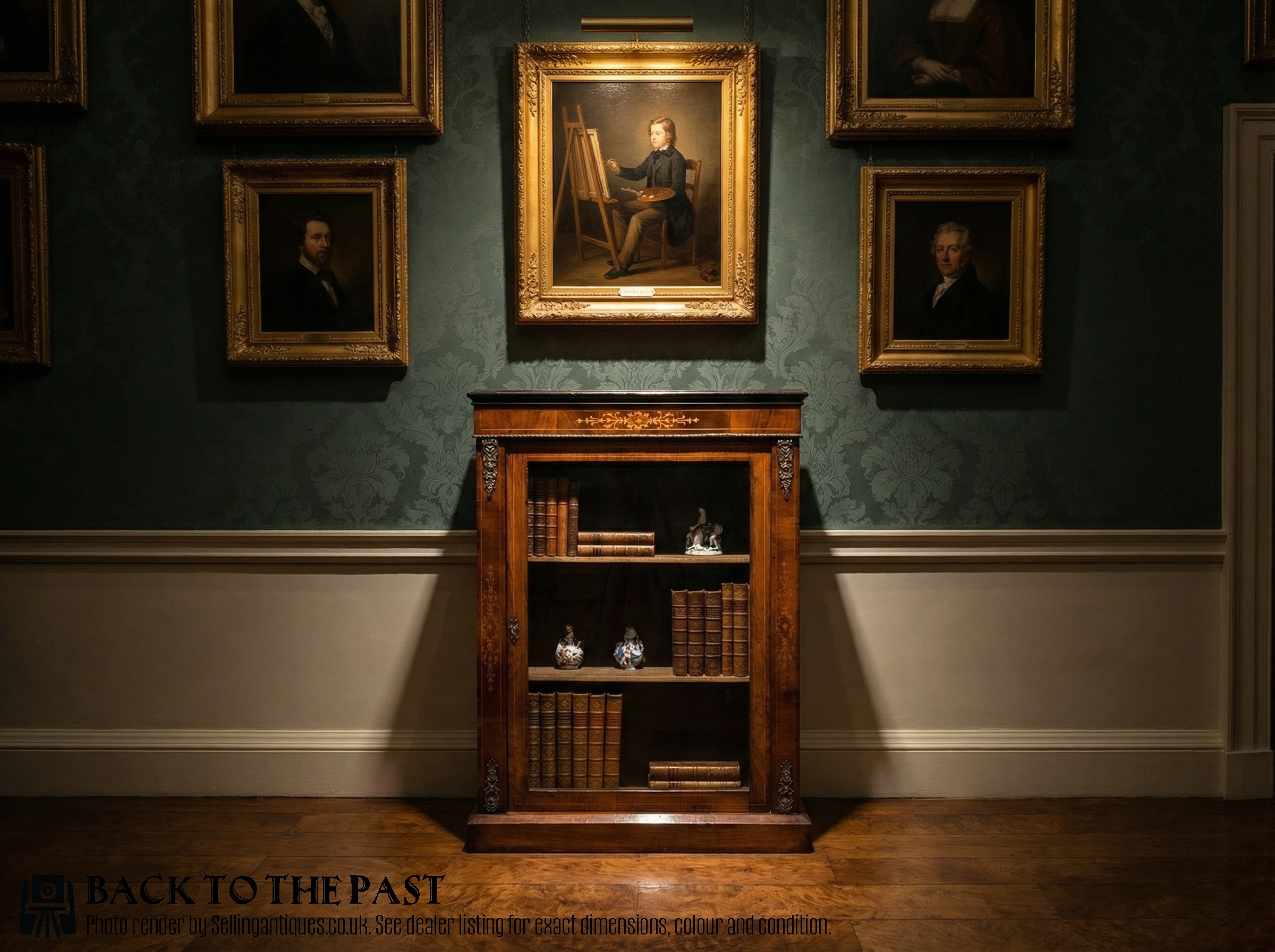
Pair the dark timber tones with neutral walls to let the wood grain stand out in a modern room. Arrange books and ceramics behind the glass panels to maintain visual balance.
Ensure the room has adequate space, as breakfronts and credenzas have a substantial footprint. Keep lighting directed towards the cabinet to highlight the glazed doors and inlay work.
How do I identify a nineteenth-century piece?
Examine the timber species, construction joints, and secondary woods used for drawer linings and backboards. Nineteenth-century examples often utilise solid mahogany, walnut, or pine combined with hand-cut dovetailing.
Look for style indicators such as Sheraton revival motifs or Gothic tracery within the glazed doors. Secondary clues include the presence of hand-blown glass panes with natural surface ripples.
Can these cabinets hold heavy books?
Most library bookcases feature adjustable wooden shelving designed to support heavy bound volumes. The interior depth and shelf strength vary depending on whether the piece was made as a working library or a display cabinet.
Display cabinets and pier cabinets often have lighter internal construction intended for ceramics and glassware rather than massive folios.