

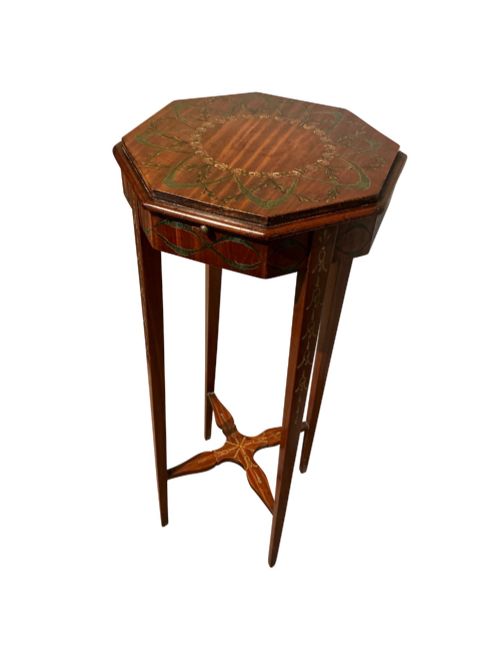
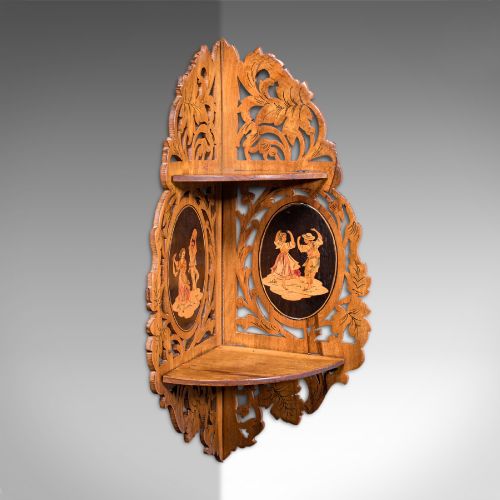
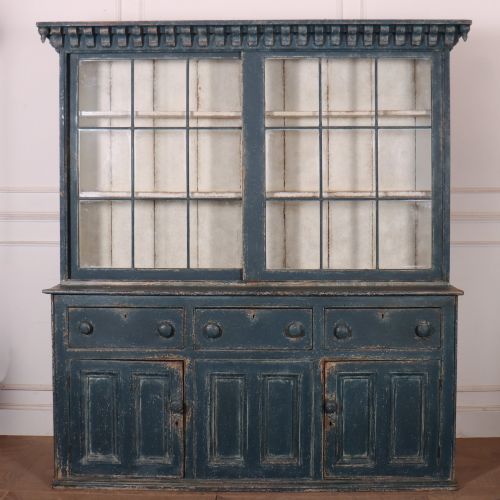
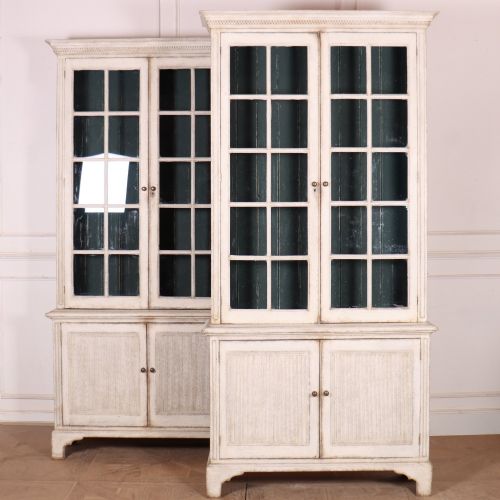
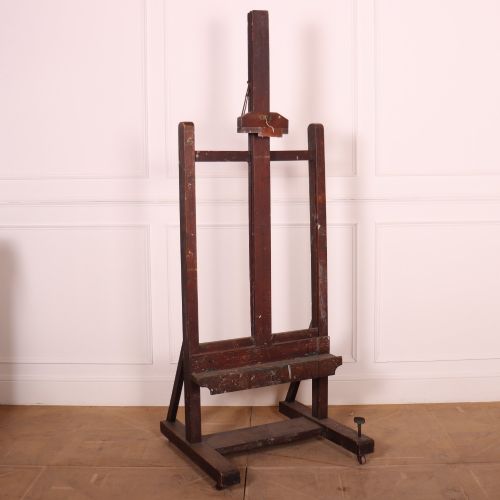
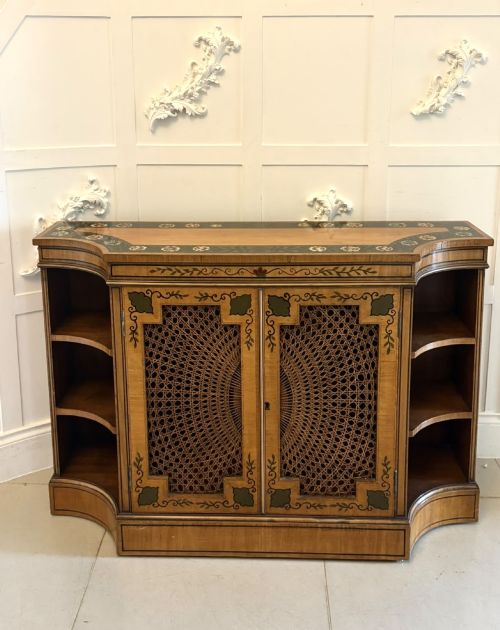
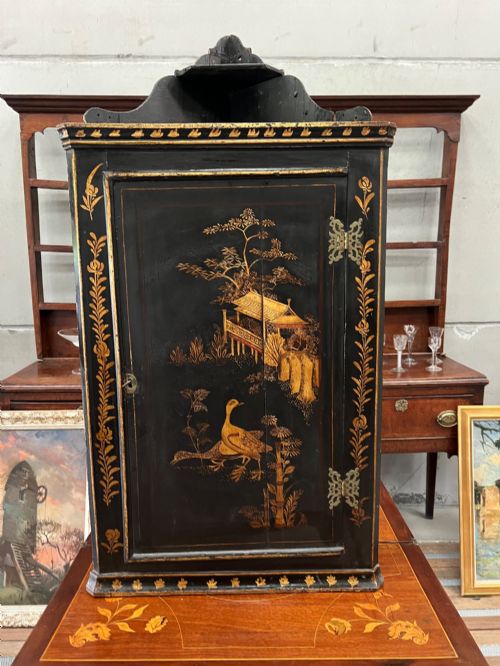
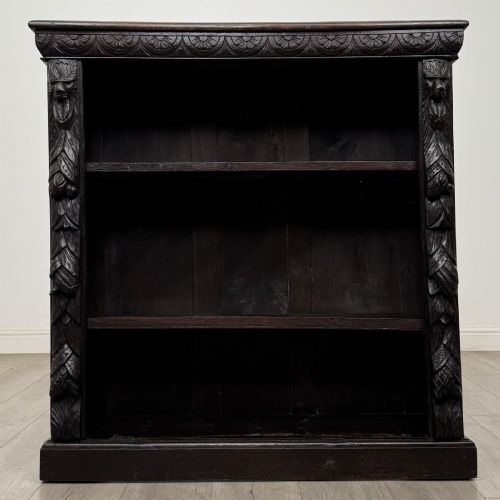
Antique Display Furniture
Antique display furniture brings visible order to precious things, spanning glazed cabinets and open whatnots from the eighteenth century to the twentieth.
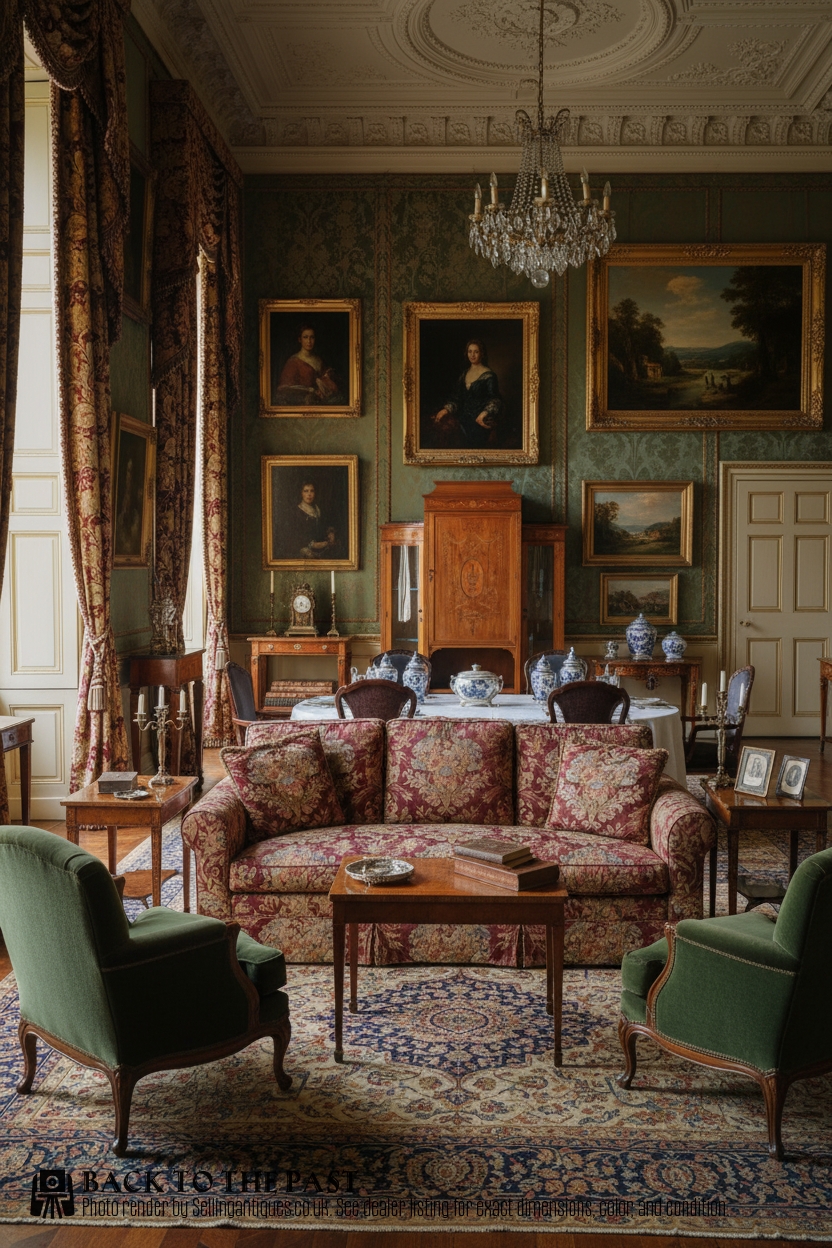
Antique Display Furniture
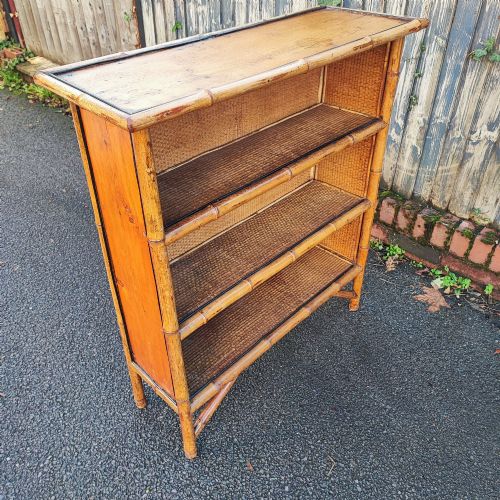
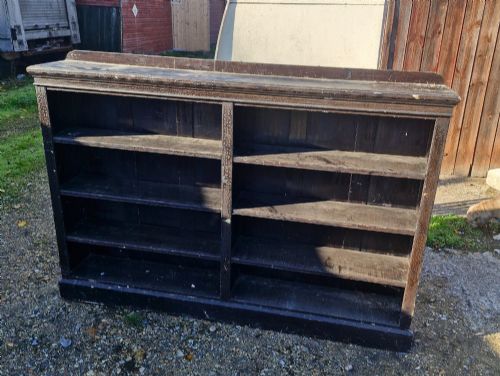
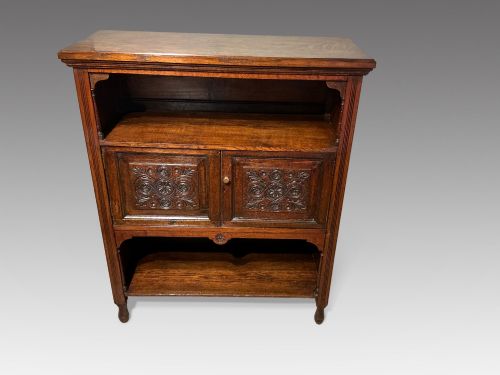
Antique display furniture encompasses glazed cabinets, bookcases, wall shelves, and open whatnots designed to hold and exhibit collections within domestic interiors.
The pieces on this page stem from periods including the Georgian era, the Victorian age, and the Edwardian years, alongside items from the 1930s.
Mahogany and oak dominate the timber selection, complemented by satinwood, walnut, rosewood, and ebonised surfaces.
Forms range from compact corner cabinets and cake stands to large breakfront libraries and French vitrines.
Materials and construction
Cabinet makers utilised solid hardwoods and applied veneers of mahogany, walnut, and satinwood over secondary woods, often adding brass handles, hinges, and glazed doors to protect the interior.
Decoration relied on marquetry inlay, painted details, hand-carved mouldings, and lacquered Chinoiserie finishes rather than cast ornament.
Structural joinery involved traditional mortise and tenon joints, dovetailed drawer construction, and adjustable wooden shelving supported by robust uprights.
Antique Display Furniture Retail Price Guide 2026
Typical asking prices for display furniture among the pieces listed under this phrase on Sellingantiques today, from the lower quarter to the upper quarter. They describe what is for sale here now, not the wider market.
The listings span from 18th century Dutch marquetry and George III pieces through Victorian mahogany to Art Deco oak and 1930s satinwood.
Factors in construction and design
The refinement of the timber and the precision of the inlay set the finest examples apart, particularly where satinwood, harewood, or elaborate marquetry define the surface.
Original glazing, intact hand-painted decoration, and matching hardware indicate a higher grade of manufacture than later replacements or heavily restored carcasses.
Proportion and architectural balance dictate value, distinguishing standard utility bookcases from commissioned breakfront vitrines and signed pieces.
Trevor Page & Co·Gabriel Viardot·Dubois of Lyon·Hampton & Sons·Edwards & Roberts
The Antique Display Furniture Glossary
- Whatnot
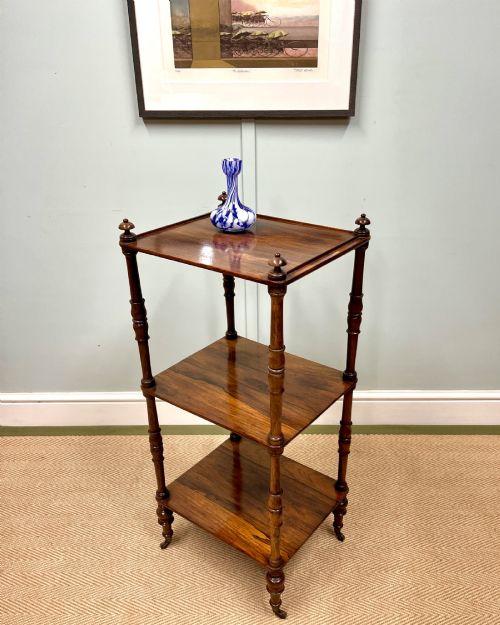
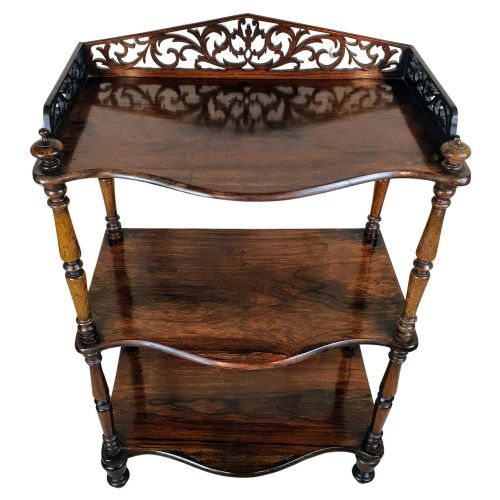
- An open set of multiple shelves designed for displaying ornaments, books, or small objects. These tiered stands often feature barley twist supports or corner alignments.
- Vitrine
- A glass-fronted cabinet specifically built to display porcelain, curiosities, or fine objects. The term frequently applies to French cabinets with curved glass panels.
- Marquetry
- The art of applying decorative veneer pieces in wood, ivory, or shell to form geometric or floral patterns. This technique appears extensively on walnut and satinwood surfaces.
- Breakfront
- A large piece of furniture whose central section projects forward from the flanking wings. This architectural arrangement creates depth and visual rhythm in large bookcases.
- Astral glazing
- Cabinet door glass divided into small panes by narrow wooden bars, often forming Gothic arches or intricate geometric patterns.
Antique Display Furniture: Frequently Asked Questions
What is an antique whatnot?
A whatnot is a multi-tiered open shelving unit designed for displaying small ornaments and books.
First appearing in the Georgian period and remaining popular through the Victorian era, these pieces often feature slender uprights and corner designs to maximise floor space.
How do I clean wooden cabinets?
Dust timber surfaces regularly with a soft, dry cloth to prevent dirt accumulation.
Avoid silicone-based sprays and apply traditional beeswax sparingly to nourish the grain without leaving a sticky residue.
Are shelves adjustable in these cabinets?
Many Victorian and Edwardian bookcases and display cabinets feature adjustable wooden shelving.
Makers utilised wooden ratchets, metal pins, or sliding tracks to allow owners to alter shelf heights for different book sizes.