
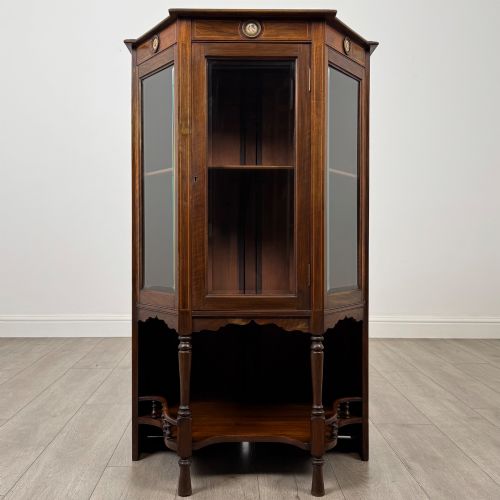
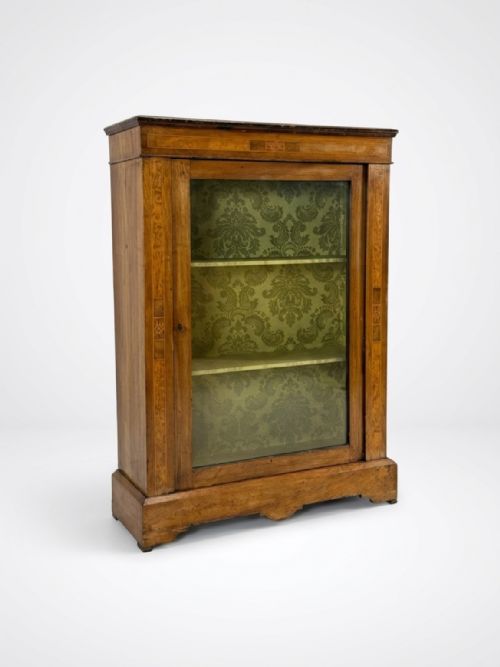
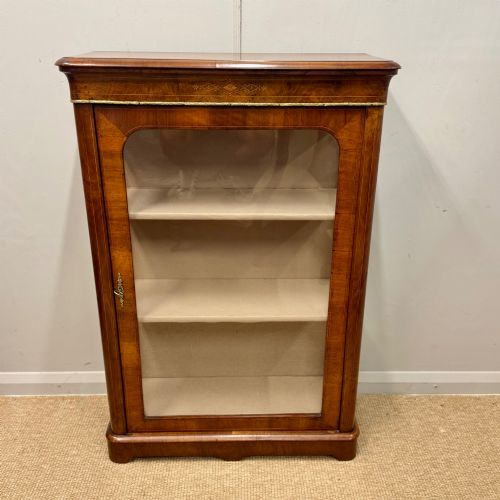
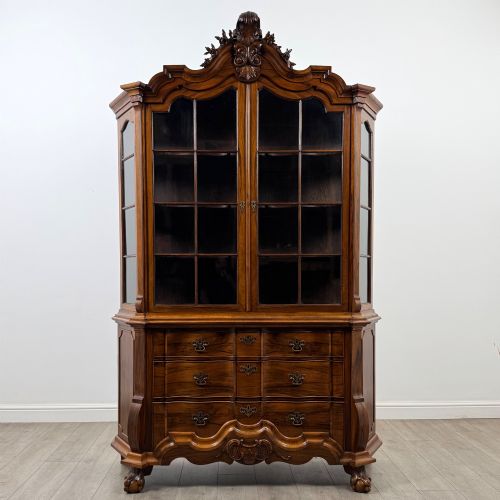
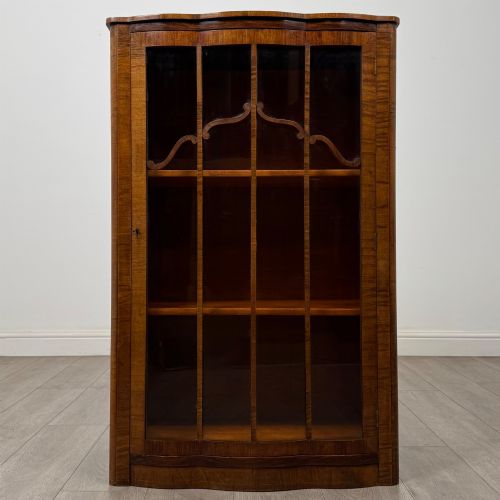
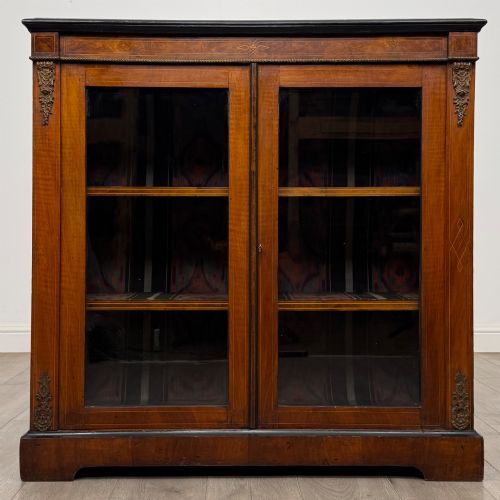
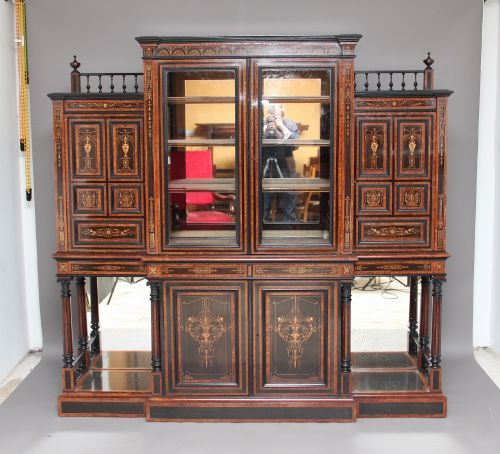
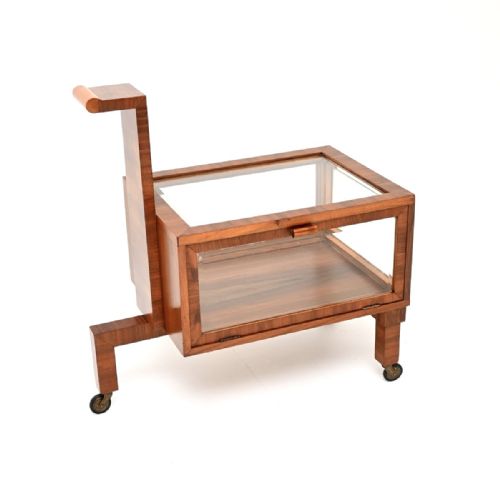
Walnut Display Case
A walnut display case brings warmth and structured visibility to collections, ranging from formal Victorian credenzas to streamlined Art Deco vitrines.
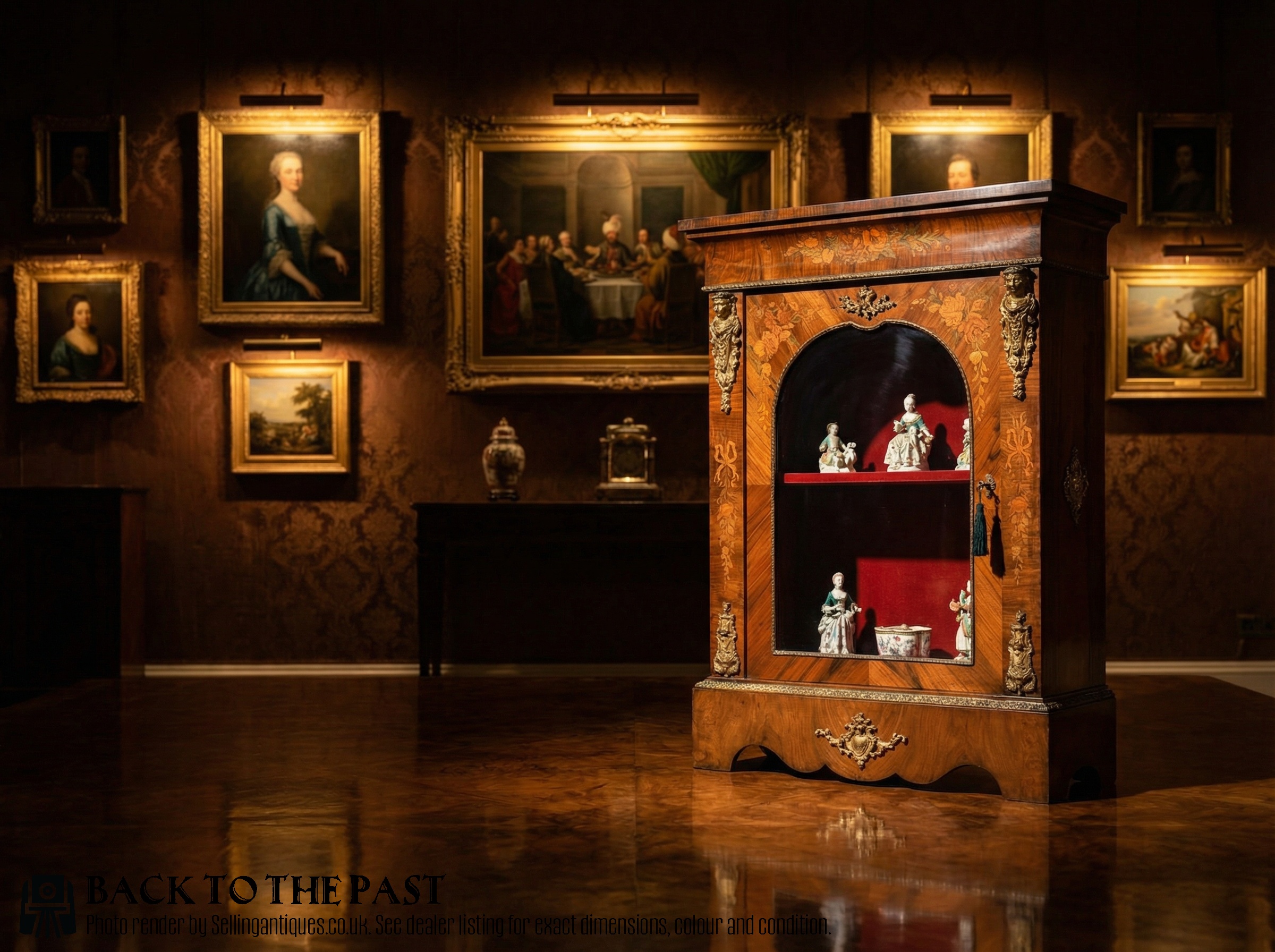
Walnut Display Case
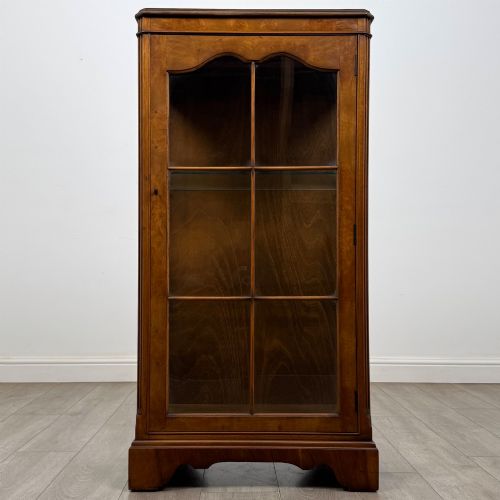
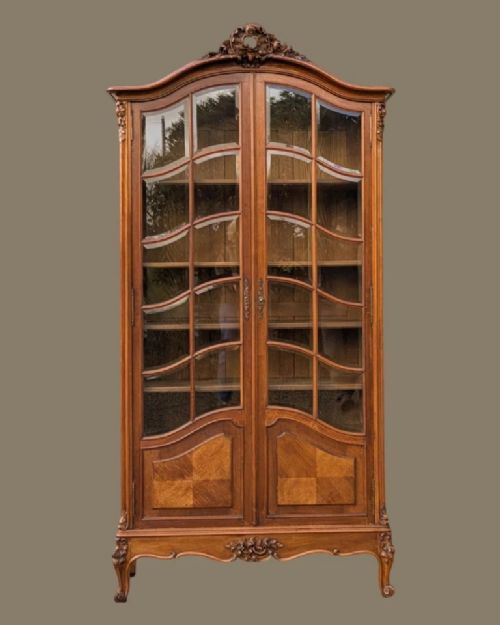
A walnut display case encompasses glazed cabinets, slender pier cabinets, and low credenzas designed to showcase ceramics, books, and objects.
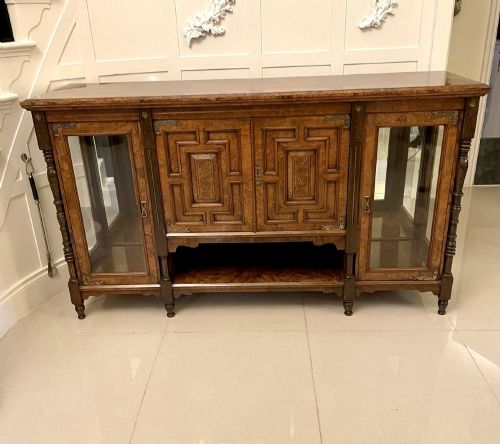
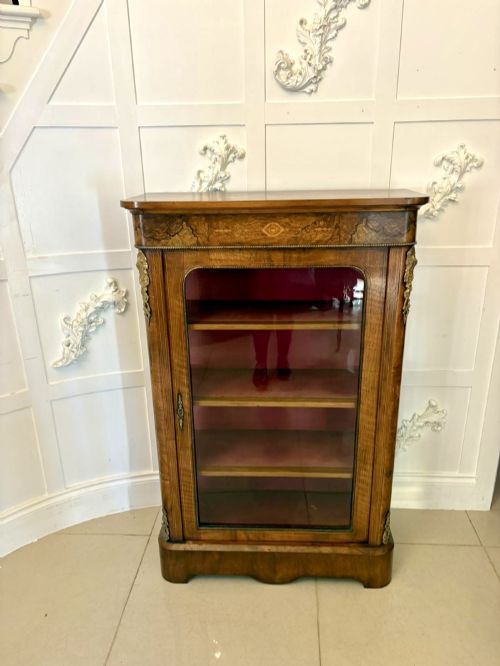
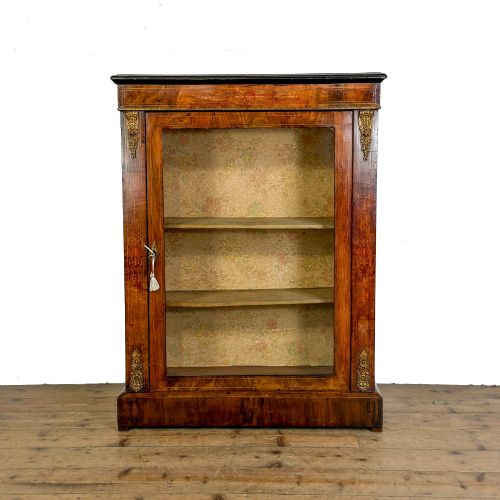
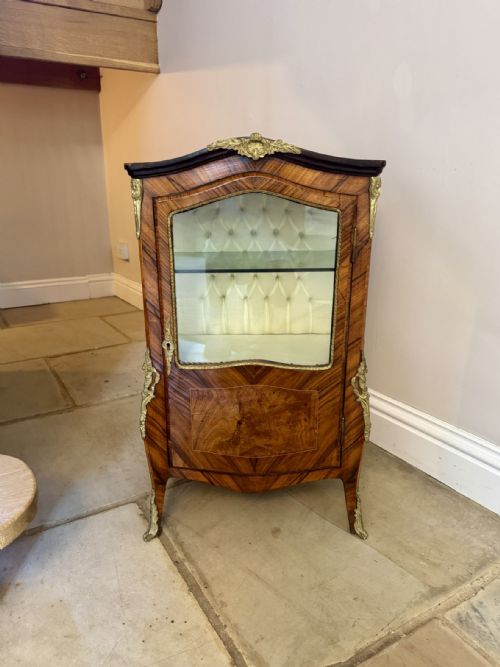
Victorian pieces dominate the earlier periods, frequently featuring burr walnut veneers, marquetry inlay, and gilt bronze or ormolu mounts.
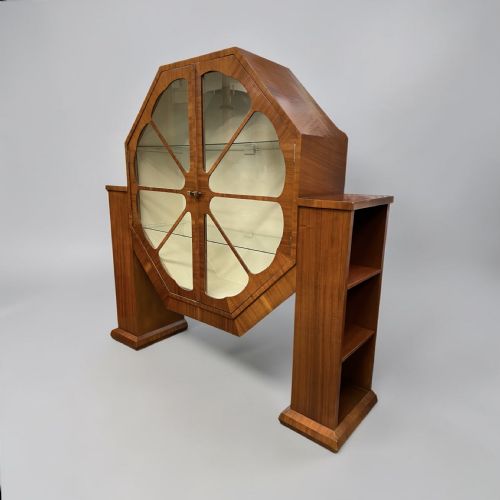
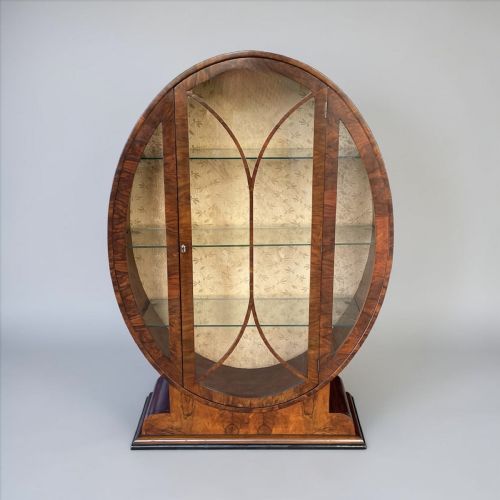
Edwardian and Art Deco examples shift towards cleaner lines, featuring figured veneers, curved glass, and geometric leaded details.
Materials and construction
Makers utilised solid walnut and decorative veneers such as burr and figured walnut over secondary timbers, often accentuating surfaces with boxwood inlay.
Glazing forms the primary housing for visibility, supported by brass hardware, ormolu mounts, and occasionally velvet or fabric lined interiors.
Listings span the 18th, 19th, and 20th centuries, uniting Georgian proportions, Victorian marquetry, and Art Deco geometry under the walnut designation.
Defining quality
Superior examples display deeply figured burr walnut veneers that align symmetrically across doors and panels, demonstrating deliberate planning by the cabinetmaker.
The sophistication of the brass ormolu mounts, hand-cut marquetry, and original curved or leaded glass distinguish standard production from exhibition pieces.
Lamb of Manchester
The Walnut Display Case Glossary
- Burr walnut
- Timber taken from a tree growth that produces swirling, highly decorative grain patterns highly prized for cabinet fronts.
- Pier cabinet
- A narrow freestanding display piece traditionally designed to fit the wall space between windows.
- Credenza
- A low-profile side cabinet often featuring glazed central doors flanked by curved side compartments.
- Ormolu
- Gilded bronze mounts applied as decorative highlights to corners, cornices, and feet on formal cabinets.
- Vitrine
- A glass-sided display cabinet designed primarily for the presentation of porcelain and small artefacts.
Walnut Display Case: Frequently Asked Questions
Where should I place a walnut display case?
These cabinets suit drawing rooms, dining spaces, or libraries where natural light enhances the glazed sections without causing direct sun fading on delicate contents.
Ensure the floor is level so the glazed doors hang true and latch securely within their frames.
How do I distinguish Victorian from Art Deco cabinets?
Victorian models tend to feature rich burr walnut, marquetry inlay, ormolu mounts, and curved or pillar details reflecting revivalist styles.
Art Deco versions utilise figured or clove-shaped veneers with geometric leaded glass and streamlined silhouettes devoid of traditional ornamentation.
What is a pier cabinet used for?
Pier cabinets were originally built during the nineteenth century to occupy narrow wall spaces between large windows in formal reception rooms.
Their slim proportions make them ideal for modern rooms requiring vertical display space without a heavy footprint.
How should I care for walnut veneer surfaces?
Dust regularly with a soft, dry cloth and maintain stable indoor humidity to prevent the underlying timber and delicate veneers from moving.
Avoid silicone polishes, opting instead for traditional beeswax applied sparingly to nourish the grain.