
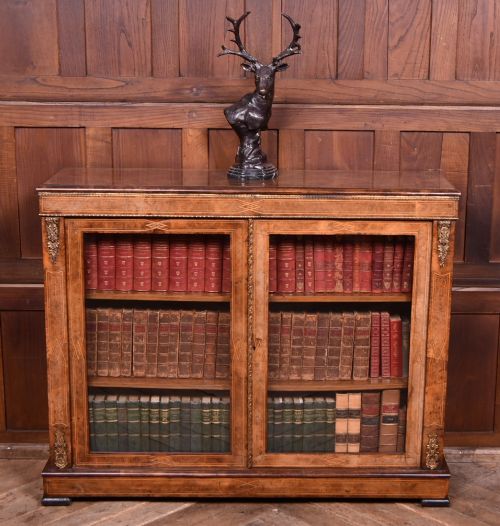
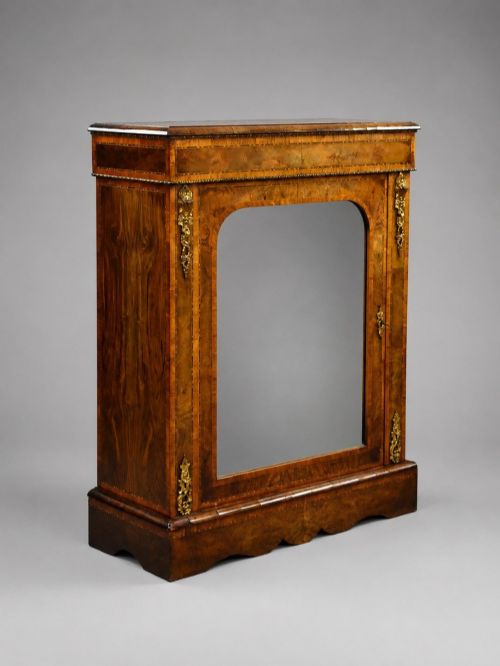
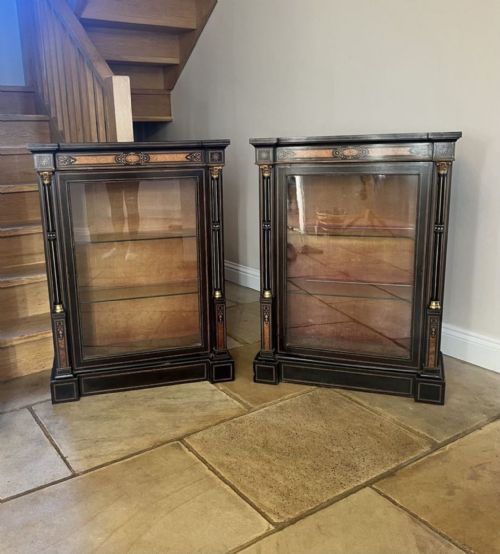
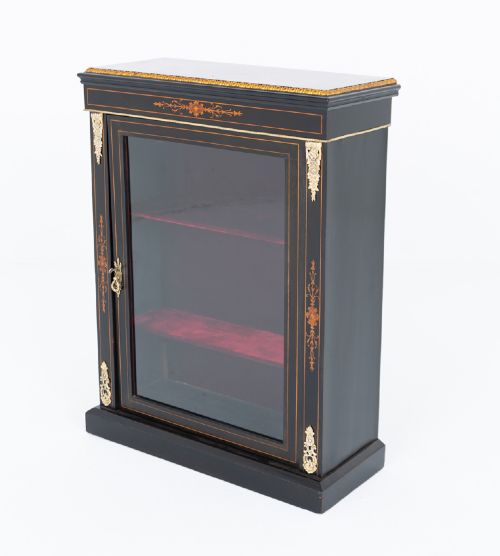
Glazed Pier Cabinet
A glazed pier cabinet brings architectural elegance and glass-fronted display space to narrow wall sections, originating primarily in the nineteenth century.
Glazed Pier Cabinet
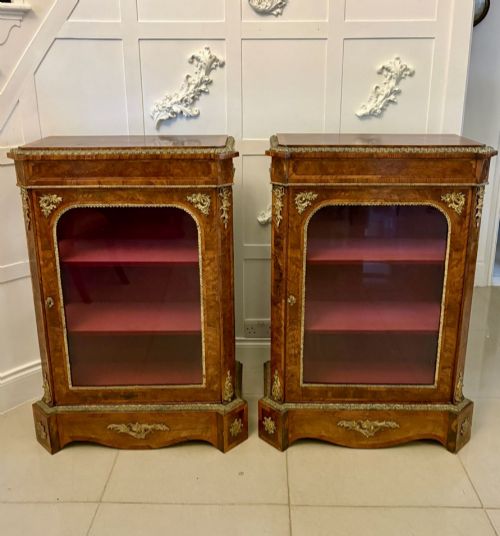
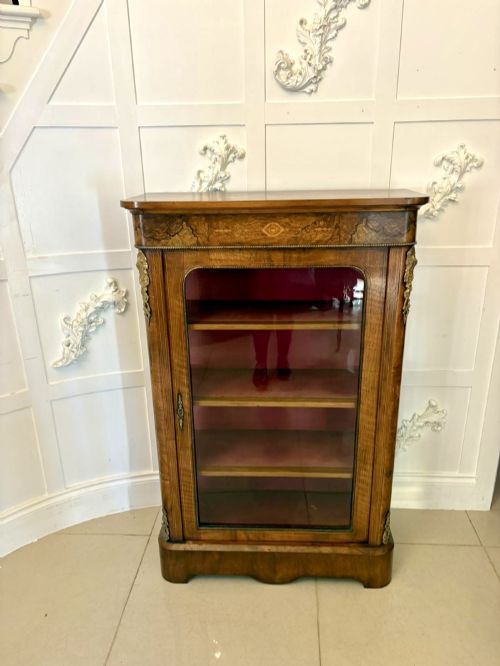
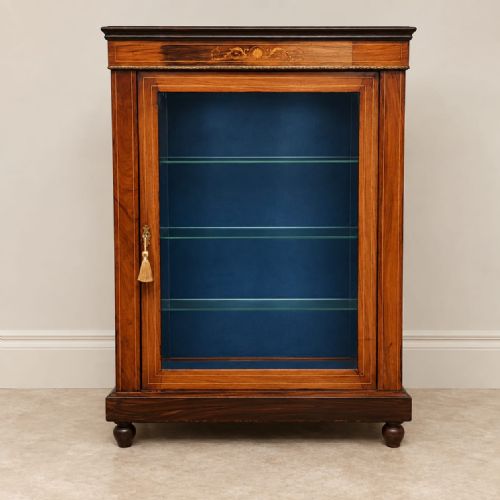
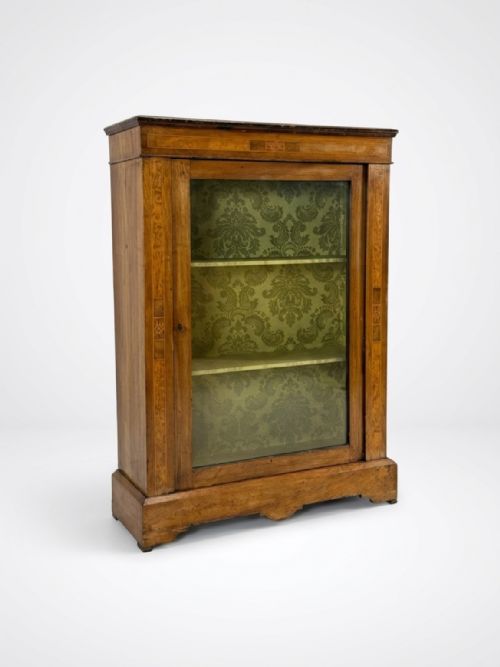
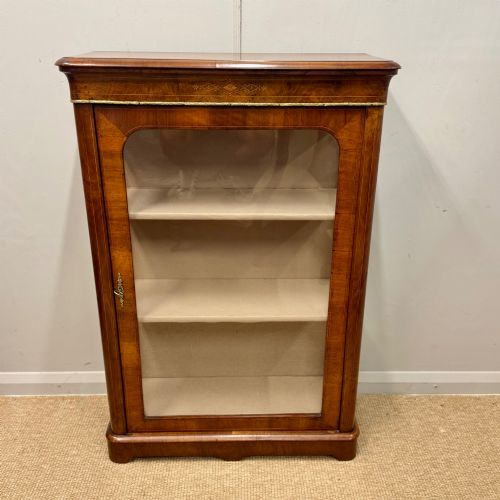
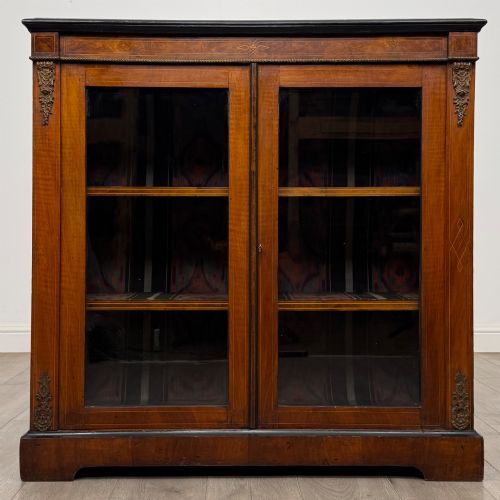
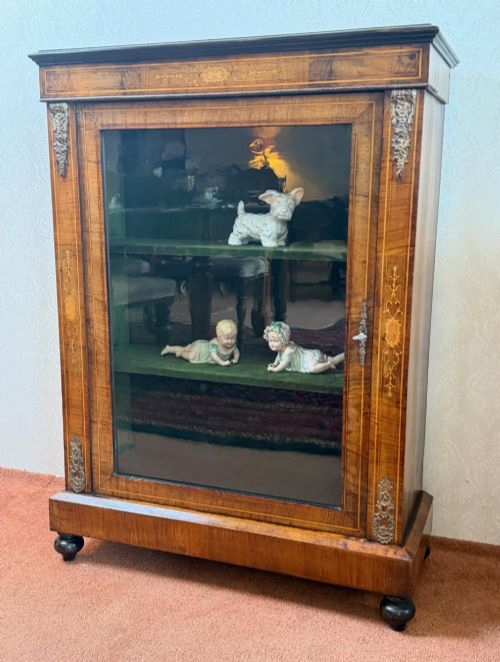
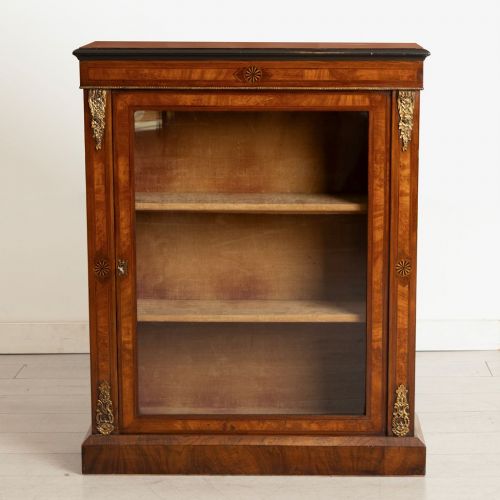
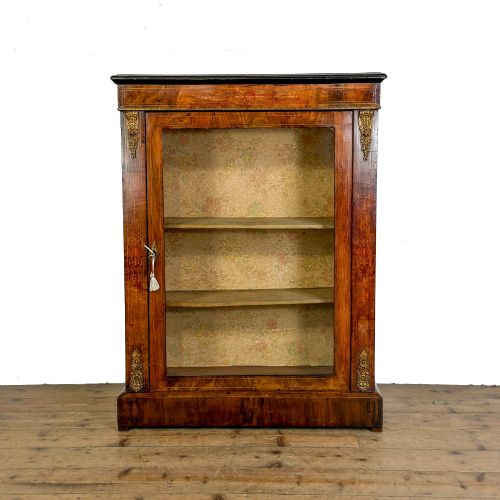
A glazed pier cabinet is designed specifically to occupy the narrow strip of wall space between windows, known as the pier, often featuring a single glass door to display porcelain and ornaments.
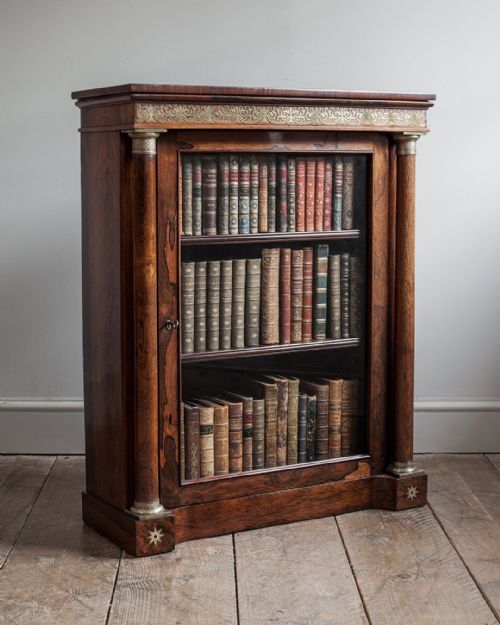
The majority of pieces encountered here date from the Victorian era, executed in rich woods like burr walnut and rosewood, alongside refined Regency examples.
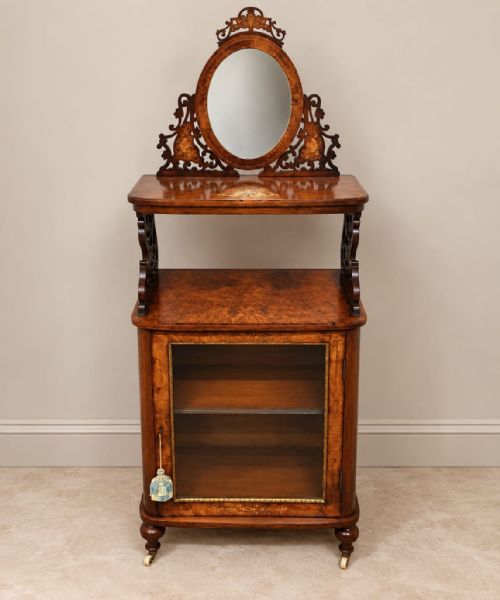
Makers adapted the form into side cabinets and freestanding display cases, maintaining the shallow footprint and vertical emphasis characteristic of the original domestic function.
Materials and Construction
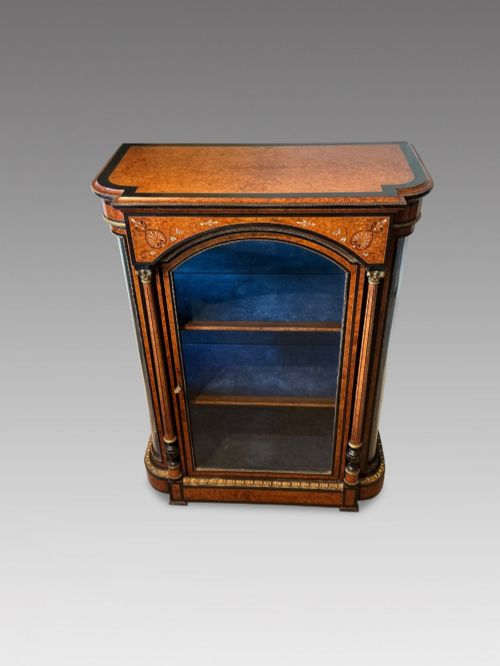
Cabinet makers utilised dense native and exotic timbers, selecting burr walnut, rosewood, and mahogany as foundations for intricate boxwood and ebony marquetry inlays.
Gilt bronze or ormolu mounts punctuate the corners and frames, while glass panes are held securely within slender timber muntins or brass frames.
Surfaces often feature ebonised wood or French polish, which enhances the natural grain patterns of the figured veneers.
Glazed Pier Cabinet Retail Price Guide 2026
Typical asking prices for glazed pier cabinet among the pieces listed under this phrase on Sellingantiques today, from the lower quarter to the upper quarter. They describe what is for sale here now, not the wider market.
The listings encompass items spanning the Regency period through to the late Victorian era, predominantly constructed in walnut, rosewood, and mahogany.
Craftsmanship and Detail
The distinction between standard production and top-tier pieces lies in the complexity of the marquetry and the crispness of the cast ormolu mounts.
Finer examples display book-matched burr walnut veneers with precise symmetry, whereas simpler pieces rely solely on plain timber surfaces.
Interior execution, such as velvet-lined shelving and superior lock mechanisms, separates standard utility cabinets from master-workshop productions.
James Winter·Edwards & Roberts
The Glazed Pier Cabinet Glossary
- Pier cabinet
- A narrow cabinet designed to stand against the wall space between windows. These pieces combine display glass with compact proportions.
- Ormolu
- Gilded bronze mounts applied to furniture for decorative contrast. This technique adds metallic highlights to the dark timber surfaces.
- Marquetry
- Inlaid patterns of wood veneer or other materials creating pictorial designs. Craftsmen carefully fit contrasting pieces into the cabinet facade.
- Ebonised
- Timber treated to resemble ebony through staining or painting. This finish provides a stark, dark contrast to gilt mounts and brass inlays.
- Burr walnut
- Timber taken from walnut tree growths, featuring swirling grain patterns. It forms the primary decorative veneer on numerous nineteenth-century examples.
Glazed Pier Cabinet: Frequently Asked Questions
What is a glazed pier cabinet used for?
These cabinets served primarily to display decorative ceramics, glassware, and small ornaments within formal nineteenth-century drawing rooms. The glass door protected delicate items from dust while keeping them fully visible to visitors.
Beyond simple display, the flat top surface provided an additional platform for urns, clocks, or candlesticks. Their shallow depth allowed them to fit neatly into restricted wall spaces without obstructing foot traffic.
How do I identify a Victorian pier cabinet?
Victorian examples generally feature dark, heavily figured timbers such as burr walnut or rosewood, frequently accented with boxwood stringing or marquetry flowers. Look for structural characteristics typical of the mid-nineteenth century, including hand-cut dovetails and brass locks stamped by period manufacturers.
The inclusion of ormolu mounts and ebonised details further points toward the Victorian taste for revival styles. Comparing the timber patination and construction methods helps distinguish them from later reproductions.
Are Regency pier cabinets different from Victorian ones?
Regency cabinets tend to exhibit cleaner architectural lines, drawing heavily on classical neoclassical motifs rather than the exuberant ornamentation of later decades. They frequently utilise rosewood and brass inlay, reflecting the aesthetic preferences of the early nineteenth century.
In contrast, Victorian pieces often embrace more complex curves, varied veneers like burr walnut, and extensive Boullework. Understanding these stylistic shifts allows collectors to place an unmarked cabinet within its correct historical decade.
Can I adjust the shelves inside these cabinets?
Many nineteenth-century examples feature adjustable wooden or glass shelving supported by traditional wooden notched racks or brass strip supports. This adaptability permitted owners to display objects of varying heights within the single glazed compartment.
When examining a cabinet, check the interior pilasters for the original adjustment mechanism. Original fittings confirm the piece retains its intended configuration for domestic display.