

Inlaid Music Cabinet
An inlaid music cabinet brings together period cabinetmaking and domestic sheet music storage in a compact footprint.
Inlaid Music Cabinet
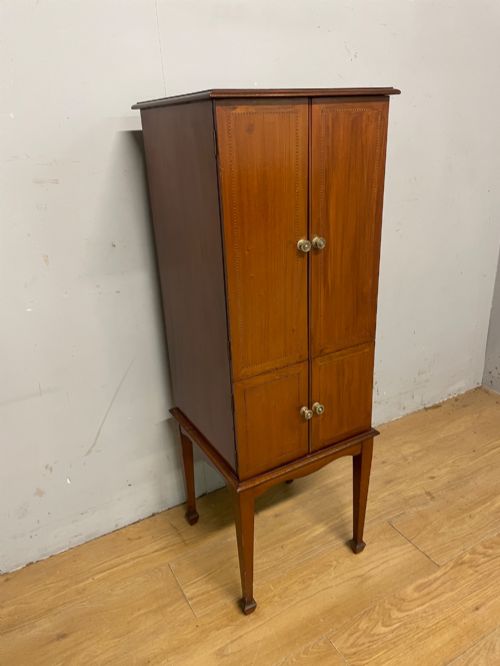
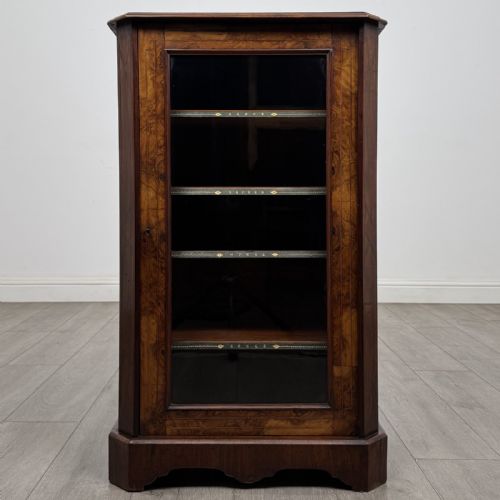
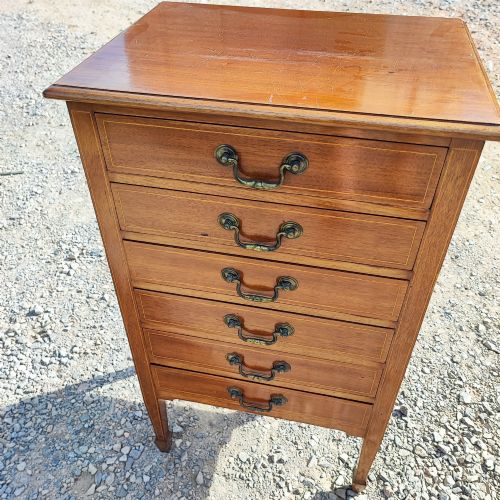
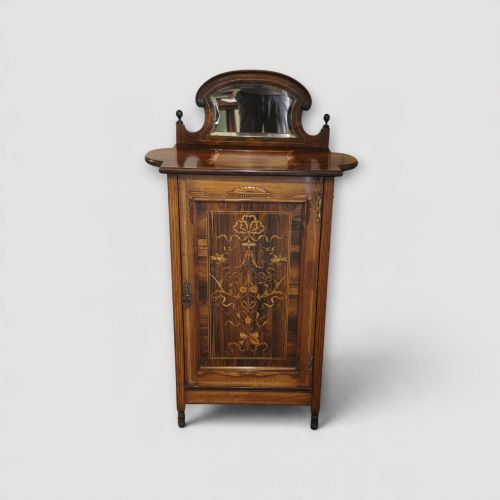
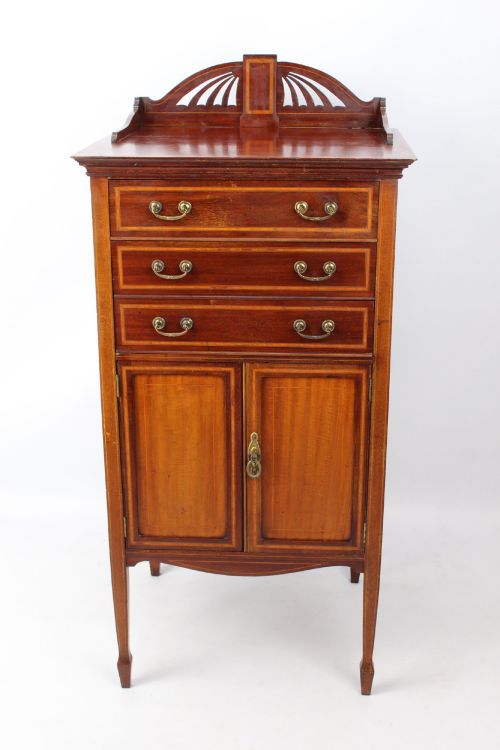
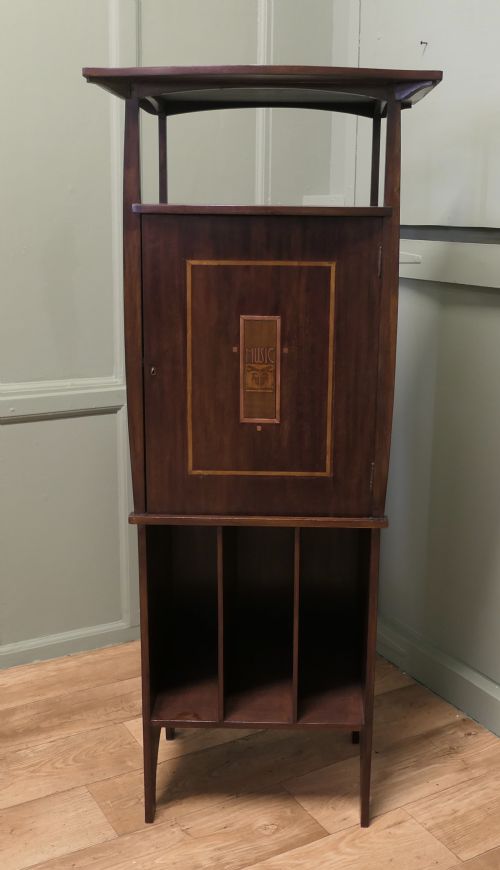
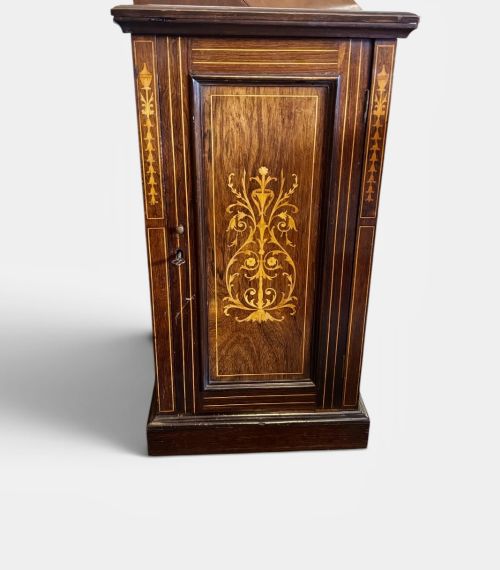
An inlaid music cabinet is a specialised domestic storage piece designed specifically for sheet music, scores, and related folios in the home. These pieces appear frequently from the Victorian and Edwardian periods, constructed to sit compactly in a parlour or drawing room.
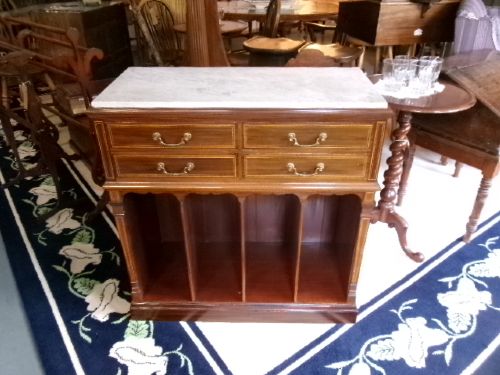
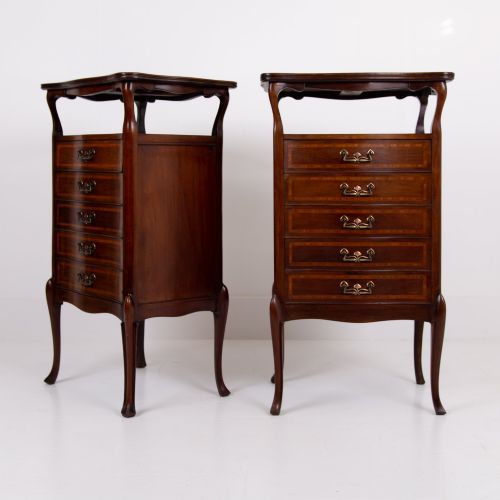
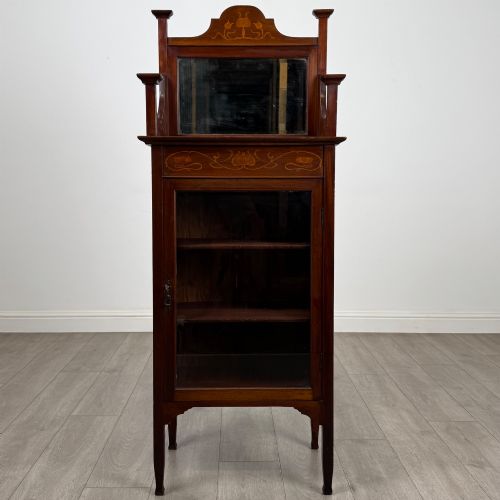
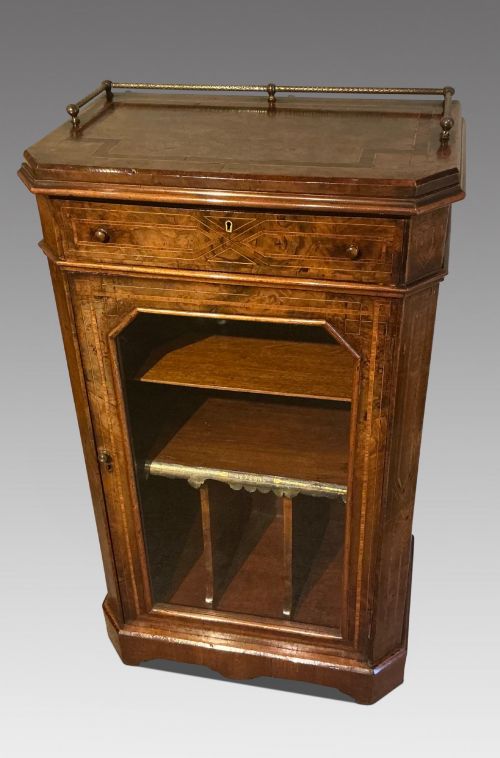
The form typically combines vertical internal shelving or dedicated drop-front drawers with a glazed or panelled door. Most examples met on this page date from the later nineteenth century through the early twentieth century.
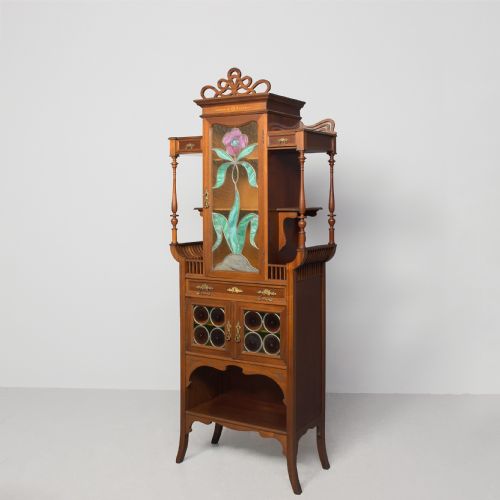
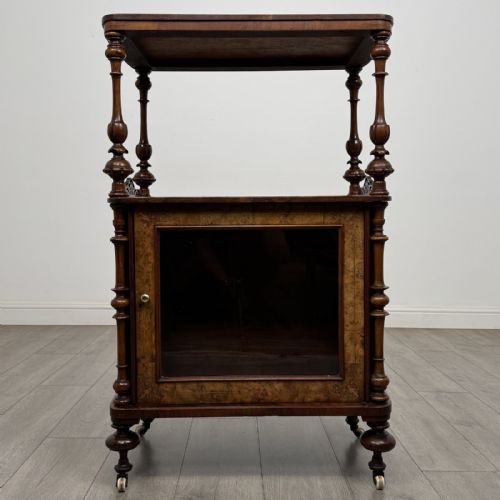
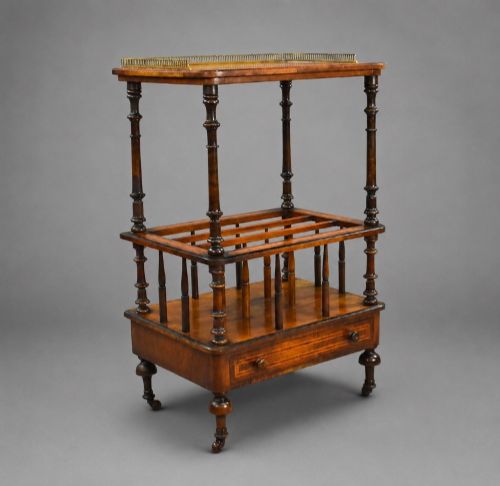
Makers often paired the cabinet form with related storage pieces such as canterburys, whatnots, and narrow side cabinets. Buyers encounter versions ranging from straightforward mahogany examples to richly figured burr walnut and rosewood variations.
What varies in quality
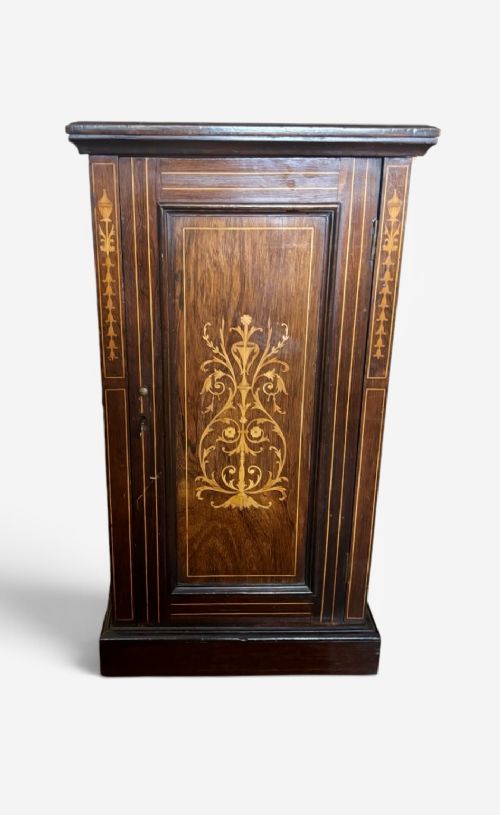
The depth of figure in the wood veneers sets individual pieces apart, with heavily burred walnut and figured mahogany representing the higher tier of production. Crispness in the execution of boxwood inlay and marquetry dictates the refinement of the maker's workshop.
Internal configuration also marks the difference between standard production and superior craftsmanship. Robust drawer construction, fitted interior partitions, and original brass fittings indicate a higher standard of manufacture.
Inlaid Music Cabinet Retail Price Guide 2026
Typical asking prices for inlaid music cabinet among the pieces listed under this phrase on Sellingantiques today, from the lower quarter to the upper quarter. They describe what is for sale here now, not the wider market.
Listings show these cabinets appearing in mahogany, walnut, rosewood, and satinwood, spanning the Victorian and Edwardian eras.
GM Elwood for JS Henry·Collinson & Lock London·Keeble London·Edwards and Roberts Of London·Shapland & Petter
The Inlaid Music Cabinet Glossary
- Marquetry
- Decorative patterns formed by the insertion of small pieces of wood, veneer, and other materials into a veneered surface. This technique allows for complex pictorial and floral designs across cabinet doors.
- Canterbury
- A low stand with vertical partitions designed for holding sheet music, folios, or books. These pieces frequently share the inlaid decoration and timber choices of the music cabinets.
- Pier cabinet
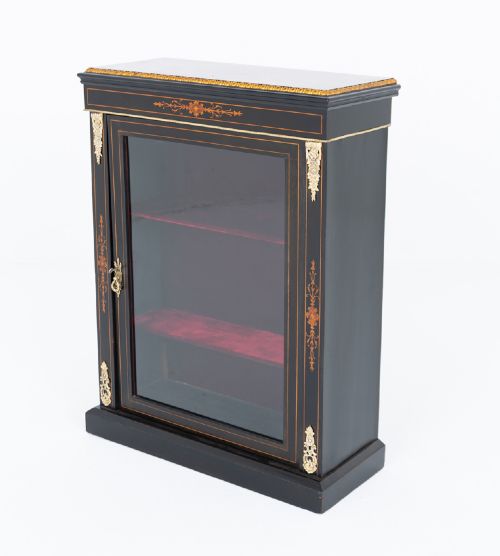
- A narrow cabinet designed to stand against the wall space between windows. They often feature glass doors and fine inlay work.
- String inlay
- A narrow, thin strip of contrasting wood embedded flush into the surface of a furniture piece. It creates delicate borders around panels and drawer fronts.
- Secretaire
- A desk disguised as a cabinet, featuring a fold-down writing surface. Some music cabinets incorporate this dual function into their upper sections.
Inlaid Music Cabinet: Frequently Asked Questions
What is an inlaid music cabinet?
An inlaid music cabinet is a tall, narrow piece of furniture built to hold sheet music and scores safely in a nineteenth or early twentieth century home. They usually feature internal drop-front drawers or vertical divisions behind a single door.
Cabinetmakers decorated the exterior surfaces using contrasting veneers, stringing, and marquetry. These items reflect the popularity of amateur music-making in Victorian and Edwardian drawing rooms.
How were music cabinets used?
These cabinets kept loose sheet music, folios, and songbooks organised and protected from dust and light. The interior shelving or specialised drawers prevented paper scores from bending or creasing.
Many households placed them beside a piano or in a main reception room for easy access during musical evenings. Some designs combined record storage or a secretaire writing desk into the same footprint.
How do I tell Victorian from Edwardian cabinets?
Victorian cabinets often utilise heavier timbers like burr walnut and rosewood, paired with dense marquetry and darker ebonised accents. The proportions lean towards deep tones and ornate detailing.
Edwardian examples frequently employ brighter mahogany and satinwood with lighter string inlay and Sheraton Revival motifs. The overall aesthetic tends toward airier, more refined proportions.
Where should I place a music cabinet today?
Their narrow footprint makes these cabinets adaptable for tight spaces in modern hallways, living rooms, or studies. They serve well for storing modern sheet music, art portfolios, or slim books.
Placing them away from direct sunlight protects the delicate wood veneers and boxwood inlays from fading. Pairing them with other period items or placing them beside seating creates a balanced interior display.