


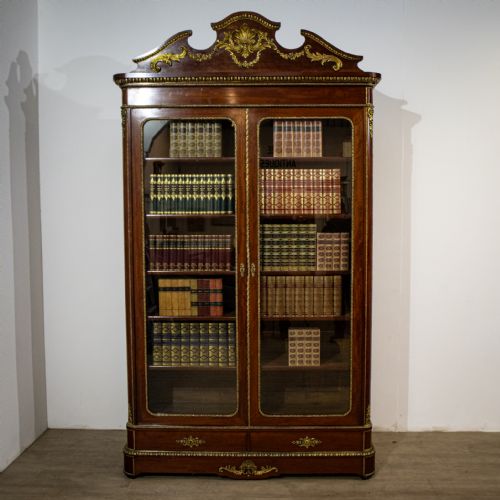

Nineteenth Century Vitrine
A nineteenth century vitrine brings French Rococo elegance and Victorian craftsmanship into the modern home to display cherished collections behind glass.
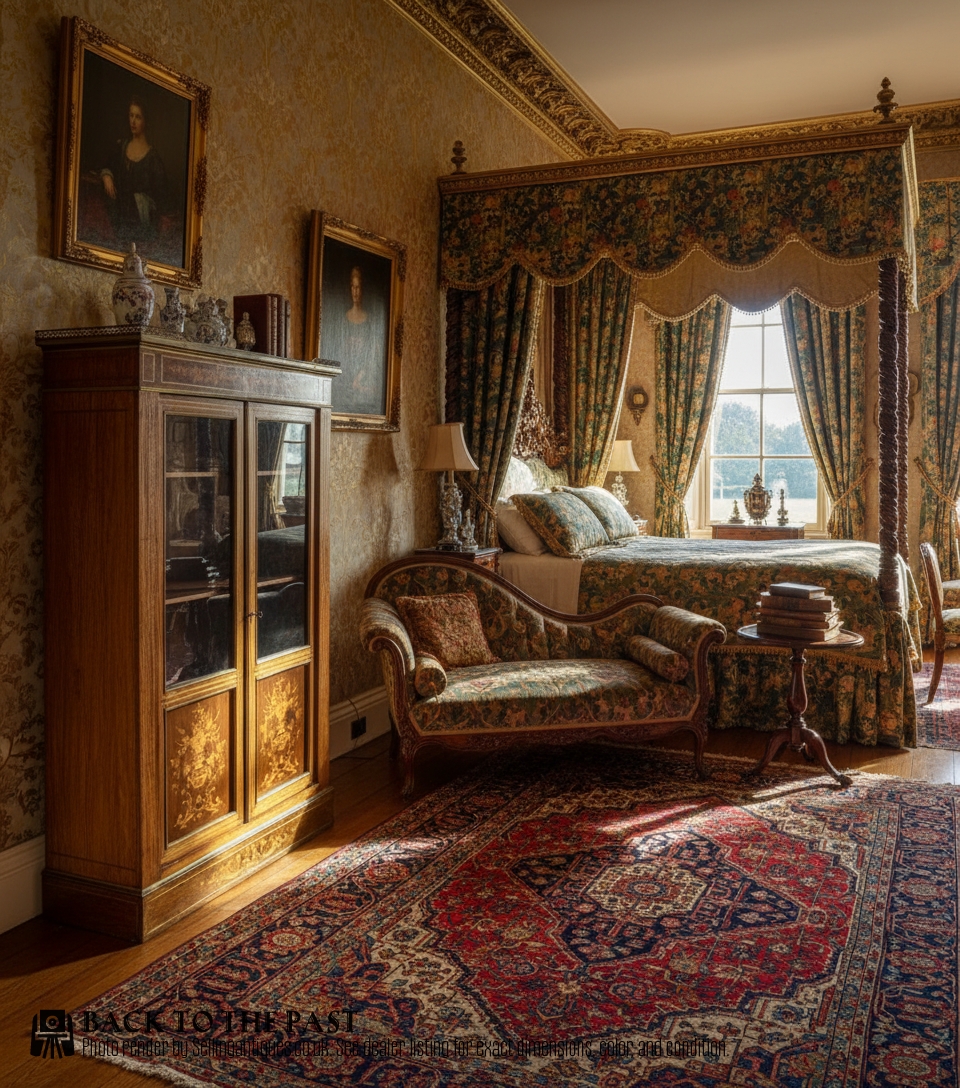
What a nineteenth century vitrine is
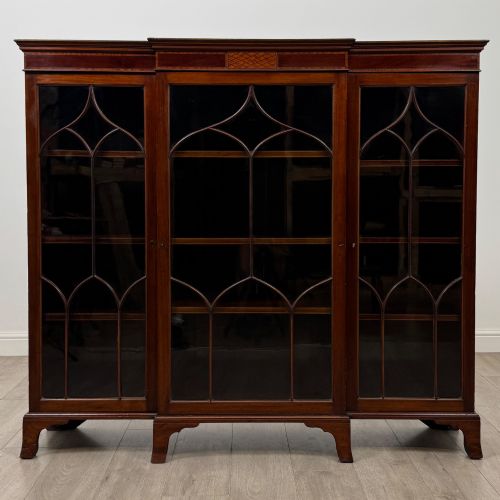
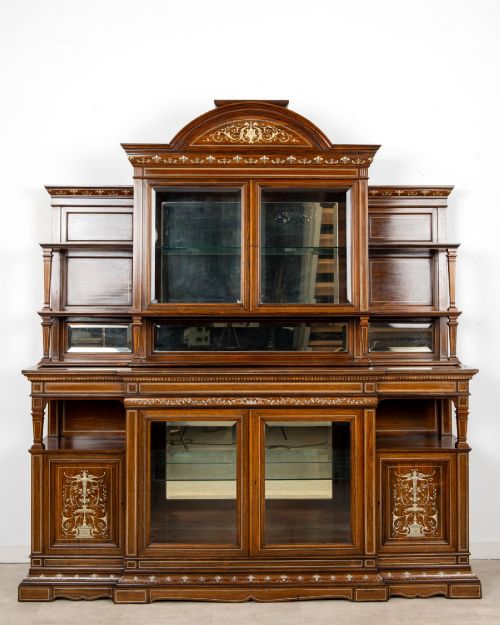
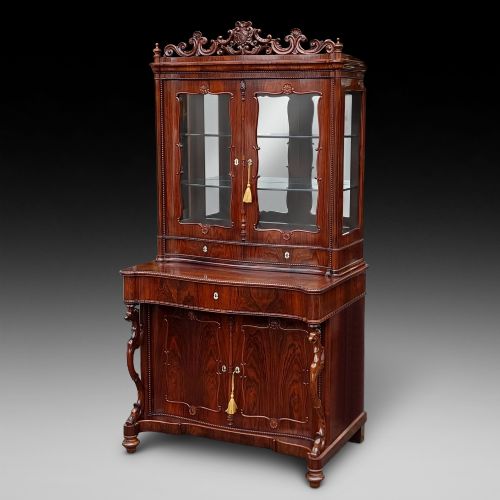
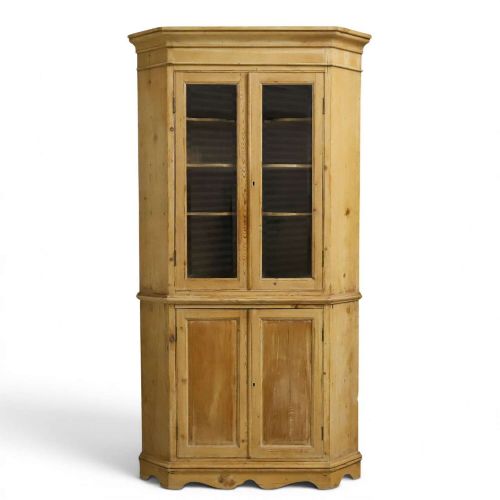
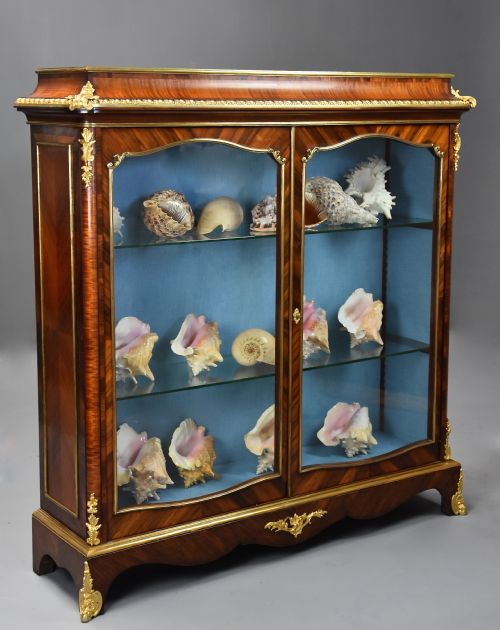
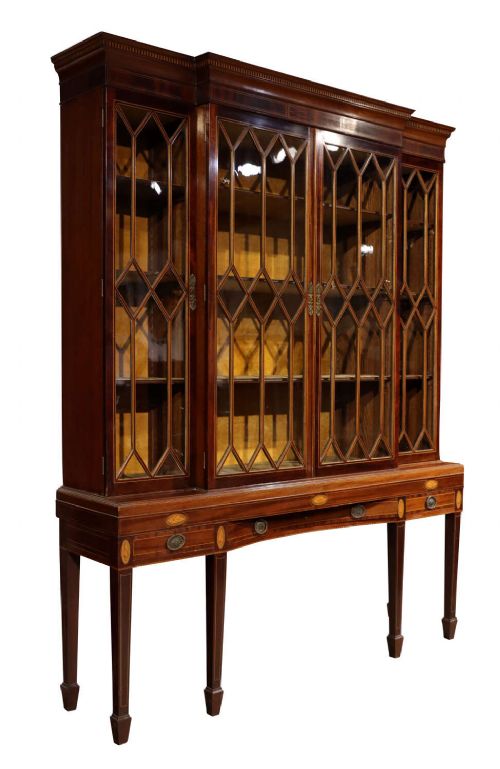
When you search for a nineteenth century vitrine, you are looking at sophisticated display cabinets designed to showcase precious objects and porcelain. The pieces available on this page encompass various forms including display cabinets on stands, breakfront cabinets, and paired vitrines originating from the Victorian era and the 1860s through the 1880s.
You are most likely to meet French and English interpretations reflecting revival styles such as Louis XV, Sheraton, and French Rococo. These cabinets utilise glass panels prominently to allow light to flood the interior shelving while protecting delicate items from dust.
The objects span multiple decades of the nineteenth century, showing a clear preference for continental cabinet-making techniques and British walnut or mahogany framing. Each piece serves primarily as a formal stage for ornamental treasures within a drawing room or parlour.
How they were made
Cabinet-makers constructed the carcases using foundational timbers such as mahogany, walnut, and kingwood, often enhanced by satinwood inlay and marquetry decoration. Surfaces received meticulous polishing to highlight the natural grain and colour of these select woods.
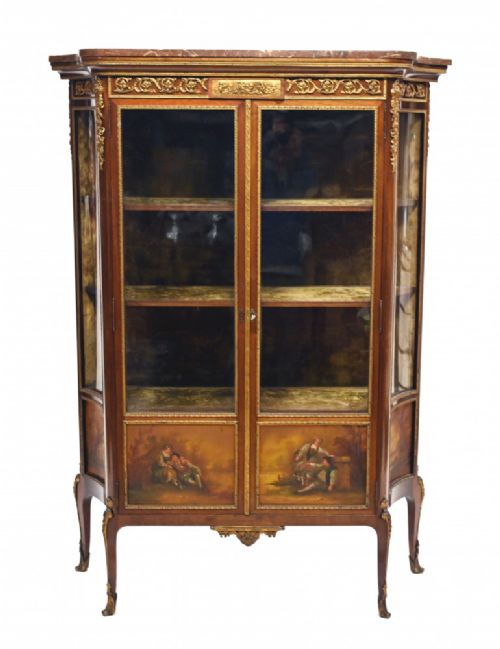
Decorative mounts cast in ormolu and brass accent the structural lines, while specialised painters applied Vernis Martin techniques to panels depicting pastoral scenes. Glass was meticulously fitted into glazed doors and side panels to secure the viewing area.
Retail Price Guide 2026
Typical UK retail prices for nineteenth century vitrine, calculated from the Sellingantiques database of over a million retail prices indexed since 2003. This retail price guide relies exclusively on Sellingantiques data; no external sources or auction records are used, so the figures do not describe the wider market.
Vernis Martin panels on these cabinets let you own a portable landscape painting that also guards your teacups.
What varies in quality
The distinction between standard production and the top of the range lies in the depth and precision of the decorative arts applied. Finely chased ormolu mounts, intricate marquetry patterns, and the inclusion of painted Vernis Martin panels elevate a piece far above simpler, plain-timbered counterparts.
Material selection dictates the overall presence, with richly figured kingwood and carefully matched veneers demonstrating superior workshop standards. The integration of curved glass and harmonious proportions further separates exceptional cabinets from more utilitarian examples.
G. Durand
The Nineteenth Century Vitrine Glossary
- Vitrine
- A glass-fronted display cabinet designed specifically for showing porcelain, curiosities, and small valuables. These pieces rely heavily on glazed panels to maximise visibility.
- Ormolu
- Gilded bronze used for decorative mounts and framing on fine furniture. This technique adds metallic brilliance to cabinet corners and feet.
- Kingwood
- A dense, richly grained exotic timber prized in French cabinet-making. It provides a dark, decorative surface ideal for high-status display furniture.
- Marquetry
- Inlaid wood designs forming decorative patterns across flat surfaces. Craftsmen use contrasting veneers to picture floral motifs or geometric arrangements.
Frequently Asked Questions
What is a nineteenth century vitrine used for?
These cabinets were built to display porcelain, miniatures, and precious ornaments safely behind glass doors. They kept delicate collections dust-free while allowing them to be admired in formal reception rooms.
Today, they serve the exact same purpose in contemporary interiors. Collectors use them to exhibit ceramics, glassware, and small antiques with maximum visibility.
How do I identify French Revival styles?
French revival pieces often feature sweeping curves, ormolu mounts, and painted Vernis Martin panels inspired by earlier royal courts. Makers adopted these decorative motifs during the nineteenth century to appeal to wealthy buyers.
Look for symmetrical or asymmetrical floral marquetry, kingwood veneers, and cabriole legs. These design markers separate continental revival work from standard British cabinet-making.
Where should I place a display cabinet?
Position your cabinet away from direct sunlight to protect interior items and sensitive wood finishes from fading. A well-lit corner or a prominent wall in a living space works best.
Ensure the floor is level so the glazed doors hang correctly and close securely. Placing the piece where natural light catches the glass enhances the displayed collection.
What distinguishes Victorian marquetry?
Victorian marquetry involves cutting contrasting wood veneers to create detailed floral or geometric patterns across the cabinet surfaces. This decorative technique requires immense skill from the woodworker.
On quality pieces, the grain flows naturally into the design without gaps or filler. The precision of the inlay indicates the workshop standard.
How do I care for kingwood furniture?
Dust your cabinet regularly with a soft, dry cloth to prevent grit from scratching the polished surface. Avoid using modern silicone sprays or harsh chemical cleaners.
Maintain a stable room temperature and humidity level to keep the timber and veneers from warping or cracking. Wax polish applied sparingly once or twice a year preserves the sheen.