


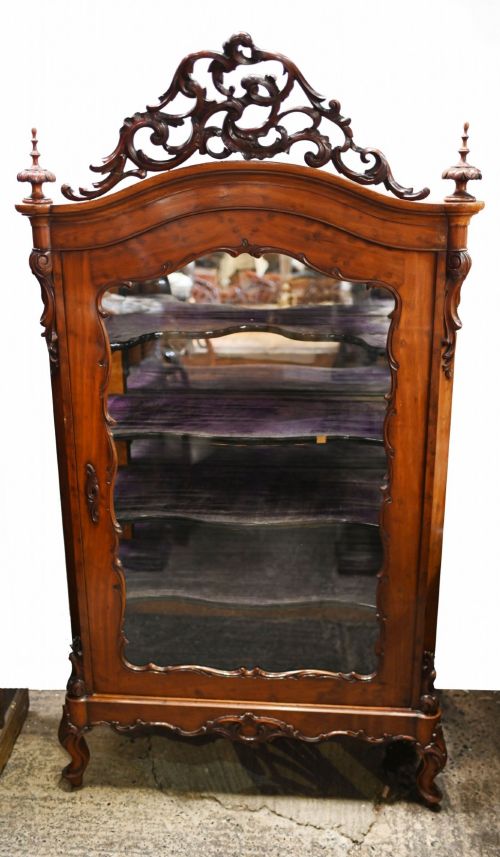
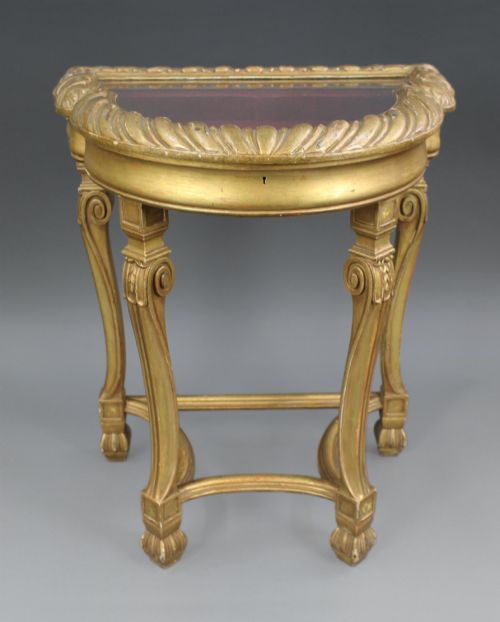
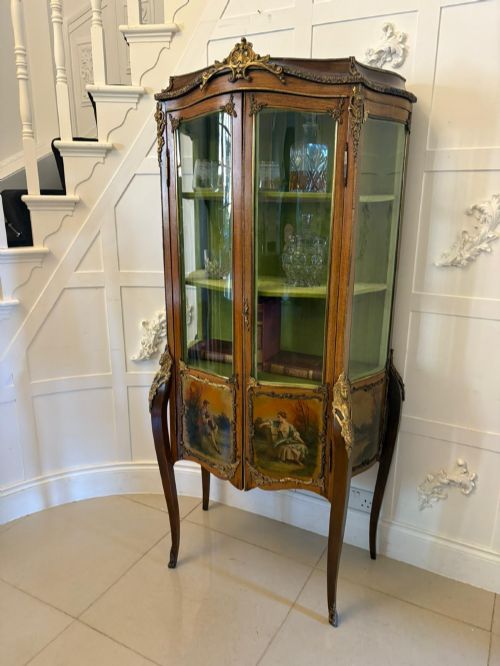
Curio Display Cabinet
A curio display cabinet gathers small treasures behind glass, offering a clear view of porcelain, medals and keepsakes.
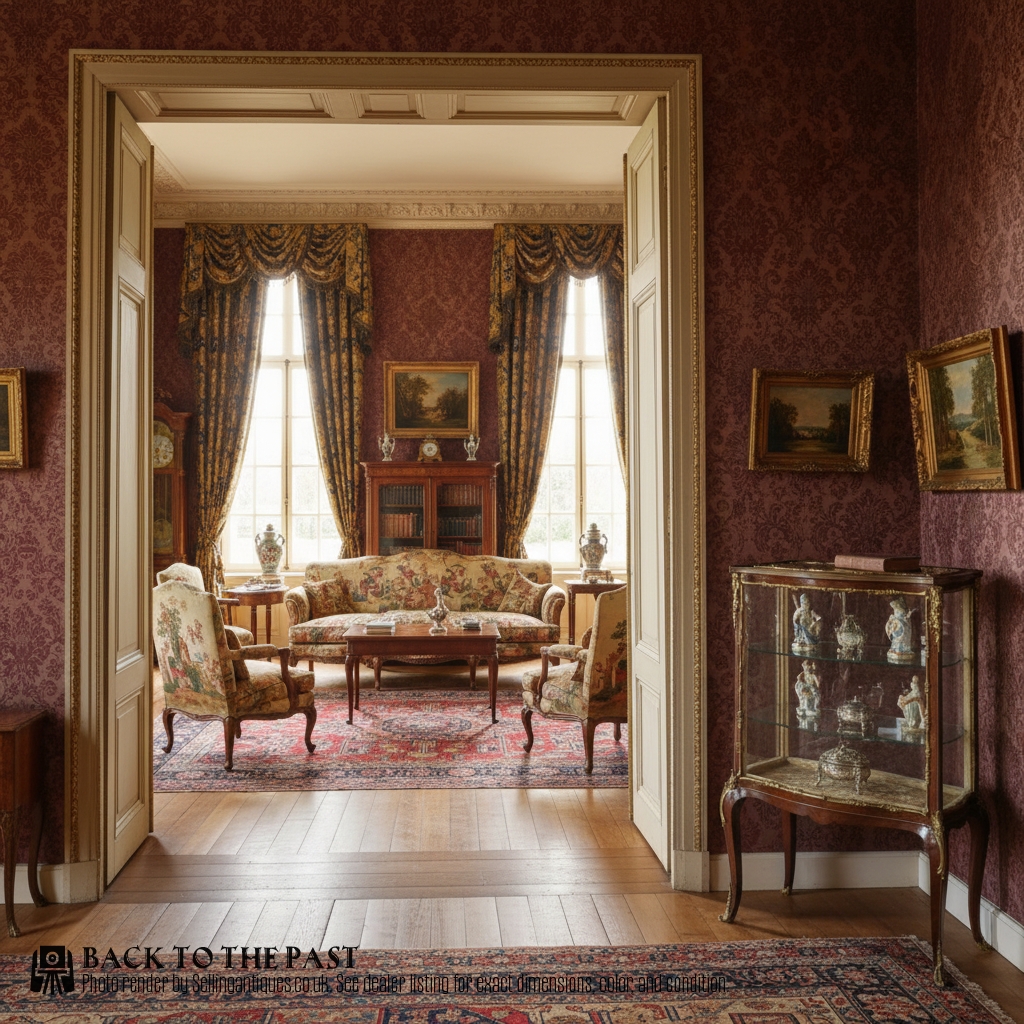
Curio Display Cabinet
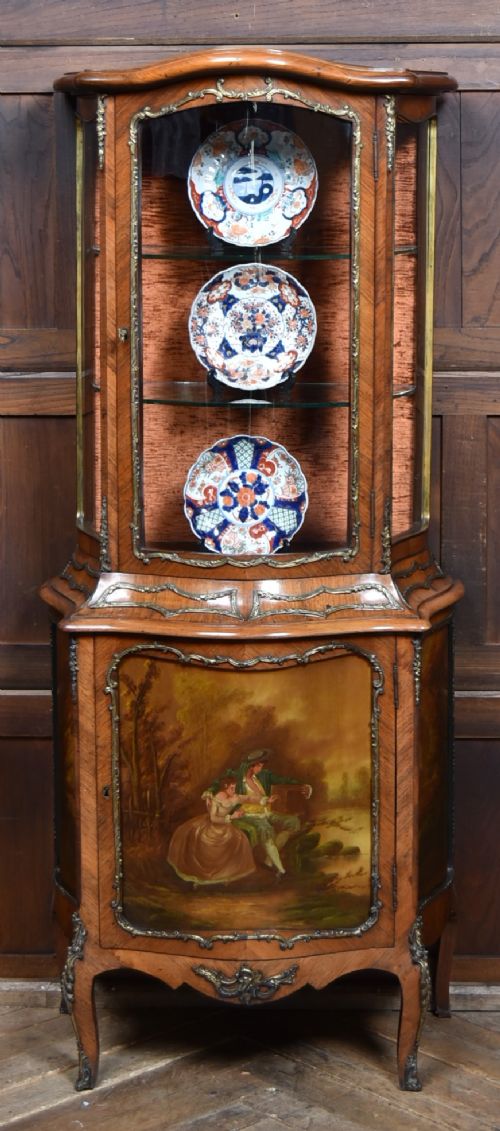
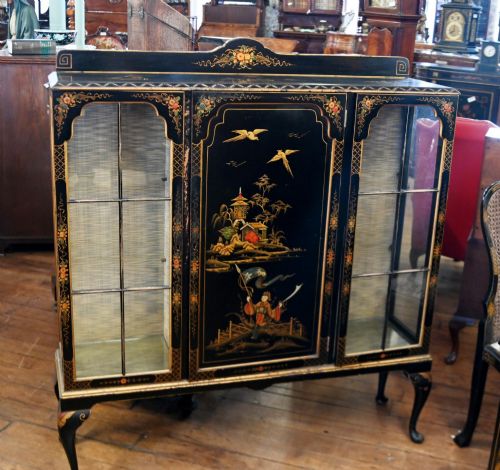
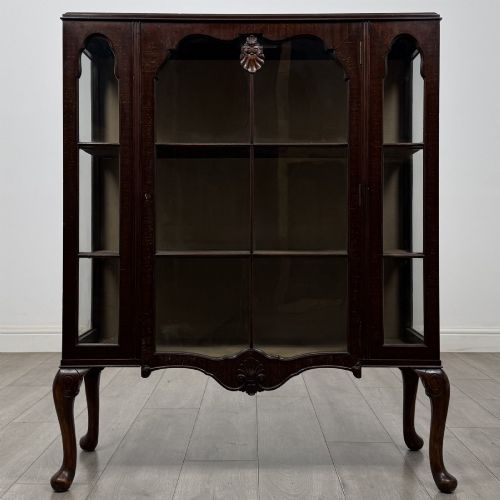
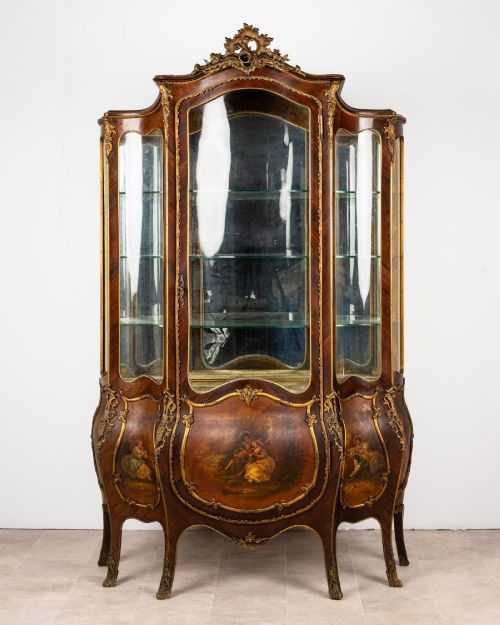
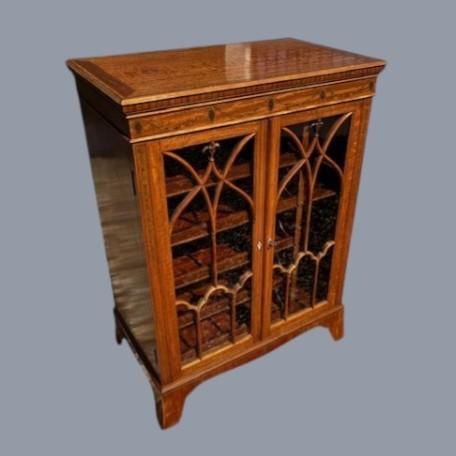
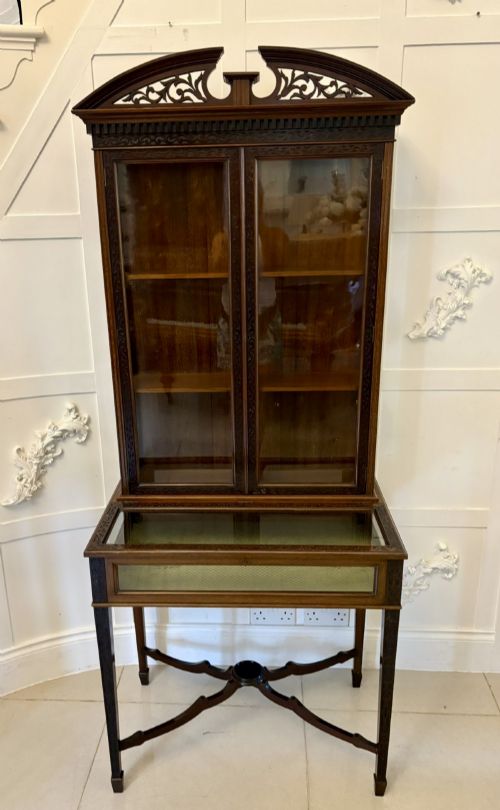
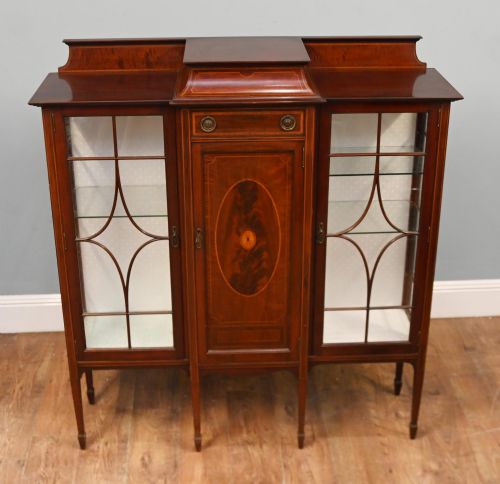
A curio display cabinet protects small collections while keeping them entirely visible to the room. The selection spans the eighteenth, nineteenth and twentieth centuries, with Edwardian mahogany pieces appearing most often alongside French revival vitrines.
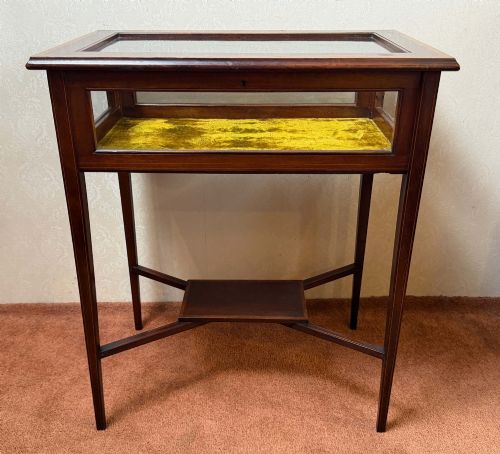
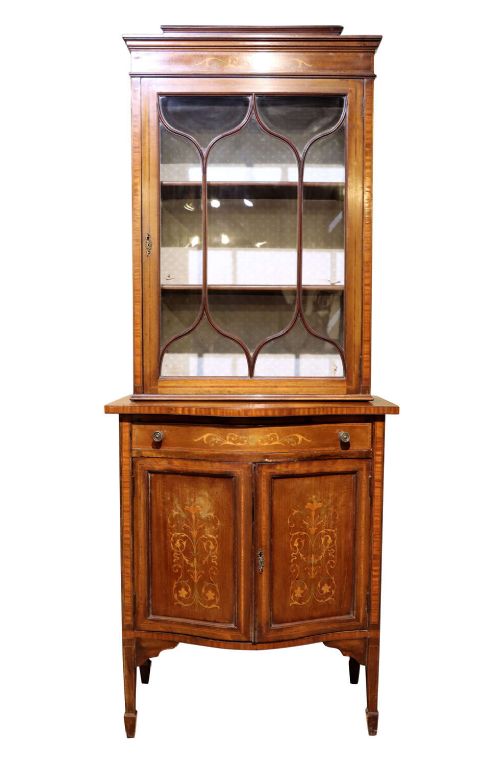
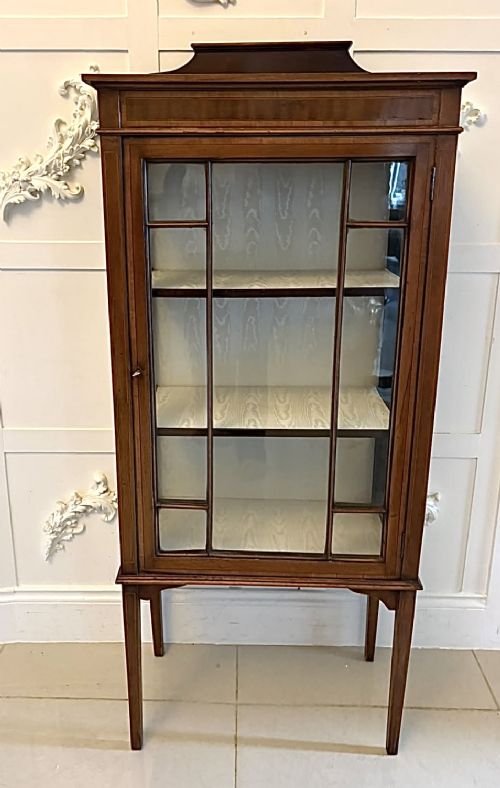
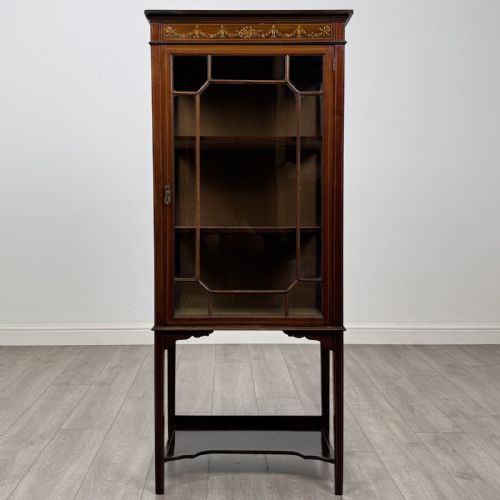
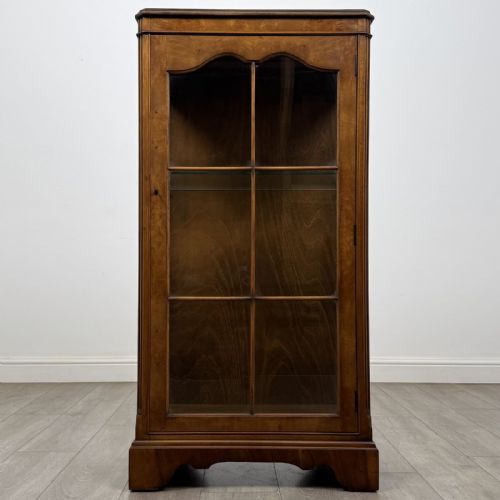
Forms range from tall upright standing cabinets and wall-mounted units to low bijouterie tables with glazed tops designed for tabletop inspection. Many incorporate inlaid woodwork, curved glass doors and velvet-lined interiors to frame the objects placed inside.
Materials and construction
Makers built the structural carcases primarily in mahogany or walnut, frequently adding satinwood marquetry, brass stringing or hand-painted Vernis Martin panels. Glazing relies on fitted glass panes secured within wooden framing or curved doors.
Ormolu and gilt-bronze mounts decorate the corners and feet of French-influenced vitrines, while marble tops appear on select console and cabinet forms. Interior surfaces often retain original fabric linings such as velvet or silk.
Curio Display Cabinet Retail Price Guide 2026
Typical asking prices for curio display cabinet among the pieces listed under this phrase on Sellingantiques today, from the lower quarter to the upper quarter. They describe what is for sale here now, not the wider market.
Judgement of quality
Differentiation across the range depends on the crispness of the marquetry inlay, the weight of the bronze or ormolu mounts and the smoothness of the timber selection. Cabinets bearing maker signatures or specific design attributions show finer hand-finishing in the carving and joinery.
Proportions and glass selection also dictate grade, with curved or serpentine glass plates representing higher difficulty in period manufacturing than flat panes.
H. J. Hatfield & Sons·Edwards & Roberts·Shapland and Petter
The Curio Display Cabinet Glossary
- Vitrine
- A glass-fronted cabinet designed specifically for the display of fine porcelain and curiosities.
- Bijouterie table
- A glass-topped display table, often with a hinged lid, used for jewellery and small collectables.
- Vernis Martin
- A type of decorative lacquer finish developed in France, mimicking Asian lacquer work.
- Ormolu
- Gilt-bronze decorative mounts applied to furniture, popular in French and revival pieces.
- Marquetry
- Decorative woodwork where pieces of various coloured veneers form pictorial or geometric patterns.
Curio Display Cabinet: Frequently Asked Questions
What is the difference between a vitrine and a curio cabinet?
A vitrine typically refers to a glass-fronted French style cabinet meant for porcelain and ornaments. A curio cabinet covers a broader range of formats including wall units and tabletop cases.
Both serve the same primary function of showcasing small collections while protecting them from dust.
How do I use a bijouterie table?
Bijouterie tables feature glazed tops and hinged lids that allow you to view jewellery and medals from above. They work well in drawing rooms as standalone pieces.
Items are placed directly on the fabric-lined interior tray for easy inspection.
How do I date an Edwardian display cabinet?
Edwardian pieces generally date from 1901 to 1910 and often feature light mahogany with satinwood inlay and Sheraton revival motifs. Construction methods from this era show machine-sawn timber combined with hand-finishing.
Labels or stamps from retailers can sometimes confirm the exact decade of manufacture.
Where should I place a wall cabinet?
Wall-mounted display cabinets suit smaller rooms where floor space is limited. They hang securely at eye level to highlight miniature ceramics or glassware.
Ensure the wall fixings match the weight of the solid timber carcase before loading the shelves.