


French Glass Cabinet
A French glass cabinet brings nineteenth-century elegance and exceptional display to a room, showcasing fine objects through curved and bevelled panes.
What these pieces are
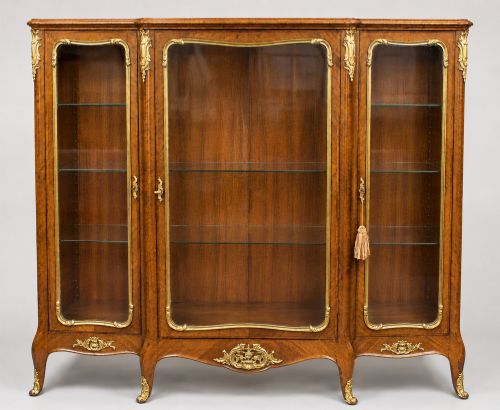
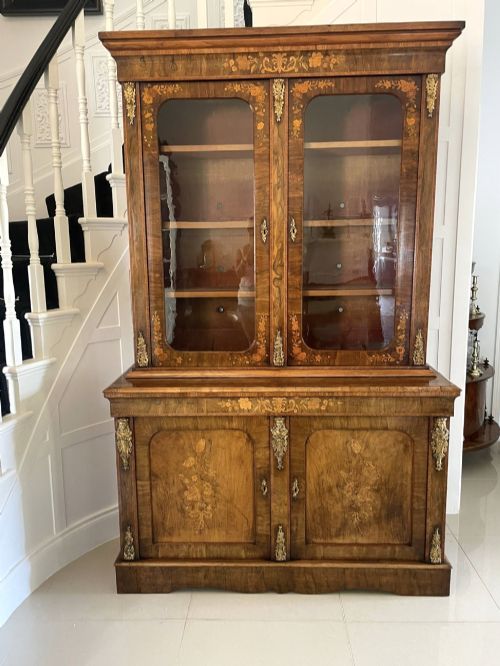
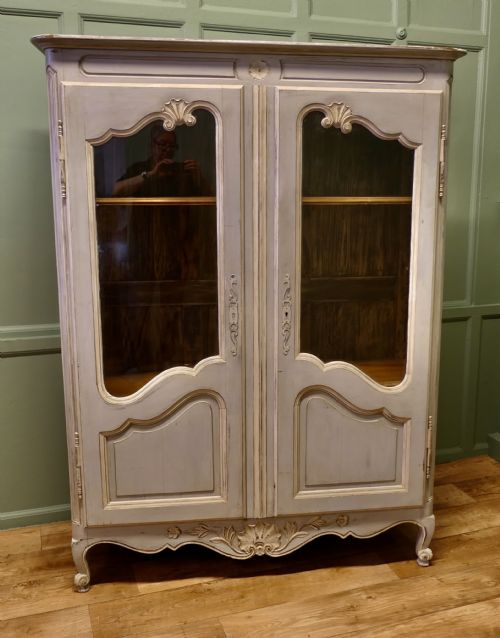
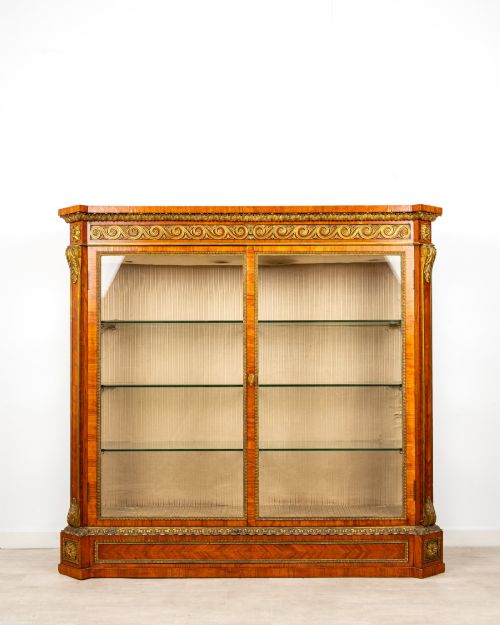
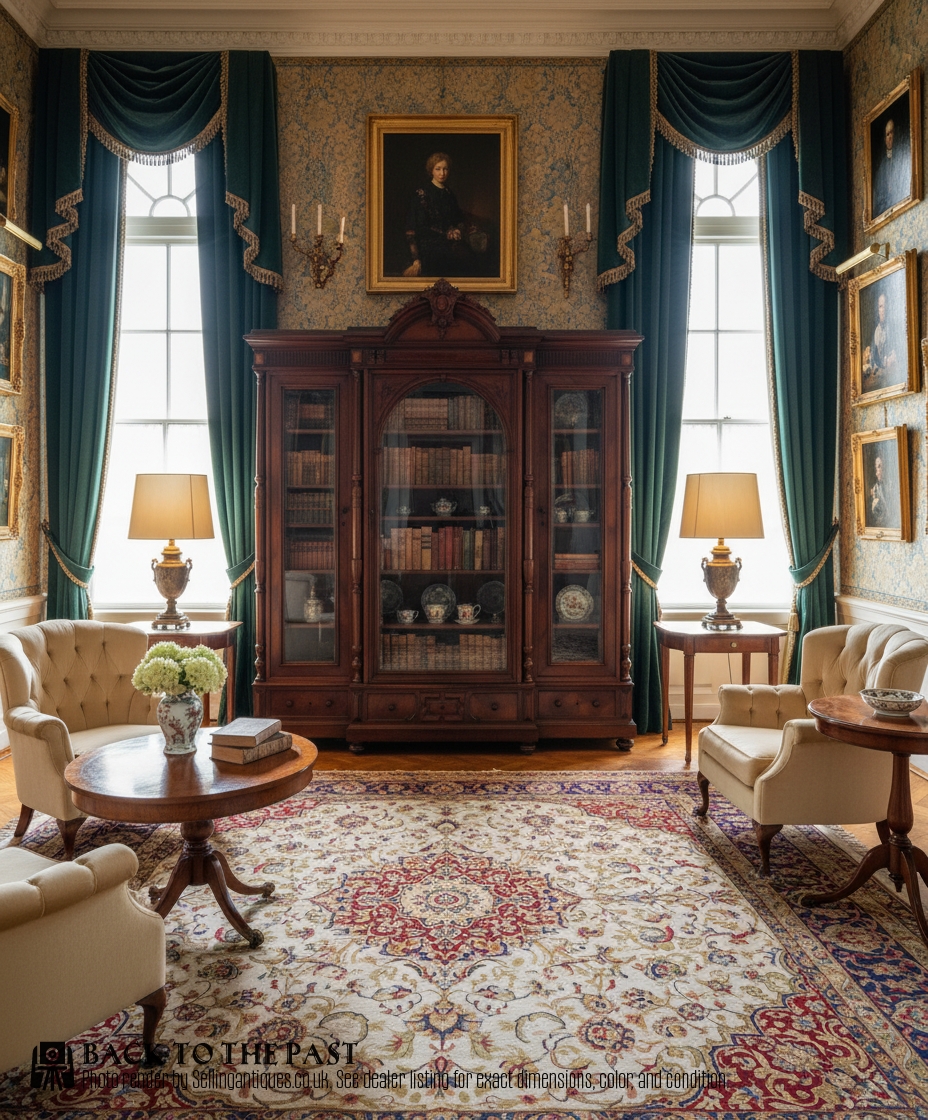
When you search for a french glass cabinet, you are looking at nineteenth-century vitrines, display cabinets, and bookcases designed to showcase porcelain, books, and curiosities. These pieces originate from France and often draw upon historic royal aesthetics.
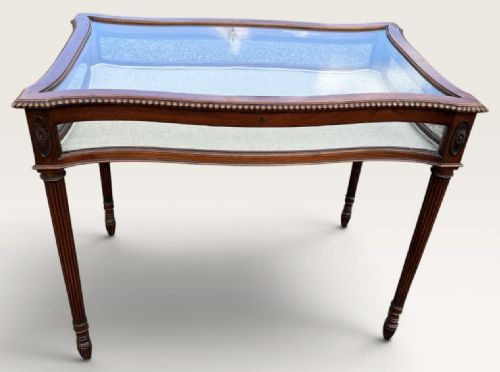
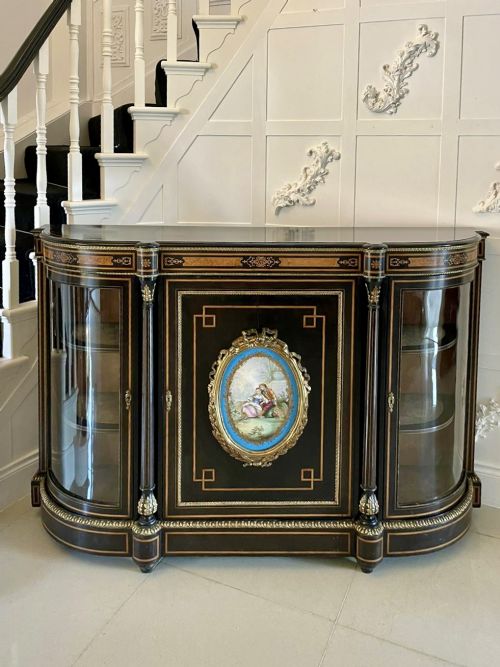
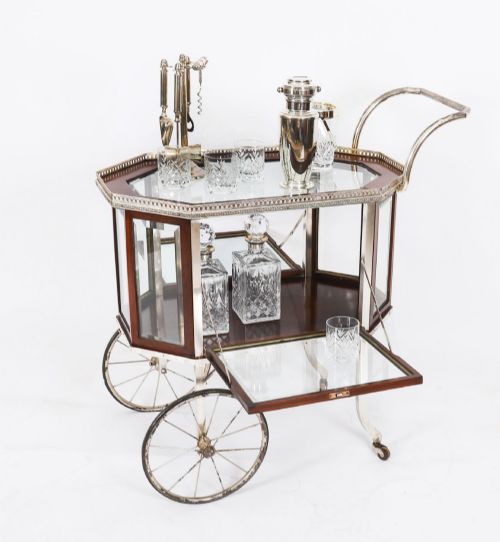
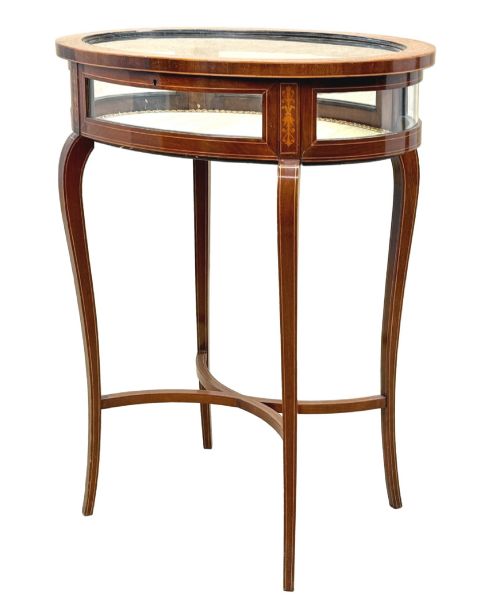
The versions you are most likely to meet on this page span the nineteenth century, including specific dates such as 1870 and 1890. They take the form of freestanding display cabinets and vitrines that utilise glass doors alongside fitted shelves.
How they were made
Cabinetmakers constructed the foundational carcasses of these pieces using hardwoods such as mahogany, walnut, and kingwood. They often applied intricate parquetry patterns to the timber surfaces for decorative depth.
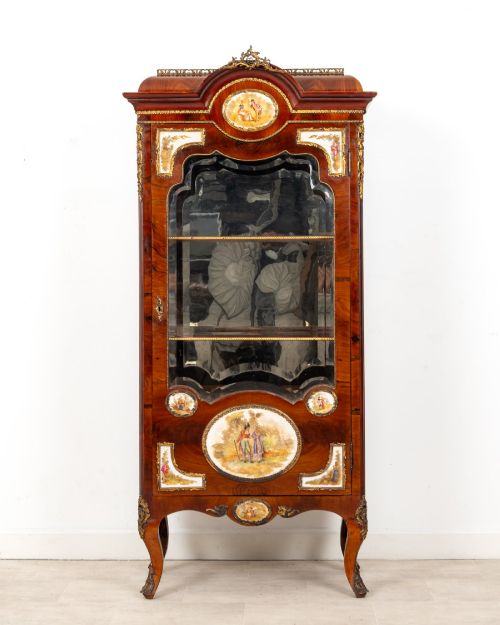
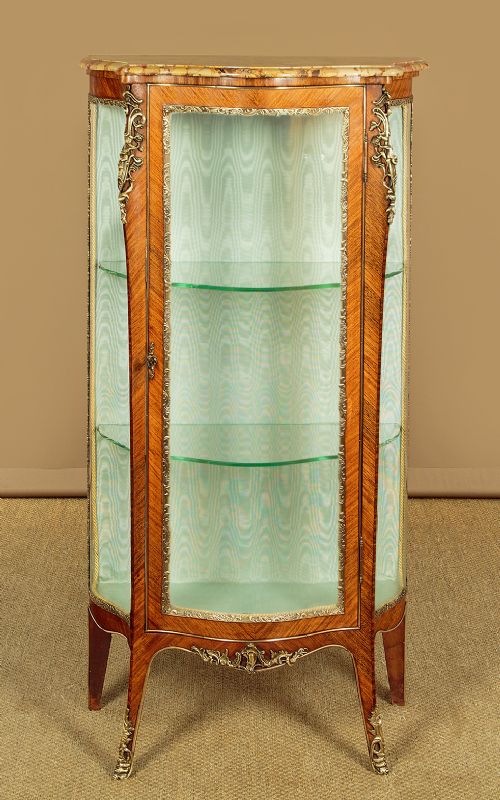
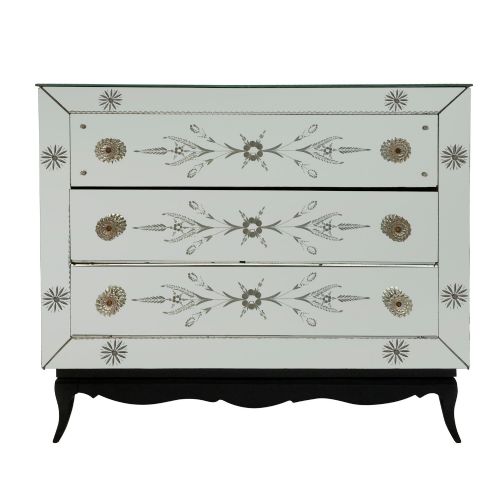
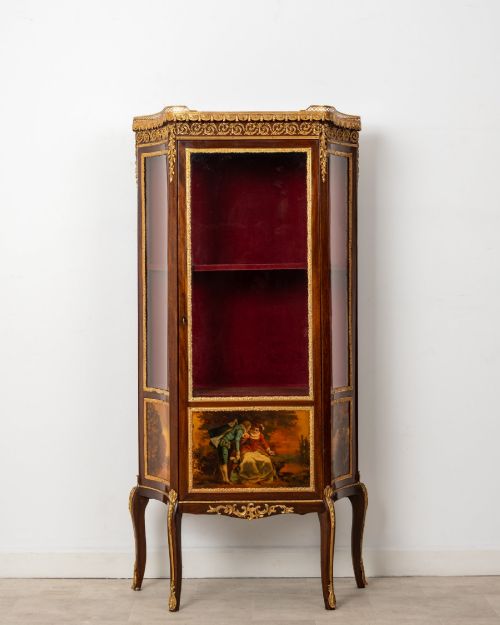
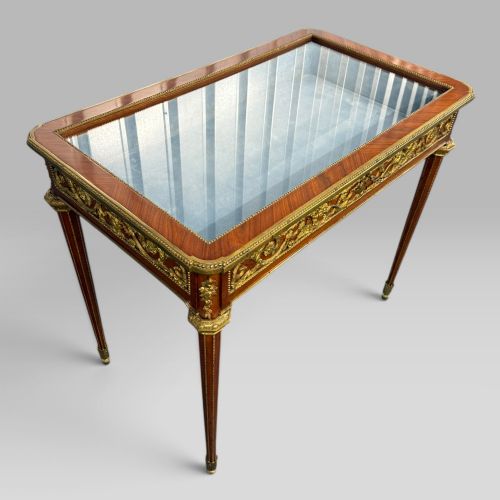
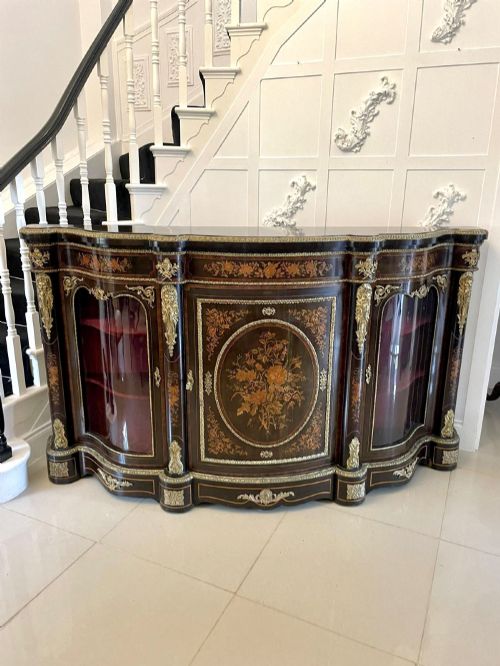
Craftsmen enriched the designs with cast ormolu mounts, marble tops, and mirrored backs to catch and reflect light. Painted Vernis Martin panels also appear, bringing pictorial charm to the cabinet fronts.
Glazing involved fitting clear glass, curved glass, or bevelled glass panes into doors designed to protect the interior contents while offering a clear view from multiple angles.
Retail Price Guide 2026
Typical UK retail prices for french glass cabinet, calculated from the Sellingantiques database of over a million retail prices indexed since 2003. This retail price guide relies exclusively on Sellingantiques data; no external sources or auction records are used, so the figures do not describe the wider market.
Some cabinets hide your modest porcelain behind enough gilt bronze to blind an eighteenth-century tax collector.
What varies in quality
The distinction between standard production and the top of the range rests on the ambition of the design and the precision of the joinery. Master cabinetmakers executed parquetry with exact symmetry, while lesser pieces relied on simpler veneering.
Ormolu mounts provide a clear indicator of craftsmanship, as heavy, finely chased bronze mounts demonstrate superior artistry compared to thin or softly cast metal alternatives. The presence of signed maker plaques or attribution to notable workshops further elevates a piece.
Material selection also dictates overall quality, particularly the choice of figured kingwood, thick marble slabs, and flawless curved glass panes. The integration of hand-painted Vernis Martin panels requires genuine artistic skill to achieve distinction.
François Linke·Paul Sormani·Maison Krieger
The French Glass Cabinet Glossary
- Ormolu
- Gilded bronze mounts applied to furniture for decoration. This technique was widely utilised by nineteenth-century French cabinetmakers to accent corners, friezes, and feet.
- Vitrine
- A glass-fronted display cabinet intended for curiosities and fine porcelain. These pieces rely on extensive glazing to maximise interior visibility.
- Vernis Martin
- A simulated Japanese lacquer technique developed in France, featuring painted scenes under a clear varnish. It adds pictorial panels to cabinet doors.
- Parquetry
- Geometric woodwork formed by fitting small pieces of veneer together on a surface. It creates decorative patterns across the timber body of a cabinet.
- Bevelled glass
- Glass panes with edges ground and polished at an angle. This treatment catches the light and frames the contents of the display case.
Frequently Asked Questions
What is a French vitrine?
A French vitrine is a nineteenth-century glass-fronted display cabinet designed to showcase fine objects and porcelain.
These pieces typically feature timber frames, glazed doors, and decorative mounts made of ormolu.
How do I date a nineteenth-century cabinet?
Dating relies on stylistic clues, construction methods, and recorded dates within the nineteenth century, such as 1870 or 1890.
Revival styles like Louis XV and Louis XVI also offer strong chronological markers for when the piece was built.
What woods were used?
Cabinetmakers utilised kingwood, mahogany, and walnut as primary timbers for these display pieces.
They often combined these woods with parquetry veneers and contrasting ormolu mounts.
Where do these cabinets originate?
These pieces originate from France, reflecting Parisian workshop traditions and major revivalist design movements.
Many bear the influence of royal French court aesthetics from earlier centuries.