

Victorian Glazed Vitrine
A victorian glazed vitrine brings together fine timber frames and clear glass panels to showcase treasured collections inside the home.
Victorian Glazed Vitrine
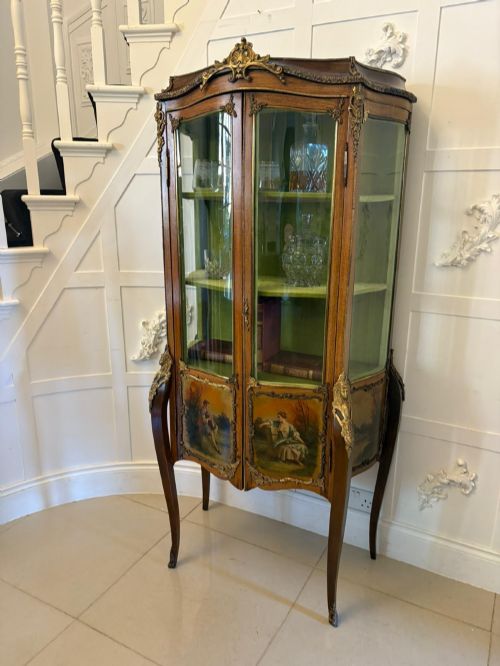
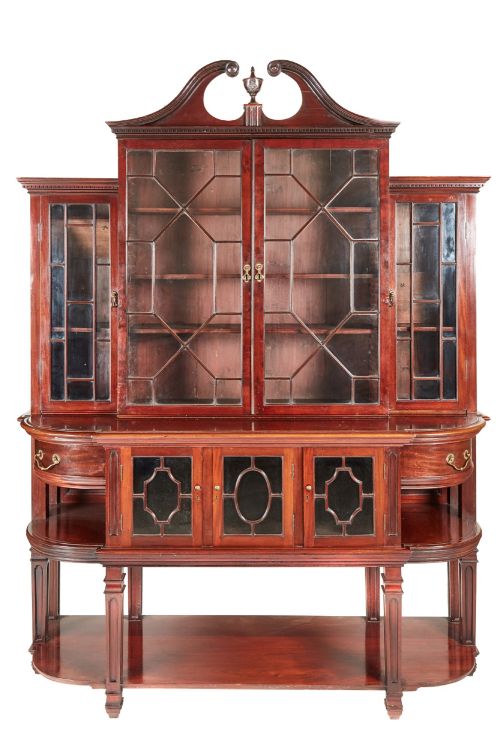
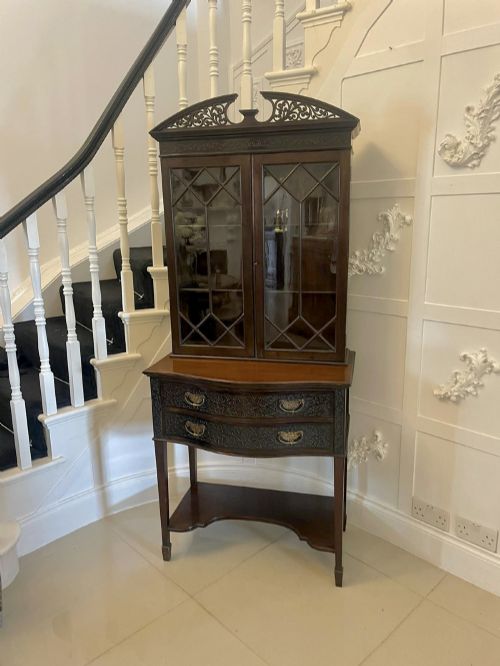
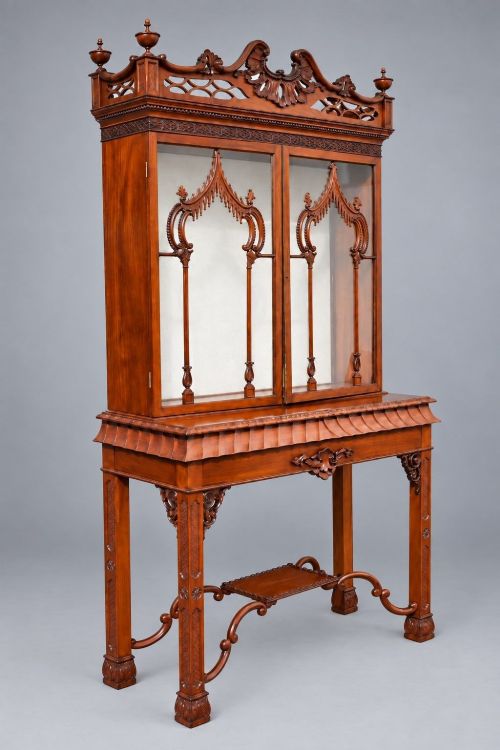
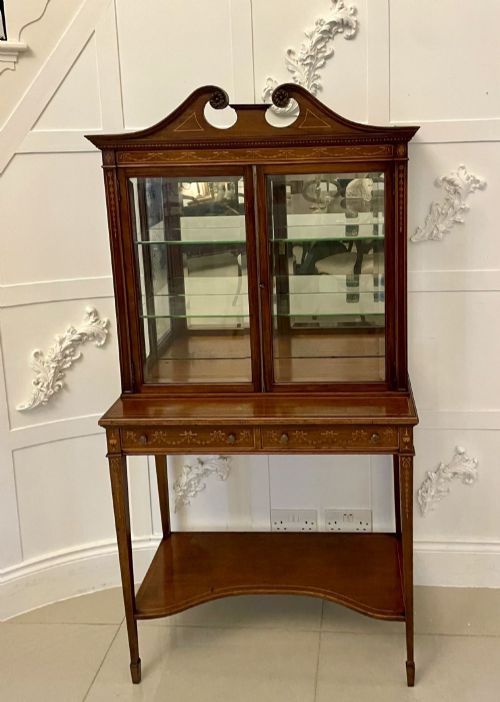
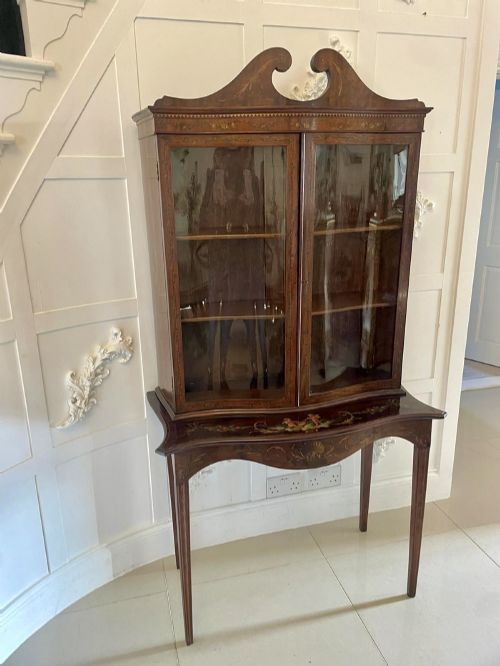
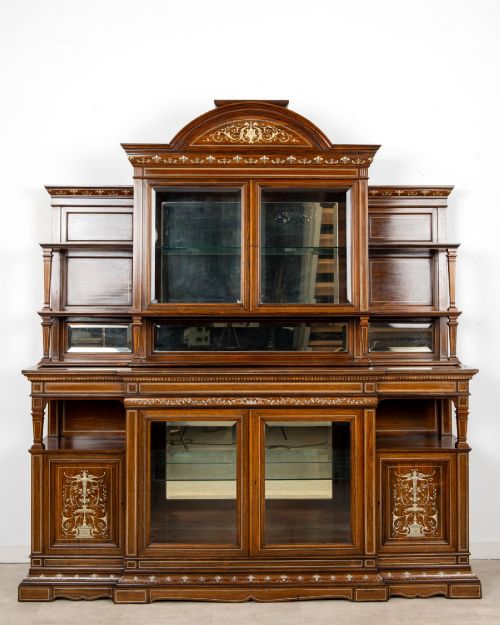
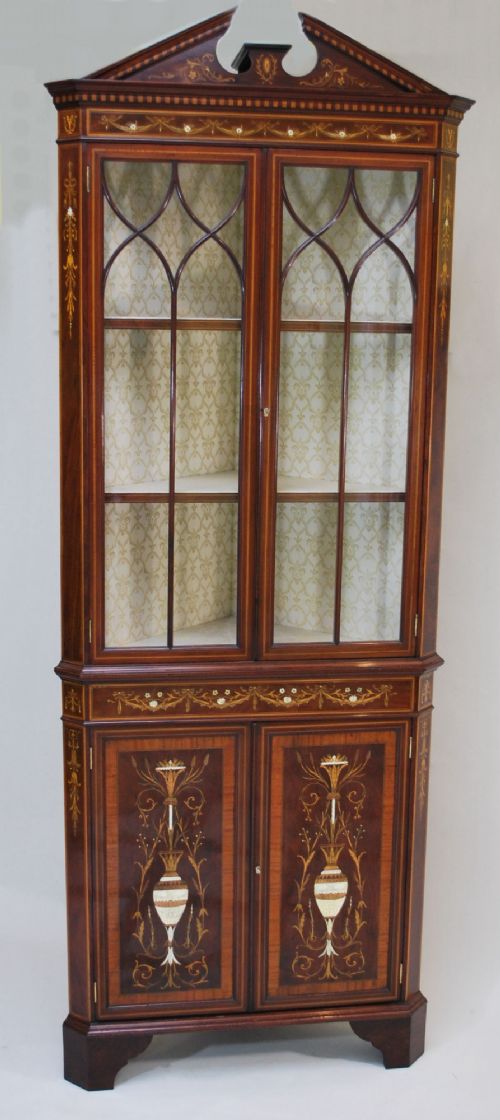
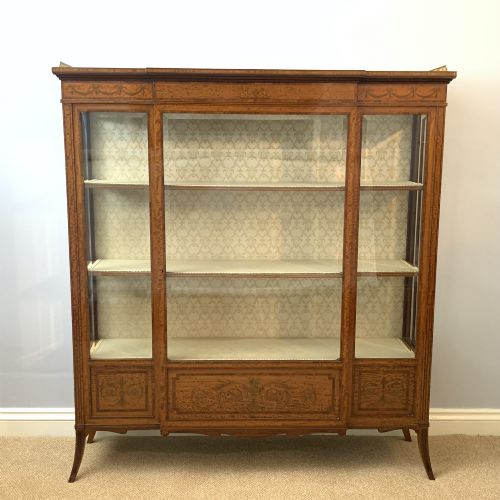
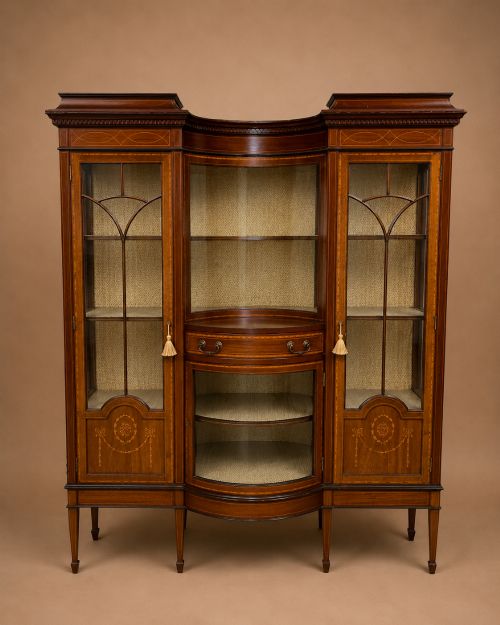
A victorian glazed vitrine is a cabinet designed specifically to display porcelain, silver, and curiosities behind protective glass doors. Buyers searching this phrase look for timber display furniture originating primarily from the nineteenth century, including periods such as the eighteen-eighties and eighteen-nineties.
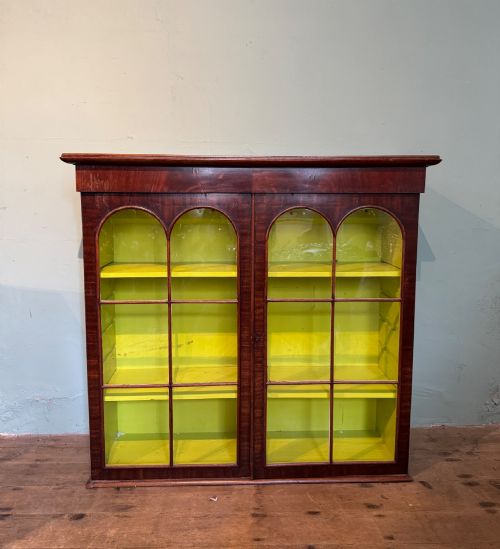
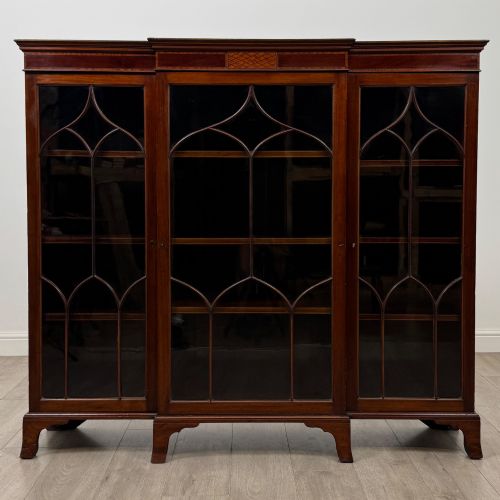
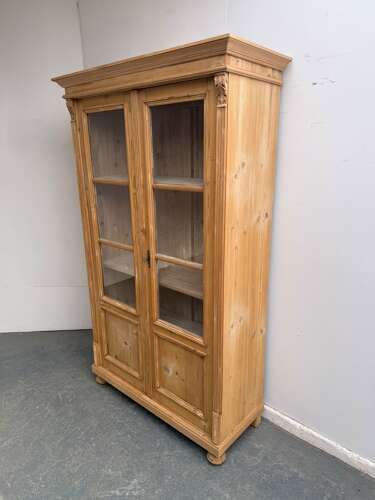
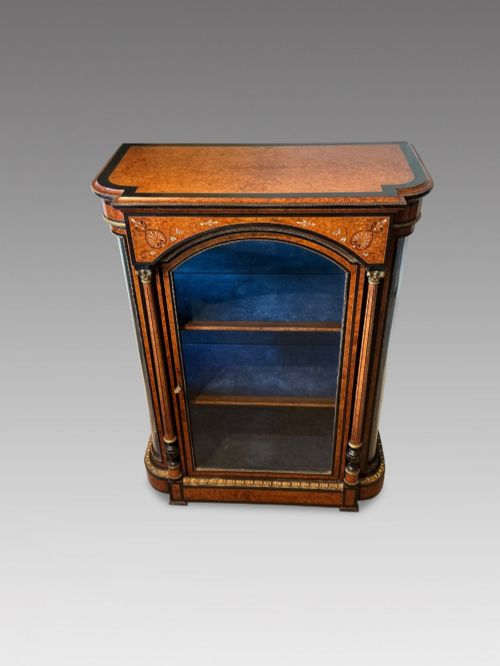
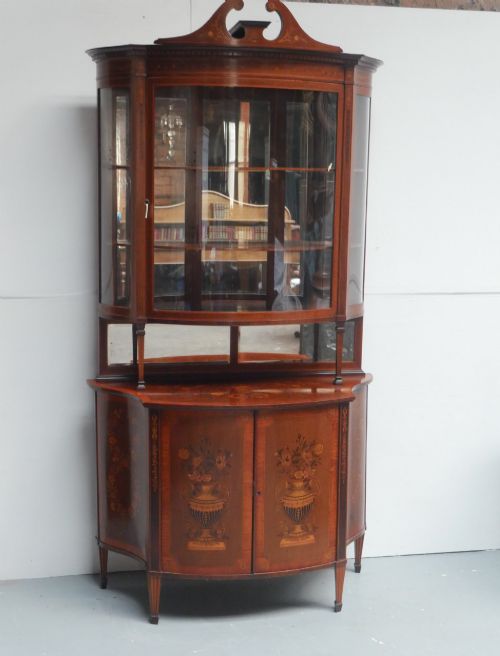
The versions most commonly met on this page are upright mahogany display cabinets and corner cabinets, often finished with delicate inlay work. Other forms include satinwood bijouterie tables, breakfront bookcases, and pine cupboards fitted with glass panels.
Makers and workshops of the era drew on various historical aesthetics, producing pieces styled in the French Louis XV manner, Chinese Chippendale taste, or Sheraton Revival tradition. These cabinets range from slender pier cabinets designed for tight spaces to monumental breakfront furniture.
Materials and construction methods
Cabinet makers utilised dense hardwoods such as mahogany, walnut, and rosewood, frequently pairing them with lighter decorative timbers like satinwood for contrasting stringing and marquetry panels. Pine served as the structural foundation for painted or waxed utility cabinets, while glass provided the transparent enclosure.
Ormolu mounts, brass fittings, and delicate fabric linings appeared in finer examples to enhance the interior presentation of displayed items. Joinery relied on traditional framing techniques to support heavy glazed doors and multi-tiered shelving.
Victorian Glazed Vitrine Retail Price Guide 2026
Typical asking prices for victorian glazed vitrine among the pieces listed under this phrase on Sellingantiques today, from the lower quarter to the upper quarter. They describe what is for sale here now, not the wider market.
Factors separating the finest pieces
Quality in these cabinets rests upon the precision of the timber selection and the complexity of the decorative marquetry or hand-carved details. Pieces featuring finely figured grain, intricate brass or ormolu mounts, and original painted decorations stand apart from simpler utility furniture.
The sophistication of the stylistic revival work, such as precise Sheraton or Chippendale motifs executed in satinwood and mahogany, defines the upper tier of the range. Original glass panes and delicate astragal bars further distinguish superior examples.
Jas Shoolbred·Collinson & Lock·Edwards & Roberts
The Victorian Glazed Vitrine Glossary
- Vitrine
- A glass-fronted display cabinet intended for showing ceramics and decorative objects. These pieces often feature glazed sides as well as doors to maximise ambient light.
- Astragal
- A moulding used to hold panes of glass within a sash door. In cabinet making, fine astragal bars create geometric window patterns characteristic of the period.
- Bijouterie
- A low display table or cabinet with a glass top and sides designed for small personal valuables and jewellery. They frequently incorporate velvet or fabric-lined interiors.
- Marquetry
- Decorative veneer work forming pictures or patterns from different coloured woods. Craftsmen cut thin sheets of timber to fit exact puzzle-like recesses.
- Ormolu
- Gilded bronze ornamentation applied to furniture mounts and details. This technique added metallic lustre to high-status nineteenth-century display pieces.
Victorian Glazed Vitrine: Frequently Asked Questions
How do I clean the glass?
Clean the glass panels gently with a mild, ammonia-free glass cleaner applied to a soft cloth rather than directly sprayed onto the surface.
Take care to avoid letting liquid seep into antique wood frames or delicate inlay work surrounding the panes.
Where should I place a vitrine?
Position the cabinet in a room with stable humidity away from direct sunlight, which can fade timber veneers and interior fabric linings over time.
Ensure the floor is level so the heavy glazed doors hang true and latch correctly without straining the antique joinery.
How are different periods told apart?
Early pieces often reflect Georgian revival influences in heavy mahogany, while later nineteenth-century examples embrace satinwood, delicate marquetry, and lighter revival styles.
Cabinet hardware, timber choice, and the presence of factory stamps or maker attribution offer clear clues to exact dating.