


Antique French Display Cabinet
An antique french display cabinet holds precious objects behind glass, bringing nineteenth-century elegance and polished wood into a room.
What They Are
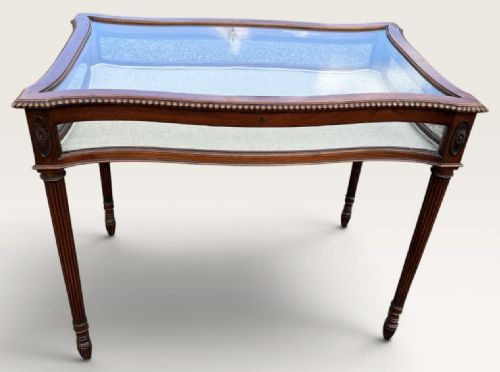
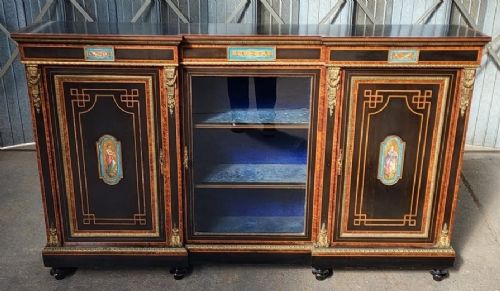
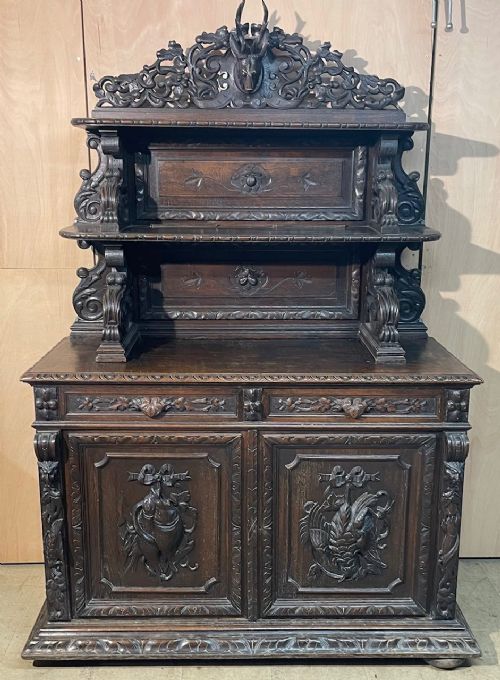
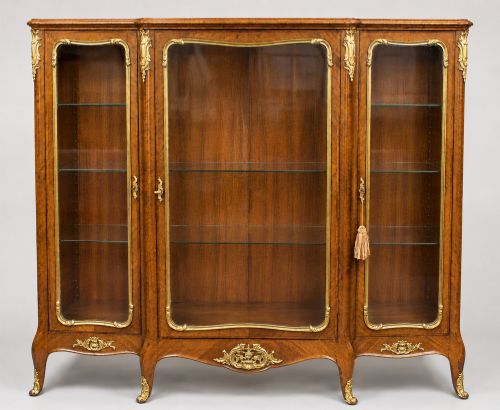
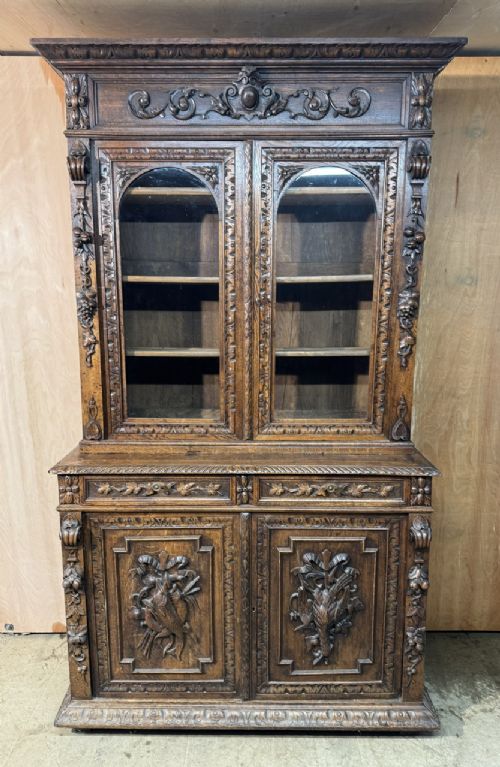
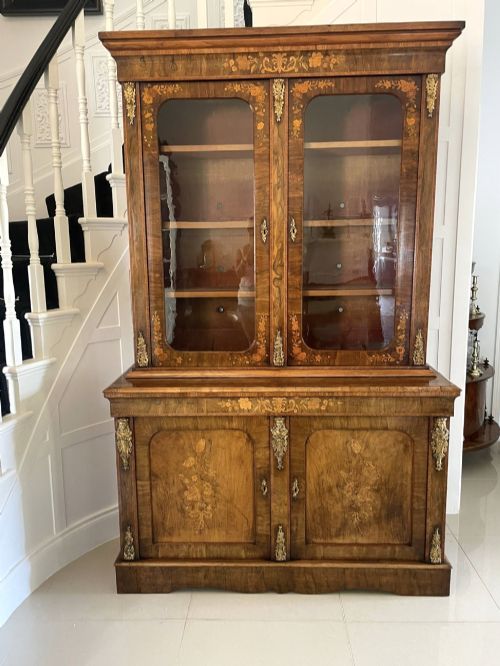
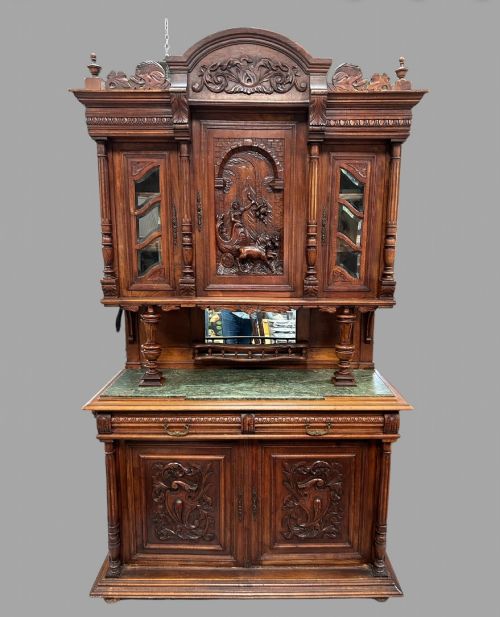
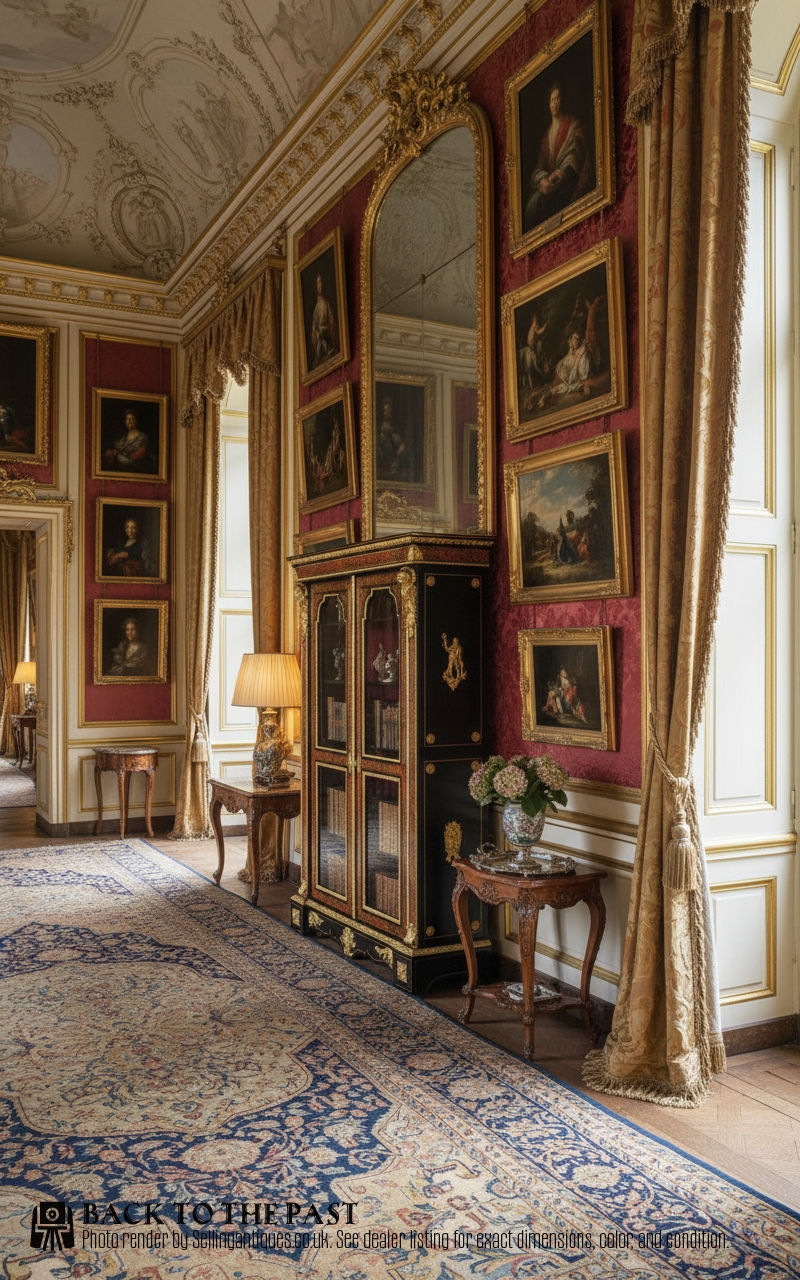
The search for an antique french display cabinet encompasses glazed vitrines, bookcases, and bibliotheques designed to showcase porcelain, books, and small decorative items. These pieces emerge predominantly from the nineteenth century, reflecting periods such as Napoleon III, Louis XVI style, and French Rococo Revival.
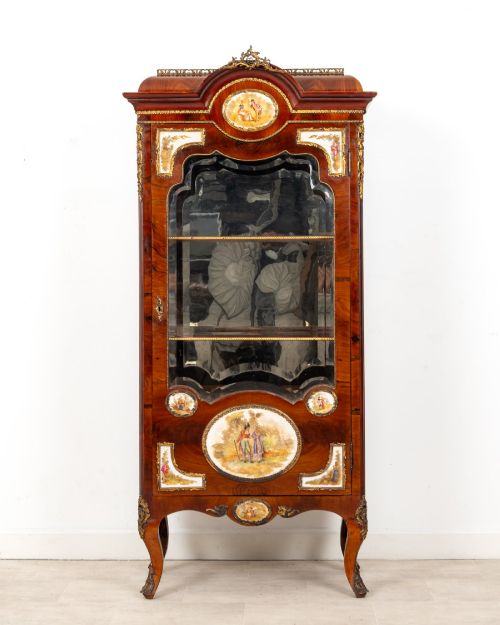
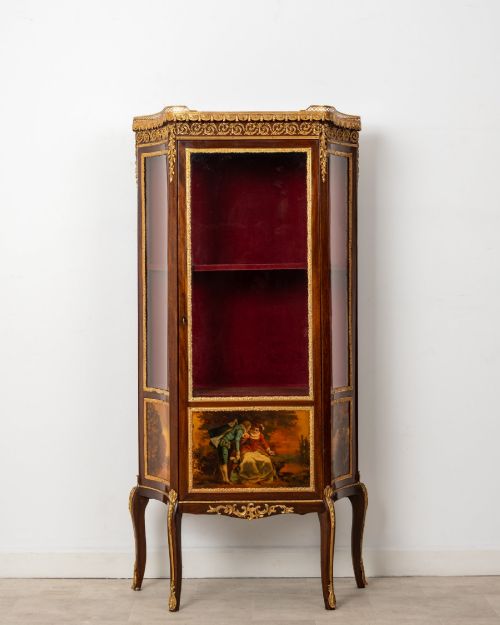
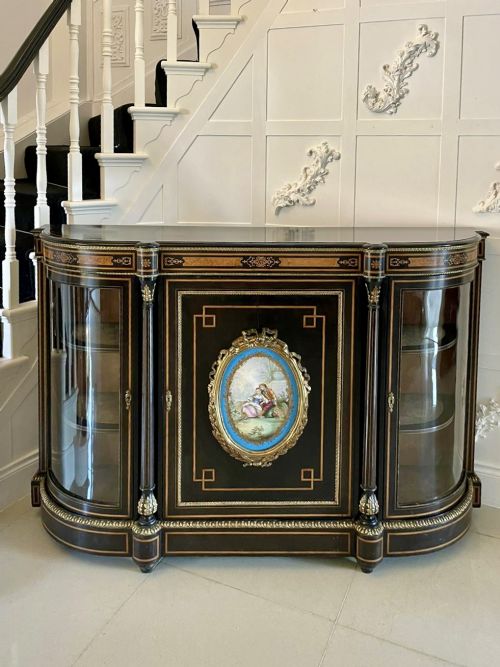
The version most commonly encountered on this page is the Vernis Martin cabinet, often finished in kingwood or ebonised wood with decorative glass panels. Alongside these, buyers find large library bookcases and serpentine forms originating from French workshops.
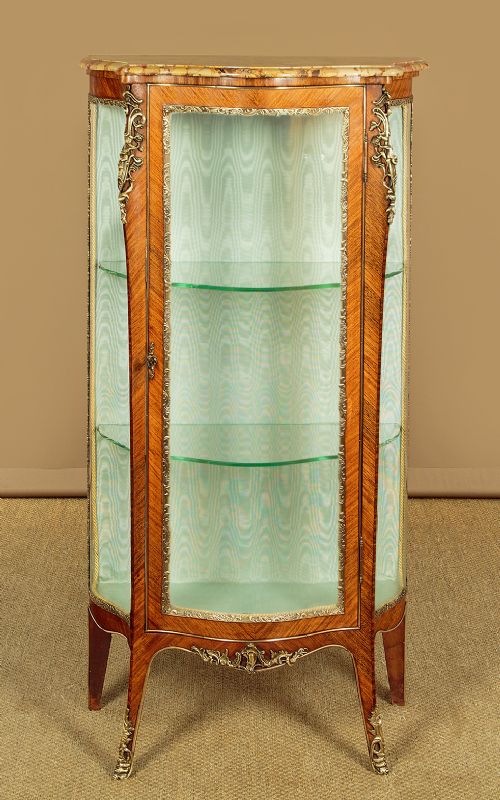
Cabinets span from compact pier display cabinets to monumental bibliotheques. The structural variety matches domestic needs for displaying collections while introducing distinct continental styles.
How They Were Made
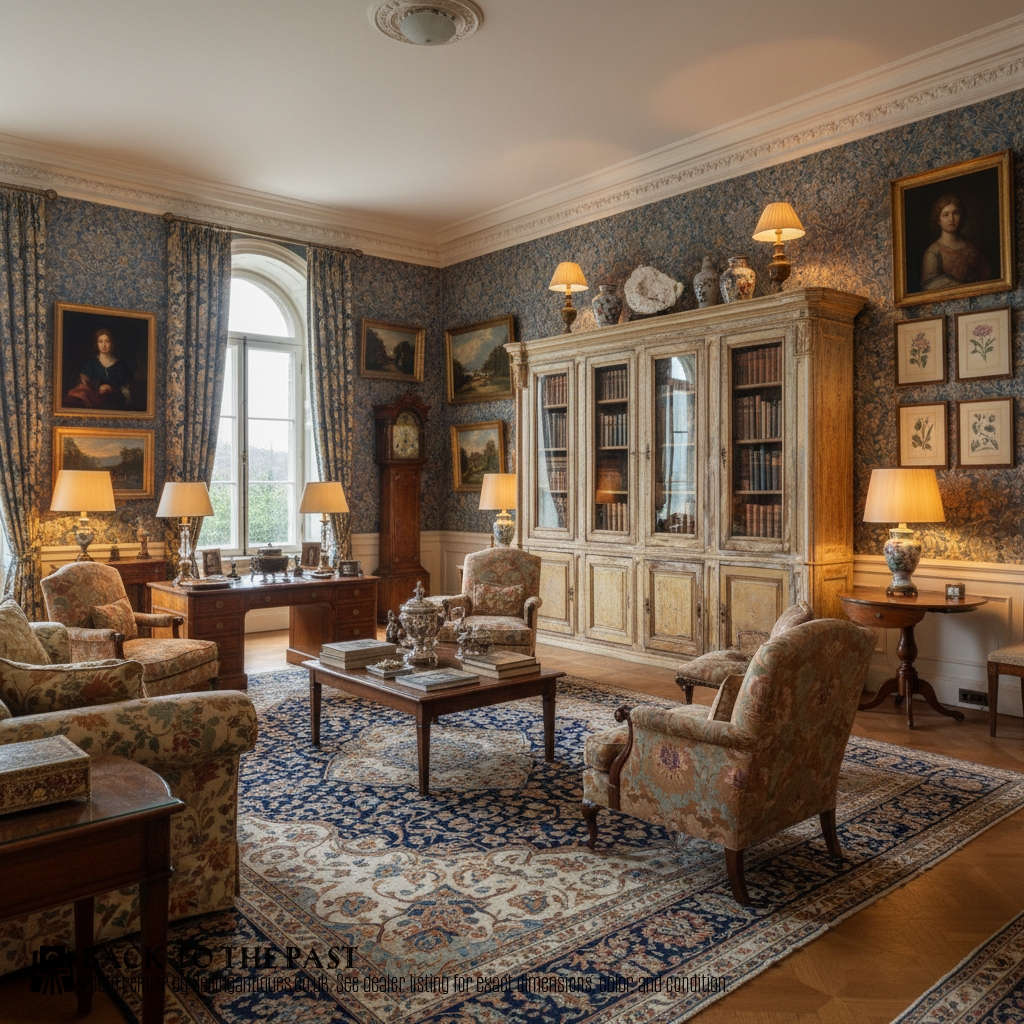
Cabinet makers utilised dense hardwoods including oak, walnut, mahogany, and kingwood as foundations for intricate marquetry and smooth ebonised surfaces. Vernis Martin lacquer supplied translucent painted panels depicting classical or pastoral scenes beneath polished clear coats.
Mounts and embellishments in ormolu, gilt bronze, and brass cast intricate foliate and rococo motifs to frame the glass doors and highlight structural corners. Bevelled glass panes were fitted securely into wooden frames to protect interior contents while maximising light diffusion.
Retail Price Guide 2026
Typical UK retail prices for french display cabinet, calculated from the Sellingantiques database of over a million retail prices indexed since 2003. This retail price guide relies exclusively on Sellingantiques data; no external sources or auction records are used, so the figures do not describe the wider market.
Listings feature oak, walnut, mahogany, and kingwood timbers paired with ormolu mounts.
What Varies in Quality
The refinement of the ormolu mounts dictates much of the visual hierarchy, with hand-chased gilt bronze exhibiting sharper relief and deeper detail than simpler brass stampings. Superior execution appears in the precision of boulle marquetry and the hand-painted fidelity of Vernis Martin panels.
Timber selection and cabinet construction distinguish master workshops from standard production, visible in the choice of figured kingwood veneers and the seamless alignment of serpentine and curved glass doors. Heavier carcasses and substantial internal shelving reflect structural ambition.
Linke
The Antique French Display Cabinet Glossary
- Vitrine
- A glass-fronted cabinet specifically designed for displaying porcelain and curiosities. These pieces rely on large glass panes to showcase contents from multiple angles.
- Vernis Martin
- A simulated Japanese lacquer technique developed in eighteenth-century France and replicated later. The finish uses resin varnishes over painted scenes to create a glossy, translucent surface.
- Ormolu
- Gilt bronze mounts applied to furniture edges and corners for decorative contrast. The technique involves coating cast bronze in a layer of gold amalgam.
- Boulle Marquetry
- An elaborate inlay technique combining tortoiseshell and brass. Developed during the reign of Louis XIV, the method produces striking contrasting patterns.
- Bibliotheque
- A large bookcase or cabinet fitted with extensive shelving. These architectural pieces often feature glazed doors to protect bound volumes.
Frequently Asked Questions
What fits inside an antique french display cabinet?
These cabinets suit porcelain collections, glassware, and small curated objects that benefit from enclosed glass protection.
Shelving depths and heights vary by piece, accommodating everything from slender figurines to larger decorative table items.
How do I identify a Napoleon III cabinet?
Napoleon III pieces often combine ebonised wood surfaces with bright ormolu mounts and boulle marquetry. The style borrows heavily from earlier royal periods while embracing nineteenth-century eclectic manufacturing.
Many examples feature curved glass panels and rich polish that distinguish them from plainer Victorian furniture.
Are Vernis Martin cabinets fragile?
The lacquer finish requires gentle maintenance away from direct sunlight and excessive humidity to preserve the painted panels. Regular dusting with a soft dry cloth protects the glossy surface.
Glass doors and delicate ormolu mounts also need careful handling during placement.
How do I distinguish Louis XVI style from Rococo Revival?
Louis XVI style pieces favour straight architectural lines, symmetrical mounts, and classical restraint derived from eighteenth-century revivals. The forms remain orderly and balanced.
In contrast, Rococo Revival pieces embrace asymmetrical curves, flowing naturalistic scrolls, and serpentine woodwork.