
Rustic Oak Cupboard
These rustic oak cupboard selections offer honest country storage and enduring timber grain for traditional interiors.
Defining the rustic oak cupboard
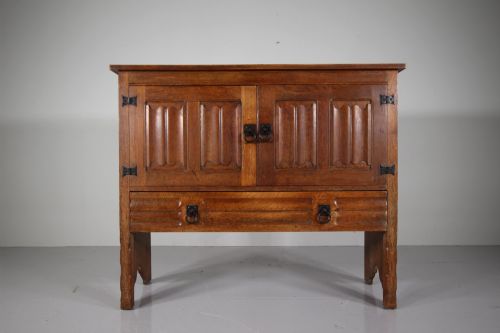
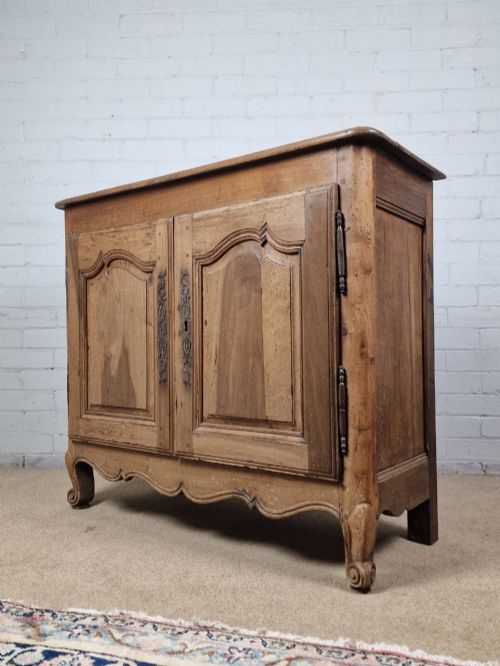
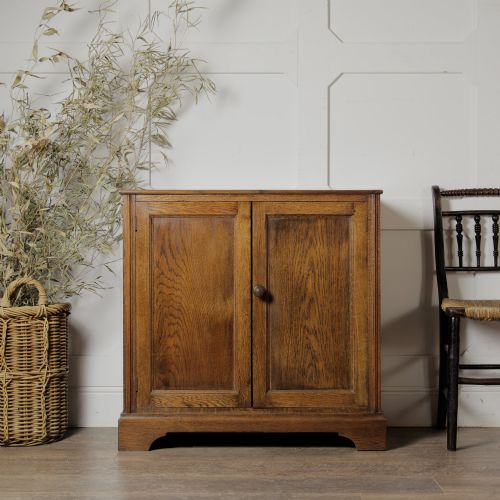
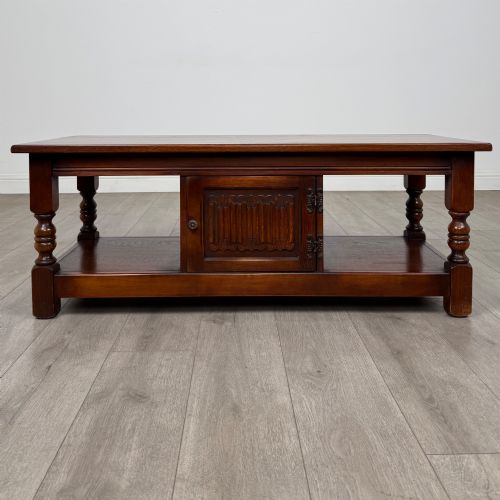
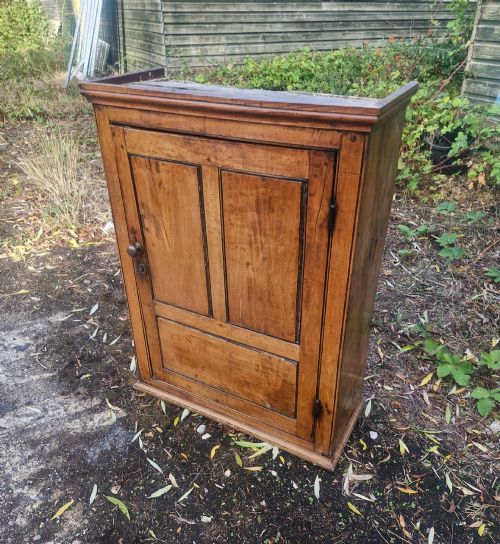
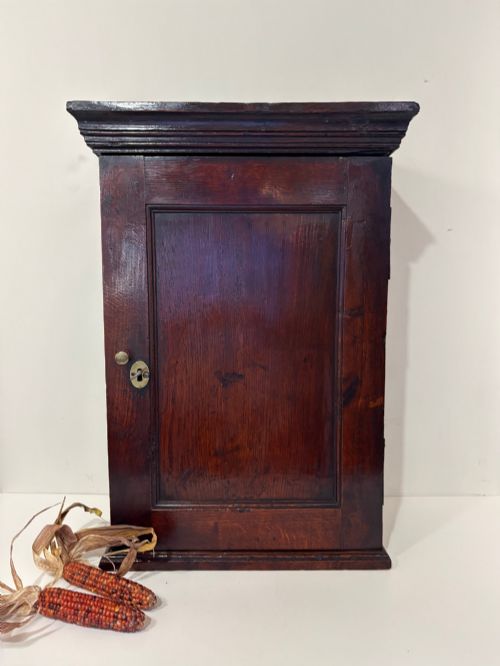
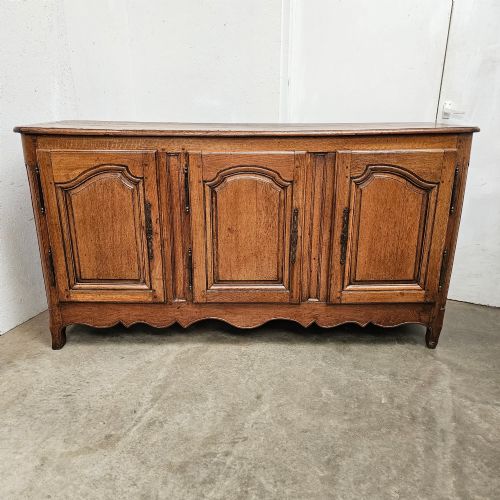
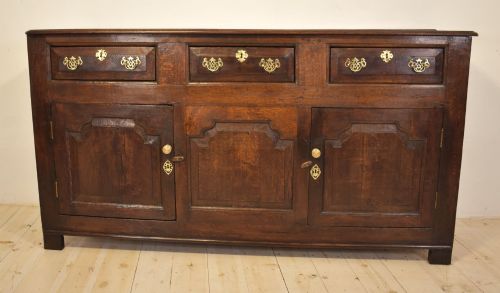
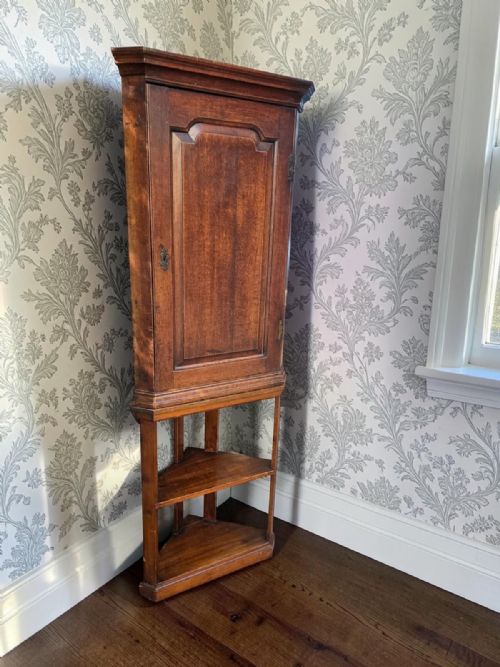
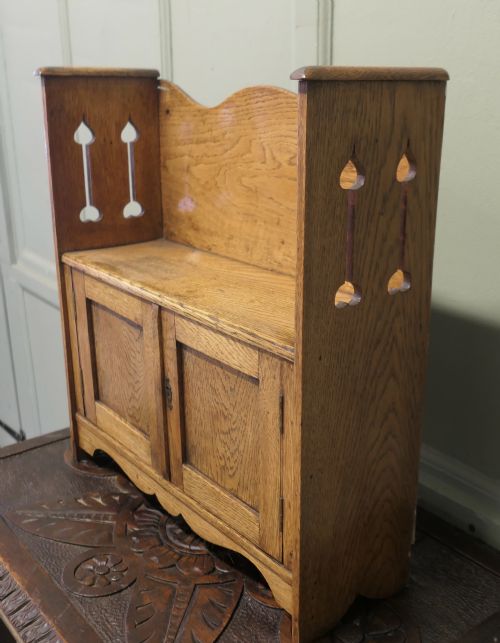
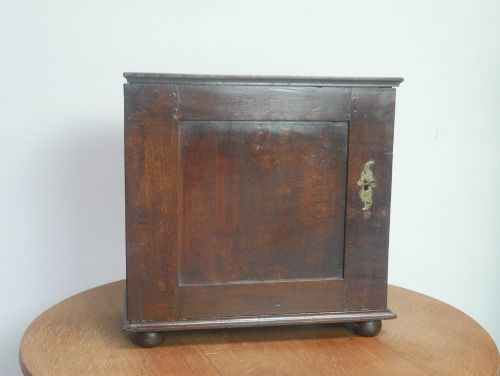
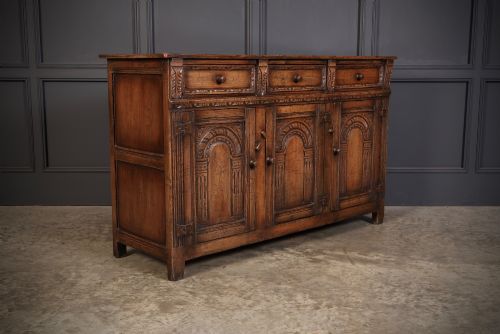
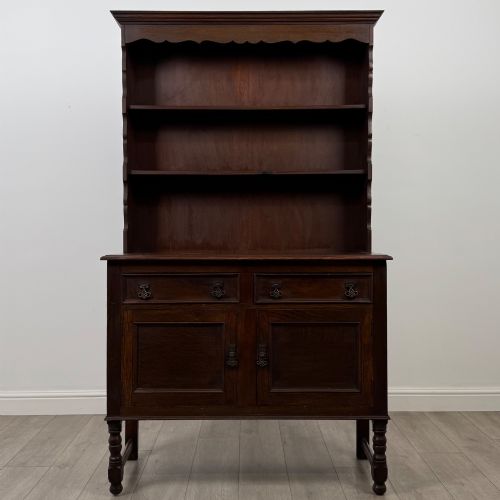
A rustic oak cupboard brings heavy country utility and time-worn timber grain into domestic spaces. These pieces encompass regional dressers, hanging cupboards, and presses fashioned from solid oak.
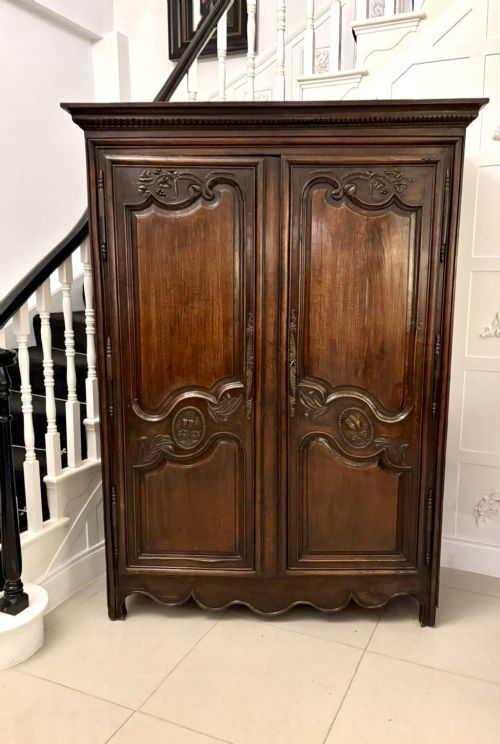
Buyers encountering this category most frequently meet examples from the eighteenth and nineteenth centuries, alongside Edwardian revivals. Welsh vernacular and French provincial styles dominate the available forms.
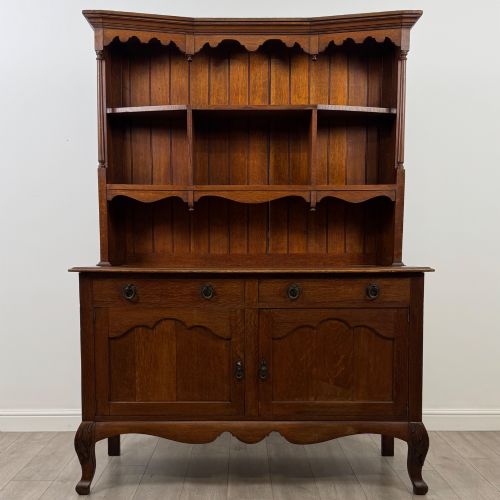
The objects serve varied storage needs, ranging from kitchen dressers with open racks to enclosed linen presses and cabinets. Their vernacular designs reflect local building traditions rather than courtly fashions.
Materials and construction methods
Makers built these pieces primarily from solid oak, utilising its natural strength for heavy structural carcasses and panelled doors. Brass hardware such as hinges and escutcheons frequently accompanies the timber.
Joinery techniques relied on traditional pegged tenons and panel construction to allow wood movement across seasons. Surfaces display the tool marks and varied grain patterns typical of country workshops.
Retail Price Guide 2026
Typical UK retail prices for rustic oak cupboard, calculated from the Sellingantiques database of over a million retail prices indexed since 2003. This retail price guide relies exclusively on Sellingantiques data; no external sources or auction records are used, so the figures do not describe the wider market.
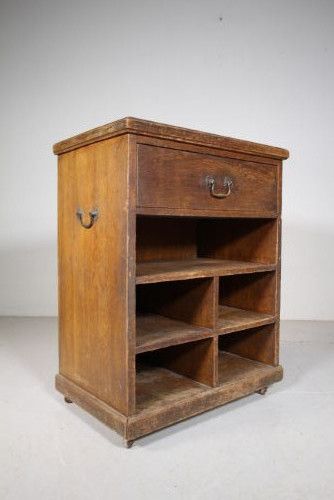
Some past country cupboards kept shoes alongside linens, proving utility overruled neatness in the old farmhouse.
Judging the range of quality
Quality diverges between utilitarian provincial pieces and those displaying refined vernacular proportions and well-figured timber. The handling of panel mouldings and the integrity of the original joints set the better examples apart.
Surface patination heavily influences desirability, as centuries of wax application create deep, warm tones on the oak. Alterations to hardware or replaced timbers reduce the architectural consistency of the piece.
The Rustic Oak Cupboard Glossary
- Vernacular
- Objects designed by local craftsmen for everyday use rather than following metropolitan academic styles. These pieces utilise regional traditions and available local materials.
- Dressers
- Kitchen and dining furniture combining lower storage cupboards with upper open shelving for display. They often incorporate drawers beneath the main surface.
- Press
- A large tall cupboard or wardrobe used historically for storing folded linen or clothes. They frequently feature panelled double doors enclosing internal shelving.
- Patina
- The surface sheen and colour acquired by wood through age, handling, and regular waxing. This quality develops naturally over generations of use.
Frequently Asked Questions
How do I date an oak cupboard?
Dating relies on examining construction methods, tool marks, and hardware types used in the assembly. Hand-cut pegs and hand-planed panels generally indicate older periods.
Changes in hinges, locks, and handles often point to later repairs or replacements that occurred over centuries of domestic service.
Are these cupboards suitable for modern kitchens?
These sturdy pieces provide substantial storage capacity and integrate well into traditional or farmhouse-style kitchens. Their deep shelves and cupboards accommodate modern pantry items effectively.
Care should be taken to keep them away from excessive moisture and direct heat sources to protect the historic timber.
What is a Welsh dresser?
A Welsh dresser combines a base section of drawers and cupboards with an open rack superstructure on top. They originated in Wales for storing and displaying everyday kitchen ceramics.
Regional variations differ in the arrangement of the drawers and the decorative shaping of the board backs.
How should I clean rustic oak?
Maintain the surface by dusting regularly with a soft, dry cloth and applying natural beeswax occasionally. Avoid modern liquid cleaners or silicone sprays which damage the historic finish.
Feeding the dry oak with wax preserves the deep colour and protects the wood grain from atmospheric changes.