

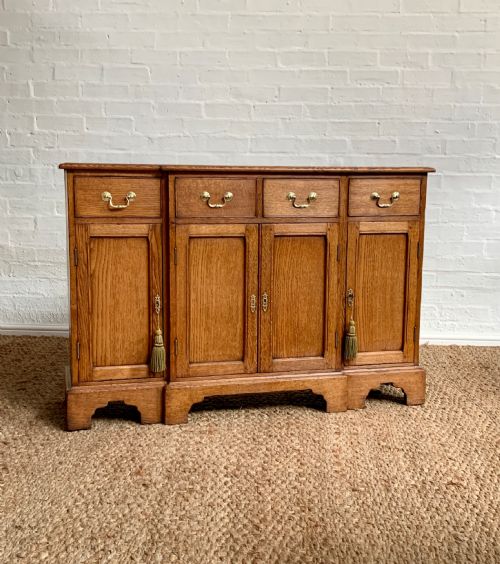
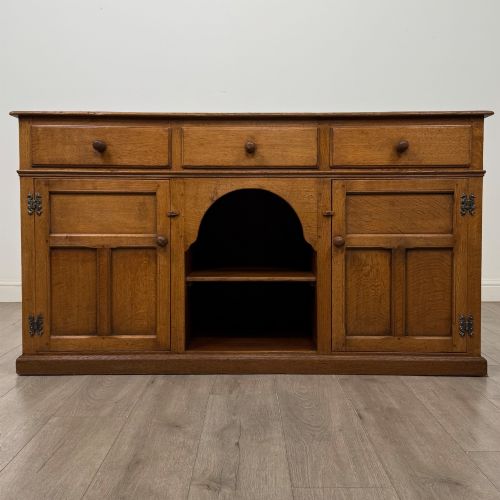
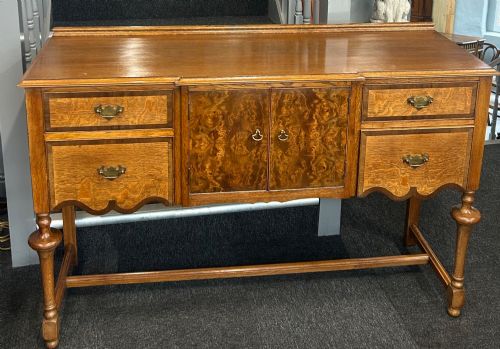
Traditional Oak Buffet
A traditional oak buffet brings substantial storage and centuries of character into a room through honest timber and sturdy construction.
Traditional Oak Buffet
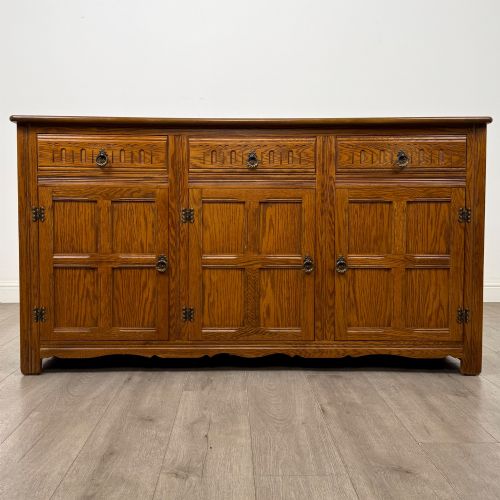
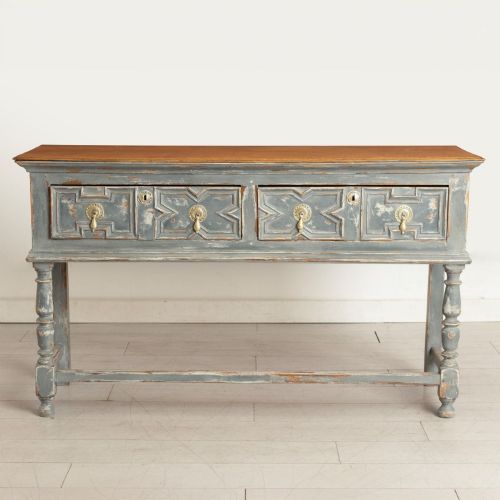
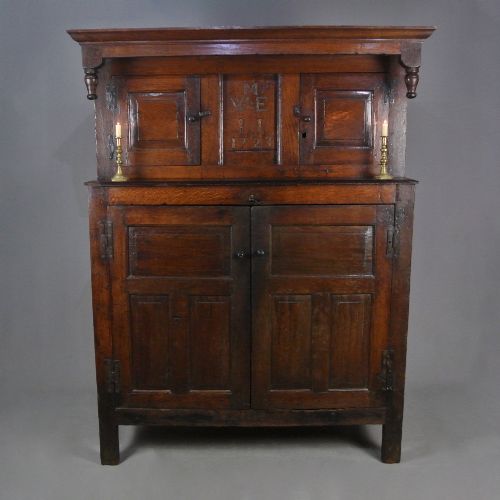
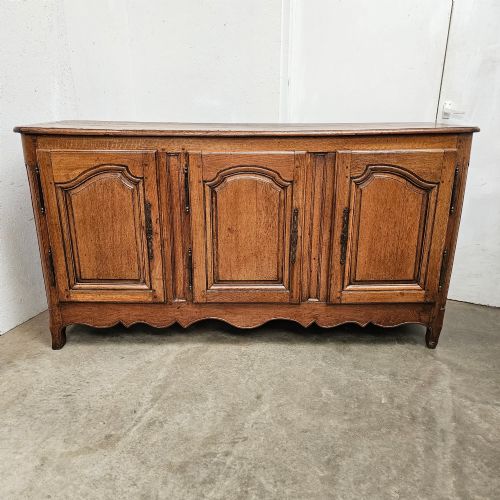
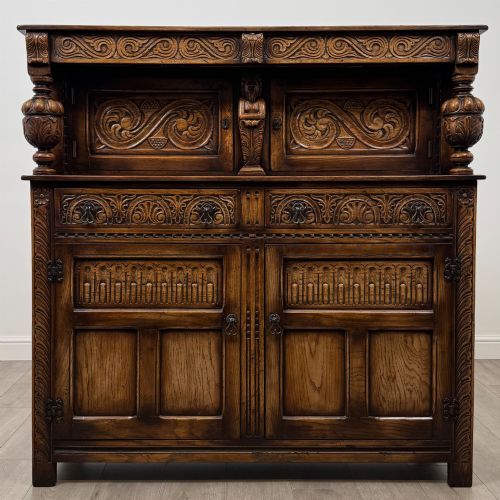
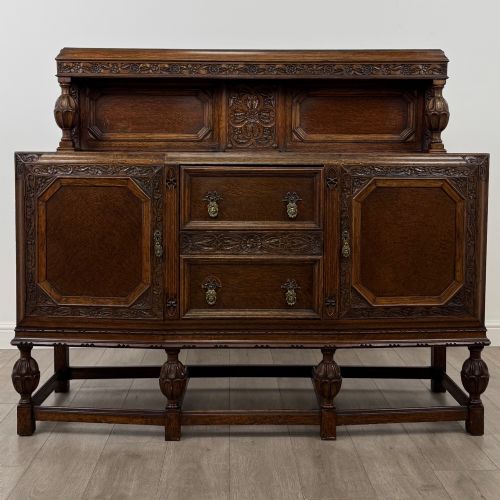
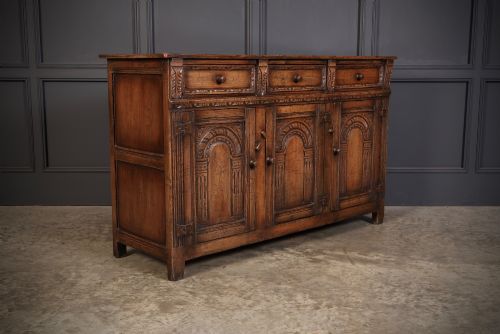
A traditional oak buffet encompasses forms such as dresser bases, sideboards, court cupboards and enfilades built primarily from solid oak. These utilitarian serving and storage pieces originate from periods spanning the seventeenth through to the twentieth centuries, including Georgian, Victorian and Edwardian eras.
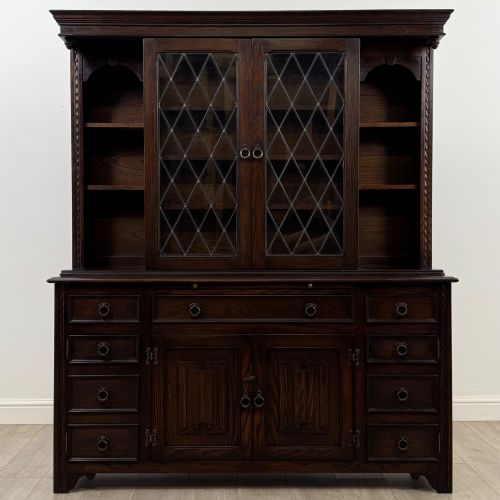
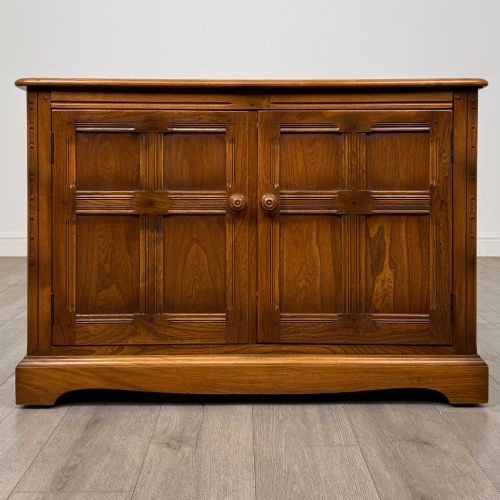
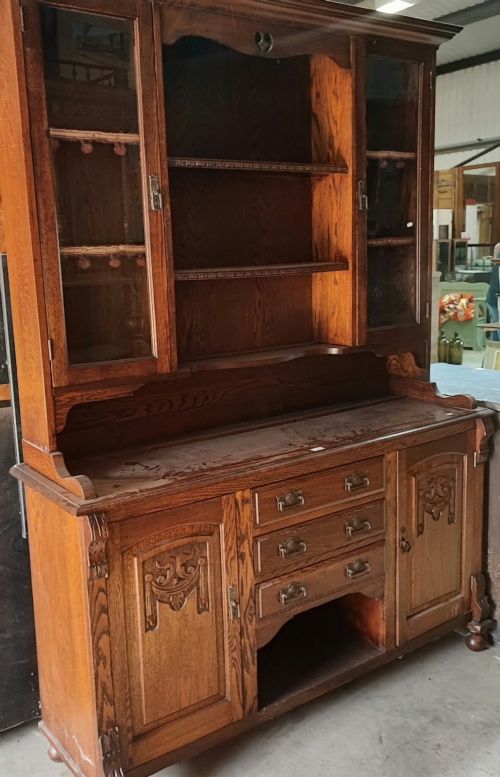
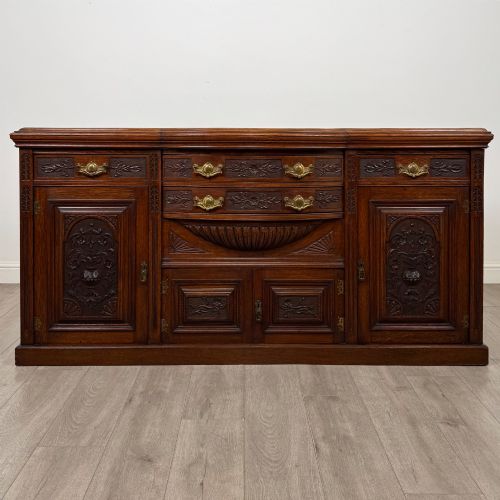
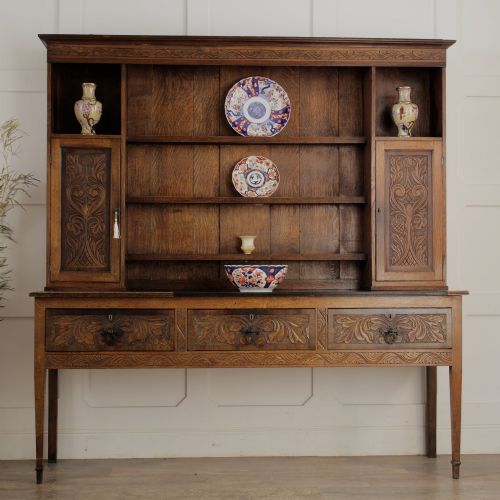
The most common examples on this page are dresser bases and sideboards, often featuring pot boards, drawers or panelled doors. Buyers encounter both early vernacular pieces and later revival styles such as Jacobean and Tudor revivals.
Origins vary from English and Welsh workshops to French and Dutch regional makers. Each piece reflects the domestic storage needs and cabinet-making traditions of its particular locality and date.
Materials and construction
Construction relies heavily on solid oak, frequently augmented with secondary timbers such as pine and fitted with brass or iron hardware like drop handles and hinges. Some later revival examples incorporate golden oak or bleached oak finishes alongside burr walnut accents.
Joinery methods combine traditional framing, panel construction and hand-carved ornamentation with pegged joints on earlier examples. Surfaces are often finished with simple waxes or oils that highlight the natural grain and figure of the timber.
Listings feature oak buffet forms ranging from seventeenth-century style court cupboards to Georgian pot board dresser bases and Edwardian golden oak sideboards.
What varies in quality
Quality rests upon the crispness of hand-carving, the integrity of the timber selection and the retention of original hardware and structural elements. Pieces that maintain their timber's natural colour and authentic patination command greater interest than those with heavy alterations.
The proportional balance of the design and the weight of the timber define the piece's presence. Earlier vernacular items demonstrate a directness of purpose, while revival pieces depend on the skill of the carver to emulate historical precedents.
The Traditional Oak Buffet Glossary
- Pot board
- An open lower shelf beneath a dresser base traditionally used for storing pots and domestic utensils. This lower tier sits close to the floor on sturdy legs or feet.
- Court cupboard
- A heavy enclosed wooden cupboard with upper and lower tiers, often featuring recessed upper sections supported by carved columns or balusters. These pieces date from the seventeenth century and its later revivals.
- Enfilade
- A long sideboard or buffet cabinet, typically originating from continental Europe, featuring a continuous row of doors across the front. They provide extensive interior storage space.
- Welsh dresser
- A large dining room storage unit combining a lower base of drawers and cupboards with an upper plate rack for displaying ceramics. Regional variations distinguish English and Welsh examples.
- Jacobean revival
- A nineteenth and twentieth century style that copies the heavy turned legs, geometric moulding and strapwork carving of the early seventeenth century. It utilises solid oak to achieve a robust antique appearance.
Traditional Oak Buffet: Frequently Asked Questions
How do I style a traditional oak buffet in a modern room?
Pair the warm timber tones of the buffet with neutral walls and simple ceramics to let the natural grain stand out. The generous top surface provides a practical space for lamps, books or everyday tableware.
Allow the piece to anchor a dining room or hallway as a focal point. Its substantial storage keeps clutter hidden while adding historical weight to contemporary interiors.
How can I tell an older oak buffet from a revival piece?
Examine the construction marks, timber movement and hardware fixings for signs of period authenticity. Seventeenth and eighteenth-century pieces show hand-cut joinery and natural timber shrinkage over centuries.
Revival pieces from the Edwardian era or the nineteen-twenties often display machine-sawn elements and deliberate stylistic copies of earlier eras. Both hold distinct decorative value depending on your preference for genuine age or historical style.
How do I care for an antique oak surface?
Maintain the timber by applying a traditional bees wax periodically to nourish the dry wood and preserve its natural sheen. Avoid placing the buffet in direct sunlight or near heat sources to prevent timber splitting.
Clean surfaces with a dry or lightly damp cloth without harsh chemical sprays. Regular gentle polishing enhances the historic patination accumulated over generations of use.