
Panelled Oak Dresser
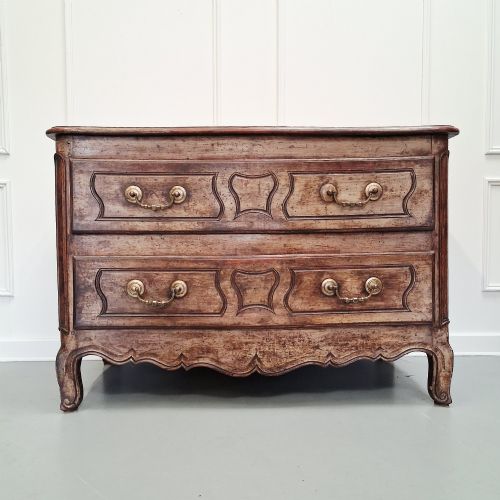
A panelled oak dresser brings sturdy utility and deep historical character to a room, offering generous storage through fitted drawers and cupboards.
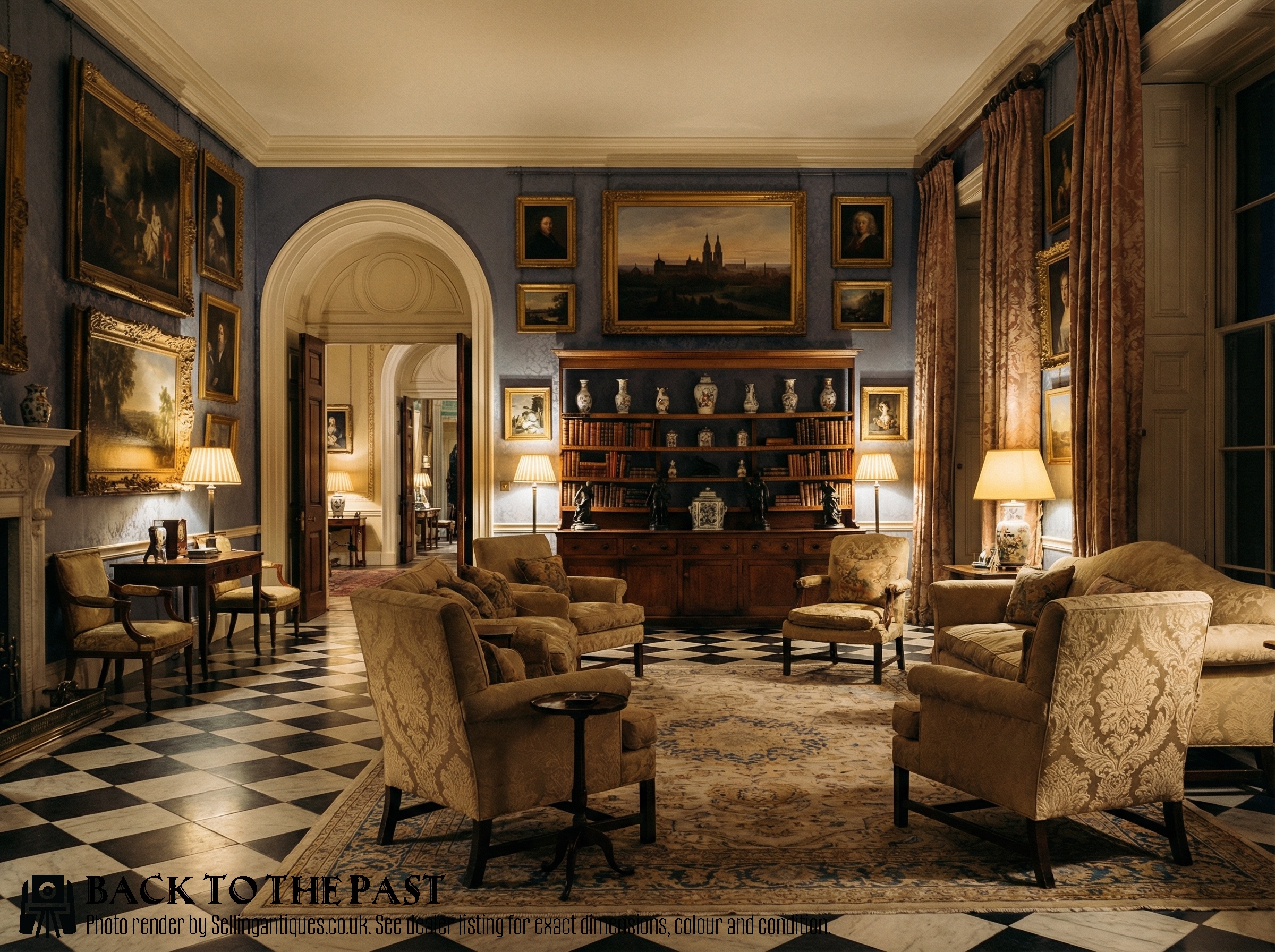
Panelled Oak Dresser
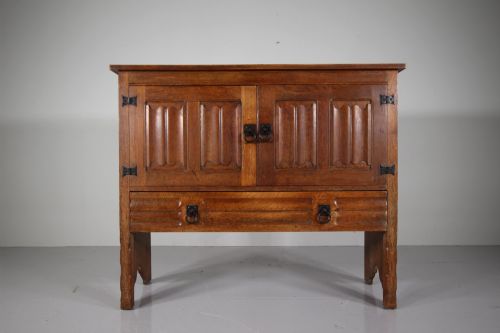
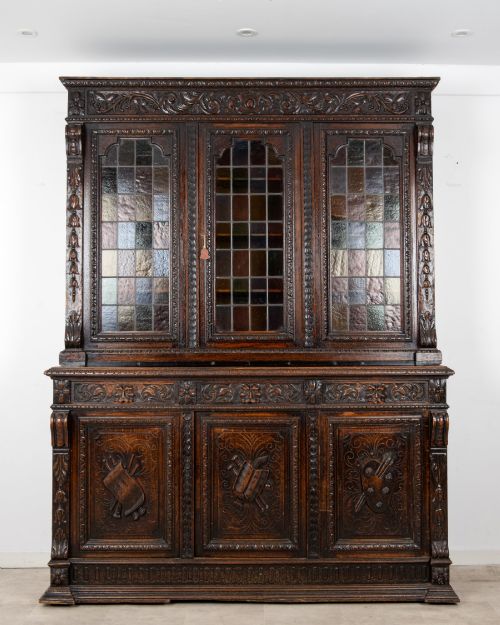
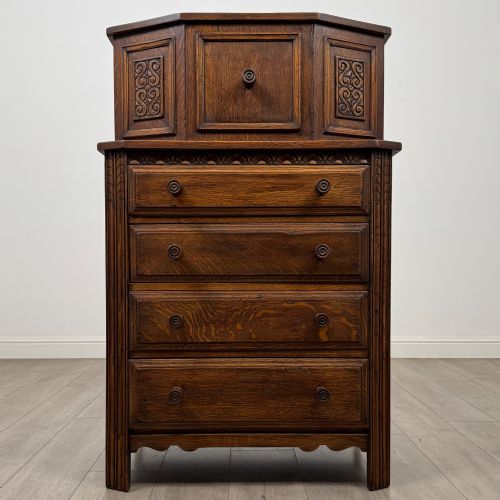
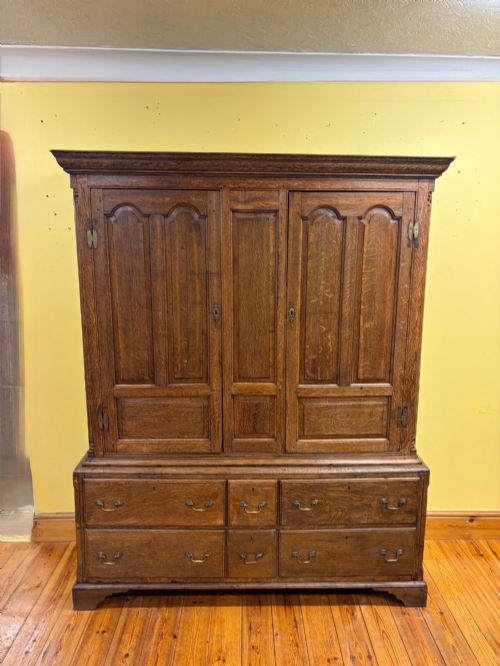
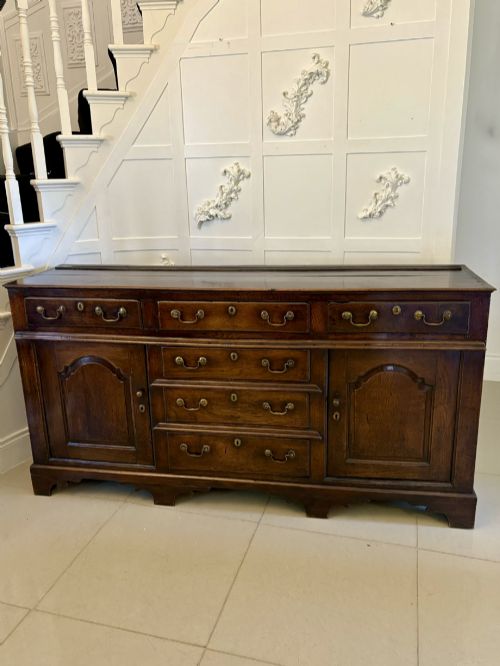
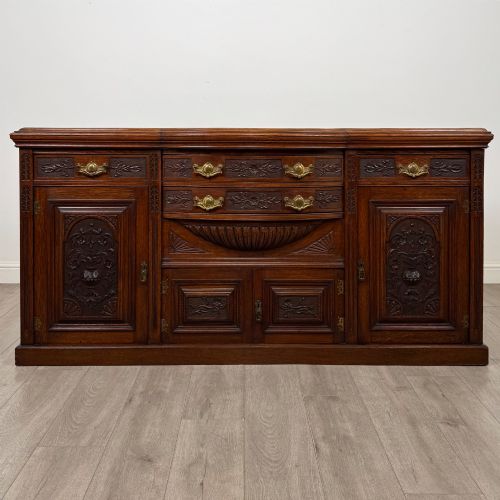
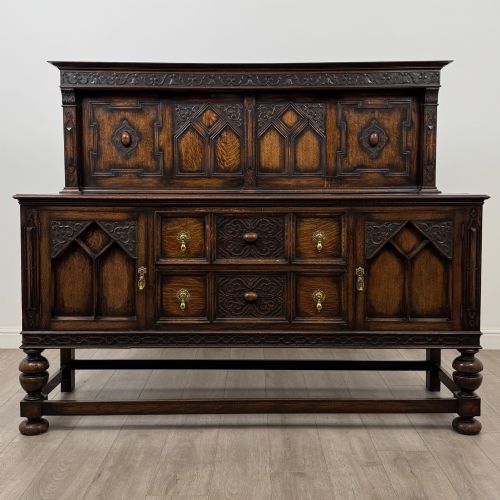
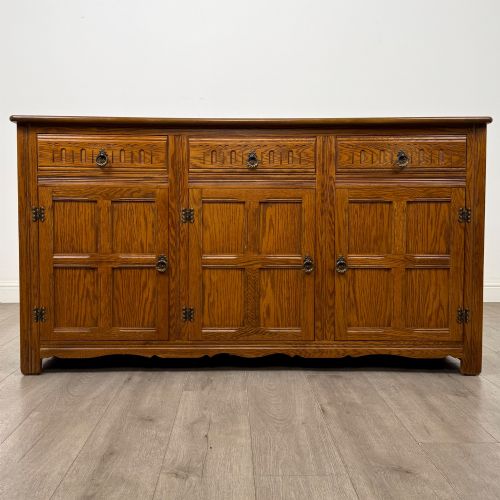
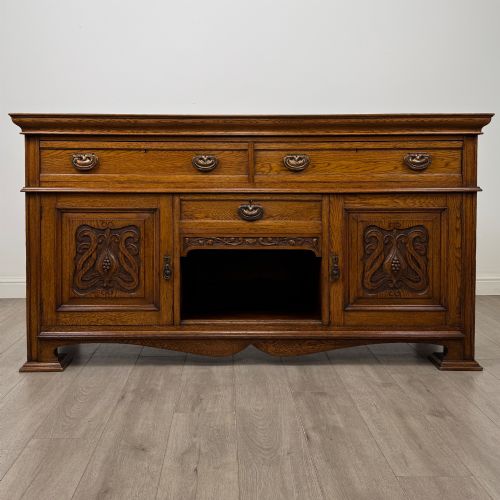
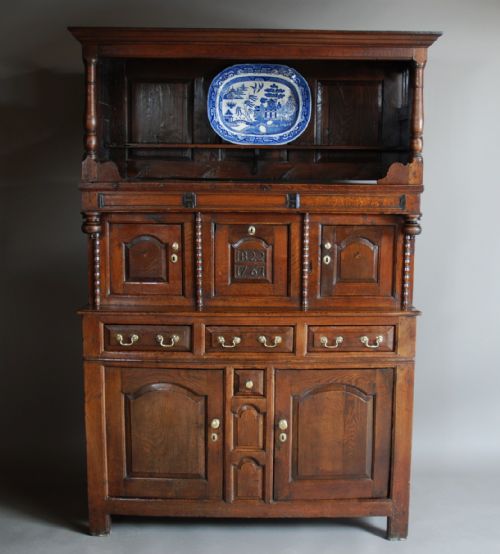
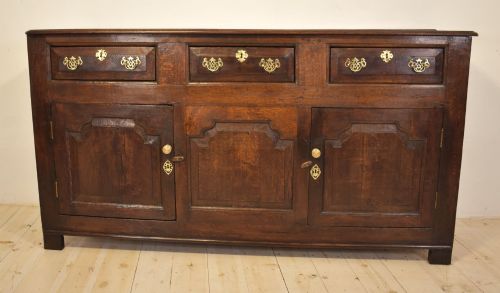
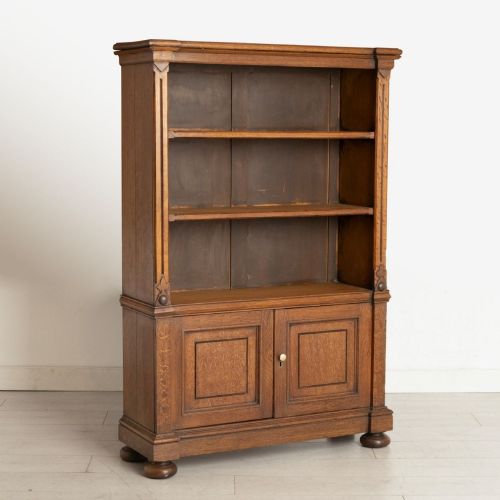
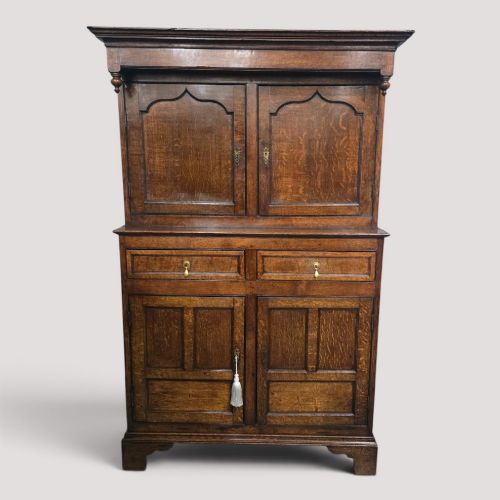
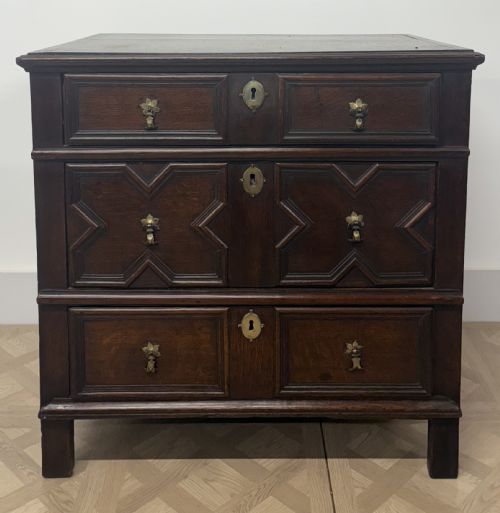
When you search for a panelled oak dresser, you are looking at substantial storage furniture built primarily from native hardwoods, designed to hold household provisions and display domestic wares. The pieces on this page span several centuries, with particular emphasis on seventeenth, eighteenth and nineteenth-century examples alongside later revival forms.
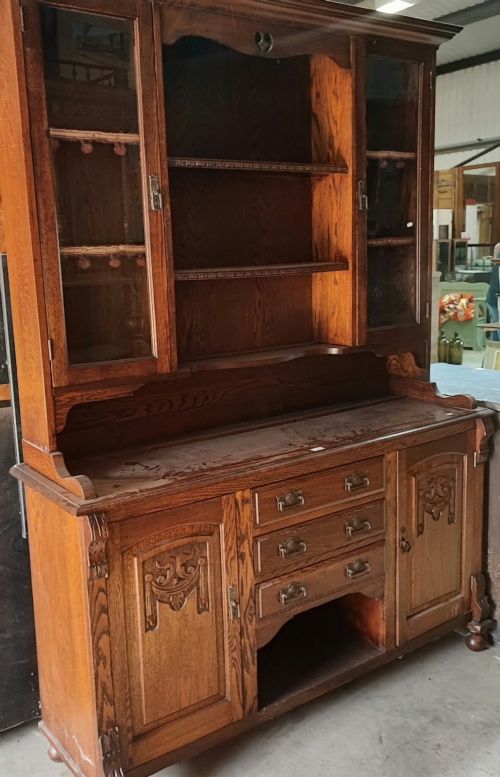
You will encounter various configurations ranging from open pot board bases and dresser bases to two-part Welsh dressers and housekeeper's cupboards. The construction relies heavily on pegged frame and panel techniques, creating robust carcasses intended to withstand generations of daily use.
How They Were Made
These items were constructed using solid timber, predominantly oak, jointed together with traditional mortise and tenon joinery secured by wooden pegs. Hand-planed boards form the backs and drawer linings, while brass or iron hardware such as drop handles and H-hinges secure the doors and drawers.
Surface finishes developed naturally through decades of beeswax application and handling, though some pieces display deliberate staining or the distinct golden tones typical of later Edwardian workshops.
Panelled Oak Dresser Retail Price Guide 2026
Typical asking prices for panelled oak dresser among the pieces listed under this phrase on Sellingantiques today, from the lower quarter to the upper quarter. They describe what is for sale here now, not the wider market.
Listings span seventeenth-century Charles II periods through to Edwardian and Jacobean revival interpretations, predominantly constructed in solid oak with occasional brass and iron hardware.
What Varies in Quality
Quality rests in the crispness of the hand-carved mouldings, the selection of timber with lively medullary rays, and the retention of original boards throughout the back and drawer bottoms. Pieces showing integrated panel work and minimal later timber replacement hold greater integrity.
The sophistication of the hardware and the depth of the patination distinguish utilitarian pieces from finer regional examples, such as those originating from eighteenth-century Welsh workshops.
The Panelled Oak Dresser Glossary
- Dresser base
- A low sideboard fitted with drawers and frequently a pot board or lower shelf, originally used in kitchens for food preparation and storage.
- Pot board
- An open lower shelf incorporated into the base of a dresser, traditionally utilised for storing heavy pots and pans.
- Cwpwrdd tridarn
- A traditional Welsh three-tier cupboard, often constructed from local oak with carved panels and enclosed upper sections.
- Medullary ray
- A ribbon-like cellular structure visible in quarter-sawn oak that creates distinctive silver fleck patterns across the timber grain.
- Patina
- The deep surface sheen and rich colour acquired by timber through age, light exposure, and decades of polishing.
Panelled Oak Dresser: Frequently Asked Questions
What is a panelled oak dresser?
A panelled oak dresser is a traditional storage item combining drawers, cupboards, and sometimes upper shelving, constructed using inset wooden panels within a sturdy frame.
These functional furnishings served central roles in domestic spaces for storing tableware, linens, and provisions across multiple centuries.
How were these dressers used historically?
In earlier centuries, these pieces functioned as the main working furniture of domestic kitchens and halls, holding food supplies and kitchen utensils.
The top surfaces and shelves allowed families to display pewter or ceramic plates, while the lower cupboards secured household valuables.
How do I tell seventeenth-century oak from later revival pieces?
Seventeenth-century examples display hand-split timber, irregular peg placement, and authentic peg shrinkage alongside deep, unforced patination.
Revival pieces from the Victorian and Edwardian eras often feature more uniform machine-sawn components and distinct hardware fixings.
Will an oak dresser fit in a modern home?
These robust items adapt readily to contemporary living spaces, functioning effectively as sideboards in dining rooms or storage units in kitchens.
Their neutral timber tones and clean architectural lines complement both traditional interiors and minimalist modern settings.