

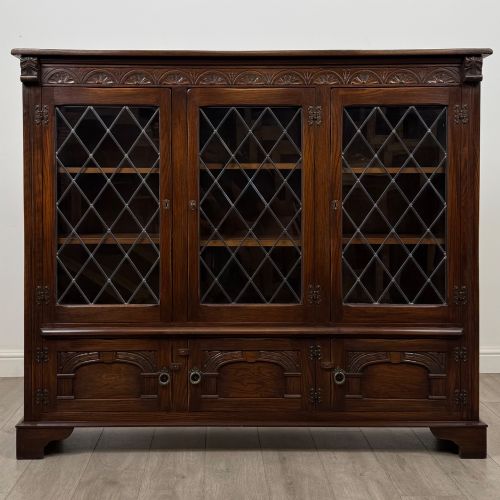
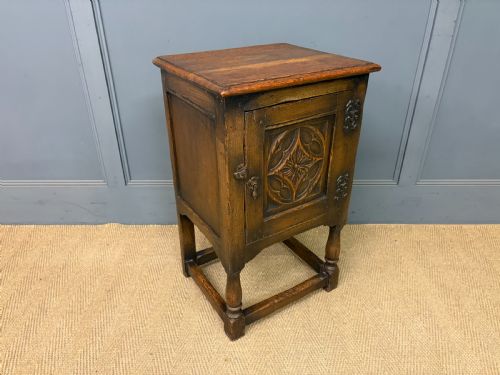
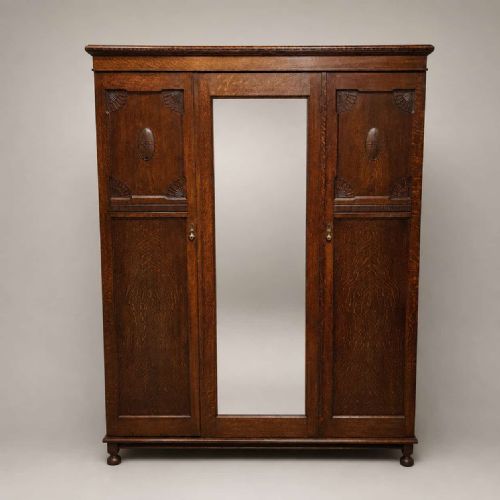
Traditional Oak Cupboard
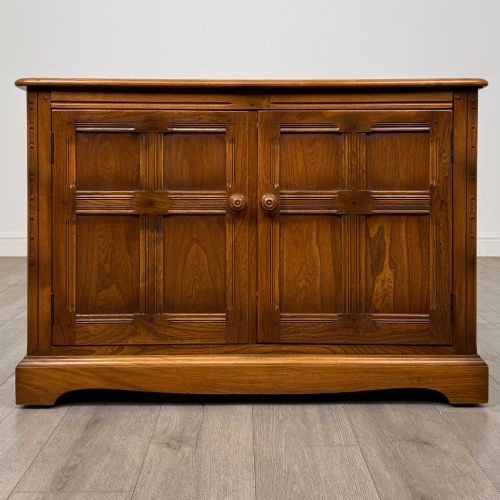
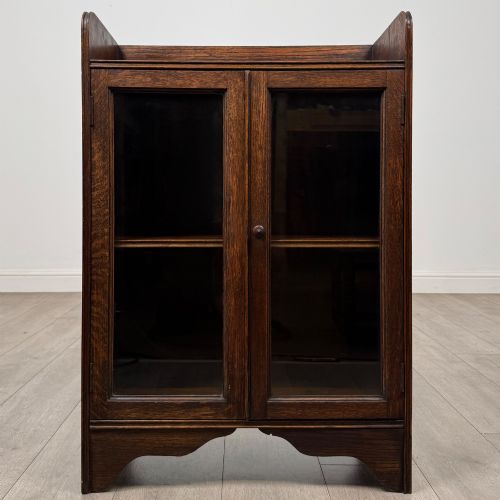
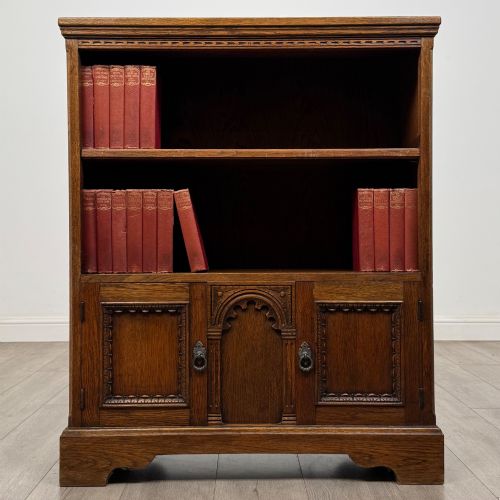
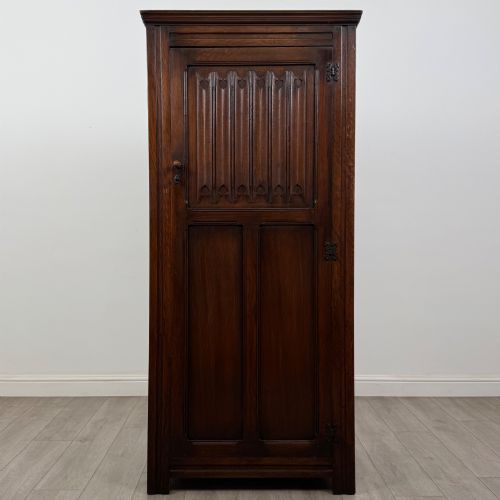
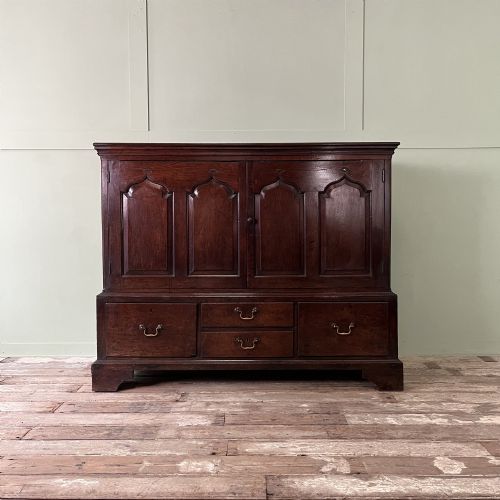
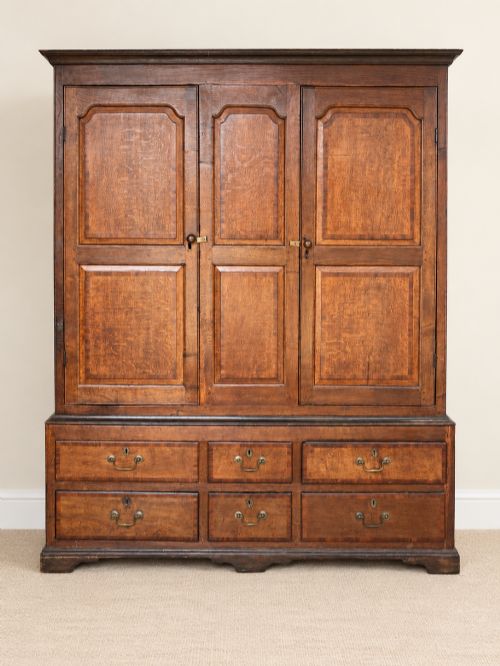
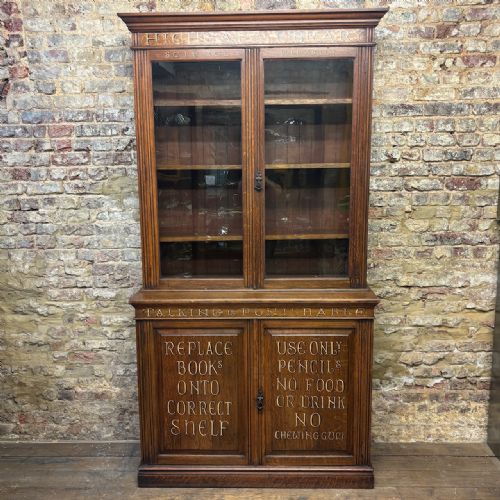
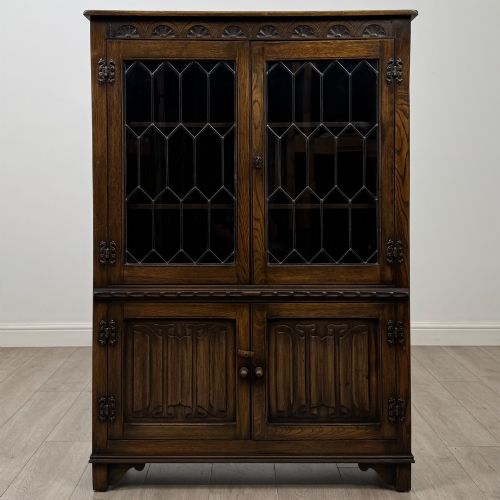
These traditional oak cupboard pieces are sturdy storage staples defined by honest grain and solid build, offering timeless character for practical country interiors.
What They Are
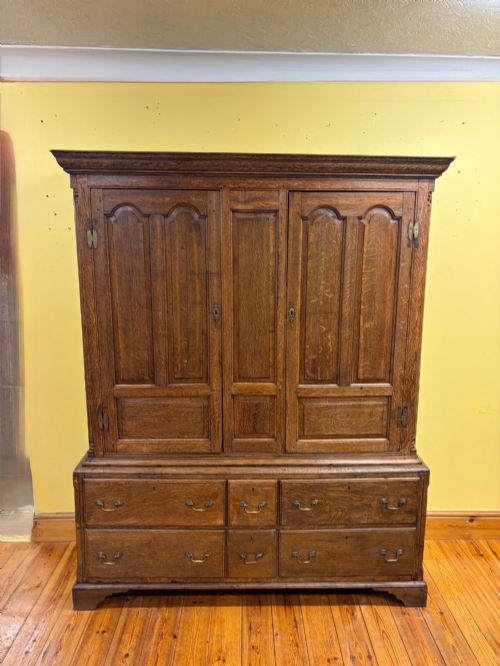
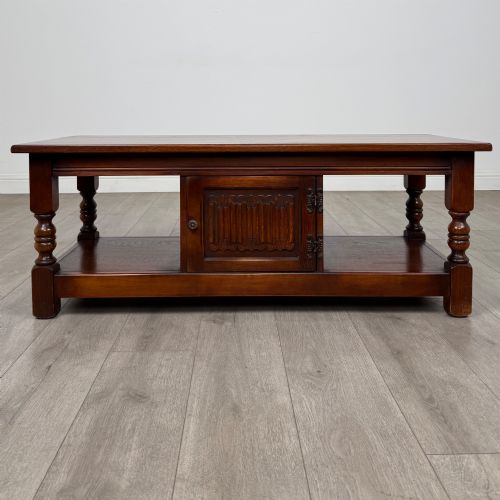
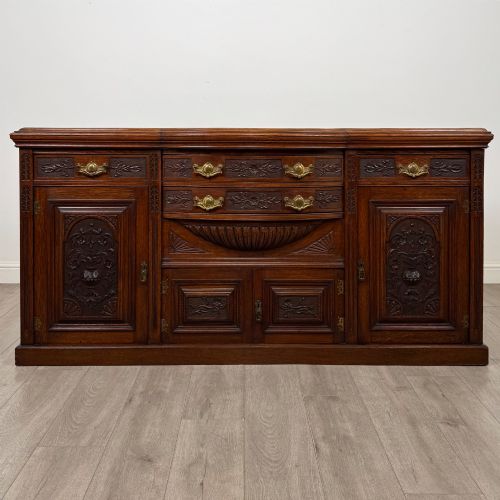
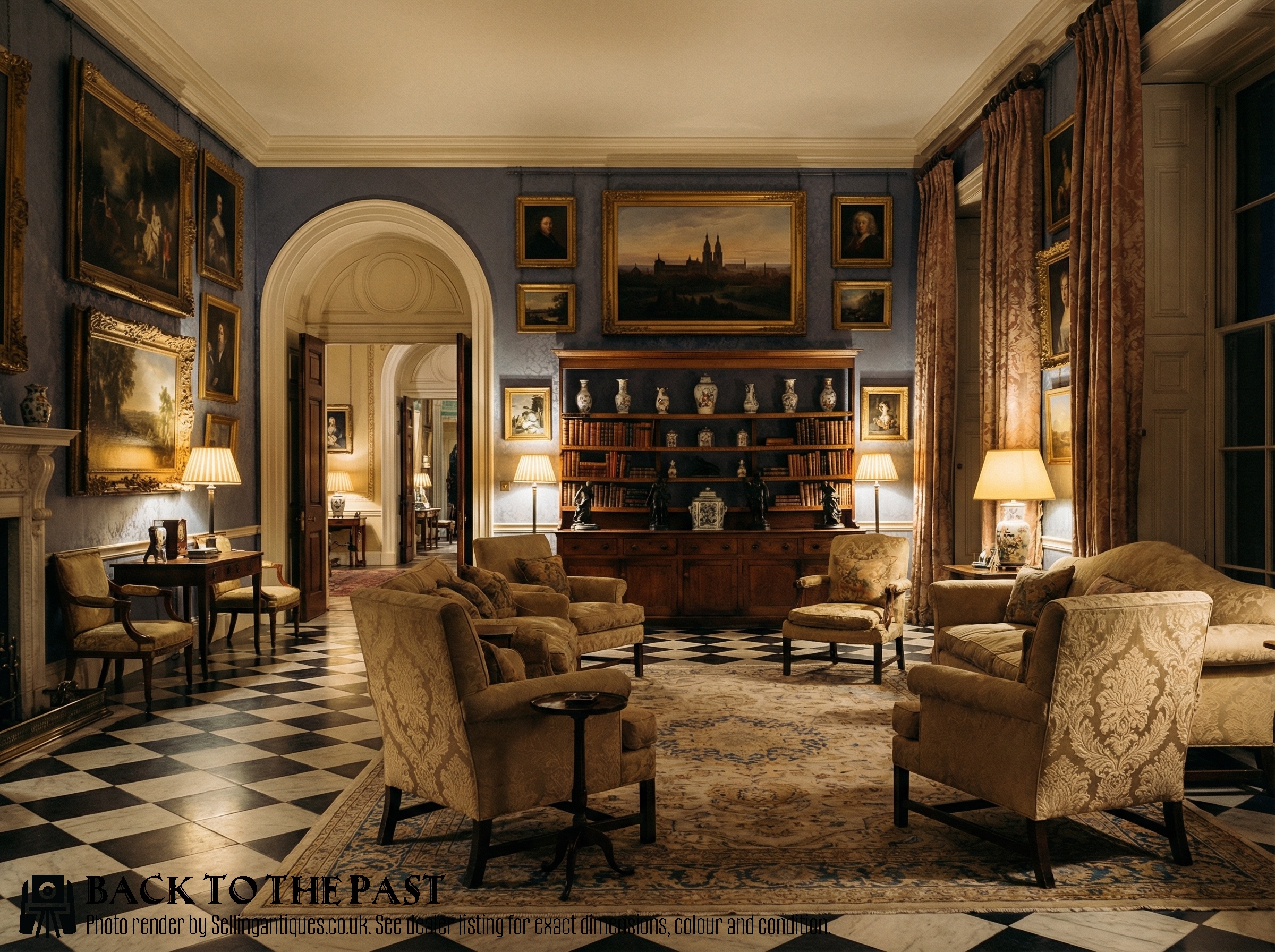
When searching for a traditional oak cupboard, a buyer finds robust timber storage pieces originating from the Edwardian era, the nineteenth century, and the early twentieth century. These items span various functional forms, including regional dressers, small cupboards, deuddarns, and country house dressers with plate racks.
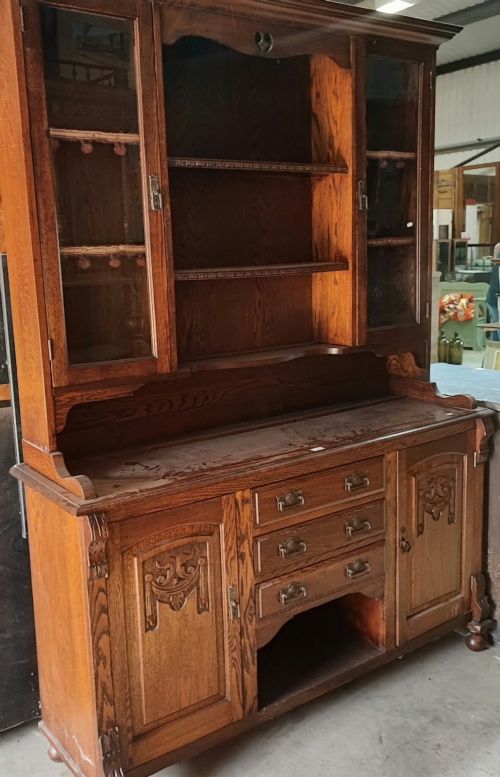
The most common versions met on this page are Welsh dressers and smaller freestanding oak cupboards representing English, Welsh, and Georgian revival styles. Their straightforward rustic country forms suit daily household storage while bringing historic charm to kitchens and dining rooms.
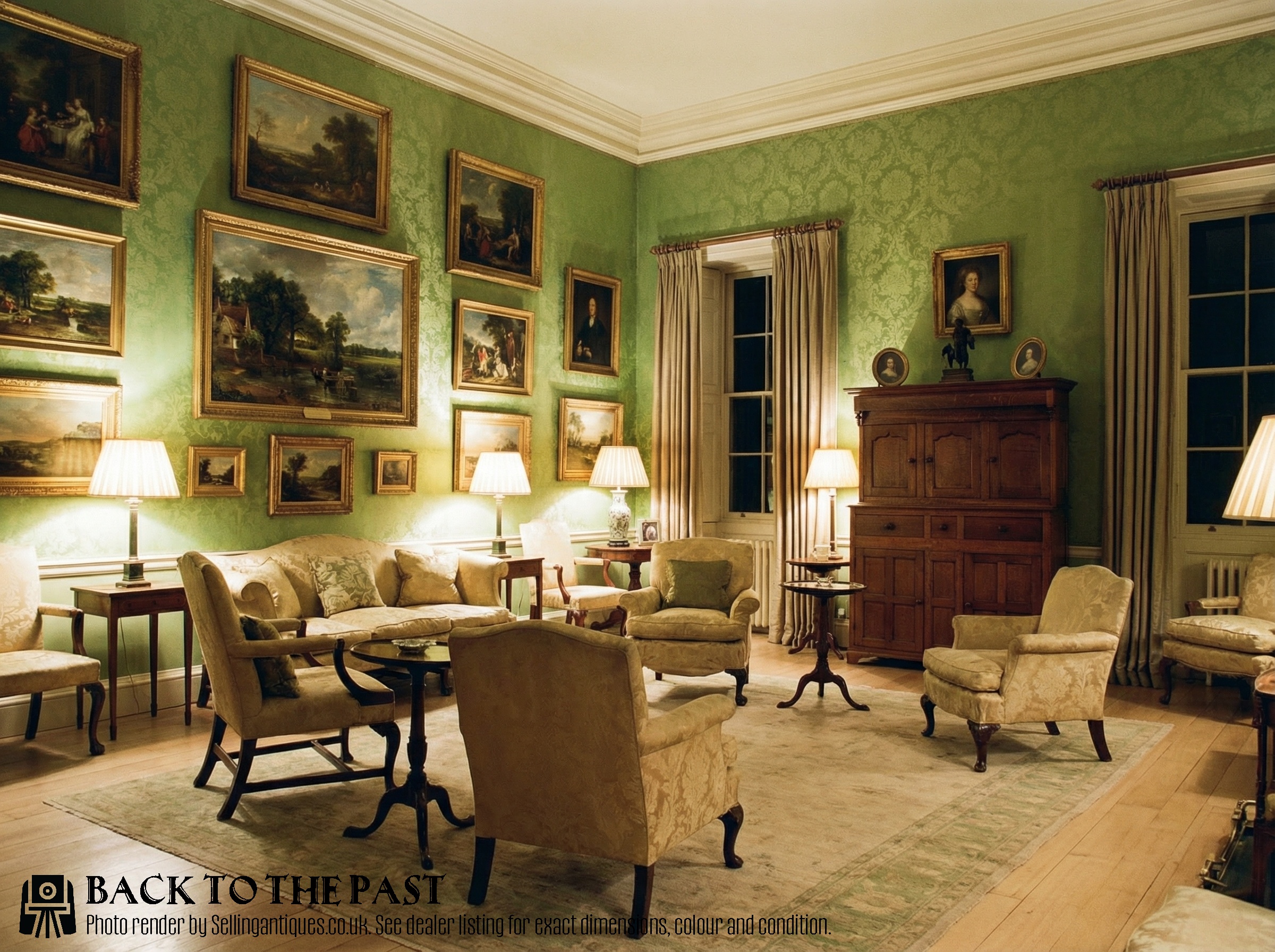
How They Were Made
These items are constructed predominantly from solid oak, chosen for its durability and strong figuring. Workshops utilised traditional joinery techniques suited to hardwood furniture production.
Metal hardware such as brass and iron components are integrated for hinges, handles, and structural bracing, reflecting the utilitarian needs of nineteenth and twentieth-century cabinet makers.
Retail Price Guide 2026
Typical UK retail prices for traditional oak cupboard, calculated from the Sellingantiques database of over a million retail prices indexed since 2003. This retail price guide relies exclusively on Sellingantiques data; no external sources or auction records are used, so the figures do not describe the wider market.
Object forms present on this site include regional dressers, deuddarns, and small freestanding storage cupboards.
What Varies in Quality
The distinction between standard examples and superior items lies in the selection of timber and the sophistication of the regional style. Pieces designated as good quality often display finer grain matching and more considered proportions.
The presence of regional vernacular details, such as the elaborate framework seen on a deuddarn or the balanced integration of a rack on a Welsh dresser, elevates a piece above simpler utilitarian counterparts.
The Traditional Oak Cupboard Glossary
- Deuddarn
- A traditional Welsh two-tier cupboard featuring enclosed upper and lower sections, often panelled and supported by turned columns. This form originates from rural Welsh traditions.
- Welsh Dresser
- A kitchen storage combination comprising a base of drawers and cupboards surmounted by open shelves for displaying plates. It represents a cornerstone of country house furniture.
- Press Cupboard
- An enclosed wooden storage piece designed for linen or garments, typically featuring panelled doors and substantial timber construction. They provide deep interior capacity.
- Jacobean Revival
- A decorative style popular in later periods that imitates seventeenth-century British furniture through geometric panelling, heavy mouldings, and dark oak finishes.
- Plate Rack
- The upper tiered shelving unit attached to a dresser, designed to display ceramic tableware safely against a timber backboard.
Frequently Asked Questions
What is a deuddarn?
A deuddarn is a traditional Welsh two-tier cupboard designed for storage in rural homes.
These pieces typically feature panelled doors and architectural framing that distinguishes them from simpler wall cupboards.
How do I care for oak furniture?
Oak furniture benefits from regular dusting with a dry cloth and occasional treatment with natural beeswax to nourish the timber.
Keep these pieces away from direct heat sources and strong sunlight to prevent the wood from drying out.
Where were these cupboards made?
These items were produced in British workshops, with specific regional variations originating from English and Welsh country makers.
Local timber availability and traditional carpentry methods dictated the distinct regional characteristics of each piece.
What is the difference between a dresser and a cupboard?
A cupboard provides enclosed storage behind doors, whereas a traditional dresser combines lower cupboards or drawers with an open shelving rack above.
Dressers served primarily for both storing and displaying household crockery in domestic kitchens.