


Antique Oak Console
An antique oak console brings solid timber warmth and timeless utility into a hallway or living space.
Antique Oak Console
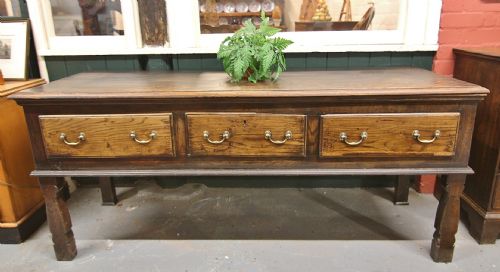
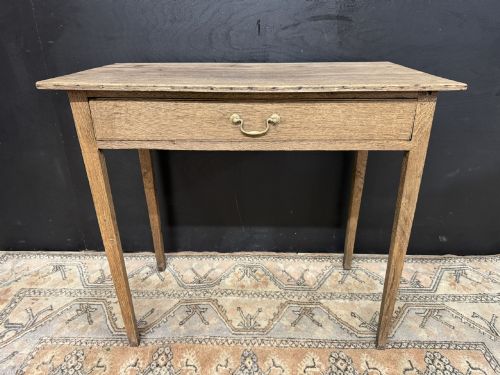
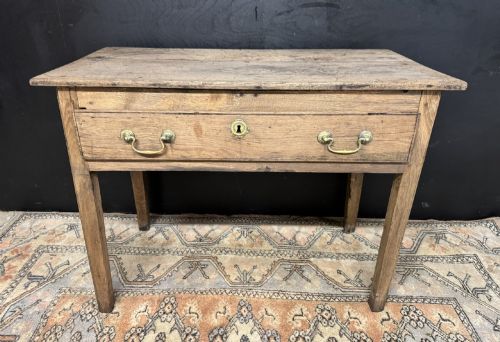
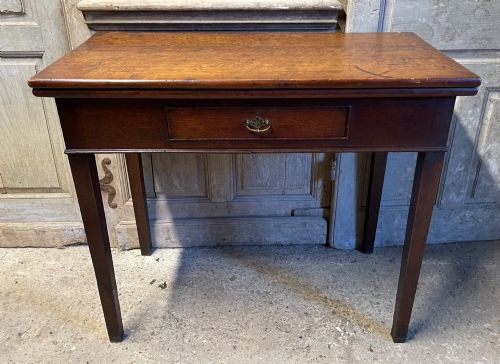
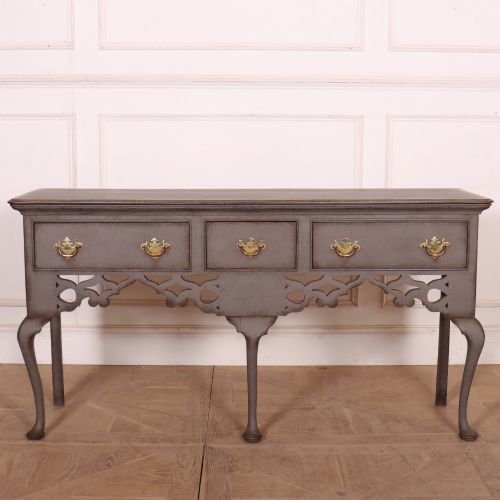
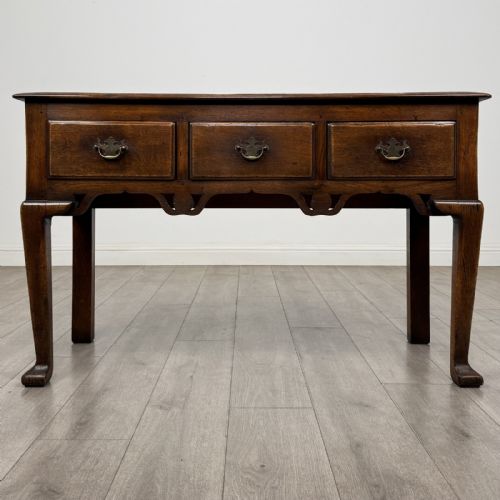
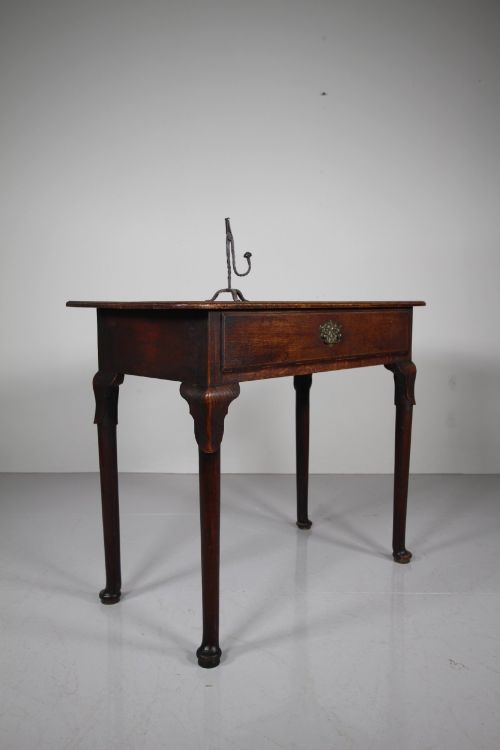
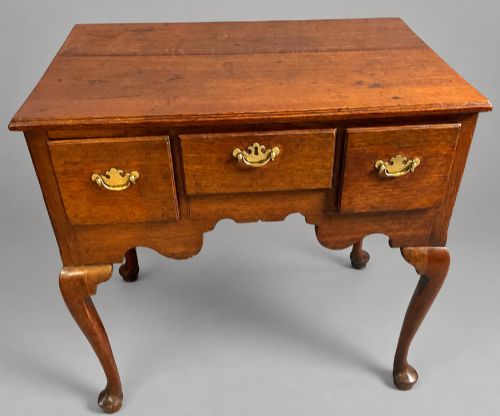
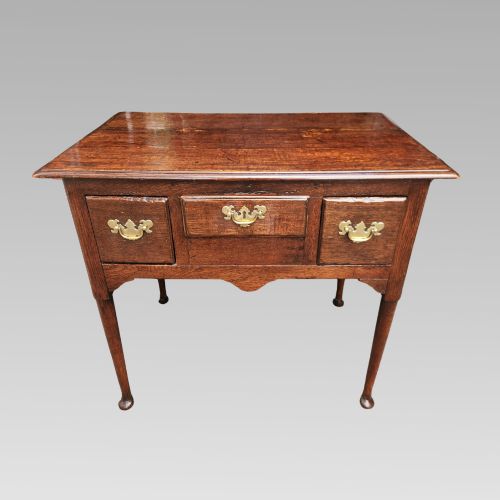
An antique oak console offers a sturdy surface for narrow spaces, combining practical utility with historic character. When you search for an antique oak console, you encounter forms ranging from simple eighteenth-century lowboys and dresser bases to heavily carved Victorian side tables.
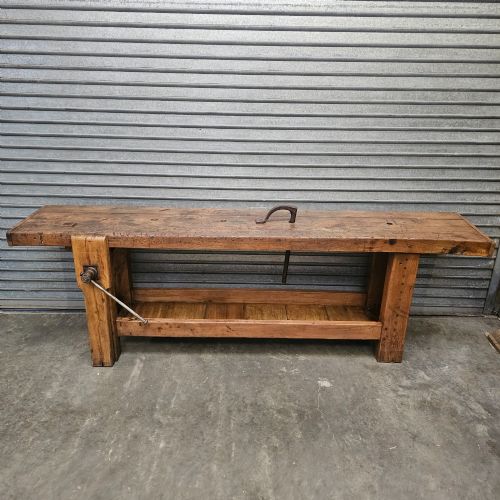
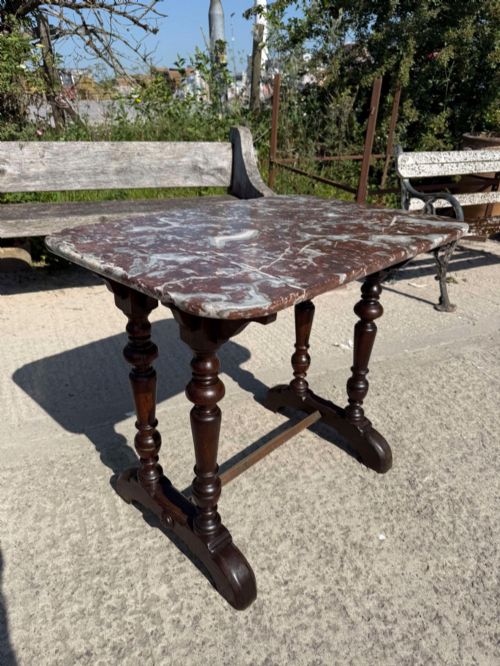
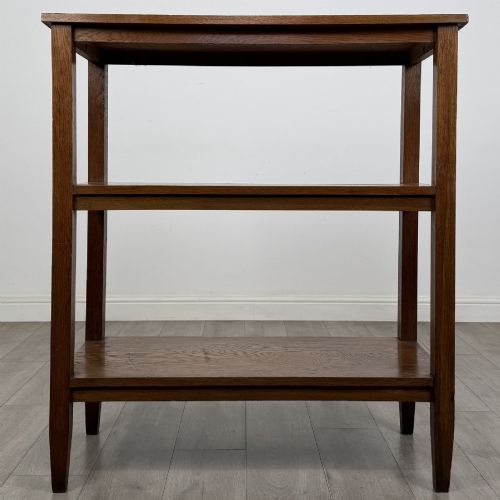
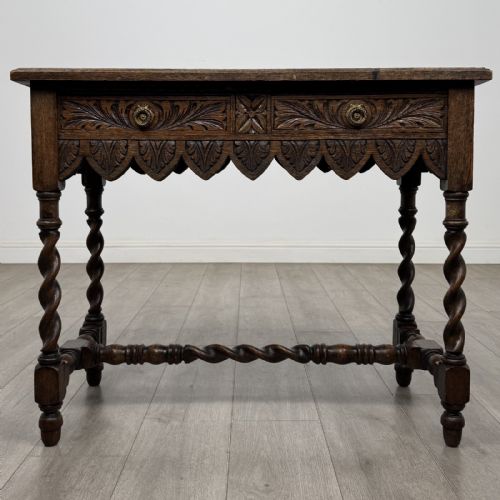
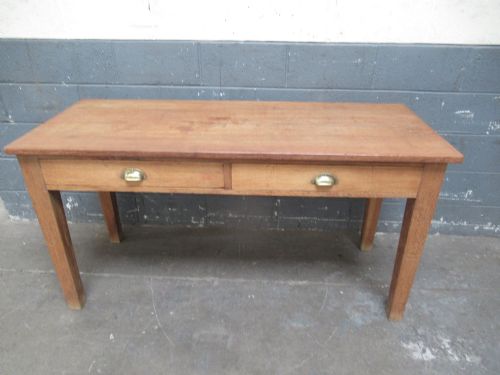
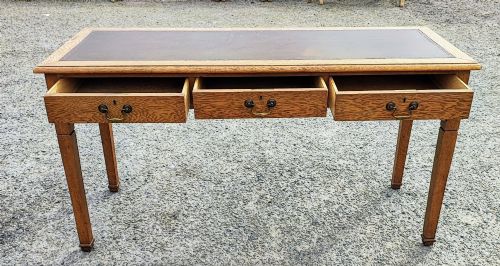
The pieces on this page span several centuries, featuring eighteenth-century country examples alongside nineteenth-century Gothic revival designs and twentieth-century interpretations. The most common survivals are rectangular side tables and hall tables resting on four legs, though demi-lune and drop-leaf variations also appear.
Makers and regional workshops in England and Scotland utilised native hardwoods to construct furniture intended for daily domestic service. These tables served variously as serving surfaces, hall stands, and writing desks depending on their era and drawer configuration.
How they were made
Joiners constructed these tables predominantly from solid oak, sometimes supplemented by secondary timbers such as pine or elm in drawer linings and backs. Artisans employed traditional jointing methods like mortise and tenon to build frames capable of enduring centuries of use.
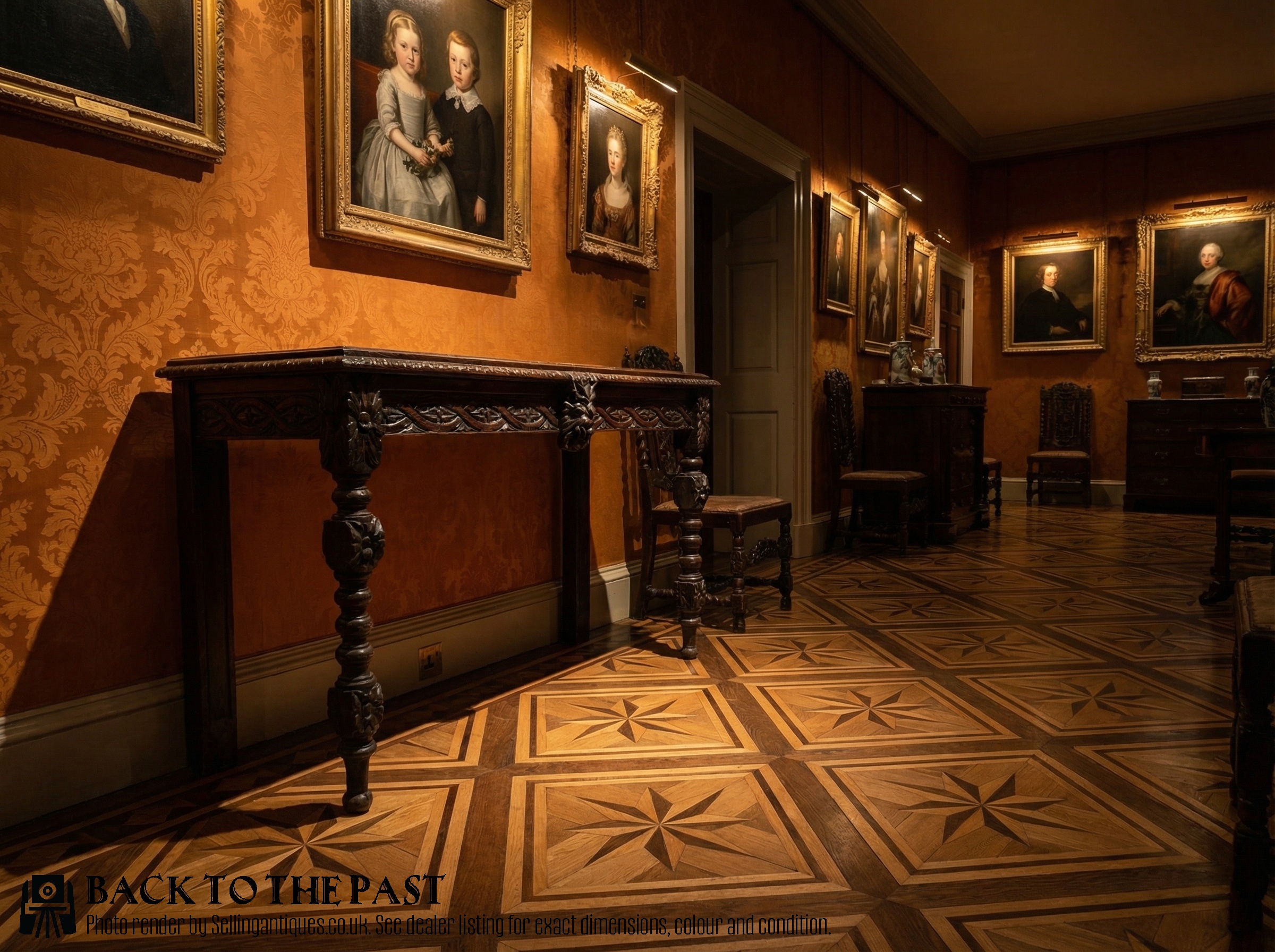
Surface decoration relies heavily on hand carving, featuring geometric panels, foliage, and figural motifs such as Green Man masks on Victorian pieces. Metal hardware includes brass pulls and drop handles alongside iron fittings, fastened securely to timber drawers and framing.
Antique Oak Console Retail Price Guide 2026
Typical asking prices for oak console among the pieces listed under this phrase on Sellingantiques today, from the lower quarter to the upper quarter. They describe what is for sale here now, not the wider market.
Listings feature oak combined with brass and iron across periods spanning the eighteenth, nineteenth, and early twentieth centuries.
What varies in quality
The distinction between standard utility pieces and finer examples rests on the crispness of the hand carving and the selection of figured timber. Superior pieces exhibit tight grain patterns, balanced proportions, and integrated drawers constructed with hand-cut dovetails.
Execution of decorative details marks the upper tiers of craftsmanship, where mouldings, turned legs, and carved panels display deliberate depth and symmetry rather than hasty mass production. Original hardware and unaltered structural timber also elevate a piece's standing among collectors.
Waring & Gillows·Heals
The Antique Oak Console Glossary
- Lowboy
- A small oak table featuring one or more rows of drawers, commonly standing on four legs and dating to the eighteenth century or earlier. These pieces often served as dressing tables or side tables.
- Demi-lune
- A half-moon shape used for console tables designed to sit flush against a wall in narrow hallways or entryways.
- Dresser base
- The lower portion of a kitchen or dining room storage unit, frequently utilised as a heavy console or sideboard table in modern settings.
- Gothic Revival
- A nineteenth-century architectural and decorative style incorporating pointed arches, trefoils, and heavy carved tracery into furniture design.
- Joined oak
- Furniture constructed using traditional pegged mortise and tenon joints rather than metal screws or modern adhesives, common in earlier periods.
Antique Oak Console: Frequently Asked Questions
Where should I place an antique oak console?
An antique oak console suits narrow entryways, hallways, and living rooms where floor space is limited. Its shallow depth allows it to sit against a wall without obstructing foot traffic while providing a useful surface.
Surface space accommodates lamps, decorative objects, or everyday items like keys and mail. Lower tiers or drawers on certain models offer additional storage for household essentials.
How do I date an antique oak console?
Dating relies on examining construction methods, timber characteristics, and stylistic details. Eighteenth-century pieces often display pegged joinery and hand-sawn boards, whereas Victorian examples frequently feature heavier machine-cut elements and deep relief carving.
Hardware styles, drawer construction such as hand-cut dovetails, and overall wear patterns further indicate the period of manufacture. Comparing pieces against documented historical styles provides a reliable timeline.
Are antique oak consoles sturdy enough for daily use?
Solid oak construction gives these tables exceptional durability and structural strength. Centuries of survival demonstrate their capacity to endure regular domestic activity.
Routine maintenance involves keeping them away from direct heat sources and excessive moisture to protect the timber and historic joints. Regular polishing preserves the finish against everyday wear.
What is the difference between a lowboy and a console?
A lowboy is specifically a small table with drawers originating in the seventeenth or eighteenth century, typically standing lower than standard modern surfaces. Console tables encompass a broader category of wall-mounted or freestanding side tables designed for display.
Many lowboys function effectively as consoles in contemporary spaces due to their compact footprints. The primary distinction lies in the historical form and specific drawer arrangements of the lowboy.