
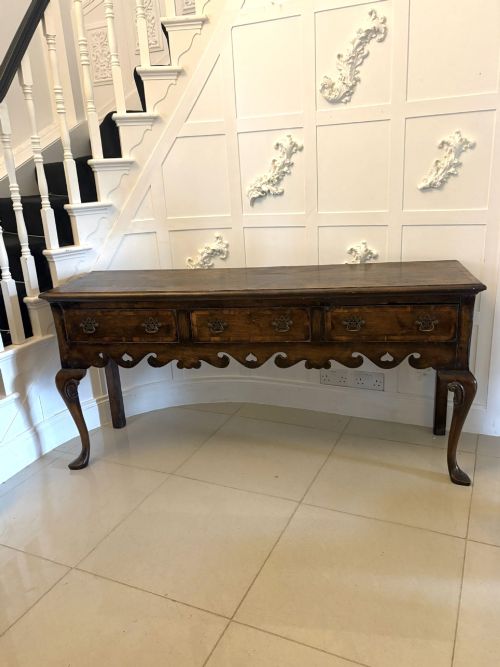
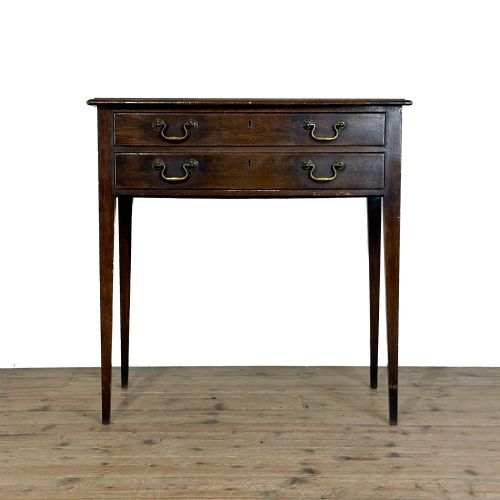
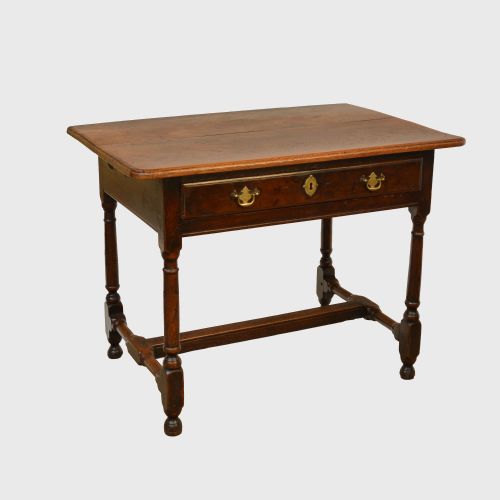
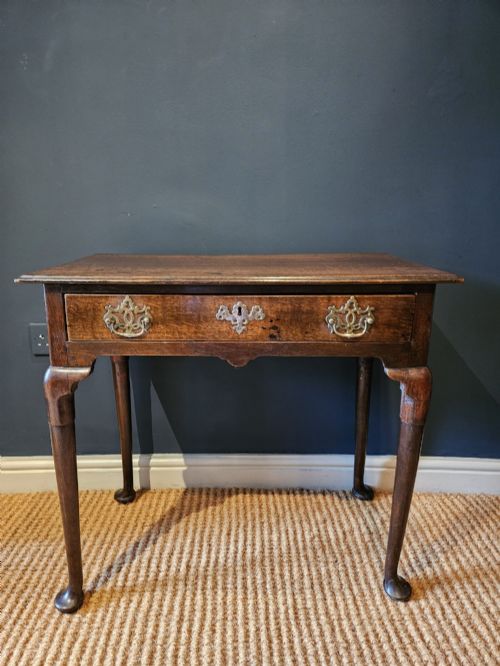
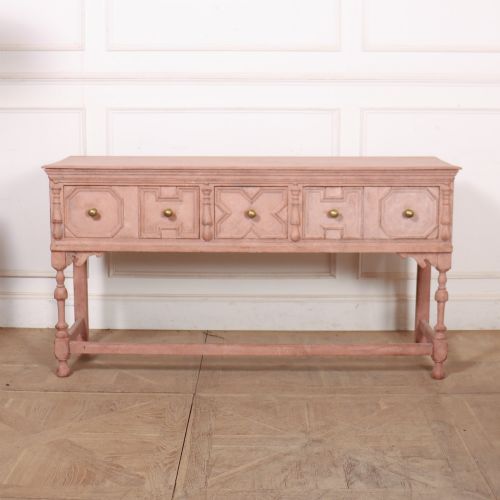
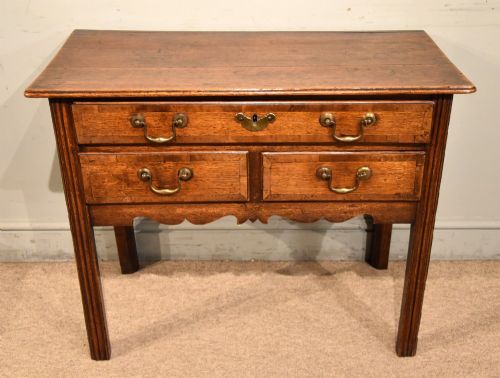
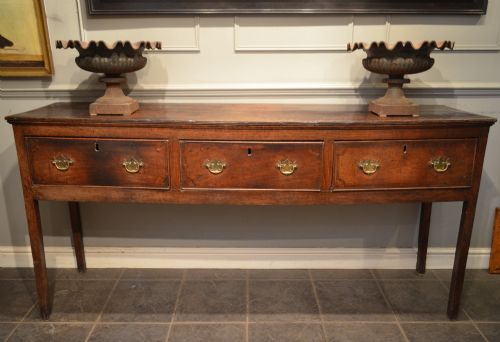
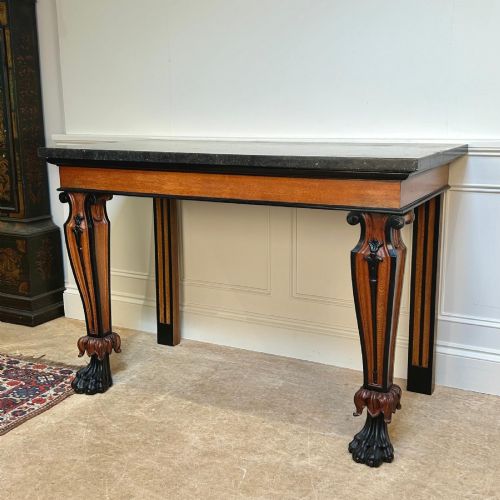
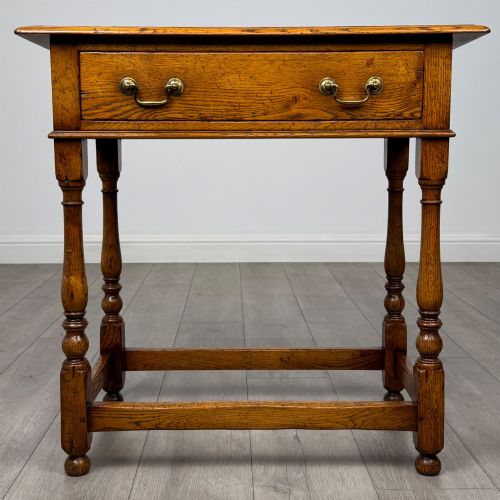
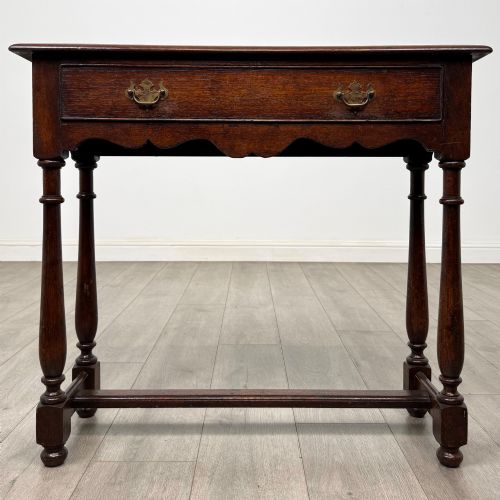
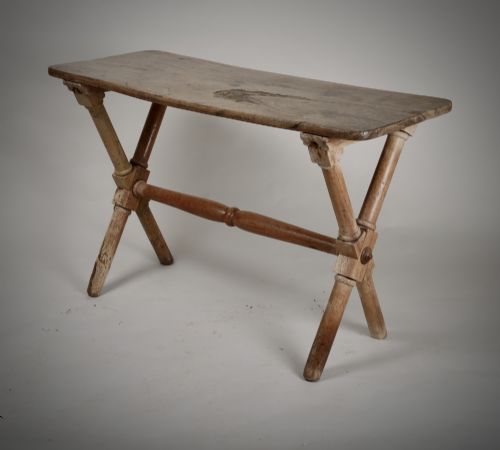
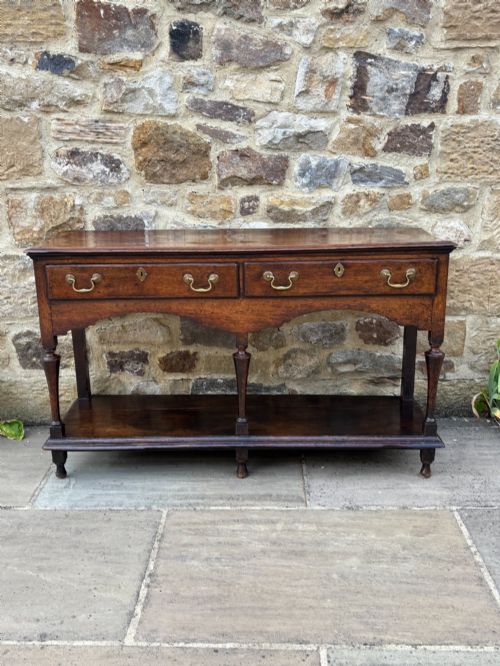
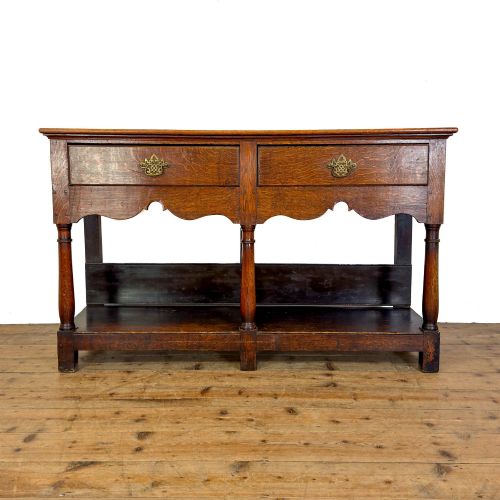

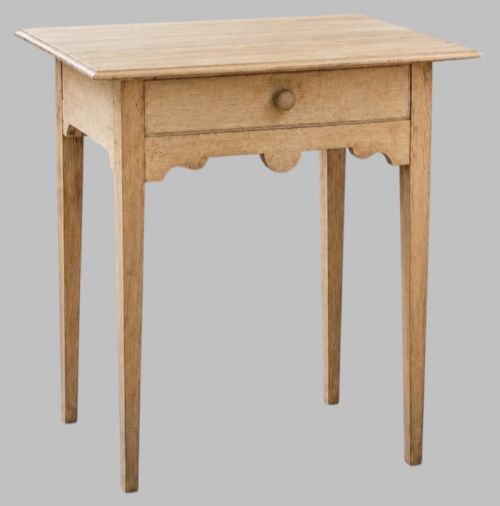
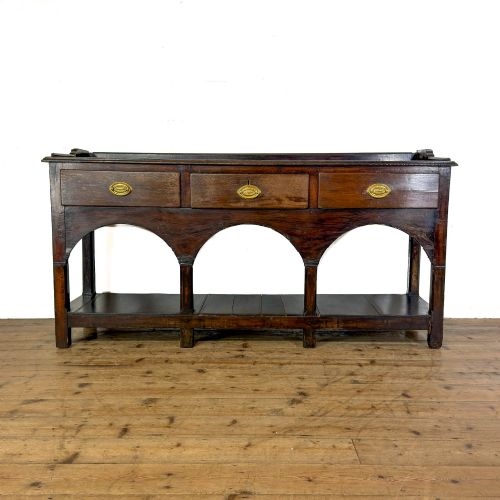
Country Oak Hall Table
These country oak hall table examples bring honest utility and rich grain into an entranceway, built to endure generations of daily foot traffic.
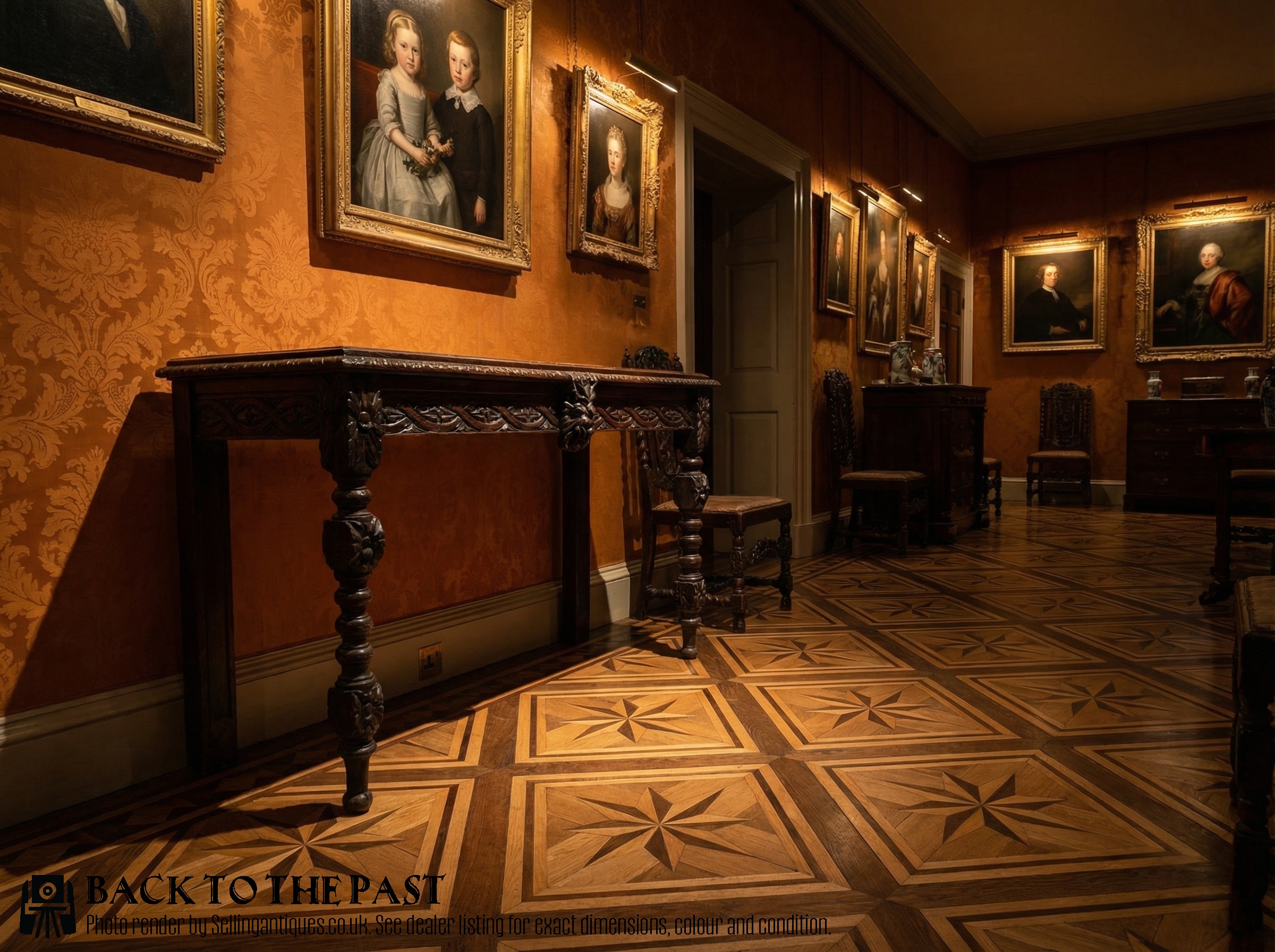
Identifying country oak hall table pieces
A country oak hall table encompasses robust side tables, lowboys, dresser bases, and console forms designed for narrow spaces. The selection ranges from vernacular Welsh pieces to Georgian side tables and Gothic Revival designs.
Most examples originate from the seventeenth, eighteenth, and nineteenth centuries, reflecting domestic rural craftsmanship rather than urban pomp. Surfaces show decades of honest wear that modern reproductions simply cannot replicate.
Materials and construction methods
Cabinetmakers utilised solid oak alongside secondary timbers such as elm, pine, and ebony for framing and drawer linings. Joinery relies on traditional pegged mortise and tenon construction to ensure structural rigidity.
Metal hardware incorporates hand-forged iron and brass for handles, hinges, and drawer pulls. Carved decoration appears on select Gothic and Welsh items, executed with chisels rather than mechanical routers.
Retail Price Guide 2026
Typical UK retail prices for country oak hall table, calculated from the Sellingantiques database of over a million retail prices indexed since 2003. This retail price guide relies exclusively on Sellingantiques data; no external sources or auction records are used, so the figures do not describe the wider market.
The listings combine oak with brass, pine, iron, and ebony across Victorian, Georgian, and seventeenth-century periods.
Distinguishing quality in vernacular furniture
The grading of a country oak hall table rests upon timber selection and the integrity of the original structure. Quarter-sawn oak displays striking medullary rays that elevate the visual presence of the top board.
Proportion and untouched surfaces separate superior specimens from heavily restored alternatives. Pieces retaining their original patination and unclipped legs command greater respect among purists.
The Country Oak Hall Table Glossary
- Lowboy
- A small table with one or more drawers, often used as a side or hall table. These low-standing tables provide compact storage beneath a flat top.
- Dresser base
- The lower section of a kitchen or dining dresser utilised independently as a serving or hall surface. They typically feature multiple drawers arranged in a row above open space or cupboards.
- Drop-leaf table
- A table featuring hinged flaps on the sides that fold down to save space. This versatile form allowed owners to expand surface area only when required.
- Patina
- The deep sheen and surface alteration developed by wood over centuries of handling and polishing. It serves as a visual indicator of age and consistent use.
- Medullary ray
- A cellular structure visible in quarter-sawn oak that creates a distinctive silver-flake grain pattern. Cabinetmakers prized this figure for its decorative appeal.
Frequently Asked Questions
How do I use a hall table in a small entryway?
A narrow side or lowboy fits snugly against a wall without obstructing foot traffic. The surface holds everyday items like keys and post while maintaining an uncluttered aesthetic.
Drawer storage keeps small necessities hidden from view. Selecting a piece with slender legs prevents the hallway from feeling cramped.
Can I use an antique oak table every day?
These tables were constructed for demanding domestic service in kitchens, halls, and dining rooms. Daily use contributes to the existing character rather than diminishing the integrity.
Applying beeswax regularly protects the timber from moisture and surface marking. Avoid placing hot items directly onto the historical wood surface.
How do I date an antique oak table?
Examination of tool marks, joint construction, and timber shrinkage reveals the era of manufacture. Hand-sawn boards and pegged joints usually indicate seventeenth or eighteenth-century origin.
Secondary woods and hardware styles help narrow down the period. Comparing the piece to documented examples from the same region confirms the timeline.
What is the difference between a lowboy and a side table?
A lowboy specifically designates a low table fitted with one or more rows of drawers. Side tables encompass a broader category that may lack drawers entirely.
Both forms served similar functional roles in domestic interiors. Regional cabinetmakers often applied either term interchangeably to vernacular oak pieces.