


Country House Oak Table
A country house oak table brings honest timber, utility and centuries of domestic history straight into the modern room.
Country House Oak Table
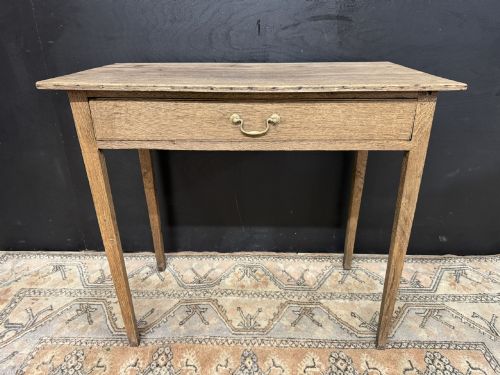
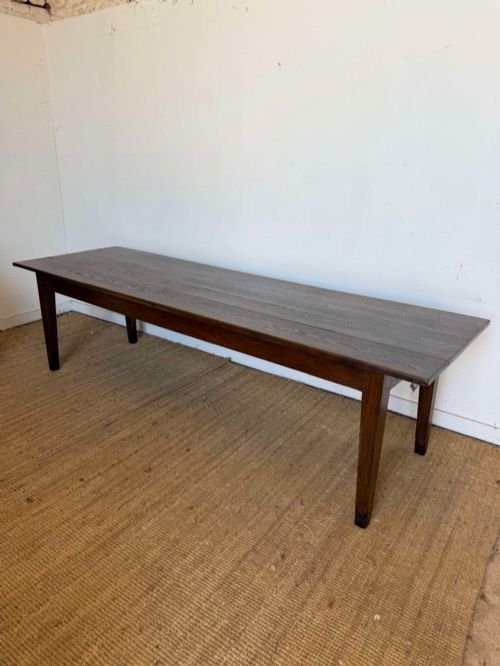
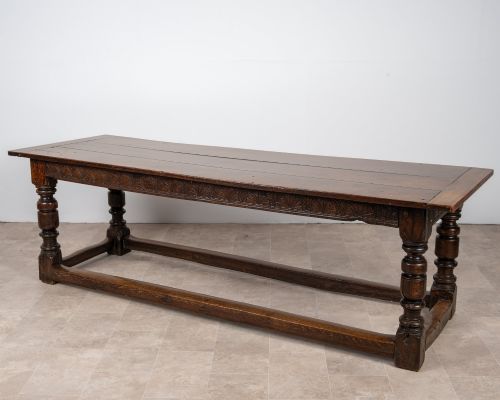
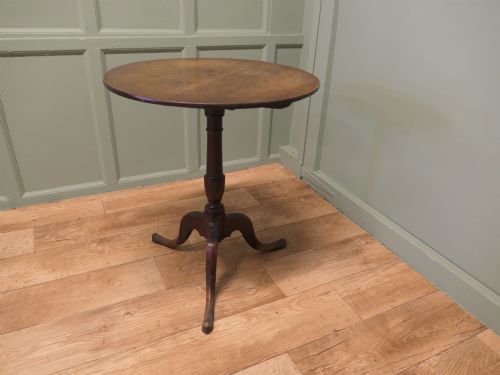
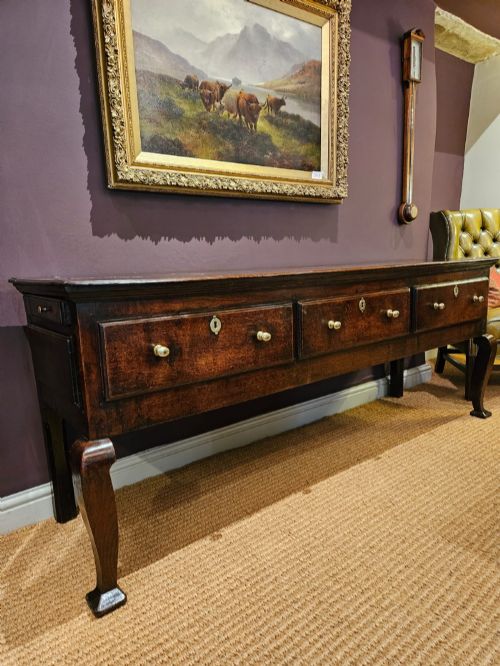
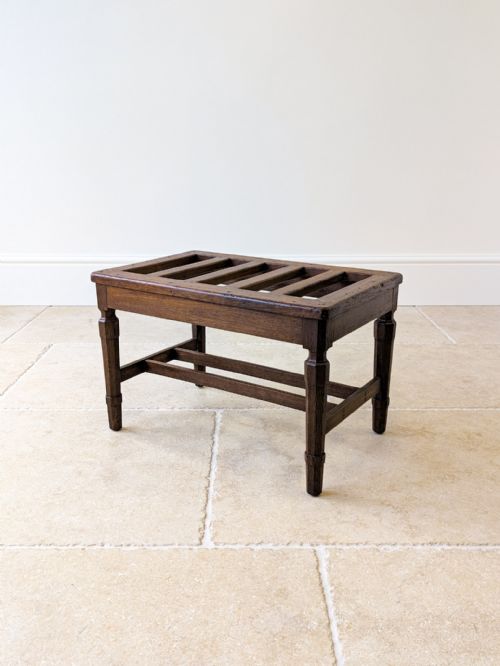
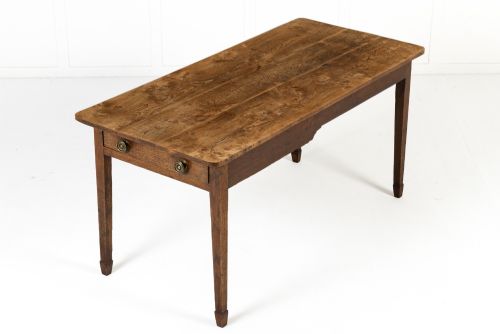
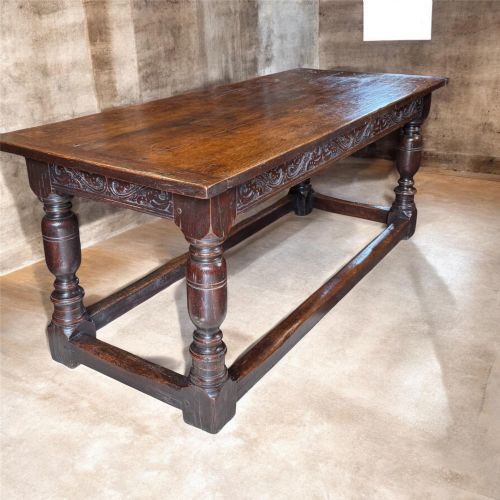
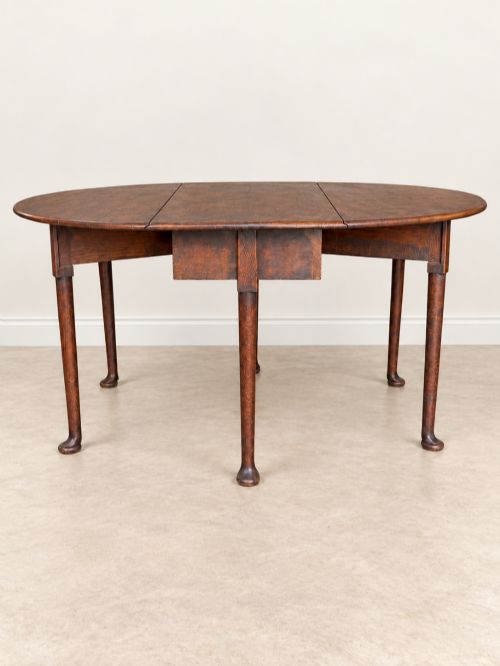
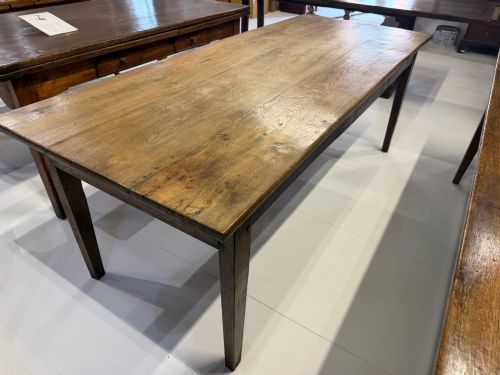
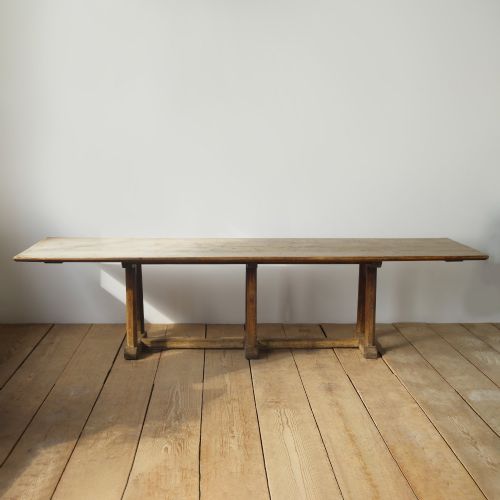
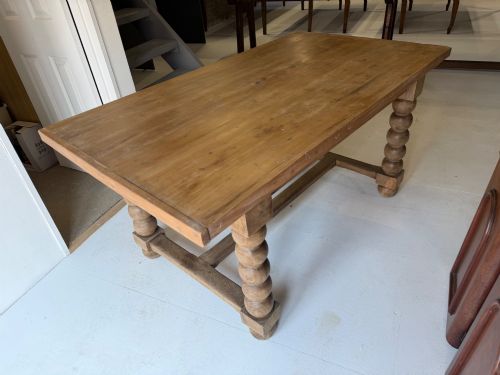
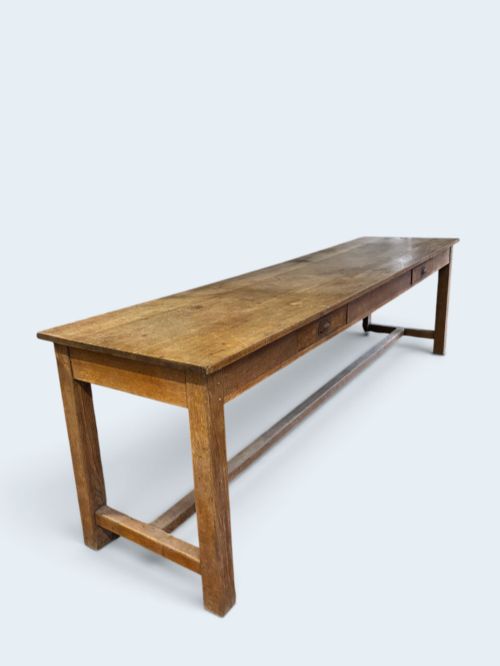
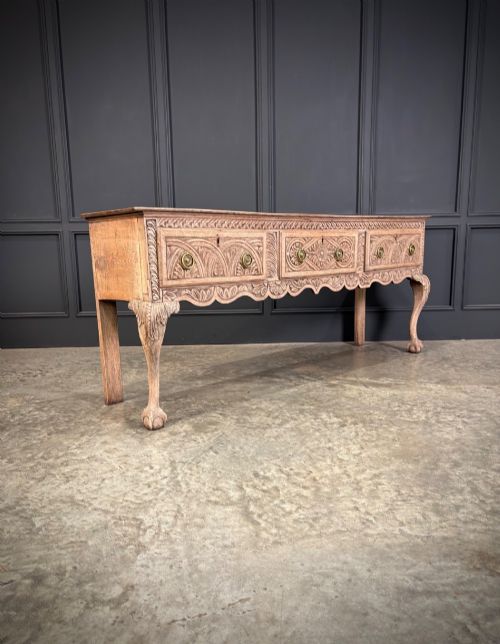
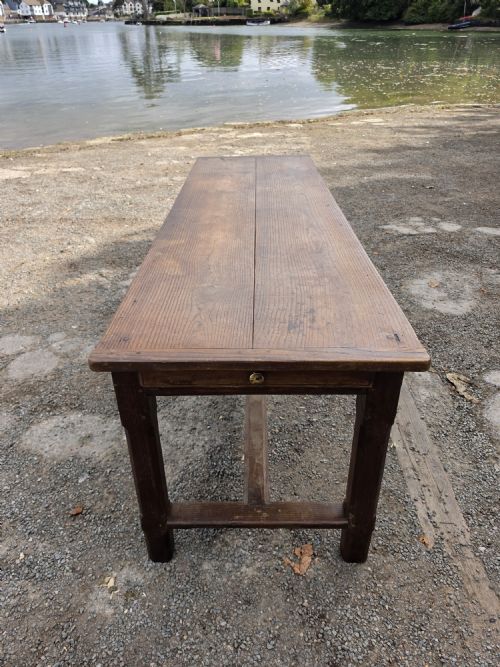
A country house oak table represents the working heart of domestic life, built from robust timber to handle decades of daily use. When searching for a country house oak table, you encounter forms ranging from long refectory dining boards to side tables, gatelegs, low boys and cricket tables. These pieces originate across the Georgian and Victorian eras, alongside seventeenth-century examples and later interpretations.
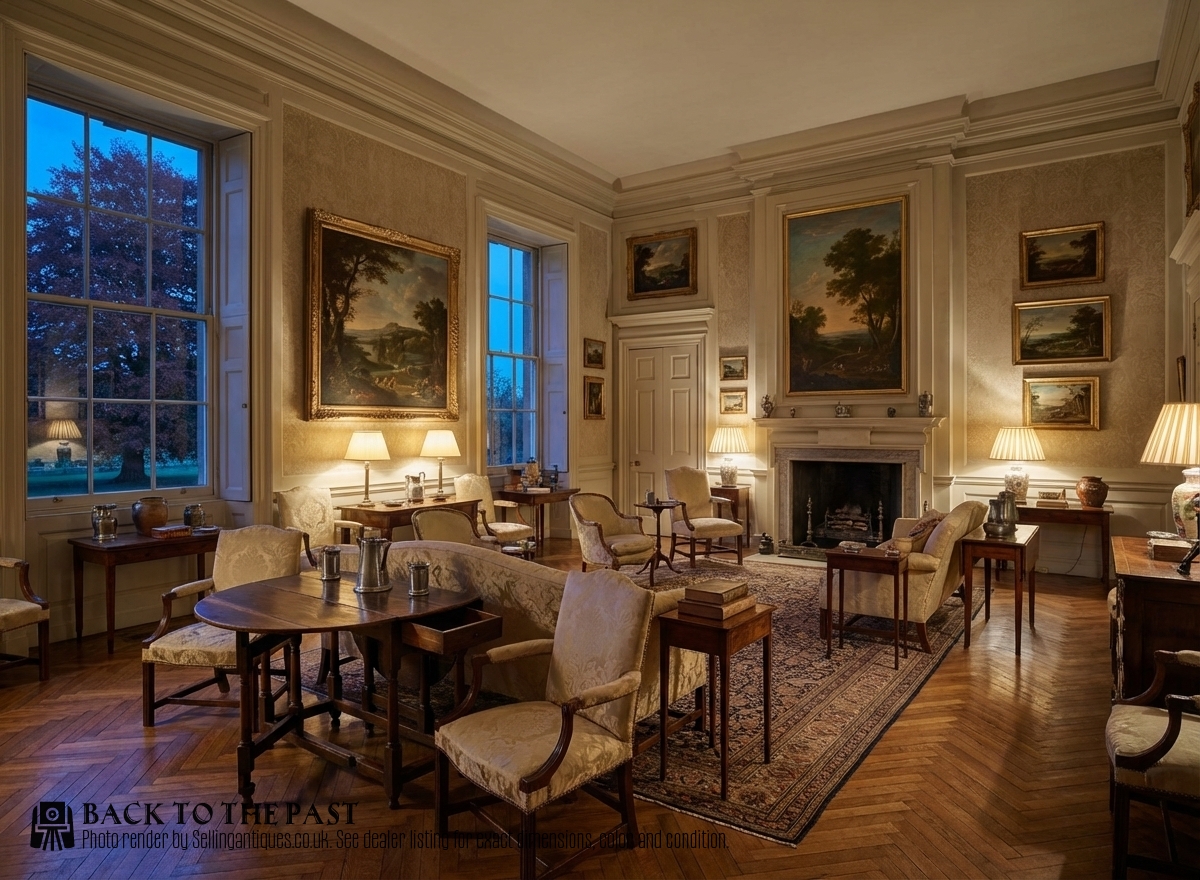
The proportions vary according to the original function, with kitchen and refectory boards offering generous lengths for gathering, while smaller side tables and cricket tables fit tighter hallways or corners. Solid oak provides the primary substance, often complemented by elm, pollard oak or burr oak variations in specific furniture types. Surviving examples demonstrate how these surfaces adapted from utilitarian farmhouse preparation spaces to principal entertaining rooms.
Construction and materials
Makers constructed these pieces primarily from solid oak, supplemented occasionally by elm, iron and brass details such as hinges, handles or extending mechanisms. Surfaces often display the distinct grain patterns of bleached oak, light oak or heavily figured burr timber depending on the specific period of production.
Carpenters utilised traditional joinery methods including pegged mortise and tenon joints, drop-flap hinges on gateleg variations, and trestle supports to ensure structural stability under heavy daily loads. The resulting frames rely on the natural density of the hardwood to maintain integrity across centuries without relying on synthetic adhesives.
Country House Oak Table Retail Price Guide 2026
Typical asking prices for country house oak table among the pieces listed under this phrase on Sellingantiques today, from the lower quarter to the upper quarter. They describe what is for sale here now, not the wider market.
Some tables retain the quiet scars of past supper arguments and spilled claret, polished smooth by generations of elbows.
Distinctions in quality
Quality rests upon the integrity of the timber selection and the depth of the surviving surface character, particularly where original patination shows decades of gentle use. Pieces retaining their structural framing without excessive timber replacement command higher regard among collectors.
The refinement of the joinery and the balance of the proportions distinguish superior examples from purely utilitarian workshop output. Grain movement and the harmonious integration of later historic elements, where present, define the upper tier of these survivals.
The Country House Oak Table Glossary
- Refectory table
- A long, narrow dining table originally designed for communal eating spaces and heavy domestic use. These boards typically feature stretchers running between sturdy legs for added stability.
- Gateleg table
- A drop-leaf table featuring hinged legs that swing out like gates to support the raised flaps. This design allowed furniture to expand for dining and fold down compactly against walls.
- Low boy
- A small eighteenth-century dressing or side table featuring one or more drawers beneath a flat top. They rest on slender cabriole or straight legs.
- Cricket table
- A small, lightweight occasional table traditionally featuring three legs and a triangular or circular top. Their design ensured stability on uneven stone floors.
- Patina
- The deep surface sheen and colour developed by wood through years of handling, polishing, and exposure to light. Original patination serves as a key indicator of age and undisturbed history.
Country House Oak Table: Frequently Asked Questions
How do I date an oak table?
Dating relies on examining the construction methods, tool marks left by carpenters, and the wear patterns across the timber. Joinery styles and leg turning often align with specific periods like the Georgian era or the seventeenth century.
Changes in hardware, such as brass fittings, and the presence of original patination help narrow down the timeline. Comparing timber shrinkage and historic repairs adds further clarity to the age of the piece.
Were these tables used in kitchens?
Many of these pieces served as heavy work surfaces for food preparation and daily estate management in large country properties. Their robust solid oak construction withstood constant activity and heavy loads.
Over time, some kitchen boards transitioned into dining spaces or secondary reception rooms as country house interiors evolved. Their utilitarian origins explain the honest, unpretentious lines found on farmhouse examples.
How do I care for antique oak?
Maintaining antique oak requires keeping the timber away from direct heat sources and sudden humidity shifts that cause splitting. Regular dusting with a dry cloth protects the surface without building up heavy chemical residues.
Applying natural wax occasionally helps nourish the wood and preserve the historic finish. Avoiding synthetic cleaning products ensures the original patination continues to develop safely.
What is a refectory table?
A refectory table is a long, narrow dining table built to accommodate large numbers of people for communal meals. They typically feature thick timber tops supported by sturdy legs joined with low stretchers.
These pieces originated in monastic dining halls before becoming staples in large country houses and farmhouses. Their enduring appeal lies in their capacity to anchor a large dining room with substantial historic presence.