



Welsh Oak Side Table
A welsh oak side table offers honest regional craft, built from sturdy native timber to serve generations of practical household use.
Welsh Oak Side Table
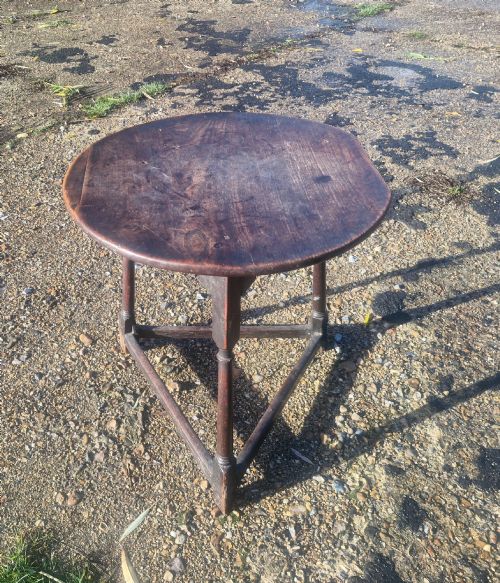
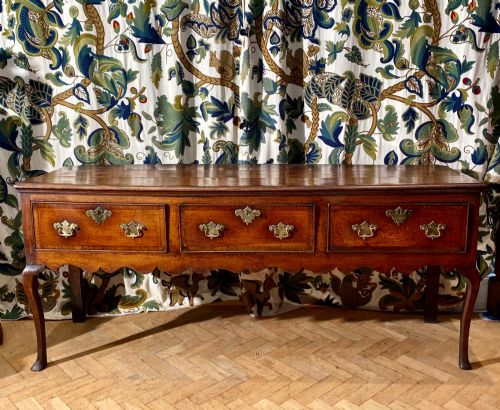
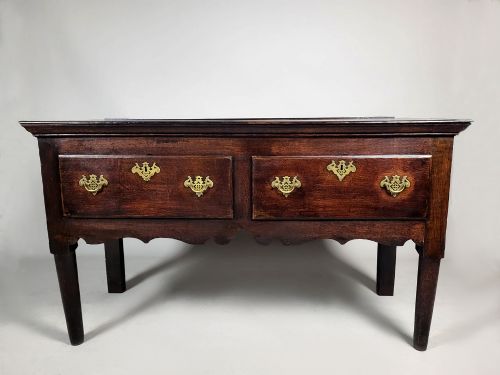
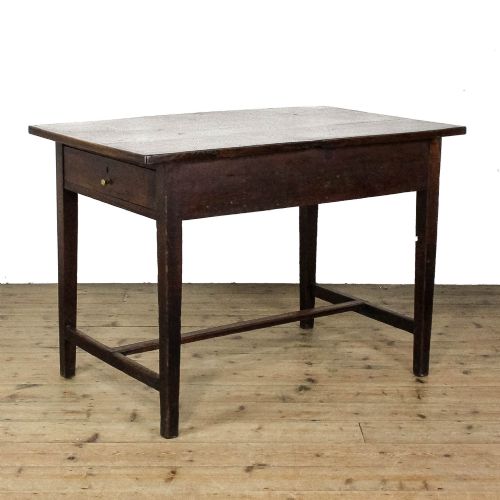
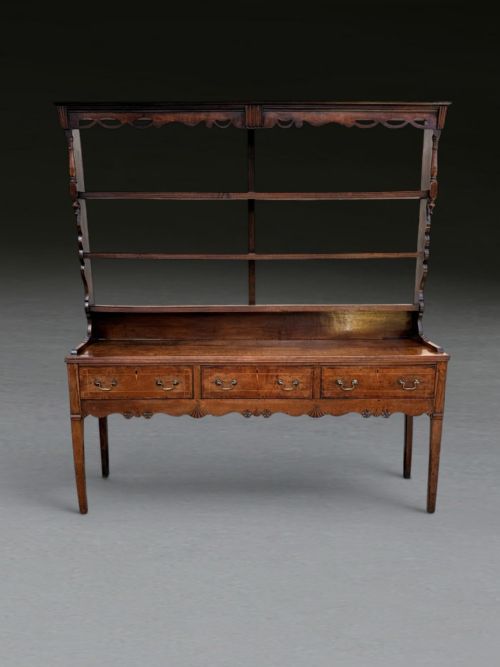
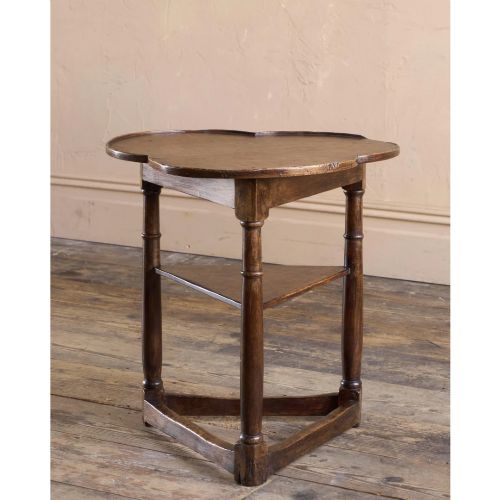
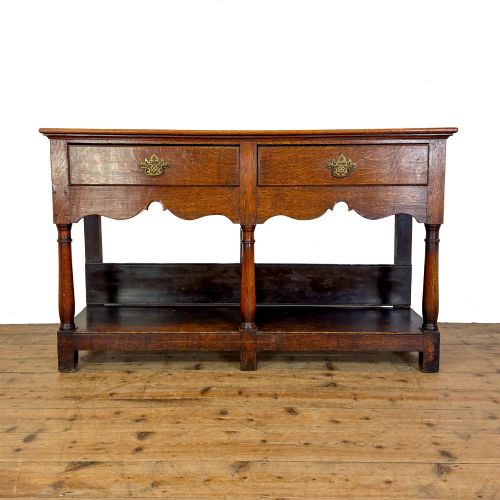
When you search for a welsh oak side table, you encounter practical utilitarian furniture rooted in seventeenth, eighteenth and nineteenth century vernacular traditions. These tables range from lowboys and small serving surfaces to primitive occasional pieces originating from regions such as Snowdonia and Monmouthshire.
The version you are most likely to meet on this page dates from the Georgian period, often featuring simple drawer configurations, pegged joints and sturdy timber boards. Many examples show the honest wear of country kitchens and farmhouses where everyday utility dictated the form.

How they were made
Local cabinet makers constructed these items primarily using native oak, frequently supplemented with secondary woods like pine or ash for internal framing and drawer linings. Peg joints secure the structural framework without relying on modern metal fasteners.
Surfaces often display the marks of hand-planing and simple turning on legs, while decorative flourishes occasionally include timber inlay, pierced friezes or fretted aprons.
Welsh Oak Side Table Retail Price Guide 2026
Typical asking prices for welsh oak side table among the pieces listed under this phrase on Sellingantiques today, from the lower quarter to the upper quarter. They describe what is for sale here now, not the wider market.
Some tables retain traces of old paint or kitchen grease, whispering tales of long-forgotten farmhouse suppers.
What varies in quality
The distinction between standard utility items and finer examples rests on the balance of proportions and the integrity of the original construction. Pieces retaining untouched timber surfaces and minimal structural replacement hold greater merit among collectors.
Subtle details such as shaped aprons, original brass hardware and well-executed peg joinery elevate an otherwise plain farmhouse surface into a more accomplished example of regional craftsmanship.
The Welsh Oak Side Table Glossary
- Lowboy
- A small table with drawers, typically raised on four legs, used historically for dressing or serving.
- Potboard
- An open lower shelf built into a table or dresser base, traditionally used for storing pottery and earthenware.
- Peg joined
- A method of construction where wooden dowels secure mortise and tenon joints instead of iron nails or screws.
- Vernacular
- Architecture and furniture built by local craftsmen to local traditions using readily available native materials.
- Fretted apron
- A decorative wooden border cut with a pierced pattern, situated beneath the tabletop.
Welsh Oak Side Table: Frequently Asked Questions
How do I date a table?
Dating relies on observing construction methods, timber patination and leg styles. Peg joinery and hand-cut boards point to earlier centuries.
Comparative study of regional vernacular forms helps narrow down the decade of production.
Where were these tables made?
These pieces originate from Welsh rural workshops and farmhouses. Local carpenters utilised native timber stocks to meet domestic needs.
Specific regional characteristics sometimes link a piece to areas like Snowdonia or Monmouthshire.
How should I clean oak?
Maintain the timber by dusting with a dry cloth and occasionally applying natural beeswax. Avoid modern silicone sprays that damage historic surfaces.
Keeping the table away from direct heat sources prevents the oak from splitting.