
Georgian Welsh Furniture
Georgian Welsh furniture brings sturdy oak dressers, cupboards, and coffers into rooms where people gather and store domestic goods.
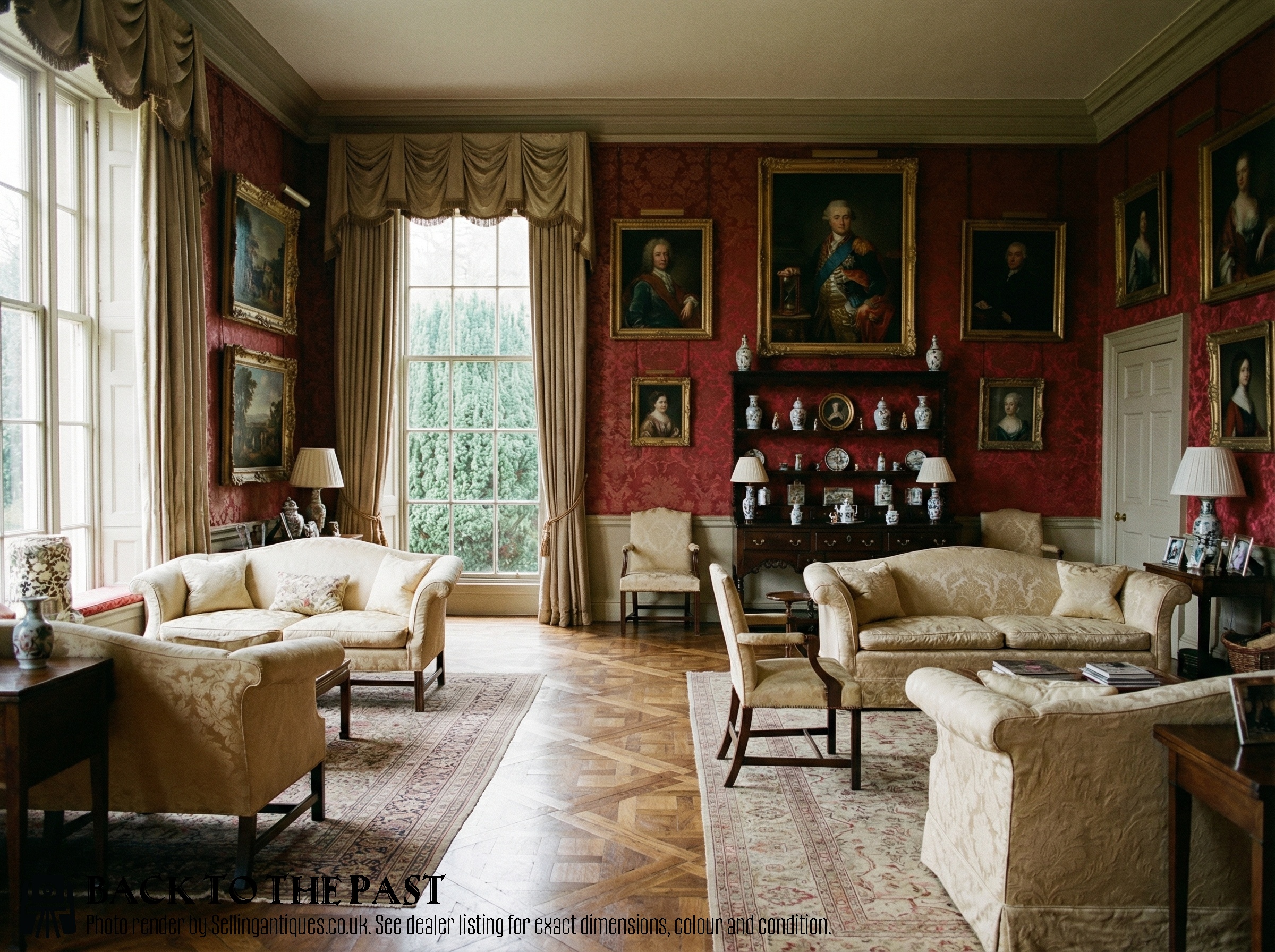
Georgian Welsh Furniture
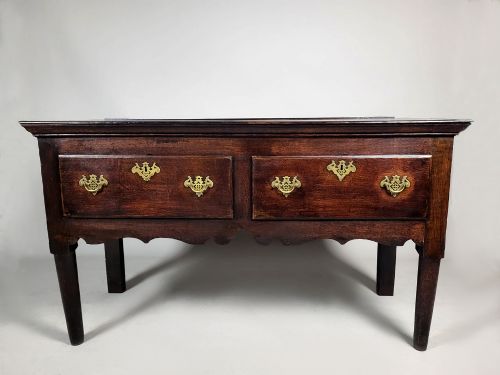
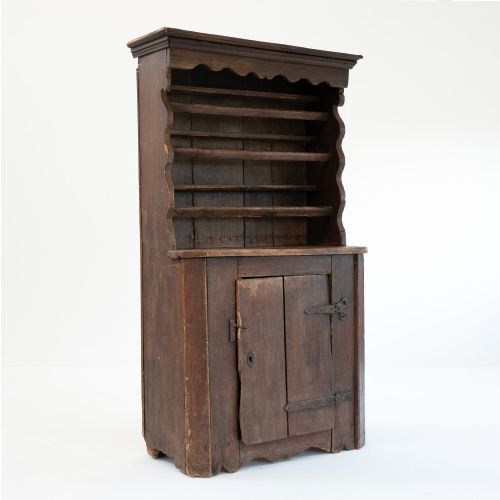
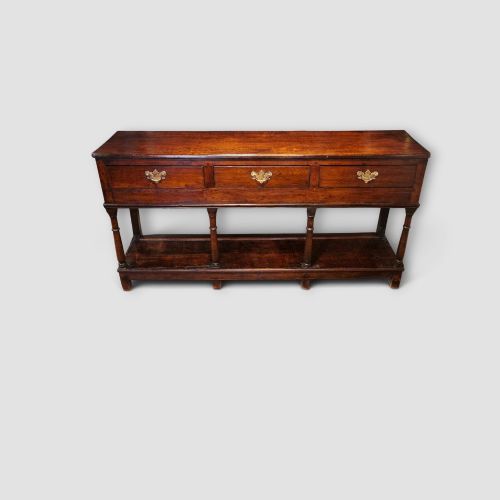
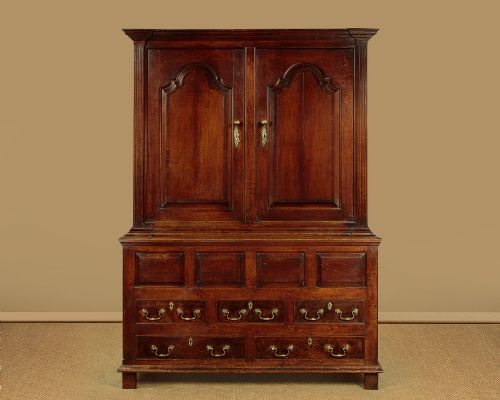
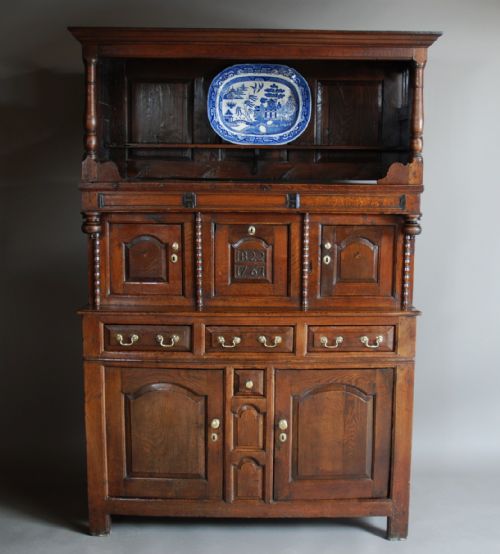
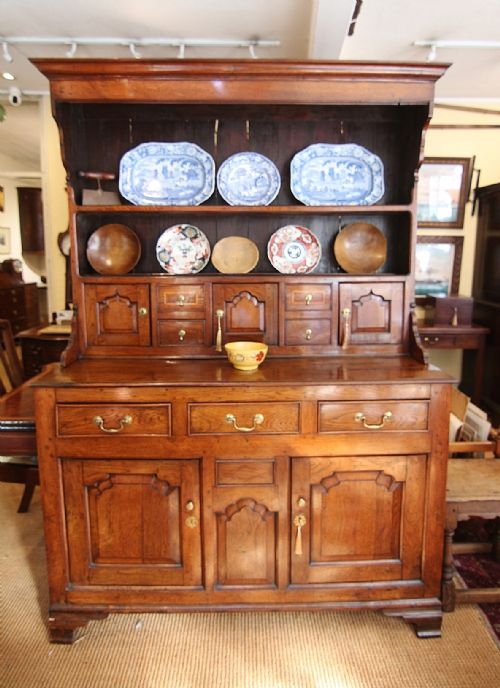
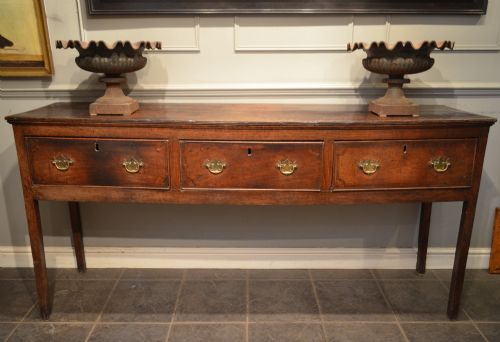
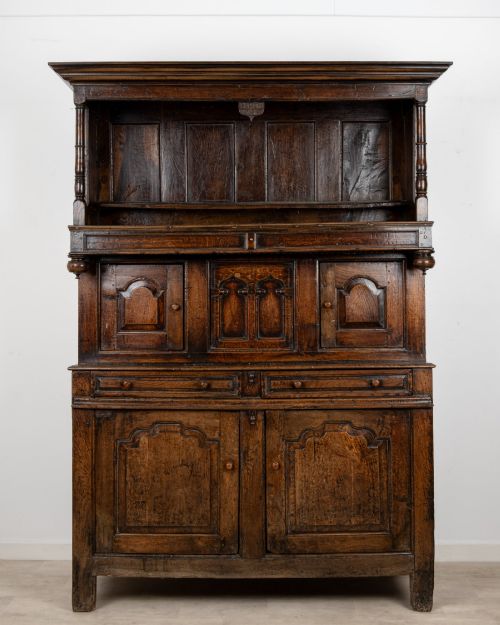
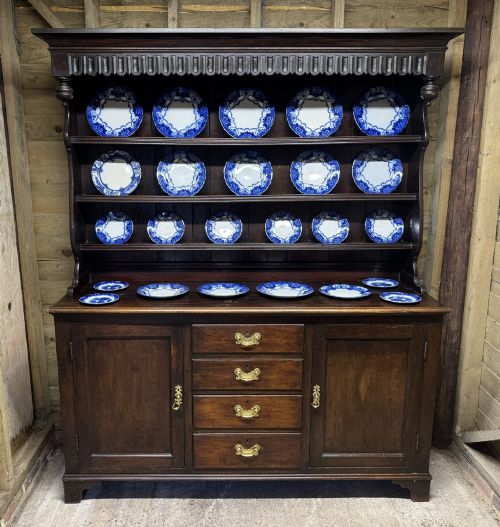
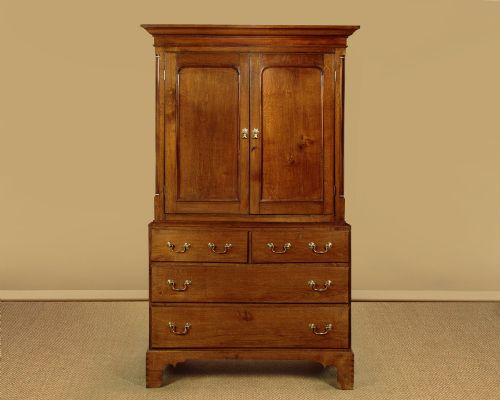
Georgian Welsh furniture encompasses utilitarian domestic pieces built from regional timbers during the eighteenth and early nineteenth centuries. Buyers searching for georgian welsh furniture typically encounter robust dressers, dresser bases with potboards, cwpwrdd tridarn, and coffer bach designed for rural households.
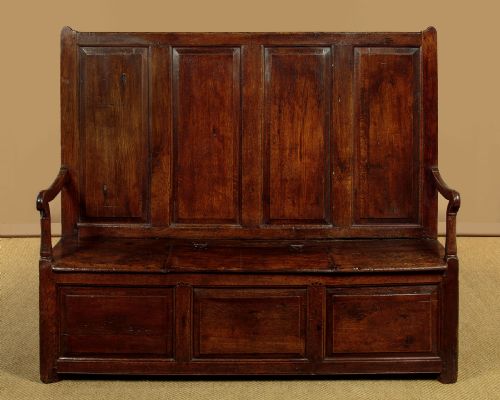
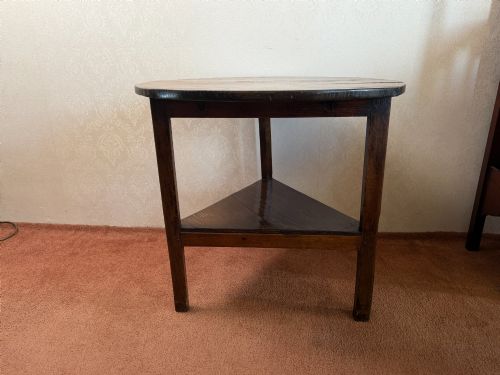
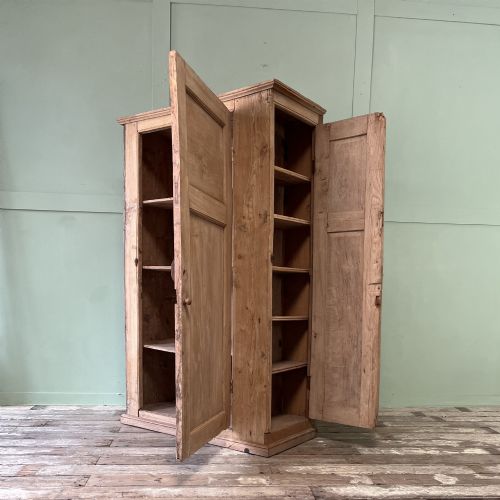
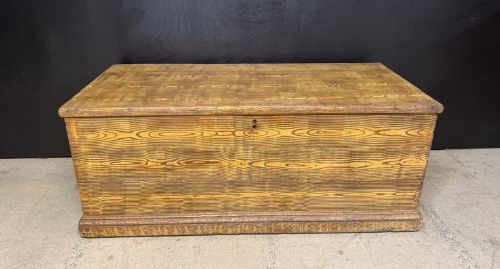
The selection includes specialised vernacular forms such as tack cupboards, food cupboards, box settles, and cricket tables alongside more conventional chests and side tables. Oak remains the predominant structural timber, supplemented by elm, pine, and ash across various regional workshops.
How they were made
Joiners and country cabinetmakers utilised native hardwoods like oak and elm, selecting boards for durability and structural strength in everyday use. Surfaces often display hand-planed finishes and pegged mortise and tenon joinery that held heavy loads in farmhouses and cottages.
Secondary timbers such as pine appear in internal shelving and drawer linings, while brass and iron hardware secure doors and lids. Construction methods prioritised utilitarian longevity over delicate ornamentation, resulting in heavy carcass work and straightforward panel assembly.
Georgian Welsh Furniture Retail Price Guide 2026
Typical asking prices for georgian welsh furniture among the pieces listed under this phrase on Sellingantiques today, from the lower quarter to the upper quarter. They describe what is for sale here now, not the wider market.
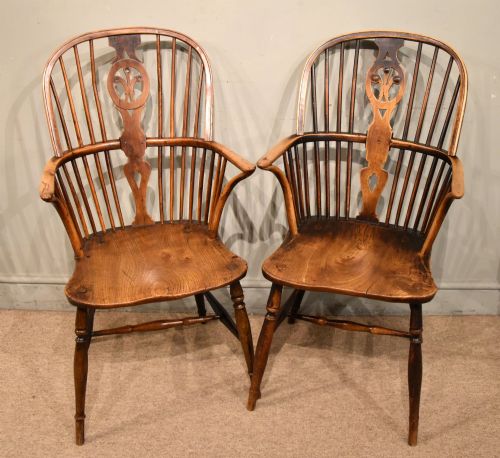
Listings demonstrate a strong prevalence of eighteenth-century oak construction, featuring regional Welsh forms alongside elm seating and occasional pine chests.
What varies in quality
The degree of regional character and the retention of original surface patination distinguish standard utilitarian items from exceptional vernacular examples. Pieces retaining untouched timber surfaces, original brasses, and regional traits like Snowdonia or Llanrwst construction demonstrate superior desirability.
Proportion and architectural ambition also divide simple workshop output from sophisticated country pieces, seen in elaborate carved panels, multi-tier cwpwrdd tridarn forms, and integrated plate racks. The integration of secondary woods and the extent of later alterations shift the integrity of individual examples.
The Georgian Welsh Furniture Glossary
- Coffer bach
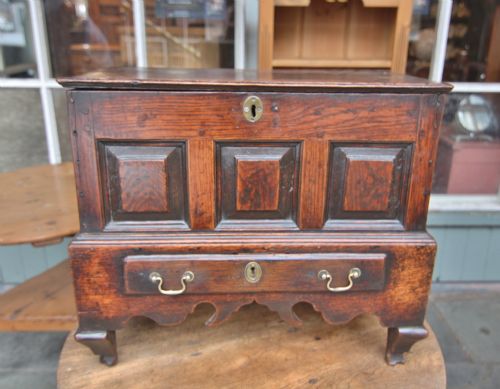
- A small chest or box, often fitted with a drawer beneath the main compartment. These miniature chests were traditionally presented as wedding gifts or love tokens.
- Potboard
- A lower open shelf built into the base of a Welsh dresser. This platform was originally intended for storing heavy pots and pans.
- Box settle
- An enclosed wooden bench featuring a high back and a storage compartment beneath the seat. It provided shelter from draughts in farmhouse kitchens.
- Cricket table
- A small, lightweight occasional table supported by three splayed legs. The design provided stability on uneven stone floors.
Georgian Welsh Furniture: Frequently Asked Questions
What is a cwpwrdd tridarn?
A cwpwrdd tridarn is a traditional three-piece Welsh cupboard designed with an open middle section and enclosed tiers above and below. These large storage pieces served as focal points in farmhouse interiors.
Craftsmen built them to display pewter and store household provisions securely behind panelled doors.
How do I use a coffer bach?
A coffer bach is a small Welsh box with a hinged lid, often constructed with a single drawer at the base. They sit easily on tables or sideboards as decorative storage.
Historically, makers constructed them to hold valuables, documents, or textiles within domestic spaces.
Where were these pieces made?
These items originated in rural Welsh communities, fashioned by local country joiners working in regional styles. Towns such as Llanrwst and upland areas like Snowdonia developed distinct structural characteristics.
Makers utilised locally available timber, primarily oak and elm, to supply farmhouses and village homes.