

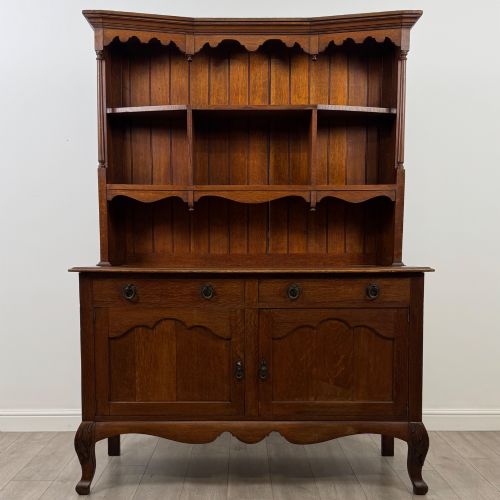
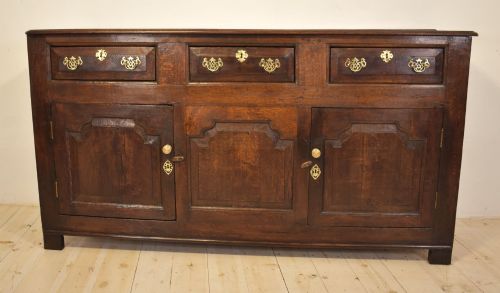
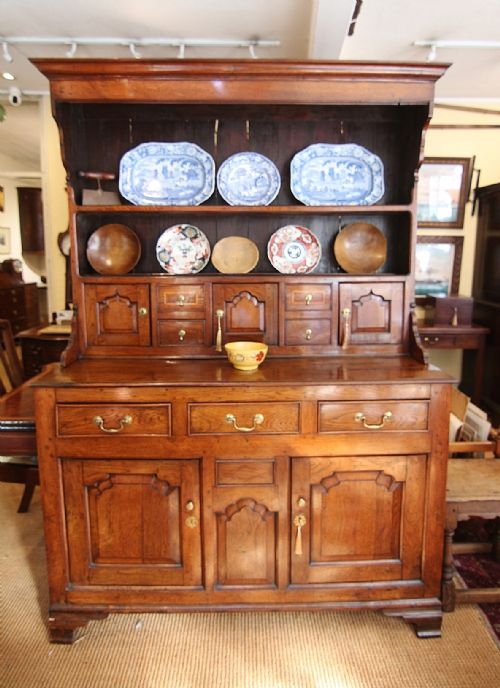
Welsh Oak Sideboard
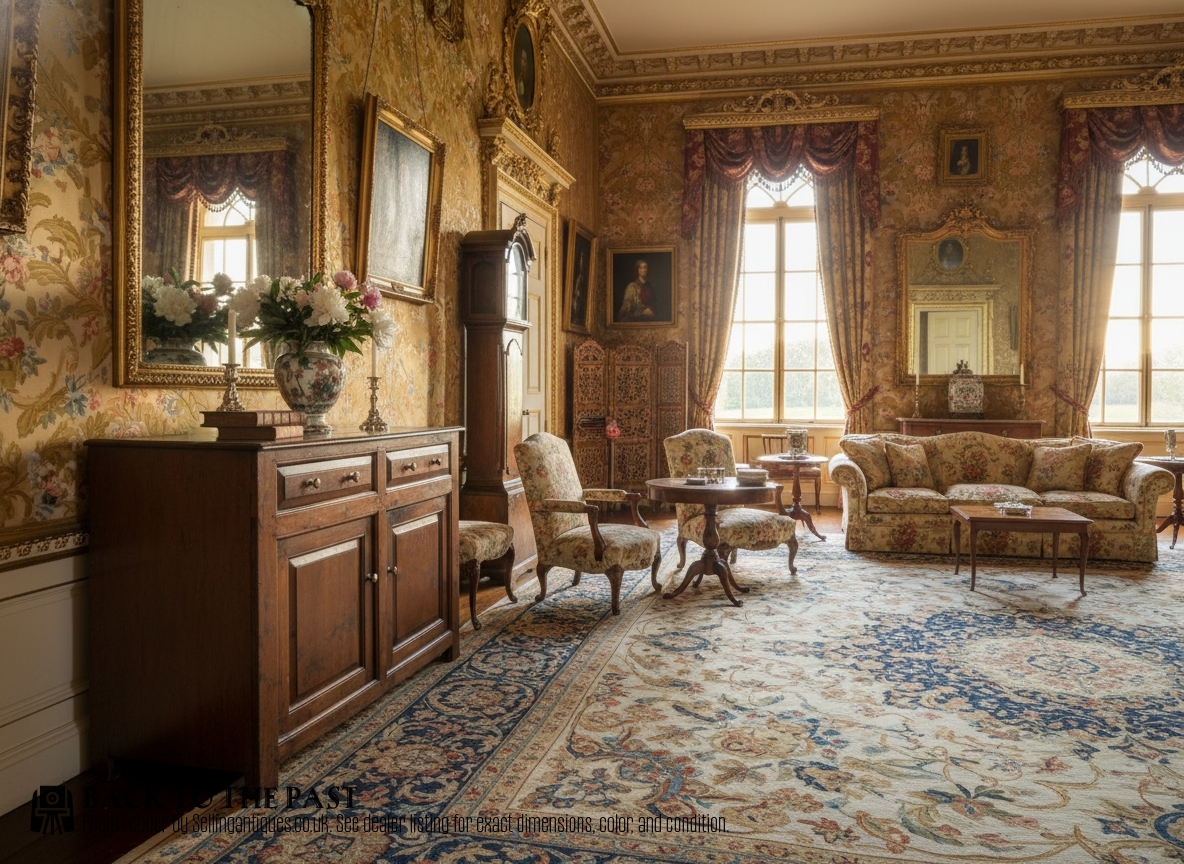
A welsh oak sideboard provides robust country utility, anchoring dining spaces with heavy timbers and generations of functional craft.
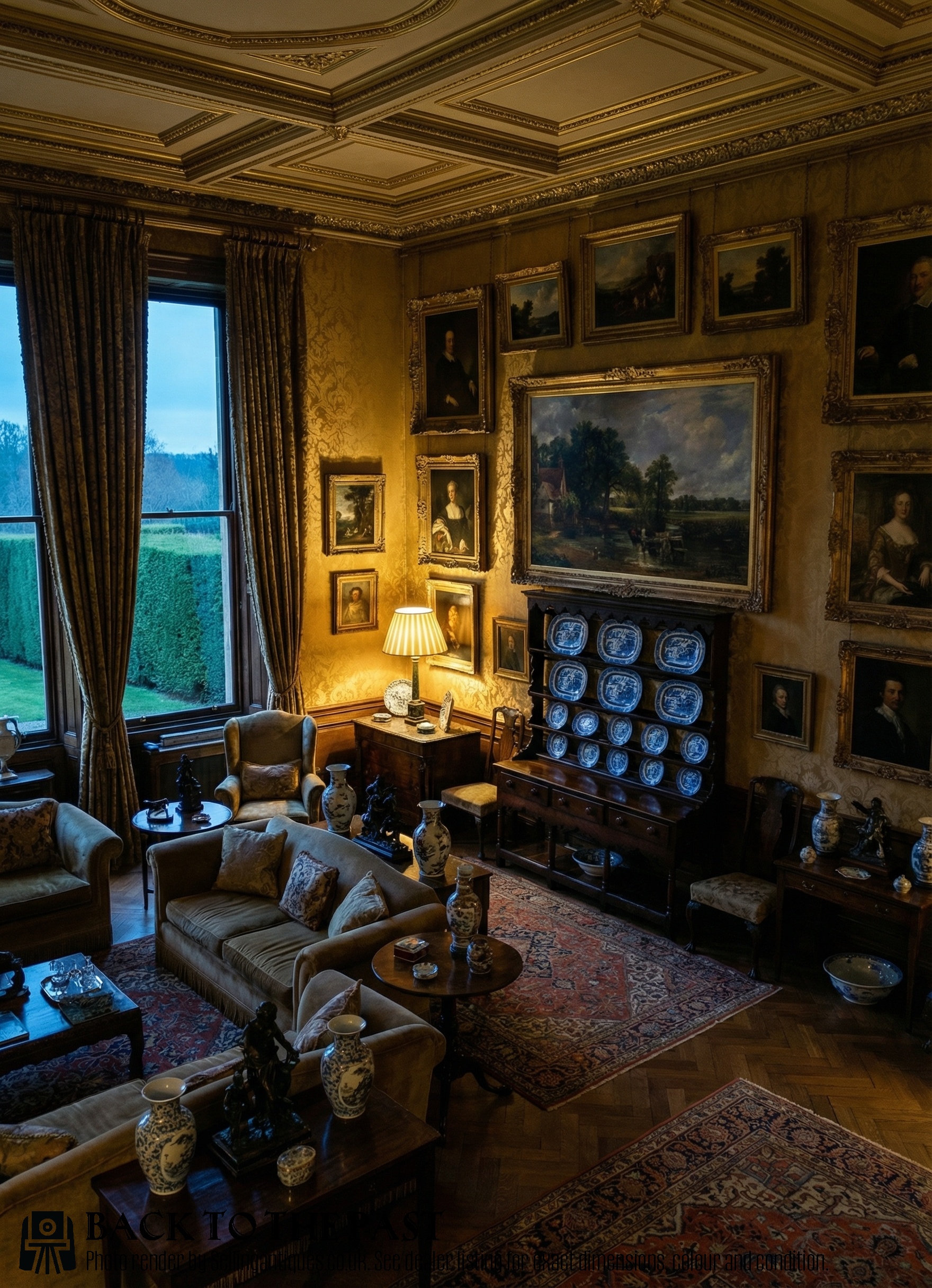
Welsh Oak Sideboard
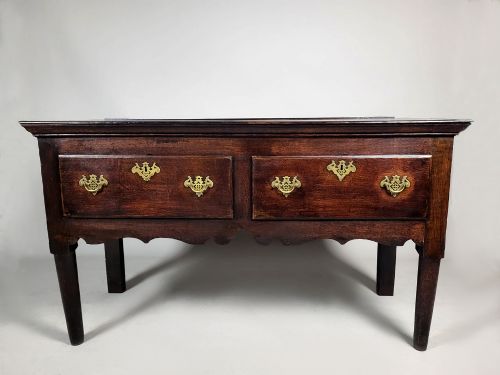
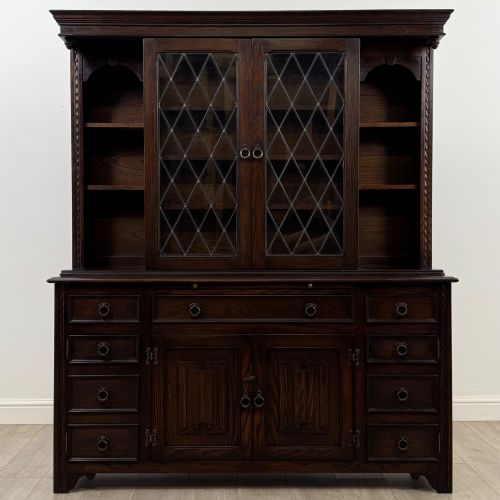
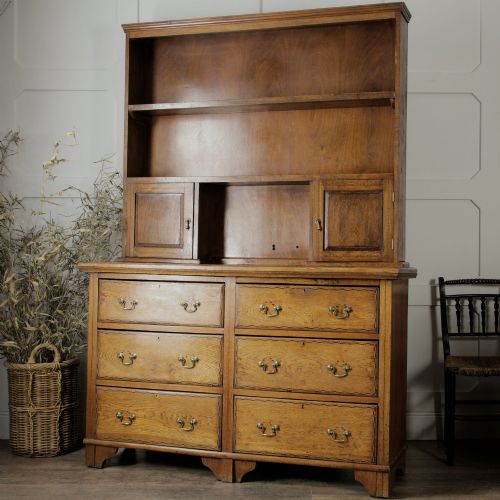
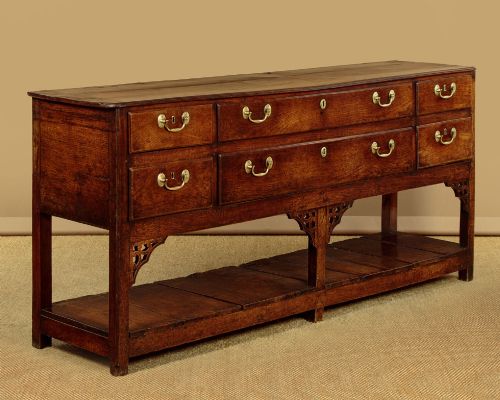
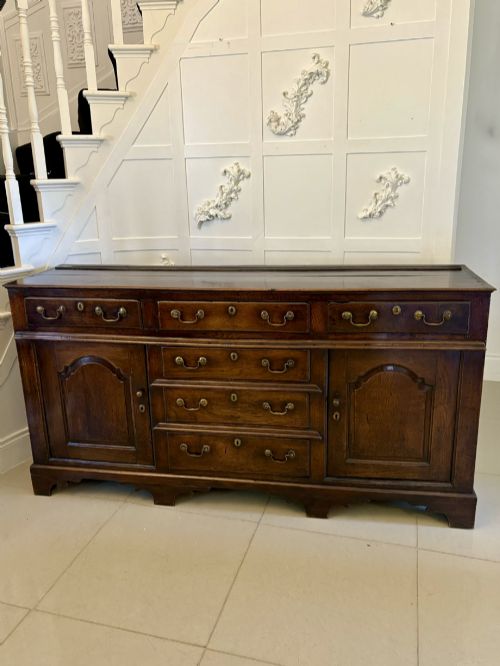
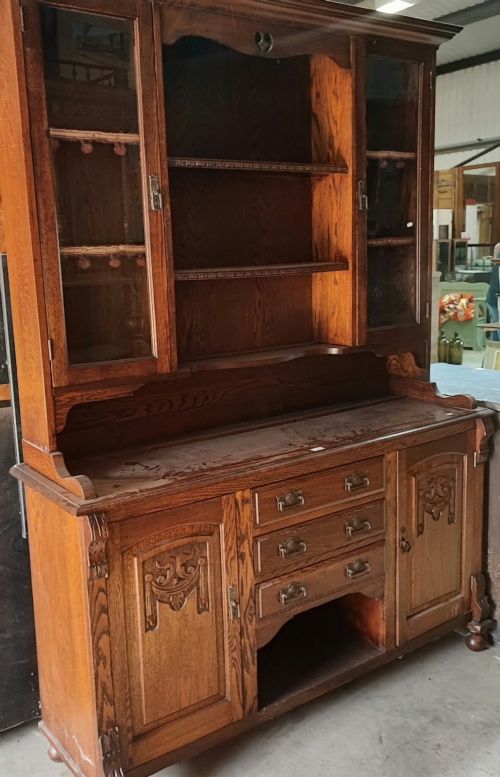
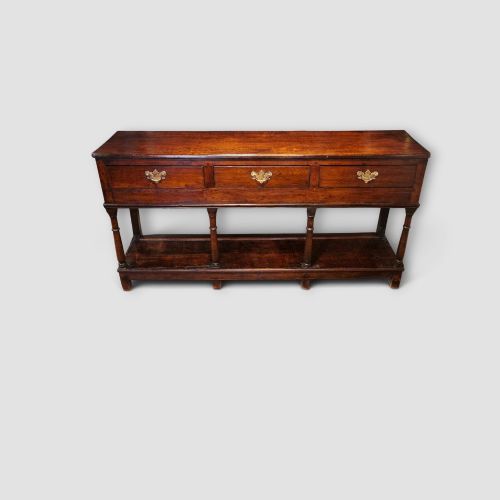
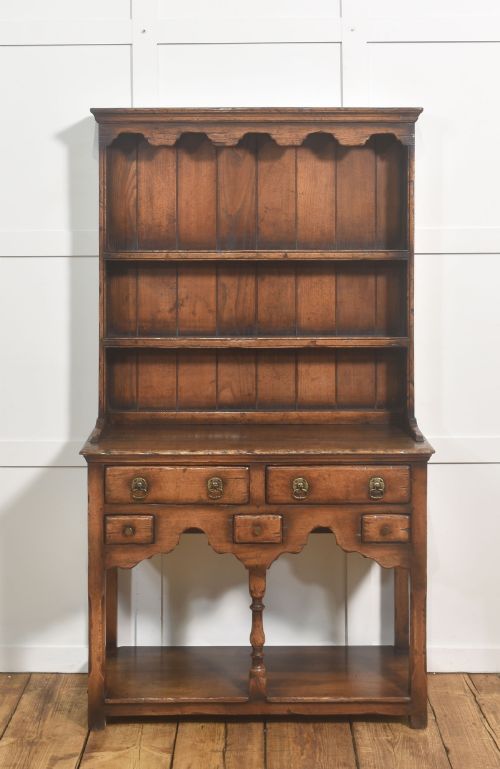
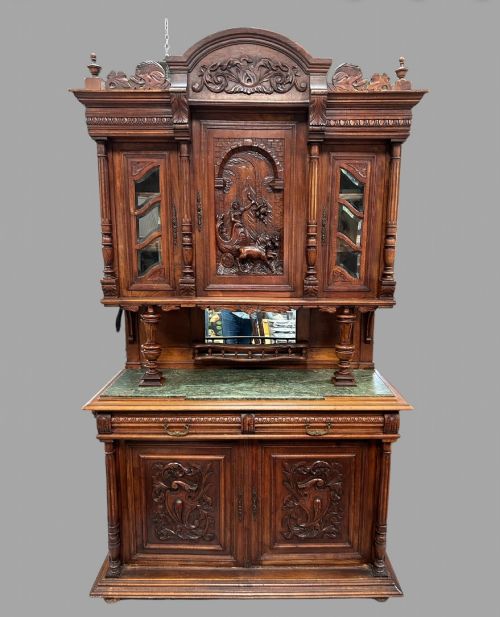
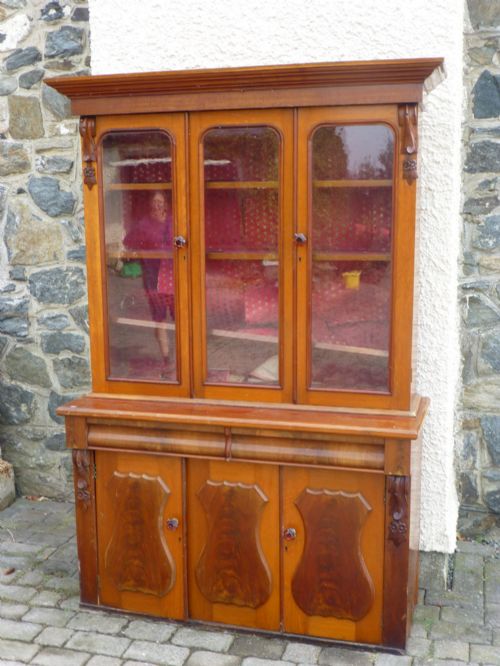
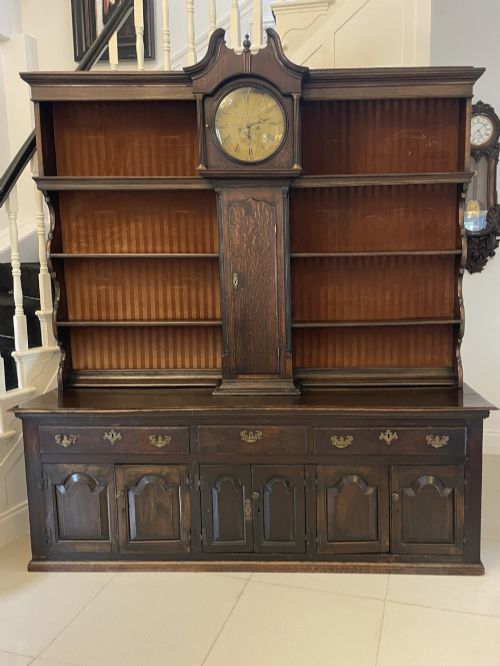
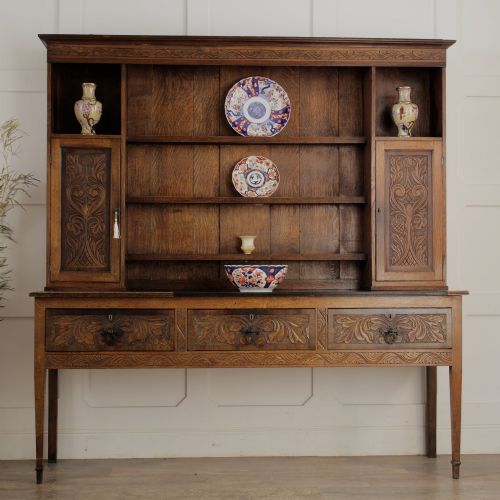
A welsh oak sideboard typically combines a low storage base with drawers and cupboards, often originating from regional country workshops. Buyers seeking a welsh oak sideboard encounter forms ranging from open potboard bases to towering dresser formats featuring plate racks.
The material record highlights sturdy regional construction from the eighteenth and nineteenth centuries, spanning Georgian and Victorian stylistic periods. Many examples display local vernacular traits characteristic of Welsh counties like Snowdonia, Anglesey, and Carmarthenshire.
Surviving pieces bridge the gap between working farmhouse utility and vernacular decorative arts. They serve modern interiors as substantial storage credenzas or serving surfaces in dining rooms and kitchens.
What Varies in Quality
Proportion and architectural balance set finer regional examples apart from utilitarian workshop output. Finer pieces demonstrate careful timber selection, showing harmonious grain patterns across drawer fronts and cupboard doors.
The integrity of original construction elements dictates value, particularly the survival of original potboards, backboards, and brass hardware. Elaborate regional carved details, such as those found on Snowdonia or border pieces, reflect specialised hand skill.
Welsh Oak Sideboard Retail Price Guide 2026
Typical asking prices for welsh oak sideboard among the pieces listed under this phrase on Sellingantiques today, from the lower quarter to the upper quarter. They describe what is for sale here now, not the wider market.
Listings include eighteenth and nineteenth-century periods, alongside Georgian, Victorian, and Edwardian styles constructed from oak, mahogany, and pine.
The Welsh Oak Sideboard Glossary
- Potboard
- A low open lower shelf fixed between the legs of a dresser base. This open space originally stored heavy earthenware pots and kitchen utensils.
- Dresser base
- The lower section of a welsh dresser functioning as a standalone sideboard or serving table. These pieces feature rows of drawers above cupboards or open shelves.
- Vernacular
- Regional furniture built by local craftsmen following traditional local patterns rather than metropolitan high-style designs. These pieces utilise readily available native timbers.
- Coffer bach
- A small Welsh box or chest fitted with a hinged lid, often constructed in oak during the eighteenth century. These miniature chests served domestic storage needs for valuables.
- Bread and cheese dresser
- A specialised regional Welsh dresser type associated with Llanrwst, featuring distinct cupboard ventilation panels or drawer arrangements. Such local variations identify specific production areas.
Welsh Oak Sideboard: Frequently Asked Questions
How do I date a Welsh oak piece?
Dating relies on observing construction joints, drawer lining materials, and regional style markers from Georgian or Victorian eras. Hand-cut elements and pegged joinery generally point to earlier eighteenth-century manufacture.
Secondary woods and hardware changes offer further clues for distinguishing George III items from later nineteenth-century country reproductions.
Where were these sideboards made?
Workshops across Welsh counties such as Anglesey, Carmarthenshire, and Snowdonia produced these sturdy oak utility items. Local craftsmen adapted urban Georgian and vernacular styles to suit rural domestic requirements.
Border counties between England and Wales also produced similar regional furniture sharing overlapping design characteristics.
Can I use one as a modern sideboard?
These robust oak pieces function effectively as dining room servers or hallway storage cabinets in contemporary homes. Their deep drawers and surface areas accommodate modern tableware and serving dishes.
Placing them in living spaces adds historic warmth and generous storage capacity without altering their structural integrity.